
Best Chairs for Pregnant Women in 2026: Types Compared and How to Choose
Disclosure: We may earn a commission when you buy through links on this page, at no extra cost to you. As an Amazon Associate I earn from qualifying purchases. Learn more
Compare the best chairs for pregnant women by type, from budget to premium, with fit, support, and sizing guidance for every stage of pregnancy.
Pregnancy changes how a chair feels week by week. A seat that felt fine in the first trimester can leave your lower back aching and your feet swollen by the third, which makes choosing best chairs for pregnant women less about style and more about support that adapts. The confusing part is that chair types differ a lot in padding, adjustability, and price.
This guide compares the main chair types side by side, explains what each one does well, and shows where each type falls short. The comparison table below gives you the quick picture, and the sections after it walk through fit, features, and budget.



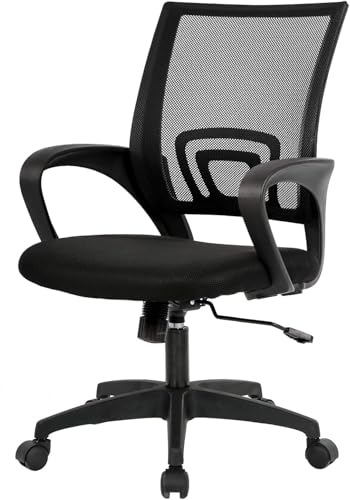
Types of Chairs Compared
Chairs sold for home and office use fall into four broad types. The table sums up who each type suits and what it gives up, and the notes under it explain each type in more detail.
| Type | Best For | Pros | Cons | Typical Price |
|---|---|---|---|---|
| Budget models | Short daily sitting sessions | Low cost, light, easy to move | Thin padding, few adjustments | about $60 to $120 |
| Ergonomic models | Desk work during pregnancy | Adjustable lumbar support, breathable back | Assembly takes time, arms may cost extra | about $150 to $350 |
| Premium and executive models | Long hours and larger frames | Thick foam, wide seat, strong frame | Heavy, warm upholstery, high price | about $350 to $700 |
| Compact and space saving models | Small rooms and nurseries | Small footprint, easy to store | Narrow seat, lower weight capacity | about $80 to $200 |
Budget Models
Budget models are simple chairs with a fixed back, a basic foam seat, and few or no adjustments. They work for short sitting sessions, such as meals, paperwork, or an hour of laptop use, and their low weight makes them easy to carry between rooms. The trade off is thin padding that flattens fast and a back shape you cannot change as your belly grows.
Ergonomic Models
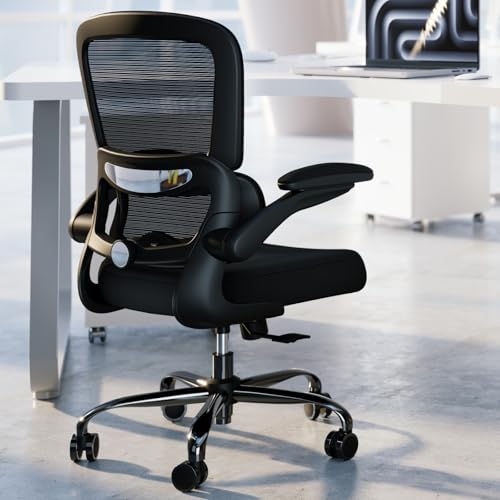
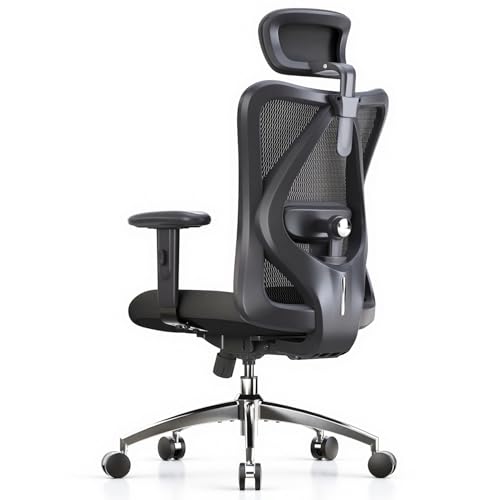
Ergonomic models add the adjustments pregnancy makes valuable: a lumbar support that moves up, down, or in and out, a seat height lever, and arms that lift or slide. Many use a mesh back that lets air pass, which helps when you feel warmer than usual. This type suits desk work and long reading sessions because you can keep tuning the fit as your posture changes. The downside is a higher price and more assembly steps.
Premium and Executive Models
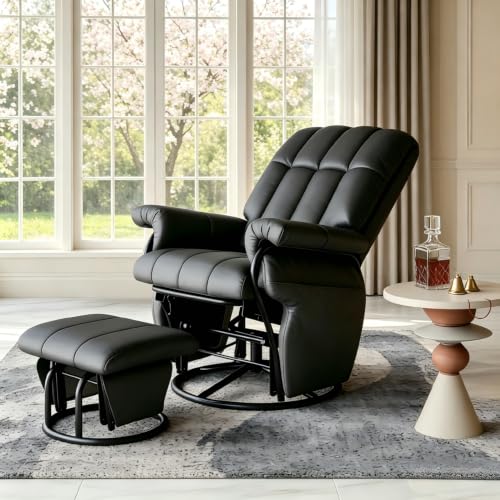
Premium and executive models use thick high density foam, wide seats, and sturdy frames with generous weight capacity ratings. The deep cushioning spreads pressure across your hips, and the tall back supports your shoulders when you lean back to rest. These chairs suit taller or larger frames and anyone sitting most of the day. They are also the heaviest and warmest option, and the price is the highest of the four types.
Compact and Space Saving Models
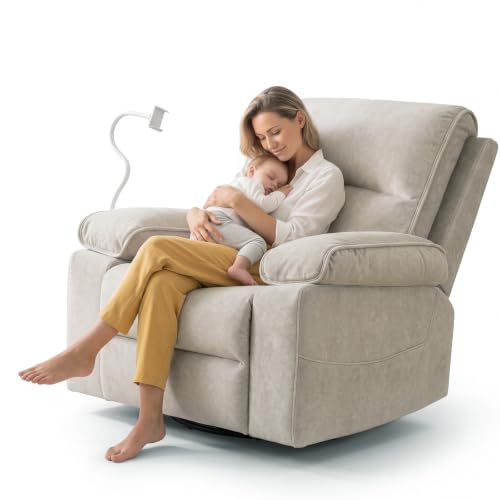
Compact models shrink the footprint with a narrower seat, shorter back, and sometimes folding legs or a stacking frame. They fit nurseries, small apartments, and corners where a full size chair would block the walkway. You give up seat width and often weight capacity, so check both numbers before buying. For late pregnancy, also confirm the seat supports your thighs without pressing behind your knees.
Budget Models vs Ergonomic Models: Which Should You Choose?
These two types cover most budgets, so the choice comes down to how long you sit each day. On padding, budget seats use thin foam that compresses within months, while ergonomic seats use shaped foam or mesh that holds its form longer. On adjustability, budget chairs offer seat height at most, while ergonomic chairs add lumbar depth, arm position, and tilt lock settings. If you sit under two hours a day, a budget chair plus a small cushion can be enough, but desk workers get far better back support from the ergonomic type across all three trimesters.
How to Choose the Right Chair
Warranty and Return Policy
Look for at least a one year warranty on the frame and gas lift, since the lift is the part most likely to fail first. A return window of about 30 days matters even more during pregnancy, because a chair that feels right this month may feel wrong next month. Keep the box until you have sat in the chair for a full week of normal use.
What Pregnant Women Should Look For
Start with seat width and depth that leave room as your hips widen, plus a waterfall front edge that does not press into the back of your thighs. Armrests should support your forearms when you push yourself up, because standing gets harder in late pregnancy. A stable five point base keeps the chair steady when you sit down heavily. If swollen feet are already an issue, pair the chair with a low footrest.
Style and Room Fit
Measure the space before you order, including the door width the chair must pass through during delivery. Light fabric colors show stains quickly, so darker upholstery or a washable cover is practical in a nursery. Many parents also compare best pillows for pregnant women at the same time, since a support pillow can improve a chair that is slightly too deep.
Features That Matter During Pregnancy
Four features do most of the work during pregnancy. Adjustable lumbar support keeps the curve of your lower back filled as your center of gravity moves forward, and a tilt lock lets you recline a few degrees to ease pressure on your abdomen. Breathable mesh or fabric reduces overheating, while smooth casters or a swivel base let you turn without twisting your torso.
One caution matters more than any feature. Sudden swelling of the feet, hands, or face during pregnancy should be reported to a doctor right away, and no chair can address that. If swelling appears with a headache or vision changes, seek care the same day.
Ergonomics and Adjustability
Set the seat height so your feet rest flat on the floor with your knees level with or slightly below your hips. The backrest should touch your lower back without forcing your shoulders forward. Armrests work best when your shoulders stay relaxed and your elbows bend at roughly a right angle.
Setup and Care Tips
Assemble the chair on a soft surface so the frame does not scratch, and tighten every bolt again after the first week of use. Adjust the seat height so your feet rest flat, and set the lumbar support before your first long session rather than after discomfort starts. Tighten the base bolts every few months, since daily weight shifts loosen them over time. Vacuum or wipe the upholstery regularly, and clean spills quickly.
Frequently Asked Questions
What makes a chair suitable for pregnant women?
A chair suits pregnancy when it supports a changing body rather than a fixed posture. Adjustable lumbar support, a seat wide enough for widening hips, armrests strong enough to push against when standing, and a stable base all matter more than style. Breathable fabric also helps because many women feel warmer while pregnant.
Which chair features matter most during pregnancy?
Lumbar support you can move is the feature that matters most, because your lower back curve deepens as your belly grows. Next come a tilt lock that allows a slight recline, armrests that help you stand, and a seat edge that does not press behind your knees. Together these features reduce the posture strains that build up over a day of sitting.
How do you choose the right chair size during pregnancy?
Choose the size by measuring your body and your space, not by guessing from photos. Sit in your current chair and measure the seat width you actually use, then add a little room for change. Check the listed weight capacity and stay comfortably under it, and keep about two fingers of space behind your knees. If you are between sizes, the larger chair is usually the safer pick for late pregnancy.
Which chair type is best for long hours of sitting during pregnancy?
An ergonomic model is the best type for long hours, because its moving lumbar support and tilt lock let you change position without standing up. Premium models also work if you prefer thick padding and a wide seat. Whichever type you choose, stand and walk for a few minutes every half hour or so, since no chair replaces regular movement.
Is an expensive chair worth it during pregnancy?
An expensive chair is worth it only when you will sit in it for many hours a day, during pregnancy and after. Higher prices usually buy better foam, stronger frames, and longer warranties rather than magic comfort. If your sitting time is short, a mid priced ergonomic chair plus a footrest gives most of the benefit.
Wrapping Up
Choosing among the product table above comes down to three checks: the type that matches your daily sitting hours, adjustments that follow your changing posture, and a size that leaves room to grow. Budget models handle short sessions, ergonomic models serve desk workers, and premium models suit long hours in larger frames. Pick the best chairs for pregnant women type that fits your routine, confirm the return window, and talk with your clinician about any personal comfort or circulation concerns.


