
Best Chairs for Pool Tanning Ledge: Buying Guide for 2026
Disclosure: We may earn a commission when you buy through links on this page, at no extra cost to you. As an Amazon Associate I earn from qualifying purchases. Learn more

Compare the best chairs for pool tanning ledge by water depth, materials, size and stability so the seat suits your sun shelf and pool finish.
A tanning ledge, also called a sun shelf or Baja shelf, gives you a shallow place to sit in the water without swimming or floating. The right chair makes that shelf far more usable, since a flat ledge alone leaves your back unsupported and your seat at one fixed angle. Choosing best chairs for pool tanning ledge use starts with your water depth, because a chair that suits a shallow shelf can sit far too low on a deeper one.
This guide walks through depth, materials, sizing, stability, and care so you can match a chair to your pool instead of guessing from photos. The comparison table below gathers the options in one place, and the sections that follow explain which measurements matter first.
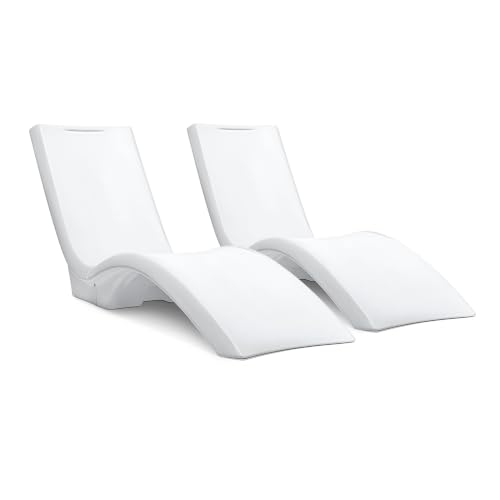

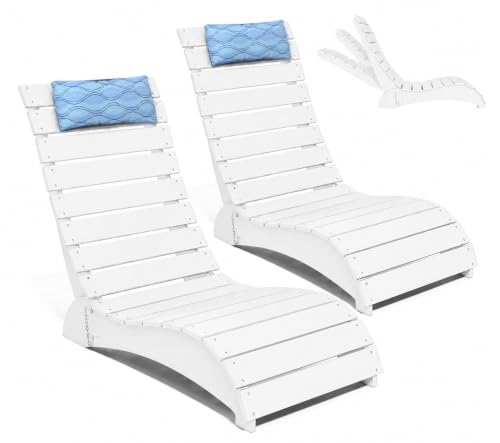
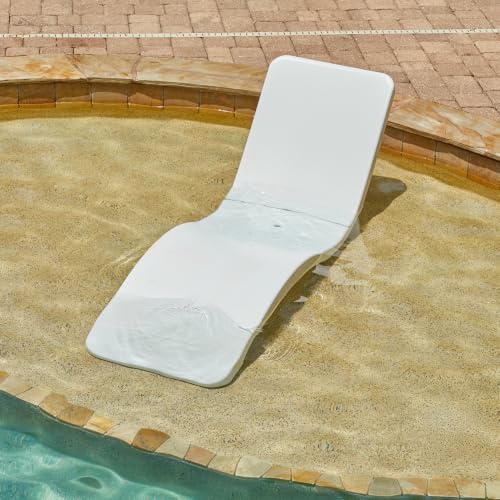

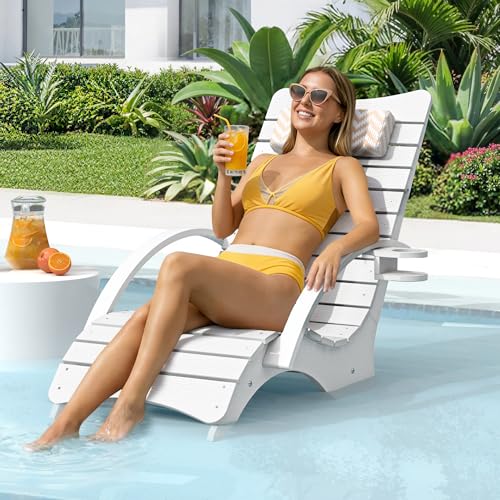
Who Should Buy a Chair for a Pool Tanning Ledge?
Owners of a Shallow Sun Shelf Who Sit and Read
If your ledge holds only a few inches of water, an upright chair keeps your seat mostly above the surface while your feet rest in the shallows. That position suits reading, talking, and watching kids swim, since you can turn your head easily and stand up without pushing off from a low reclined frame.
Sunbathers Who Prefer Sitting Up Over Lying Flat
Some people love a ledge but dislike lying flat with water lapping at their shoulders. A chair with a defined backrest gives a middle ground, letting you lean back while keeping your head, shoulders, and hands dry. If you would rather stretch out completely instead, see our guide to the best lounge chairs for pool tanning ledge, since a full length lounger serves that goal better than any upright chair.
Households Sharing One Ledge With Swimmers
In many homes the ledge doubles as the entry step, a play zone for small children, and the route older swimmers use to ease into the pool. Compact chairs work well here because they leave part of the shelf open for feet and traffic. Look for chairs you can lift or slide aside quickly, and avoid filling the whole ledge with a matched set until you know how your family actually moves through that space on a busy afternoon.
Key Features to Compare
Once you know a chair fits your ledge, compare the details below. Together they decide whether the best chairs for pool tanning ledge choice for your pool feels steady, stays gentle on the finish, and remains comfortable through a long afternoon outside.
Water Depth Compatibility
Water depth is the single most important number in this purchase. Chair makers design each model for a depth range, often for shallow shelves with only a few inches of water or for deeper ledges where the seat sits partly submerged. If the water is deeper than the chair was built for, the seat feels low, the backrest hits the wrong spot, and buoyancy can make the chair feel tippy. If the water is too shallow, you may sit higher and drier than you wanted.
Material and Pool Finish Safety
Most ledge chairs are molded from resin or polyethylene, and both handle chlorine and sunlight well when the maker rates them for pool use. What matters most is the base. It should be smooth and broad, with no sharp seams or exposed metal fasteners, so the chair rests on plaster, pebble, tile, or vinyl without scratching or rusting the surface. Saltwater pools add one more demand, since any metal hardware on the chair must resist corrosion or be absent entirely.
Back Support, Seat Shape, and Armrests
Comfort in water works differently than comfort on a deck, because buoyancy lifts part of your weight and changes how the seat feels. A gently curved back with real lumbar support keeps you from slouching as you settle, while a slightly scooped seat stops you sliding forward. Broad armrests give you leverage when you stand and a resting place for your arms while you read.
Size, Footprint, and Weight Capacity
Measure your ledge before you fall for a wide chair. Note the usable length and width, then leave walking space around the chair and clearance near steps, returns, and umbrella sleeves. Check the stated weight capacity as well, because a chair loaded past its rating can flex, crack at stress points, or sit unevenly. Taller users should also compare seat width and back height, since a compact chair may feel cramped for someone with long legs.
Stability and How the Chair Stays in Place
A good ledge chair stays where you put it despite ripples, pool cleaner movement, and people climbing past. Many designs let you fill the body with water through a port, adding weight that holds the chair down and counters buoyancy. Others rely on sheer heft, which makes them steadier but harder to move for cleaning.
Color and Pairing With the Rest of the Pool
White and light neutral chairs are the most common choices because they blend with most pool finishes and reflect heat, so the surface stays cooler against bare skin. Dark colors can look striking against pale plaster, but they absorb more sun and can feel hot when the chair sits partly out of the water.
How to Measure Your Ledge and Check the Fit
Start with the pool filled to its normal level, because ledge depth changes with evaporation and splash out. Lower a measuring tape from the water surface to the ledge floor where the chair will sit, then measure again near the back edge, since some shelves slope slightly. Compare both figures with the depth range the chair maker lists, and choose a model that places your measurements near the middle of its range.
Next, map the footprint. Lay a beach towel or a length of rope on the ledge in the size of the chair you are considering, then sit on the ledge yourself and stand up again to test the remaining room. Check that the outline clears any umbrella sleeve, light, return jet, and the path your automatic cleaner travels. This simple mock up prevents the common surprise of a chair that technically fits yet blocks the very features you use every day.
Placement matters once the chair arrives. Set it down gently with two people rather than dragging it across the finish, fill it slowly if the design takes water, and angle it toward your favorite view before it gets heavy. Readers comparing chair shapes with close cousins of this product can also see our guide to the best tanning ledge chairs for a broader look at how ledge seating styles differ. Finally, sit down slowly the first time and shift your weight side to side to confirm the base feels planted before you relax fully.
Types of Ledge Chairs
Upright Chairs
Upright chairs hold you in a natural seated position with your feet on the ledge floor. They suit conversation, reading, and supervising swimmers, and they are usually the easiest style to enter and leave. Their tradeoff is tanning coverage, since your legs stay bent and partly shaded by the chair itself.
Low Reclined Chairs
Low reclined chairs tilt the backrest farther and often raise the legs, bringing you closer to a lounging posture while keeping the compact footprint of a chair. They work well on deeper ledges, where extra water supports the reclined shape. If full body support appeals to you more than a chair shape does, see our guide to the best pool lounge chairs to compare longer designs built for stretching out.
Compact Chairs for Narrow Ledges
Compact models trim width and depth so they fit small shelves, corner ledges, and pools where the ledge also serves as the main entry step. They are lighter to move and easier to store, which families who rearrange the ledge often appreciate. The compromise is personal space. A compact seat offers less arm room and a lower back, so longer sitting sessions may feel less supported.
Premium Heavy Chairs
Premium chairs use thicker walls, heavier bodies, and more refined shaping. That extra mass brings real steadiness in busy pools and a finish that resists fading longer. They make sense for owners who leave chairs in place for months and use them daily. Occasional users may not gain enough from the upgrade to justify the higher price or the effort of moving such heavy pieces.
Common Mistakes to Avoid
- Buying by ledge size alone without measuring the water depth, which leaves the seat at the wrong height.
- Choosing a chair rated for shallow water and using it on a deep ledge, which makes it buoyant and unstable.
- Dragging the chair across plaster or tile, which can scuff the finish and wear the base unevenly.
- Filling every open spot on the ledge, which blocks entry steps and leaves swimmers no safe path through.
- Ignoring the weight capacity, which can lead to flexing, cracking, and a chair that rocks on its base.
- Leaving a lightweight chair unfilled near return jets, which lets moving water push it out of position.
Care and Maintenance for Ledge Chairs
Rinse your chair with fresh water whenever you take it out, and wipe the waterline area with a soft cloth and mild soap to remove sunscreen film and scale before they harden. Avoid abrasive pads and harsh cleaners, since scratches cloud the surface and give algae a foothold. A few minutes of attention after heavy use keeps the finish smooth and the color even.
Lift the chair out every few weeks, even if you plan to put it straight back, so you can clean beneath it and check the ledge finish for trapped grit. Inspect the base and fill port for cracks, and empty the chair fully before storing it for winter in a shaded spot out of standing water. Pool safety still applies while you sit, so keep an eye on children near the ledge at all times, and never treat a ledge chair as a flotation aid or a substitute for supervision.
Readers who use the same chairs on the surrounding deck between swims may also want to compare dry land options, and our guide to the best pool chairs covers seating built for decks rather than submerged shelves. Keeping the two as separate purchases usually serves you better, since submerged use demands sealed and weighted construction that deck seating rarely has.
Frequently Asked Questions
How deep should the water be for pool tanning ledge chairs?
The water should fall inside the depth range the chair maker lists, which for many upright chairs means a shallow shelf where the seat stays near or above the surface. One check the buying sections did not cover is seasonal change. Heavy rain can raise your pool level by an inch or more, so a chair that fits perfectly in a dry month may sit deeper after storms until you drain the excess.
Can pool tanning ledge chairs be used for tanning on a dry deck?
Yes, most molded ledge chairs can sit on a dry deck, and their weighted, wide bases keep them steady there. Keep in mind that a chair emptied of water feels much lighter and can slide on smooth concrete, so refill it partially or place it away from traffic. If dry tanning is your main goal rather than a bonus, see our guide to the best tanning chairs for designs shaped for land use.
Will pool tanning ledge chairs scratch a plaster or vinyl pool finish?
A well made ledge chair with a smooth molded base should not scratch plaster, and most makers design the contact surface with pool finishes in mind. Vinyl liners deserve extra caution, though. Grit trapped under the base does the damage, not the chair itself, so lift the chair and rinse the ledge spot clean before setting it down after any storm that washes debris into the pool.
How long do pool tanning ledge chairs usually last?
A quality molded chair often lasts many seasons when it is rinsed regularly and stored out of the pool during freezing weather. The earliest wear usually shows as fading on the surfaces that face the sun longest, while the structure underneath stays sound. Rotating the chair occasionally so different sides face the afternoon sun spreads that fading more evenly across the whole piece.
Can you leave pool tanning ledge chairs in the water all season?
Yes, most ledge chairs are built for season long immersion in chlorinated or salt water. The habit worth adding is a monthly check of the fill port cap, since a slow leak there changes the weight balance gradually and you may notice rocking before you spot the cause. Tightening or replacing that small cap early prevents a season of small annoyances.
Final Thoughts
Start with your measured water depth, then check the footprint, the base, and the weight capacity before you think about color. Those four facts rule out most wrong choices and make the product table above far easier to read. When you match them well, the best chairs for pool tanning ledge pick for your home turns a pretty shelf into the seat everyone asks for first, so use the comparison table above to confirm your shortlist before you order.

