
Best Chairs for Outside 2026: Buying Guide and Tips
Disclosure: We may earn a commission when you buy through links on this page, at no extra cost to you. As an Amazon Associate I earn from qualifying purchases. Learn more
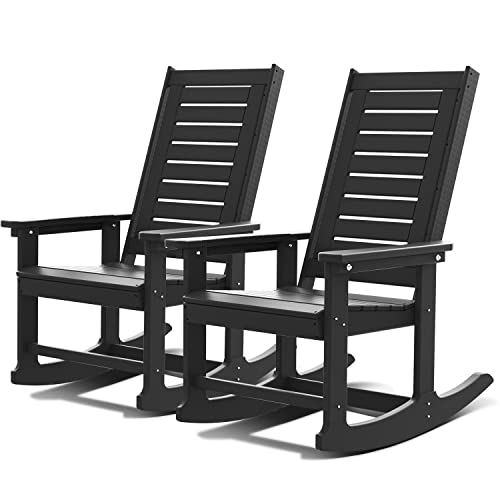
Compare the best outdoor chairs by material, seat size, and weather resistance, with folding, storage, and care tips to choose seating that lasts outside.
An outdoor chair has to survive sun, rain, and damp ground while still feeling good through a long meal or a slow evening on the porch. The best chairs for outside balance weatherproof materials, a stable base, and a seat shape that suits how you sit outdoors. This guide covers materials, sizing, and storage so you can match a chair to your patio, deck, balcony, or lawn.
Picture the surface under the chair, the hours of sun the spot receives, and whether the chairs must move for storage each week. Those answers narrow the field fast. Use the comparison table below to compare types side by side, then read on for sizing and care details.


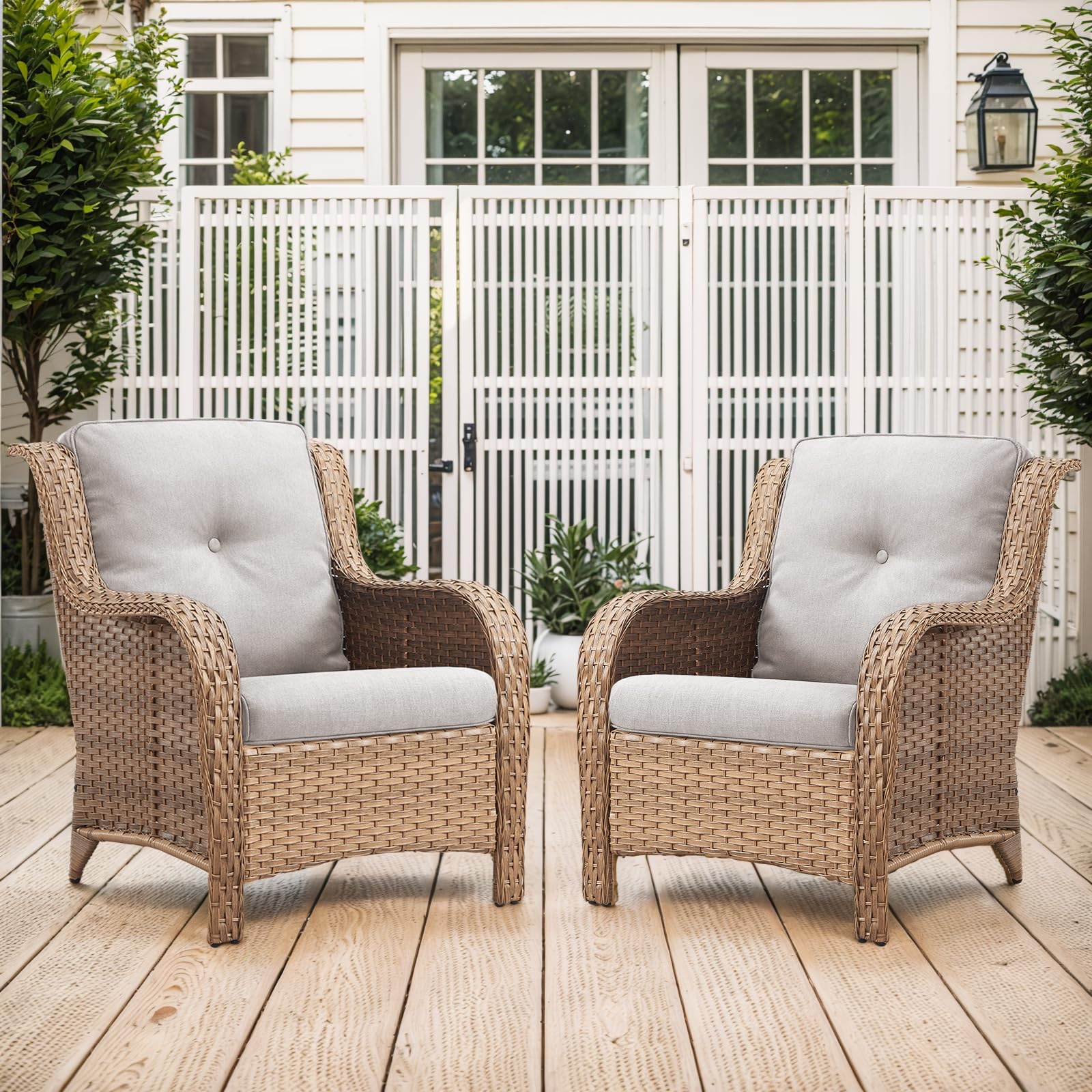


Who Should Buy Which Outdoor Chair?
Patio Diners Who Host Long Outdoor Meals
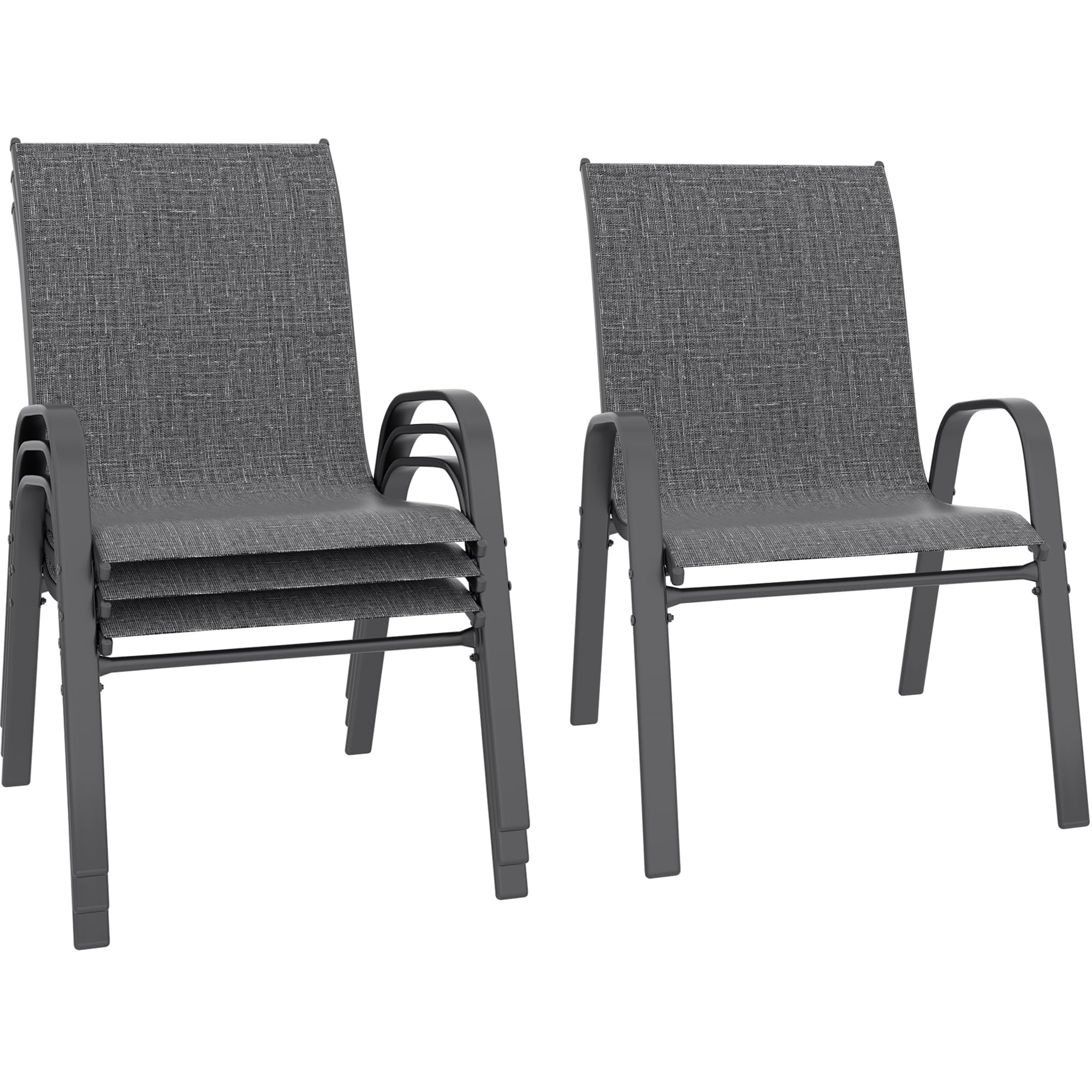
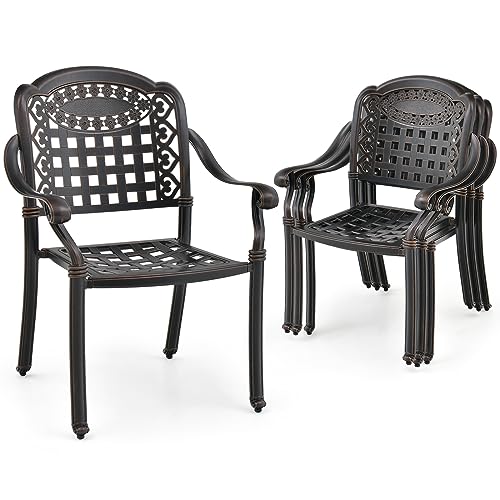
You need upright dining chairs with a firm seat, a supportive back, and arms that slide under your table apron. A seat height of about 17 to 19 inches pairs well with standard outdoor tables. Stackable frames help when guests leave. Choose slatted seats or open weave backs so rain drains away instead of pooling where guests will sit the next day.
Balcony Sitters With a Small Deck or Porch
Compact chairs with a narrow footprint and a folding or stacking frame suit tight spaces where every inch counts. Measure your balcony depth and leave room to walk past a seated person. Lightweight aluminum frames are easy to carry inside during storms.
Garden Loungers Who Move Seats Around the Yard
If you follow the shade across the lawn, pick a lounge style chair light enough to carry with one hand and stable on grass. Wide feet or sled style bases spread weight so legs do not sink into soft soil. A reclined back and a longer seat support reading and resting. Frame handles make each move easier, and a simple shape sheds water after a shower.
Key Features to Compare
When you compare the best chairs for outside for your space, judge weather survival first and looks second.
Frame and Fabric Materials That Survive Weather
Material decides how a chair ages outdoors. Powder coated aluminum resists rust and stays light, while steel feels sturdy but needs an intact coating to keep corrosion away. Teak and dense hardwoods handle moisture well and turn gray if left unoiled. Molded resin and high density polyethylene shrug off rain and clean easily. Sling fabric and open mesh dry fast. If build standards matter indoors too, see our guide to the best quality chairs.
Weight Capacity and Stability on Uneven Ground
Choose a chair rated comfortably above the heaviest regular user, since loads shift as people lean back or perch on an arm. A weight capacity of about 250 to 350 pounds covers most adults with margin. Wide stance legs, cross braces, and flat feet improve stability on pavers, deck boards, and gravel. On grass, broad feet matter most, because narrow legs sink and make the chair rock.
Seat Size, Seat Height, and Back Support Outside
Measure seat width, depth, and height before you buy. Most adults sit comfortably in a seat about 18 to 22 inches wide and 16 to 18 inches deep. Your feet should rest flat with knees bent at roughly a right angle. Dining chairs sit upright, while lounge chairs sit lower and tilt back. A curved back with lumbar support helps during long conversations, and armrests at elbow height reduce shoulder strain.
Cushion Comfort, Drainage, and Breathable Seating
Cushions add comfort but also hold water, so fill and cover matter as much as thickness. Quick drying foam and open cell fill release rain instead of staying soggy for days. Solution dyed acrylic covers resist fading and mildew better than basic polyester, and removable covers wash easily. On hot days, a bare sling or mesh back often feels better because air moves through it.
Corrosion Resistance, Hardware, and Sun Exposure
Sun and moisture attack the small parts first. Stainless steel or coated hardware resists rust streaks at screws and joints. Ultraviolet light weakens untreated plastic and fades fabric, so look for UV stabilized resin and fade resistant textiles in full sun. Dark colors hide dirt but absorb heat, while pale colors feel cooler at midday. Plastic foot caps protect deck boards from scraping.
Types of Outdoor Chairs Compared
Stationary Dining Chairs and Side Chairs for Patios
Fixed dining chairs give the most stable seat for meals and board games on the deck. Side chairs without arms tuck fully under the table and save space between gatherings. They suit households that leave seating out all season and value a tidy, matched look. Because they do not fold, confirm your storage area fits the full set before ordering.
Adirondack and Lounge Chairs for Relaxed Sitting
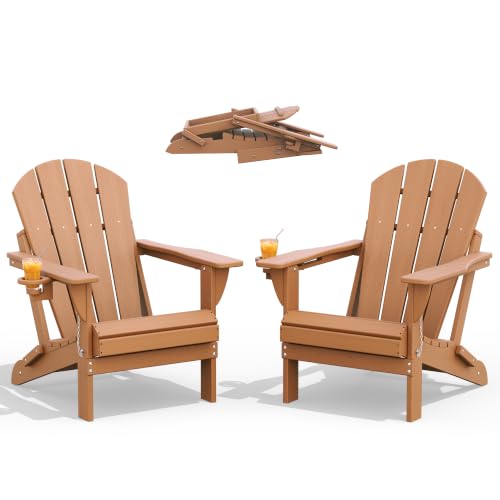
Adirondack chairs pair a low seat, a wide angled back, and broad arms that double as a perch for a drink. Lounge chairs stretch the idea further with longer seats for your legs. Both invite slow sitting rather than meals. Wood versions feel solid and classic, while molded plastic versions weigh less and need almost no upkeep. Leave room behind each chair, because the reclined profile takes more floor space than a dining chair.
Best Folding Chairs for Outside
The best folding chairs for outside earn their place when you host extra guests. Judge them on three folding specific points. First, the locking hinge should click firmly and resist pinching fingers. Second, the folded chair should stand flat against a wall or slide into a narrow closet. Third, the frame and fabric must still be weather rated, since folding chairs often sit in damp garages between uses. A carry handle helps too.
Rocking Chairs and Gliders for Covered Porches
Rockers and gliders add gentle motion that suits morning coffee on a covered porch. Gliders move on a fixed base, so they work on narrower porches where a rocker needs clearance front and back. Keep both under cover when you can, because moving joints collect grit and moisture.
Common Mistakes to Avoid
- Buying indoor chairs for patio use leaves fabric and joints exposed to rain, so mold and rust follow within a single wet season.
- Skipping table measurements means new chair arms strike the table apron, so the chairs never tuck in and the walkway stays blocked.
- Choosing narrow feet for soft grass lets legs sink after rain, so the chair tips and strains its joints with every sit.
- Leaving cushions flat after a storm traps water in the fill, so mildew smells build and the covers stain.
- Ignoring the rated capacity for regular guests risks bent frames and cracked joints when a heavier visitor sits down.
Care and Maintenance for Outdoor Chairs
Rinse dust, pollen, and bird droppings off frames and fabrics with a garden hose every few weeks, then let everything dry fully in open air. Wash sling and cushion covers with mild soap and a soft brush, and avoid harsh cleaners that strip coatings. Tighten loose bolts each season and replace worn foot caps, since a missing cap lets water into hollow legs.
Store cushions in a ventilated deck box or indoors during long wet spells, standing them on edge so moisture can escape. In winter, stack or fold dry chairs under a breathable cover or in a shed, raised off damp floors. Wood chairs benefit from light sanding and outdoor oil to keep their color.
Frequently Asked Questions About Outdoor Chairs
What features matter most in an outdoor chair for a sunny patio?
UV stabilized materials matter most on a sunny patio, because raw plastic and cheap fabric grow brittle and pale after one strong summer. Add a wide, stable base and a seat that drains after storms. One point buyers often miss is heat on metal arms, which can feel hot at midday. Pale finishes, fabric wrapped arms, or afternoon shade solve that problem without changing the chair you chose.
How do I choose the right size outdoor chair for my table?
Match seat height and arm height to your table before anything else. Leave about 10 to 12 inches between the seat top and the table underside for leg room, and confirm the arms clear the apron if you want the chairs pushed in. Also measure gate and doorway widths, since a chair that fits the patio is no bargain if you cannot carry it out there.
How long should a good outdoor chair last outside?
A good outdoor chair should last about five to ten years outside with basic seasonal care. Lifespan depends more on exposure than on price alone. Chairs under a covered porch age slowly, while chairs in full sun and rain give up sooner. Check the warranty terms for outdoor use specifically, because some warranties shrink when a porch chair is left uncovered in an open yard through winter.
Can outdoor chair cushions stay outside all season?
Outdoor chair cushions can stay outside for short dry stretches, but they last longer if you shelter them during heavy rain. Stand wet cushions upright in the sun so water drains from the lowest seam instead of soaking deeper into the fill. During freezing weather, bring cushions indoors, because water trapped in foam expands as it freezes and can split seams.
Is an expensive outdoor chair worth the extra cost?
An expensive outdoor chair is worth it when the extra cost buys weatherproof materials and replaceable parts rather than styling alone. Think in cost per season instead of price today. A chair that serves eight summers usually costs less over time than three cheap chairs that fail early. Confirm that replacement slings, covers, or hardware are sold separately, since one fresh sling can extend a sound frame by years.
The Bottom Line
Choose outdoor seating by surface, sun, and storage first, then match seat size and style to how your household gathers. Weather rated materials, a stable base, and a realistic plan for cushions will serve you longer than any fashionable detail. Look back at the product table above and pick the best chairs for outside that fit your space, your ground, and your routine.

