
Best Chairs for Nail Techs at Every Price: What Your Money Really Gets You in 2026
Disclosure: We may earn a commission when you buy through links on this page, at no extra cost to you. As an Amazon Associate I earn from qualifying purchases. Learn more

Seat height range, lumbar position and easy rolling matter most in the best chairs for nail techs at any budget.
Choosing best chairs for nail techs is really a question of where your money helps most. Nail work means long hours seated close to a client, with your hands busy and your posture held in a forward lean for much of the day. A chair that suits a home office may feel wrong in a salon, where you roll between stations, wipe surfaces often, and need a seat height that matches a manicure table. The comparison table below sets out the main spending levels so you can see what each one typically delivers.
This guide compares chair types by spending level, not individual products. It explains which features are worth paying for in salon work, which upgrades you can skip, and what long term costs to expect. Use it to match your budget to your working hours and your salon layout.
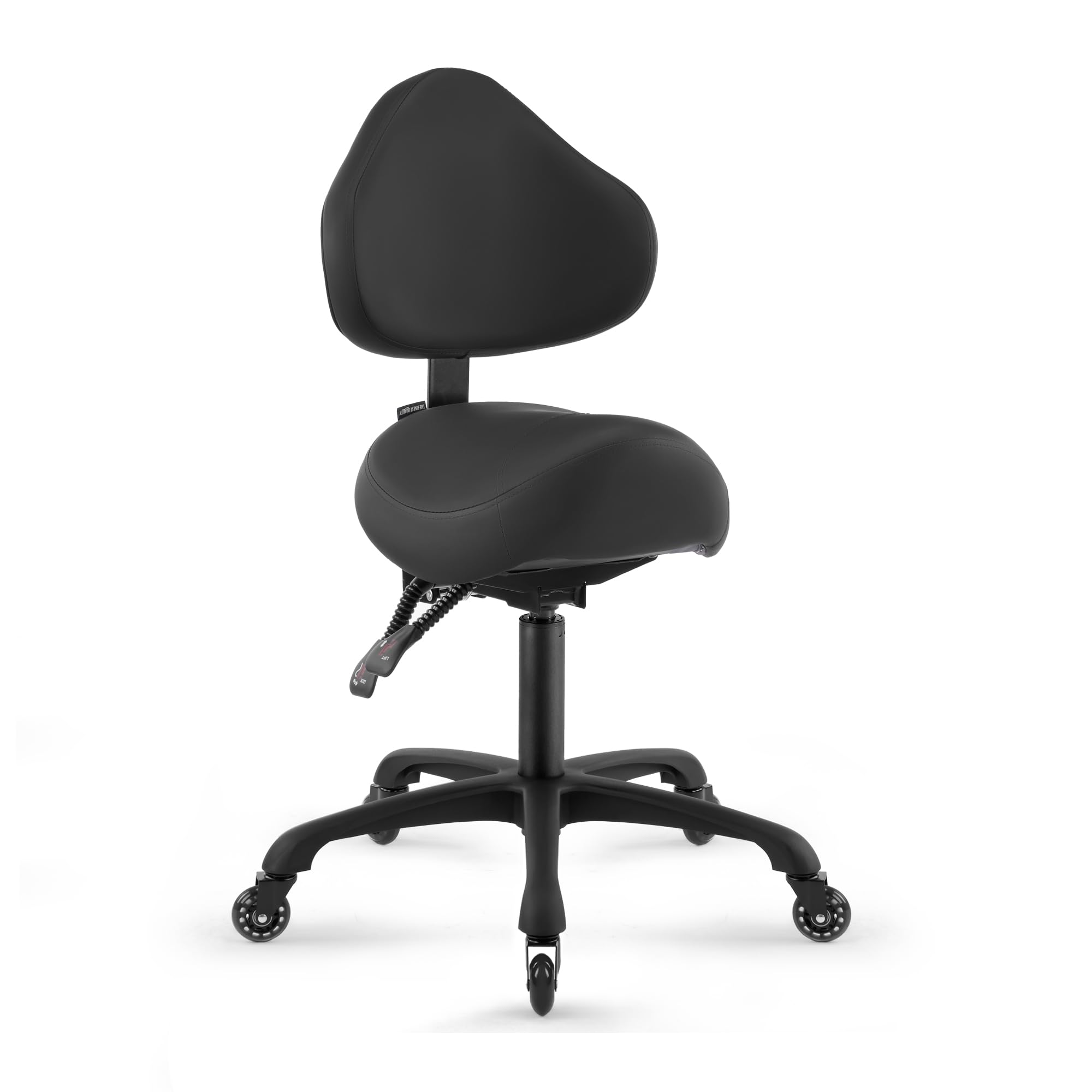

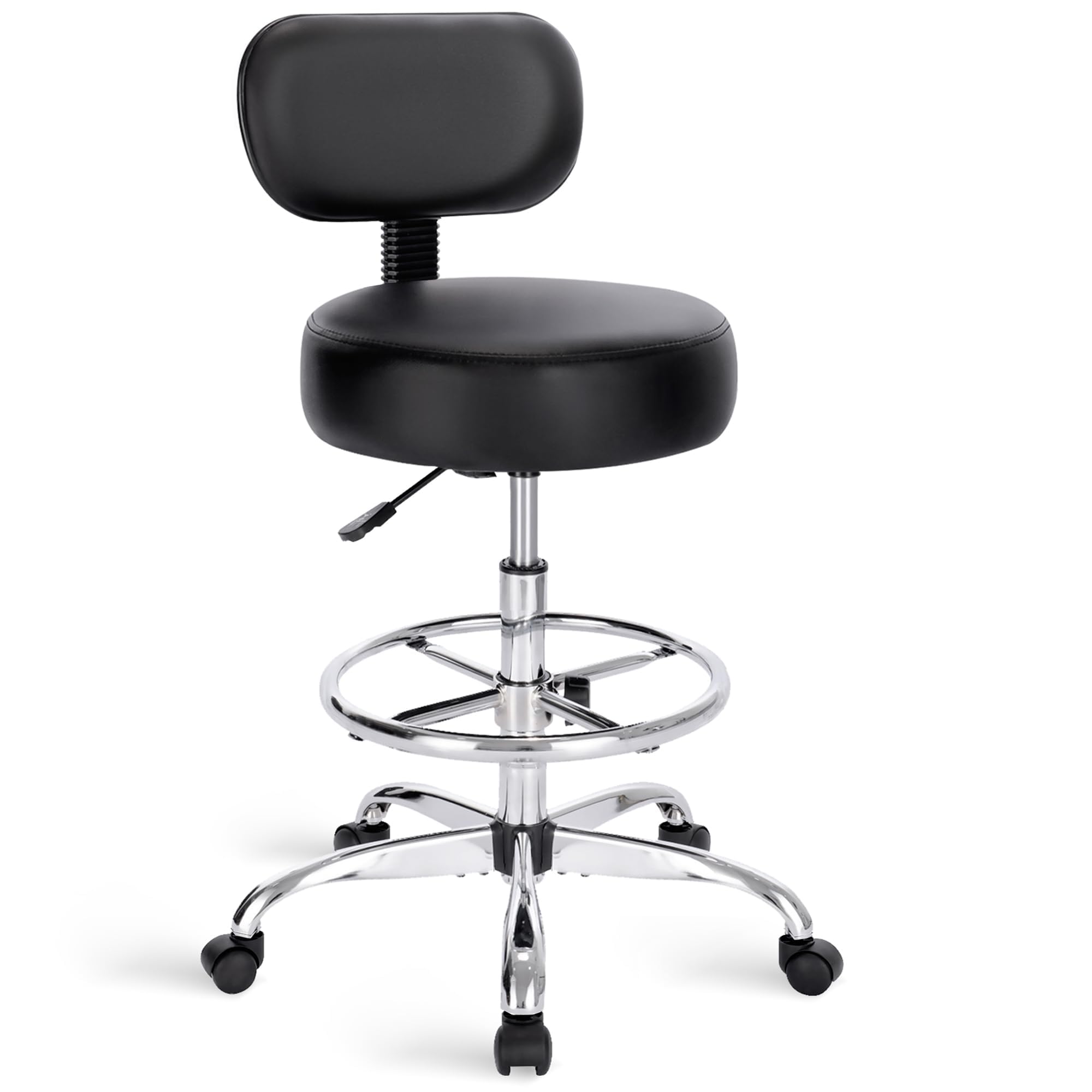

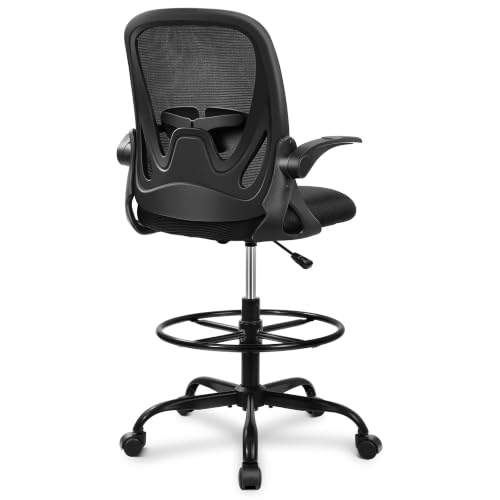

Spending Levels Explained
The three levels below describe what you usually get at each price point. Prices are approximate, and the exact split between levels varies by maker and by sale timing.
A Sensible Starting Point
Lower cost chairs focus on the basics: a height adjustable seat, a simple backrest, and casters that roll on a smooth salon floor. They suit new techs, part time work, or a second station that sees only occasional use. The cushion is usually thinner, and adjustment may be limited to seat height and a basic backrest tilt.
The main tradeoff is durability under daily use. A lower cost chair may start to sag or wobble sooner when it is used for full days, every day. If your working week is short, that tradeoff may be fine. If you work full days, plan to replace a lower cost chair sooner, and factor that replacement into the real cost.
A Solid Middle Ground
Middle spending chairs add the adjustments that matter most for salon work: better lumbar support, armrests that move out of the way or adjust in height, and a sturdier base with smoother casters. The cushion is usually thicker and holds its shape longer, which helps during long appointments. Many middle spending chairs also offer wipe clean upholstery, which matters when polish, lotion, and dust are part of the day.
This level suits most full time techs. You get the comfort and durability needed for daily work without paying for executive styling or extra features that do not change how you sit. For many salons, this is the level where extra spending stops adding clear working benefit.
Higher End Comfort
Higher spending chairs offer the widest adjustment range, premium upholstery, and heavier duty frames built for constant use. Seat depth, lumbar height, and armrest width may all adjust independently, letting you fine tune the chair to your body and to different client positions. The finish also tends to resist stains and wear better, which keeps the chair looking professional longer.
The extra cost is hardest to justify when the chair is used only a few hours a week. It makes more sense for a busy station that runs all day, where a breakdown or an uncomfortable seat costs working time. Before paying more, check that the added adjustments are ones you will actually change during the day.
What Your Money Gets You at Each Price Tier
Each tier below sums up the typical features, the tradeoffs, and who it suits. Use these as a starting point, then compare individual chairs on seat height range, cushion firmness, and upholstery care.
Lower Spending: What to Expect
At the lower end, expect a height adjustable seat, a basic backrest, and a standard foam cushion, usually for around $80 to $150. The frame is lighter, and the casters suit smooth floors. You may miss lumbar height adjustment and armrest adjustment, so the fit depends more on whether the fixed shape happens to suit you.
This tier suits new techs and part time stations. The tradeoff is shorter life under daily use and less help for long appointments. If you buy at this level for full time work, budget for an earlier replacement.
Middle Spending: A Balanced Choice
In the middle range, usually around $150 to $300, you gain lumbar support that moves, armrests that adjust or swing away, and a firmer cushion that keeps its shape. Wipe clean surfaces become more common, and the base feels steadier when you roll between a client chair and a supply cart. This tier suits most full time techs and busy stations.
The tradeoff is modest: you pay more than the basic level, but you avoid the styling premium of the top tier. For salon work, this balance of comfort, durability, and price is often the best value. For a related salon seating comparison, see our guide to the best chairs for lash techs.
Higher Spending: When Extra Cost Pays Off
At the higher end, usually around $300 and up, you get independent adjustment of seat depth, lumbar height, and armrest position, plus heavier duty frames and stain resistant upholstery. The chair is built to hold its settings through constant daily use, and the finish stays presentable longer in a client facing room.
This tier suits high volume stations and techs who sit for most of the day. The tradeoff is price and weight, since heavier chairs are harder to move for cleaning. Extra cost pays off only when the added adjustment and durability match your working hours.
Features Worth Paying For (and Ones to Skip)
Features That Matter for Nail Techs
Nail work creates specific needs. You sit close to the client, lean slightly forward, and need your feet flat and your arms supported without the armrests blocking the manicure table. Seat height range matters more than backrest height, because the chair must match table heights that vary by salon. A seat that rolls smoothly and locks when needed helps you shift position without standing.
Ventilation matters too. Salons use products with strong smells, so good airflow and a ventilation system that moves air away from the work area help everyone breathe easier. Keep chemicals stored safely and away from children, and follow maker guidance for ventilation and storage. Comfort framing applies here as well: a chair supports posture and comfort, but it does not treat pain, so see a doctor if pain persists or worsens.
Assembly and Delivery
Assembly time matters when a station must be ready for clients. Simpler chairs may take under half an hour, while chairs with more adjustment can take longer and may need two people for the base and seat. Check whether tools are included and whether the instructions use clear diagrams rather than text alone.
Delivery size matters in a salon too. A chair shipped in a large box needs storage space until assembly, and a heavy box may need help to move. Factor delivery time into your planning, especially if you are replacing a chair at a working station.
Ergonomics and Adjustability
Seat height adjustment is the single most useful feature for nail techs, followed by lumbar support that sits at your lower back rather than higher up. Armrests that adjust in height or swing away help you work close to the table without bumping it. A tilt lock lets you fix the backrest once you find a comfortable lean for detailed work.
You can usually skip features that do not change salon work, such as a headrest designed for reclining or a footrest built for desk use. Those add cost and bulk without helping you sit closer to the client. Focus your budget on seat height range, lumbar position, and smooth rolling.
Materials and Upholstery
Upholstery choice shapes daily cleaning. Wipe clean vinyl or coated fabric handles polish spills and lotion better than plain fabric, which can stain and hold smells. Mesh backs breathe well in warm salons, but mesh seats offer less padding for long appointments. Solid wood or metal frames feel sturdier than light plastic, though they add weight.
Check the seams and edges, since polish remover and cleaning products can wear weak stitching over time. A chair with replaceable casters and a simple cushion cover is easier to maintain than one where every part is sealed. For a broader quality comparison, see our guide to the best quality chairs.
Long Term Costs to Factor In
The purchase price is only part of the cost. Budget for replacement casters, since salon floors and daily rolling wear them faster than home use. Cushion wear is the next cost, especially on lower cost chairs where foam thins sooner. A chair with a replaceable cushion or a standard caster size keeps these costs low.
Warranty length matters here. A longer warranty on the frame and lift mechanism lowers the risk of an early replacement, while a short warranty shifts that risk to you. Add cleaning supplies and the time spent on upkeep, and compare total cost over two or three years rather than the sticker price alone. A middle spending chair that lasts three years often costs less overall than a basic chair replaced every year.
FAQs
What features matter most in chairs for nail techs?
Seat height range, lumbar support position, and smooth rolling matter most, because they decide whether you can sit close to the manicure table with your feet flat and your arms relaxed. Wipe clean upholstery matters too, since polish and lotion reach the chair daily. Armrests that swing away or adjust in height help you work without bumping the table. These salon specific features matter more than a tall backrest or a headrest designed for reclining.
How long should a good chair last?
A well built salon chair used daily often lasts about three to five years before the cushion or casters need attention. Lower cost chairs may show sagging sooner, while heavier duty frames may last longer if casters are replaced on time. Signs of wear include a seat that dips in the middle, casters that stick or wobble, and a lift that sinks slowly. Replacing worn casters early can extend the useful life of an otherwise sound chair.
What features matter most for long hours?
For long hours, choose firm cushioning that holds its shape, lumbar support at the right height, and a seat that lets you shift position without standing. Smooth casters reduce the effort of moving between stations, and wipe clean upholstery keeps the chair fresh through a full day of appointments. Take short standing breaks between clients when you can, since even the best chair cannot replace movement. A chair that still feels steady at the end of the day is a better sign than one that only feels good at first.
How do I choose the right size?
Match the seat height range to your manicure table height, so you can sit with your feet flat and your forearms near table level. Check seat width against your own comfort and the space between stations, leaving room to roll without bumping furniture. Seat depth should leave a small gap behind your knees when you sit fully back. If you are between sizes, choose the chair with the wider seat height range, since table heights vary more than body sizes in most salons.
Is an expensive chair worth it?
An expensive chair is worth it when the extra cost buys adjustments you will actually use and durability that matches full time salon hours. It is not worth it when the price mainly buys styling or features that do not change how you sit at the table. For part time work, a middle spending chair usually serves just as well. For a busy station running all day, spending more on a sturdy frame and wipe clean finish often pays off in fewer replacements and steadier comfort.
Wrapping Up
The smartest spend depends on your working hours. Lower cost chairs suit new techs and part time stations, middle spending chairs suit most full time work, and higher spending chairs suit high volume stations where durability and fine adjustment earn their keep. Focus on seat height range, lumbar position, wipe clean materials, and smooth rolling before you worry about styling.
Remember that best chairs for nail techs is a guide to comfort, fit, and value, not a treatment for pain. If discomfort persists or worsens, talk with a doctor about your own needs. Use the product table above to compare spending levels one more time, then choose the chair that fits your table, your hours, and your budget.


