
Best Chairs for Lash Techs: Every Type Explained Side by Side for 2026
Disclosure: We may earn a commission when you buy through links on this page, at no extra cost to you. As an Amazon Associate I earn from qualifying purchases. Learn more

Confused by all the options? We compare every type of chair side by side so you can choose the best chairs for lash techs for your space and budget.
Lash work asks a lot of a chair. You sit close to the client for one to three hours at a time, leaning forward over the lash bed with your arms raised and your focus locked on tiny details. The best chairs for lash techs support that posture without forcing you to perch, hunch, or shift your weight every few minutes.
The hard part is that chair listings mix very different designs together, from plush executive styles to slim stools and task chairs. This guide compares each type side by side, explains the features that actually matter at the lash bed, and helps you match a chair to your space and budget. Start with the comparison table below, then read on for the reasoning behind each type.
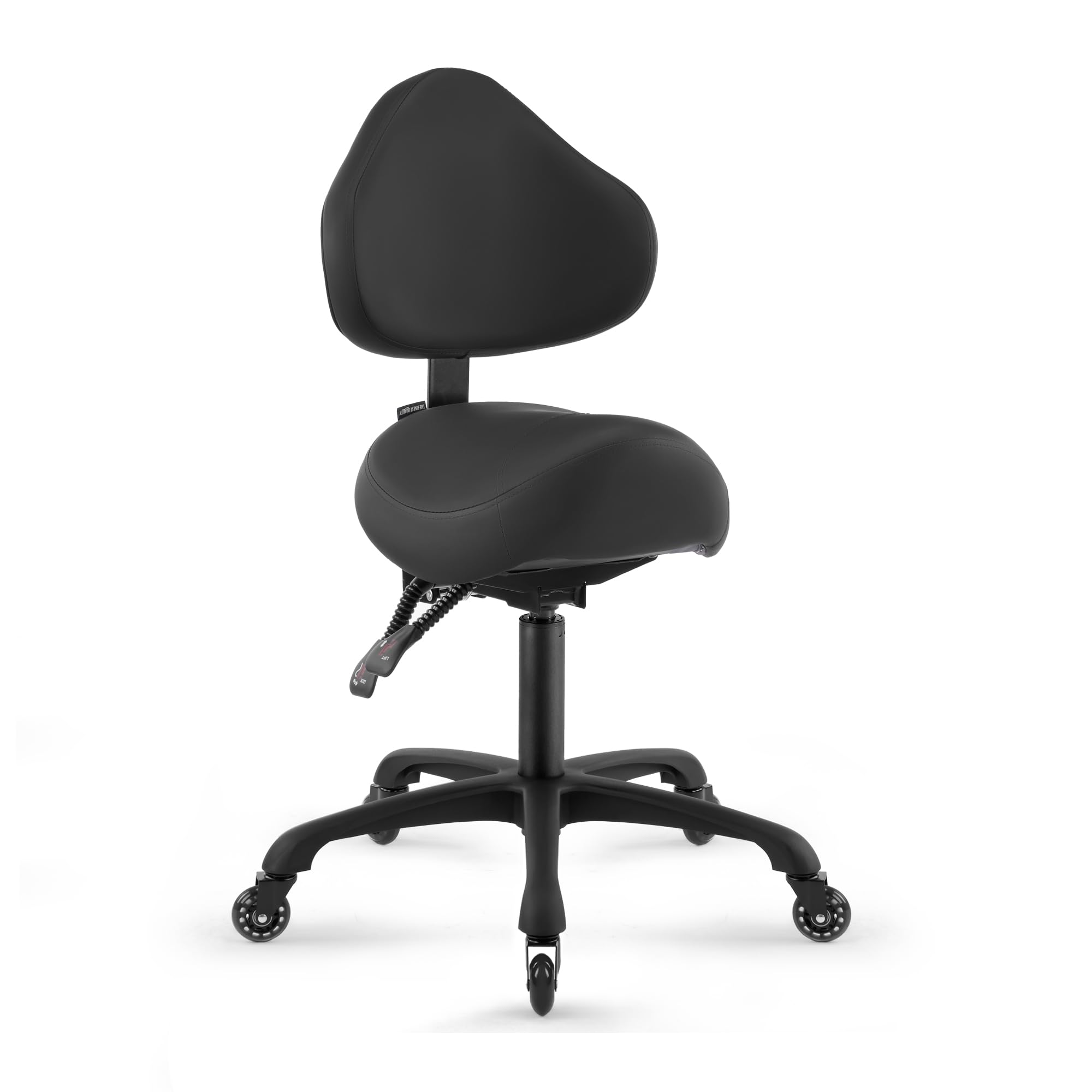


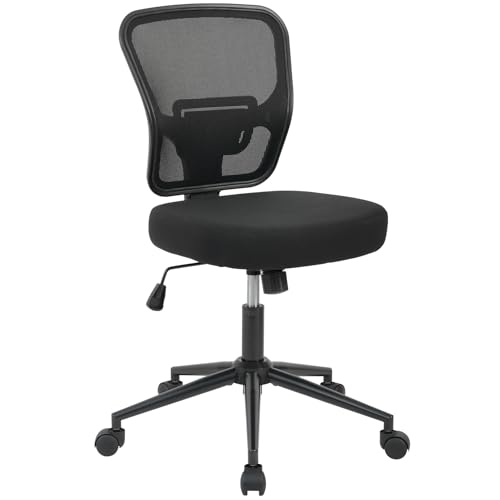
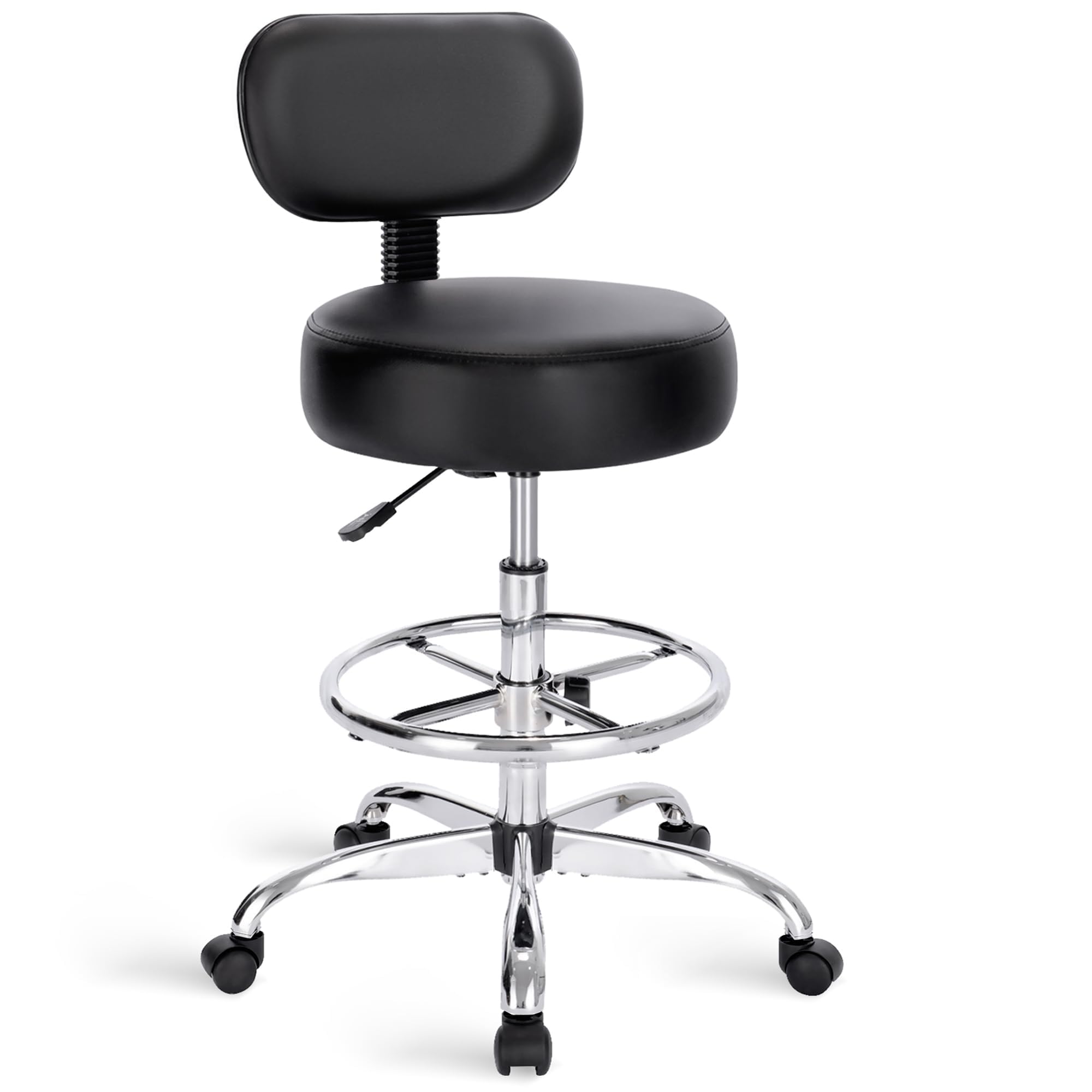
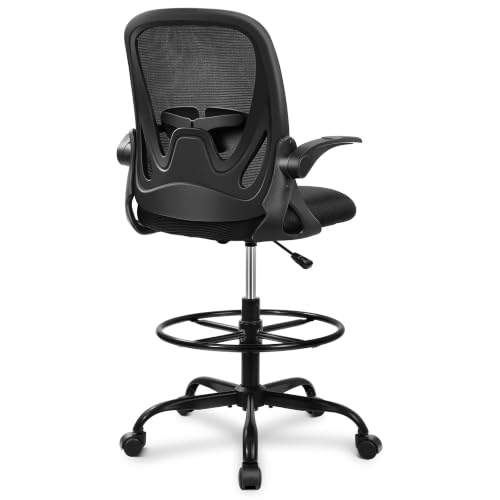

Types of Chairs Compared
Most listings for the best chairs for lash techs group them into three broad types. They differ in padding, adjustability, footprint, and price, and each one suits a different kind of studio and working style. Understanding the type first saves you from comparing random models that were never built for the same job.
Premium and Executive Models
Premium and executive models are the large, generously padded chairs with tall backs, thick seat cushions, and finishes that look polished in a boutique studio. They usually carry higher weight capacity ratings, smoother tilt mechanisms, and denser foam that holds its shape through years of daily appointments. Expect prices about $300 to $600 for this group.
The trade off is size and mobility. A wide executive chair can crowd a small treatment room and may not slide close enough to the lash bed, which matters when you need your knees under the bed and your hands steady. Choose this type if you have a spacious room, see fewer clients per day, and want the chair to double as a statement piece that clients notice when they walk in.
Budget Models
Budget models are simpler task chairs and stools, usually priced under $150 and often about $60 to $120. They cover the basics: a padded seat, a gas lift for height adjustment, and a five star base with casters. Backs, when included, tend to be low or mid height with modest padding and fewer adjustment points.
These chairs make sense for new techs furnishing a first studio, for home based setups, or as a backup chair. The compromise shows up over time, since thinner foam compresses faster and tilt mechanisms feel less smooth. If you book full days, plan on upgrading sooner, but a budget chair that fits your height and bed still beats a dining chair or a fixed stool with no lift.
Ergonomic Models
Ergonomic models are built around adjustability rather than looks. They typically combine a mesh back or a shaped foam back with lumbar support, adjustable armrests, seat height and depth controls, and a tilt lock that holds the backrest at the angle you choose. Prices usually land about $150 to $350, between the budget and premium groups.
For lash work, this type solves the most common comfort complaints. The mesh back keeps air moving during long sets in a warm room, and the shaped support helps your lower back through hours of leaning in. Choose an ergonomic model if you work full days, share the chair with another tech of a different height, or notice shoulder and back fatigue after appointments.
Premium and Executive Models vs Budget Models: Which Should You Choose?
These two groups sit at opposite ends of the price range, so the choice comes down to how the differences feel across a full working week. Padding is the first gap: premium chairs use high density foam that stays supportive for years, while budget foam softens sooner and can leave you feeling the seat base by midday. Adjustability is the second gap, since premium models add tilt tension control, deeper recline ranges, and sturdier armrests, while budget models often stop at height adjustment.
Build quality and weight capacity form the third gap. Premium chairs commonly support about 300 to 400 pounds on steel frames, while many budget chairs rate closer to 250 pounds on lighter frames. Longevity follows the same pattern, and looks matter too if clients photograph your space. If you are building a brand around a luxury room and see a handful of clients daily, premium earns its price. If you are starting out or work part time, a budget chair is the sensible buy, and you can upgrade once your books fill.
How to Choose the Right Chair
Type is only the starting point. Two chairs in the same group can feel completely different once you sit at your own bed, so use the factors below to narrow the product table above to the models that fit your body and your room.
Comfort and Cushioning
Cushioning decides how you feel at hour three of a full set. High density foam is the material to look for, because it resists bottoming out and keeps its shape far longer than the soft foam used in cheap seats. A seat that feels plush in the first minute can actually cause more fatigue if it lets you sink and slouch, so firm and supportive beats soft and squishy for working chairs.
Seat shape matters as much as foam. A gently curved front edge reduces pressure behind your knees while your feet rest flat on the floor, and a seat width that lets you shift position slightly keeps your hips from locking up. If you do volume work or mega volume sets that run long, treat cushioning as the top priority and be willing to trade decorative details for better foam.
Ergonomics and Adjustability
Adjustability is what lets one chair fit your body and your bed height. Seat height is the core control: you want your feet flat, your knees near a right angle, and your forearms level with the client resting position so your shoulders stay down. Most lash techs end up working in a seat height range around 18 to 24 inches, but your bed height decides the exact number, so a wide lift range gives you room to fine tune.
Lumbar support should meet the curve of your lower back without pushing you forward, and a tilt lock lets you fix a slight recline for breaks between clients while keeping an upright working position during sets. Adjustable armrests help during mapping and prep, but check that they lower or swing away enough to let you pull in close to the bed. If you also do brow or nail services, see our guide to the best chairs for nail techs for how the posture needs differ between the two services.
Features That Matter for Lash Techs
Lash work creates needs that general office chair advice misses. You lean forward for long stretches, so a chair that rolls smoothly lets you shift position with small pushes instead of standing up and breaking your flow. Casters suited to your floor type matter here: soft casters protect hard floors and roll quietly, which keeps the room calm for resting clients.
Upholstery is another lash specific point. Adhesive fumes, tint, and cleansers are part of the job, so smooth vinyl or leather style coverings that wipe clean in seconds beat fabric that absorbs spills and odors. A compact footprint helps too, since the chair must tuck close to the bed in rooms that also hold a ring light, a cart, and storage. Finally, check the weight capacity with your real numbers in mind, and choose a rating with comfortable headroom rather than one right at the limit. If you are comparing dedicated salon seating rather than office styles, our guide to the best lash chairs covers stools and saddle seats built only for treatment rooms.
Assembly and Delivery
Most chairs arrive in a flat box with the base, lift, seat, and back packed separately, and assembly usually takes about 20 to 40 minutes with the included hex key. Casters press into the base, the lift drops in, and the seat and back bolt together. A second pair of hands helps when you attach the back, since holding it aligned while starting the bolts is the fiddliest part.
Before ordering, measure your doorway and the space beside your bed, and check the box weight if you will carry it upstairs alone. Keep the packaging until you have sat through one full appointment, because a chair that feels fine for five minutes can reveal pressure points after an hour. That trial sit is the real test, and easy returns matter more than any single feature.
Common Mistakes to Avoid
- Choosing a chair by looks alone, so the seat height range never matches your bed and your shoulders stay raised all day.
- Buying a wide executive chair for a small room, so it cannot roll close to the bed and you end up leaning farther forward.
- Picking fabric upholstery for lash work, so adhesive drips and cleanser splashes soak in and stain within weeks.
- Ignoring the weight capacity rating, so the lift and base wear out early and the chair starts to wobble.
- Keeping armrests fixed at full height, so they hit the bed edge and hold you inches away from your working position.
- Skipping the trial sit during a real appointment, so discomfort only shows up after the return window closes.
How to Make Your Chair Last Longer
Daily habits decide whether a chair lasts two years or six. Set the seat height so your feet rest flat each time you sit down, rather than leaving the lift wherever the last session ended, because a consistent working height also keeps your posture consistent. Tighten the base and back bolts every few months, since the small movements of rolling and leaning slowly work them loose.
Vacuum or wipe the upholstery regularly, and clean vinyl with a mild soap solution so adhesive spots and dust do not build up into the surface. Keep cleansers with strong solvents off the covering, because they dry it out and cause cracking. Roll the chair instead of dragging it sideways, which bends caster stems, and store it away from direct sunlight that fades and weakens the finish. If you also furnish a desk area for bookings and admin, our guide to the best officer chairs explains what to look for in a chair meant for desk hours instead of treatment work.
FAQs
What features matter most in chairs for lash techs?
Seat height range, firm cushioning, and smooth rolling casters matter most in chairs for lash techs. Height adjustment lets you line up with your bed so your shoulders stay relaxed, and firm foam keeps that posture comfortable through long sets. One point many techs overlook is caster noise: quiet casters protect the calm of the room, and clients who drift off during a set will thank you for a chair that moves without rattling.
How do lash techs choose the right chair size?
Lash techs choose the right chair size by matching the seat height range to the bed and checking that the seat depth suits their legs. Your feet should rest flat with your knees near a right angle, and the seat front should not press behind your knees. Also measure the chair footprint against the gap beside your bed. A chair that fits your body but not your room will still force bad posture, so check both sets of numbers before ordering.
Is an expensive lash tech chair worth the money?
An expensive lash tech chair is worth it if you work full time and your current chair leaves you sore by the last client. Higher prices buy denser foam, stronger frames, and smoother adjustments that hold up under daily use. The math improves with every year the chair lasts, so a premium chair used for five years can cost less per appointment than a budget chair replaced twice. Part time techs usually get better value from the middle range.
How long should a good lash tech chair last?
A good lash tech chair should last about four to six years of daily studio use, and longer with lighter schedules. The gas lift and casters usually wear first, so a chair that starts sinking slowly or rolling unevenly is giving you early warning rather than failing without notice. Many lifts and caster sets can be swapped without replacing the whole chair, which stretches the life of a seat and frame that are still in good shape.
What features matter most for long lash appointments?
For long lash appointments, lumbar support, breathable materials, and a tilt lock matter most. A mesh back or ventilated covering keeps you cooler during two to three hour sets in a warm room, and support that meets your lower back stops the slow slouch that builds across a long fill. Take brief posture resets between clients as well. If back or neck pain keeps returning despite a well adjusted chair, talk with a clinician about your personal needs rather than pushing through it.
Final Thoughts
The right chair comes down to three checks: the type that fits your room and schedule, a height range that lines up with your bed, and foam firm enough for long sets. Compare the groups in the product table above against your daily client load, and let your working hours decide whether budget, ergonomic, or premium makes sense. Chosen well, the best chairs for lash techs quietly protect your back and shoulders through every appointment, so your focus stays on the lashes in front of you.


