Best Chairs for Medical Students in 2026: Budget, Midrange, and Premium Picks
Disclosure: We may earn a commission when you buy through links on this page, at no extra cost to you. As an Amazon Associate I earn from qualifying purchases. Learn more

Long study blocks need steady support: how to size and budget the best chairs for medical students from dorm to residency.
Chair prices stretch from under $100 to well past $600, and the gap is hard to judge from photos alone. The best chairs for medical students match long reading blocks, anatomy study, and question banks without draining a loan budget. This guide shows where extra money actually helps and where it does not, so you can use the comparison table below with clear priorities.
Your schedule shapes the right pick more than any single feature. A first year student at a dorm desk needs different support from a third year student studying in short bursts between clinical shifts. Room size and desk height matter just as much.






Who Should Buy Which Kind of Study Chair?
Start with your stage of training and your room. Each group below points to a different tier and feature set.
Preclinical Students With Long Desk Days
You spend most of the day with lectures, slides, and flashcards at one desk, often six hours or more. Prioritize steady lower back support, a seat you can raise until your feet rest flat, and a cushion that stays firm late in the day. A midrange chair usually fits you well. If your program leans on recorded lectures, also see our guide to the best laptops for medical students, since screen height changes how you sit.
Clinical Students Studying Between Shifts
You study in shorter, intense blocks, sometimes right after standing through rounds. A chair that reclines a little lets you review notes in a relaxed posture, then return upright for timed questions. Easy to clean upholstery helps when you come home in scrubs. For the standing side of your day, see our guide to the best shoes for medical students.
Students in Small or Shared Rooms
You may study at a narrow desk, share space with a roommate, or move rooms each year. Compact space saving models with arms that lift up slide under most desks and free floor space. Measure before you buy, keep the chair light enough to carry up stairs, and favor simple assembly. A broad premium frame can crowd a small room and block a closet door.
Study Chair Budgets From Dorm Room to Residency
Price is the fastest way to sort the best chairs for medical students into groups that share the same trade offs. Each tier below lists what you gain and what you give up.
Budget Tier: Core Support at About $80 to $180
Budget ergonomic models give you a padded seat, basic lower back shaping, and seat height adjustment, which covers short to medium study blocks. Arms are often fixed, foam is thinner, and frames feel less solid. This tier suits a student with a one or two year need or a tight loan budget.
Midrange Tier: Daily Comfort at About $180 to $350
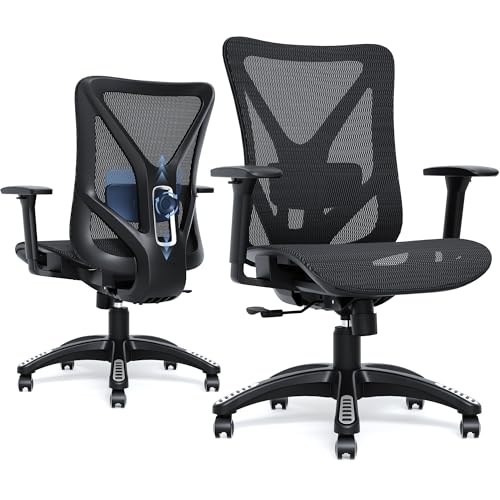
Midrange chairs add firmer foam, a separate lumbar support you can move, arms that adjust in at least two directions, and a smoother tilt lock. Parts feel sturdier, and warranties usually run longer. For most students this tier covers four years of school, and it is where spending stops showing clear daily gains for many buyers.
Premium Tier: Fit and Longevity at About $350 to $700
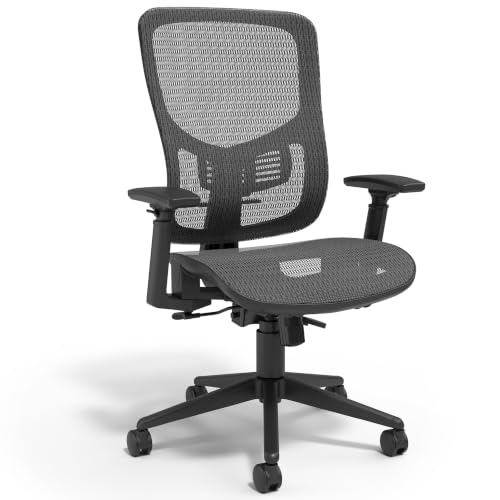
Premium chairs refine fit rather than add novelty. You get finer lumbar tuning, deeper arm adjustment, stronger frames, and parts rated for heavy daily use. This tier makes sense if you are tall or petite and standard sizes fit you poorly, or if you plan to keep the chair through residency.
Key Features to Compare
Compare features in the same order for every chair. The factors below decide comfort during a long study week far more than color or style.
Lumbar Support That Matches Your Back
Lumbar support fills the curve of your lower back so your spine keeps its natural shape while you read. A built in curve suits average builds, while an adjustable pad you can raise, lower, or press deeper fits more bodies. When a chair arrives, check that the support meets your belt line, not your shoulder blades. Persistent back or neck pain, numbness or tingling in your legs, or pain that travels down one leg needs prompt care from a doctor or another qualified professional rather than a new chair setting, so talk with your clinician about personal needs.
Seat Cushion, Foam Density, and Seat Depth
High density foam holds its shape under hours of sitting, while soft low density foam flattens within months and leaves you resting on the hard seat pan. A seat depth of about 17 to 20 inches suits most adults. Check fit by sitting fully back and sliding two fingers between the seat edge and the back of your knee. If the edge presses your legs, circulation suffers during long blocks.
Adjustable Armrests and Seat Height Range
Adjustable armrests let your shoulders relax while your forearms rest level with the desk, which reduces shrugging during long typing sessions. Height adjustment matters most, while width and angle changes help broader or narrower builds. Seat height should let your feet rest flat with knees near a right angle. For broader student seating in general, see our guide to the best chairs for students.
Mesh Back Versus Padded Upholstery
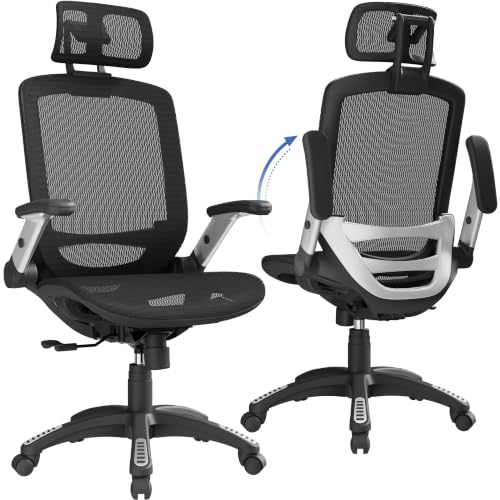
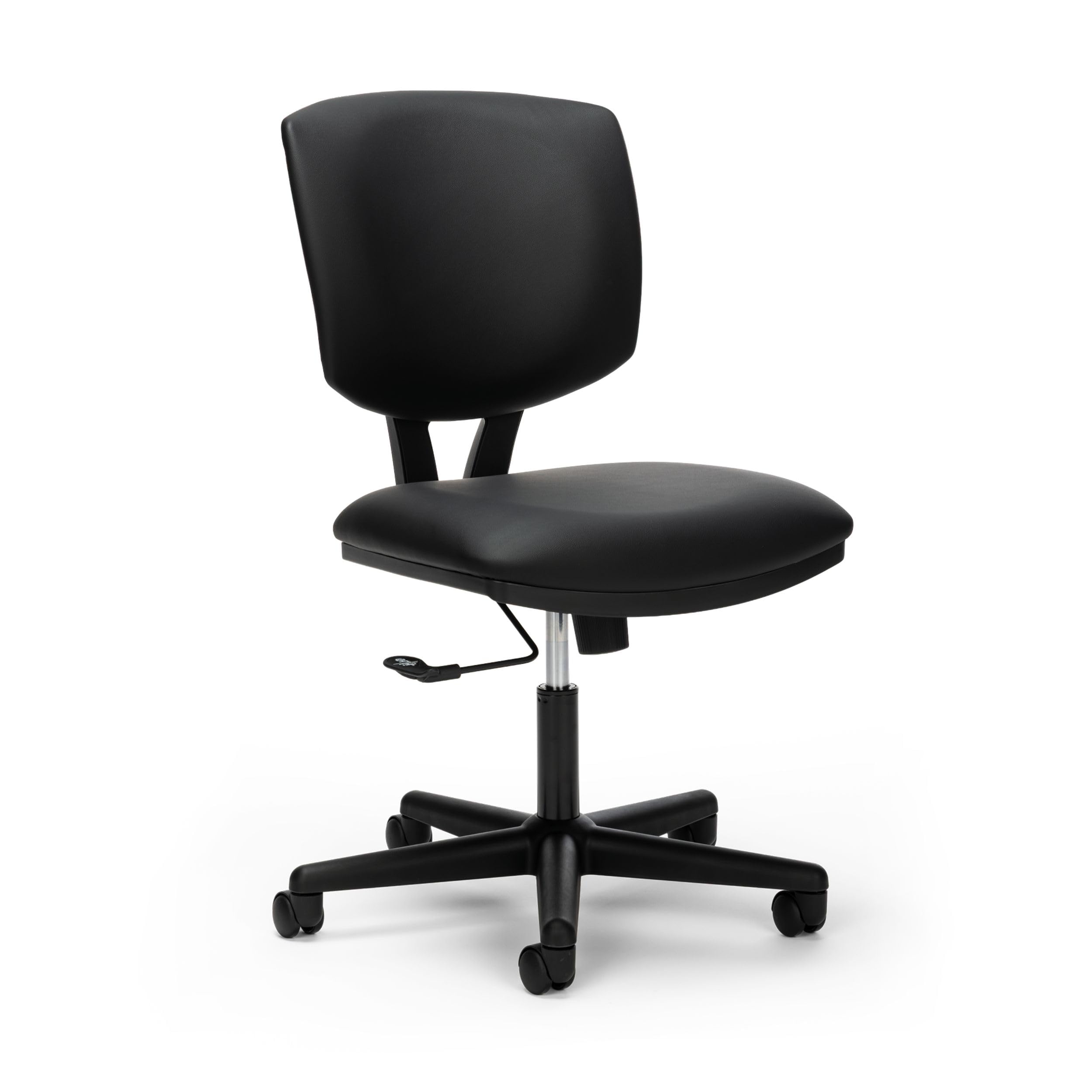
A mesh back breathes during warm months and flexes as you lean, which many students like in rooms without air conditioning. Padded fabric or faux leather feels warmer and softer at first touch, and it wipes clean after a coffee spill more easily than open mesh. Mesh can feel firm on a bare back, while thick padding can trap heat by hour three. Choose by your room climate.
Tilt Lock, Recline, and Weight Capacity
A tilt lock holds the backrest at a set angle, so you can lean back for review or lock upright for timed practice. Smooth recline with steady tension suits most students, and a stiff mechanism quickly becomes a daily annoyance. Check weight capacity before ordering, since ratings commonly run from about 250 to 400 pounds. Staying well within the rating protects the gas lift and frame. For a deeper look at desk focused options, see our guide to the best desk chairs for medical students.
Measure Your Desk and Room Before You Buy
Three quick measurements prevent most returns. First, measure from the floor to the underside of your desk, since many desks clear only about 27 to 29 inches and tall arms may not slide under. Second, note the floor area where the chair will roll. Third, check door width if the chair ships partly assembled. Keep the numbers in your phone for each listing.
Common Mistakes to Avoid
- Buying by looks alone, so a stylish chair with a flat back leaves you aching by the second study block.
- Choosing a seat that is too deep, so the front edge presses behind your knees and cuts circulation.
- Ignoring desk clearance, so fixed tall arms keep the chair from sliding under your desk at night.
- Spending the whole budget on the chair, so no money remains for a simple footrest or desk lamp you also need.
- Skipping the return window check, so a poor fit becomes permanent once the trial period ends.
- Setting the chair once and never again, so early settings start to strain your neck weeks later.
Care, Maintenance, and Long Term Costs
Wipe fabric and faux leather with a damp cloth each week, and vacuum mesh with a soft brush so dust does not grind into the weave. Tighten arm and back bolts after the first month, since new chairs settle as parts compress. Keep the chair out of direct sun where you can, because steady heat dries foam and fades upholstery.
Plan for small costs beyond the purchase price. Casters wear on hard floors and are cheap to swap, a gas lift can lose height after years of daily use, and a longer warranty often covers those parts on midrange and premium chairs. Budget a modest amount across your training for one or two part swaps instead of a full replacement.
Frequently Asked Questions
How often should medical students stand up from a study chair?
Stand up every 30 to 50 minutes, even for one minute. Short movement breaks restore blood flow and reset your posture more effectively than any single chair setting. Walk to refill water and look across the room to rest your eyes. A small timer works better than willpower during a dense review block.
Do medical students need a headrest on a study chair?
Most medical students do not need a headrest for upright study work. A headrest helps during reclined review or audio lectures, and it adds cost and bulk the rest of the time. If you often lean back to listen, choose one that adjusts in height or can be removed.
What desk height pairs well with a chair for medical students?
Most desks stand about 28 to 30 inches high, and your chair should raise you until your elbows rest near desk level with shoulders relaxed. If your feet leave the floor at that seat height, a simple footrest closes the gap. This pairing matters more than chair price, since a level keyboard keeps your wrists neutral.
Is a premium study chair worth it for medical students in a short rental?
A premium chair is rarely worth it for a rental of one year or less. Moving costs and resale effort eat the gains from finer adjustment. A solid midrange chair that you can sell or donate locally usually serves a short stay better, and the savings can fund exam resources instead.
How long should a study chair last for medical students through training?
A midrange or premium study chair should last through four years of school and into residency. Early wear signs include a seat that stays compressed, casters that drag, and a lift that sinks slowly under weight. Replace worn casters promptly, since dragging wheels scratch floors and make the base rock.
Final Thoughts
Choose by fit first, tier second. Confirm lumbar support at your belt line, a seat depth that clears your knees, and arms and height that match your desk, then let your budget pick the tier. When those basics line up, the best chairs for medical students fade into the background of a long study day. Compare your short list against the product table above before you order.