
Best Chairs for Fire Pit Seating: A First Time Buyer's Guide for 2026
Disclosure: We may earn a commission when you buy through links on this page, at no extra cost to you. As an Amazon Associate I earn from qualifying purchases. Learn more

Shopping for the best chairs for fire pit seating for the first time? Learn the terms, compare options, and avoid rookie mistakes with this easy guide.
Buying seats for a fire pit feels simple until you picture the first real evening. You need chairs that stay steady on your ground, keep you at a comfortable distance from heat and sparks, and still feel relaxed after an hour outdoors. The best chairs for fire pit seating match your surface, your group size, and how you store seats between fires. This guide uses the comparison table below to turn those basics into a clear choice.
Think of this seating as lounge seating with extra demands. Heat is on one side, the ground is often grass or gravel, and people shift closer as the night cools. A dining chair may sit too upright or sink into soil.

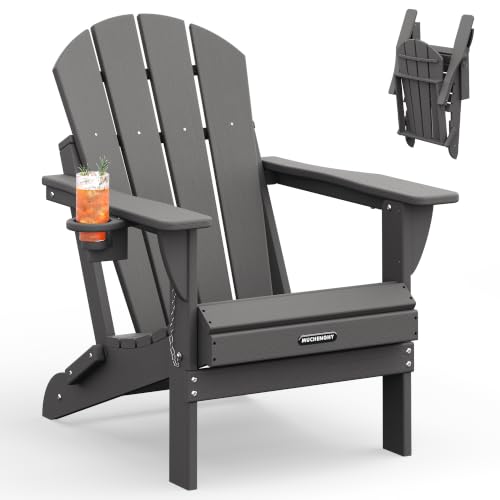
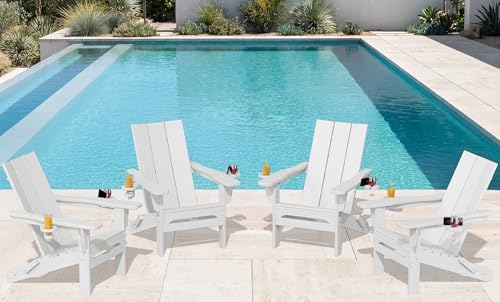


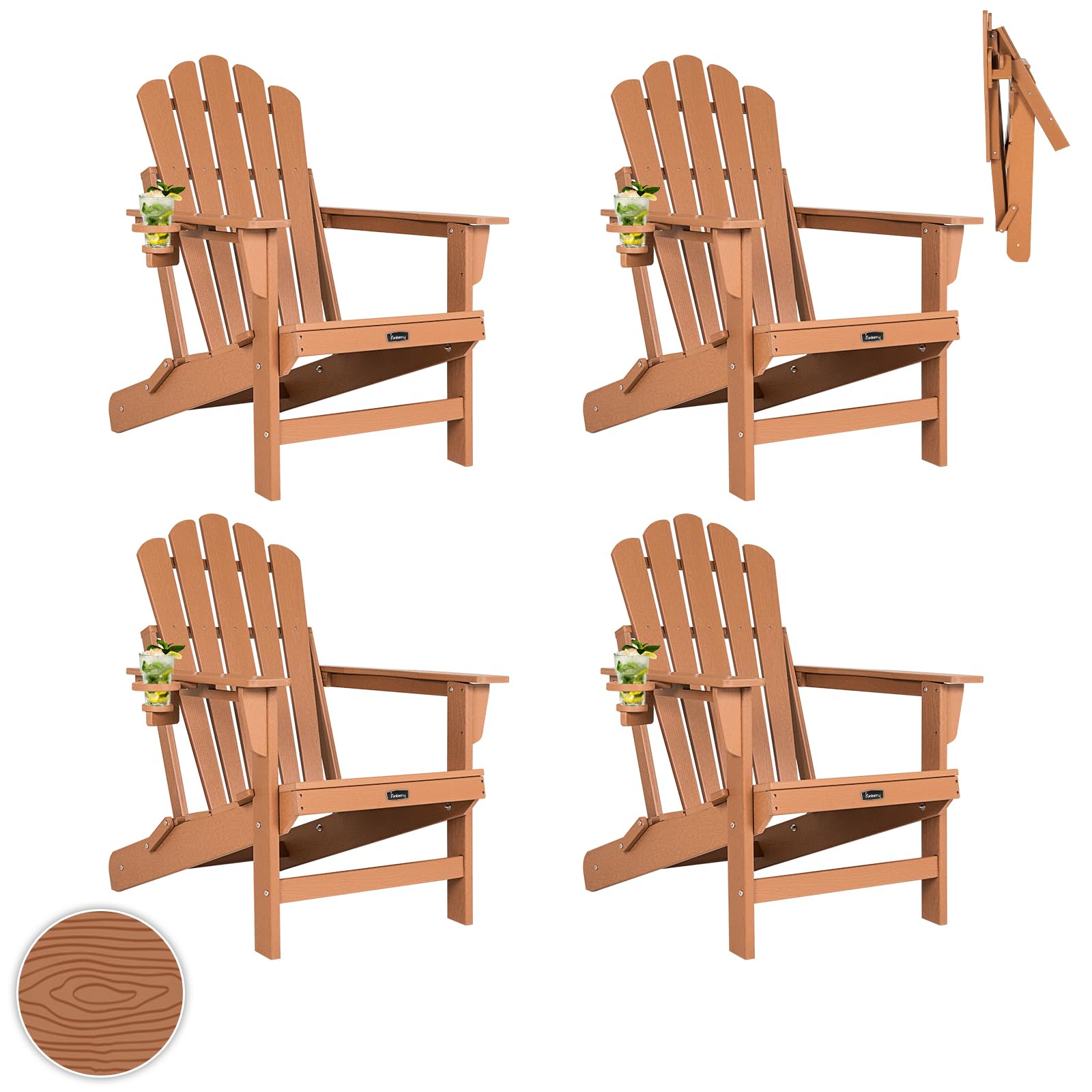
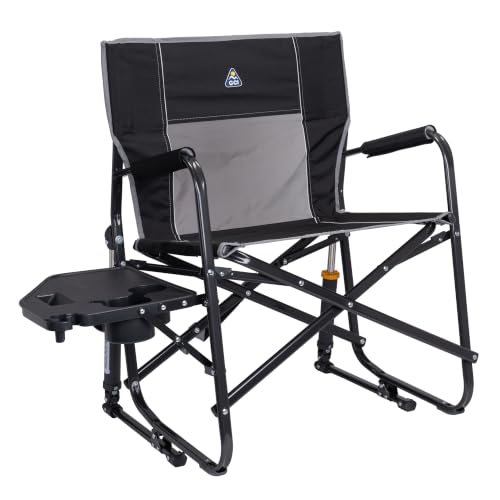

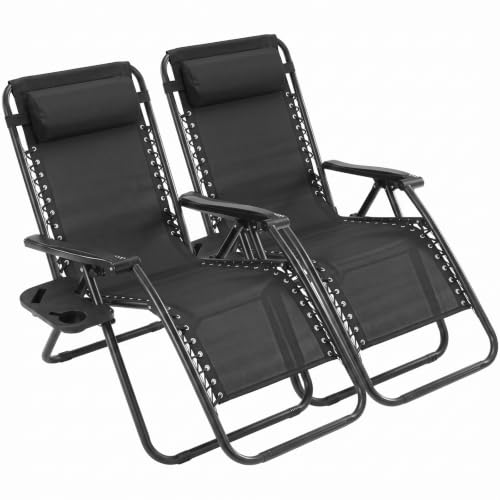
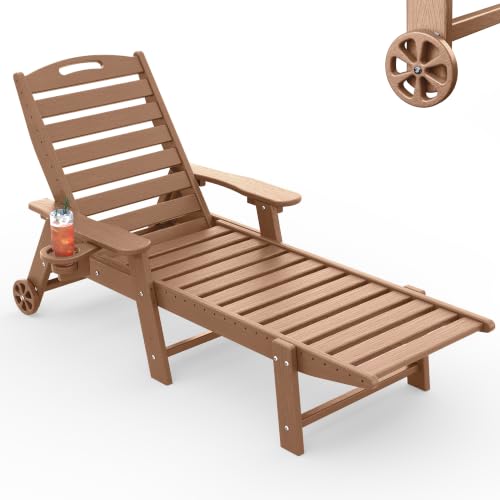
Who Should Buy Which Fire Pit Chairs?
Start with the spot where the chairs will live most nights. Your surface and usual group size narrow the field faster than color.
Homeowners Building a Fixed Ring on Pavers or Stone
You can choose heavier seats that stay in place through a season. Wide arms, a deep seat, and a reclined back suit long talks around a steady fire. If that classic low lounge shape appeals to you, see our guide to the best adirondack chairs for fire pit. Leave walking room behind each chair so guests can pass safely.
Families Who Host Changing Groups in the Backyard
You need a core set for regular use plus lighter seats you can add when cousins or neighbors join. Stacking or folding extras store in a shed and come out when the circle grows. For layout ideas for lawns and mixed surfaces, see our guide to the best chairs for backyard fire pit. Choose one finish across sets so added seats still look planned.
Renters and Campers Who Need Portable Seats
You need chairs that fold flat, ride in a car, and set up in minutes on ground you do not control. A folding frame with wide feet handles grass at a campsite or a rented yard. Weight matters here, so weigh comfort against the walk from car to fire. A carry bag keeps ash and soil off car seats.
Key Features to Compare
Compare the best chairs for fire pit seating in this order, because a steady chair is still the wrong buy if it does not fit your body or your circle.
Frame Material and Resistance to Heat and Sparks
Material decides how a chair handles heat, embers, and weather. Powder coated steel feels strong and costs less, though chips can let rust start near damp ground. Aluminum weighs less and resists rust, which suits seats you move often. Hardwoods such as acacia feel solid but need sealing to hold color. Resin shrugs off rain, yet keep every material at a safe distance, because direct heat can warp or scorch any finish.
Seat Height, Seat Depth, and Back Angle
Fire pit chairs usually sit lower than dining chairs, with seat heights around 12 to 16 inches and a back that leans you toward conversation. A deep, low seat feels restful, but it can be hard to leave if your knees or hips complain. Taller seats around 16 to 18 inches with firm arms make standing easier. Test height in your usual outdoor shoes, since thick soles change how flat your feet rest.
Stability on Grass, Gravel, and Pavers
Stability starts where the legs meet the ground. Wide flat feet and sled style bases spread weight on grass and gravel, while narrow pointed legs can sink and leave the chair rocking. On pavers, look for feet that will not catch in gaps between stones when you shift. Cross bars between the legs add stiffness and stop the wobble that makes guests grip the arms. On sloped ground, shorter and wider frames feel steadier.
Weight Capacity and Frame Joints
Most adult fire pit chairs carry ratings around 250 to 350 pounds, and that number should cover the sitter plus a child on a lap or a heavy coat. Welded joints and through bolts tend to outlast small screws where arms meet legs, since those points take your weight each time you stand. Check the rating for the whole chair, because fabric and arm joints can be the weak points. Leave a clear margin instead of buying right at your weight.
Comfort for Long Evenings Around the Fire
Comfort outdoors comes from support, not thick padding alone. A shaped back that follows your lower back lets you sit longer without sliding forward, and wide flat arms hold a drink or give you a push point when you stand. Thin quick drying cushions suit fire use better than deep indoor style pads, since they hold less water and move easily away from sparks.
Chair Size and the Space Each Seat Needs
Plan the circle before you count chairs. Each seat needs about 24 to 30 inches of width at the arms, plus elbow room so guests are not trading space. Measure the ring at arm height, because wide arms and reclined backs take more room than the feet suggest. Prices run about $40 to $120 for folding seats and about $120 to $300 for solid lounge chairs, so pay for frame strength before trim.
How to Lay Out a Safe Fire Pit Seating Circle
Place the pit first, on level ground and clear of branches, fences, and stored wood, then build the circle around it. Follow the fire pit makers guidance and your local rules on open fires, and keep a clear path behind the chairs. For paved spaces, our guide to the best patio chairs for fire pit covers styles that suit stone and concrete. Set chairs where heat feels warm without making you lean away.
Keep cushions and blankets well away from the rim, and never leave a fire unattended. A burn that blisters, covers a large area, affects the face, hands, or a joint, or looks pale and feels numb needs urgent medical care. A child with more than a small red patch should be seen promptly, and you should talk with your clinician about personal care after any burn.
Do a first night check before you invite a crowd. Light a small fire, sit in each seat, and note which spots catch smoke and which legs settle. Adjust the ring while the group is small.
Common Mistakes to Avoid
Most first time regrets come from placing indoor habits outdoors.
- Placing chairs so close that heat scorches fabric and makes guests lean back.
- Buying deep low seats for older guests who then struggle to stand.
- Using narrow legged chairs on soft grass, so the back feet sink and twist.
- Choosing thick cushions that hold rainwater and stay damp for days.
- Filling the circle with too many chairs, leaving no safe path behind seats.
- Leaving ash covered chairs beside the pit, where wind blows grit into joints.
Care and Maintenance for Fire Pit Chairs
After each fire, let the chairs cool fully, then brush ash and grit off seats, arms, and joints. Ash holds moisture against metal and wood, so this wipe matters. Wash fabric or resin with mild soap and water, rinse well, and let everything dry before you add cushions back.
Store seats under a cover or in a shed during long wet spells, and stand cushions on edge so water drains. Once a season, tighten bolts, check welds for cracks, and touch up chipped paint on steel before rust spreads. Retire a chair with a cracked leg or torn load bearing fabric.
FAQ
What features matter most in chairs for fire pit seating on a first purchase?
Start with a steady frame, a safe distance from heat, and a seat height you can leave without help. Those points shape every evening, while color shapes only the first impression. If your budget forces a trade, spend on joints and ground contact first. One extra tip is to buy two chairs, try them for a few fires, and complete the set once the size proves right.
How long should a good fire pit chair last outdoors?
A good fire pit chair should last about five to ten years outdoors with basic care. Metal frames kept dry and wood sealed on schedule tend to reach the upper end of that range. The first parts to fail are usually fabrics and arm joints rather than legs. Storing chairs out of standing water over winter helps most.
How do I choose the right size fire pit chair for my space?
Choose the size by measuring your ring and counting real guests, not the largest party you can imagine. Mark each seat on the ground with a towel at arm width, then walk behind the marks to test the path. If the path feels tight with empty marks, it will feel worse with people seated. Smaller chairs you can add later beat oversized seats.
Is an expensive fire pit chair worth the extra cost?
An expensive fire pit chair is worth it when the money buys a stronger frame, better weather resistance, and a seat shape you will enjoy for years. It is not worth it when the price only buys a designer finish on the same thin joints. Compare weight ratings and joints before colors. Heavy chairs also cost effort each time you move them.
Can I leave fire pit chairs outside all year?
You can leave sturdy metal or resin fire pit chairs outside all year in mild climates, but covers and dry storage still extend their life. Snow, standing water, and constant sun fade fabric and stress joints in the off season. Wood chairs fare worst uncovered, since repeated soaking and drying opens cracks at joints. If space is tight, store cushions indoors and stand frames under an overhang.
Wrapping Up
For your first set, put safety and fit ahead of style. Choose a frame material that suits your weather, a seat height you can stand from with ease, and feet that stay steady on your ground, then size the circle so everyone has room. Use the product table above to check those points.
When you shop for best chairs for fire pit seating with that short list in hand, the choice gets simple. Buy the steadiest chairs your budget allows, set them at a sensible distance, and let early fires teach you the adjustments your yard needs.

