
Best Chairs for Digital Artists: Every Type Explained Side by Side for 2026
Disclosure: We may earn a commission when you buy through links on this page, at no extra cost to you. As an Amazon Associate I earn from qualifying purchases. Learn more
Compare the best chairs for digital artists by type, comfort, sizing, and build quality, with clear guidance for long drawing and editing sessions.
Choosing a chair sounds simple until you compare types and realize each one suits a different way of working. Digital artists lean toward a tablet, sit back to judge color, and perch forward for fine detail, often in the same hour. The best chairs for digital artists support all of those positions without fighting you, and this guide compares each type side by side.
Below you will find what each type does well, where it falls short, and who it suits, plus the sizing and build details that matter once you narrow the field. Use the comparison table below to scan current options, then read the sections that match your studio and budget.


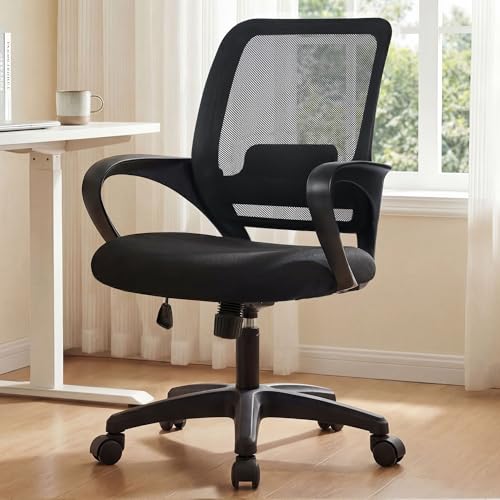
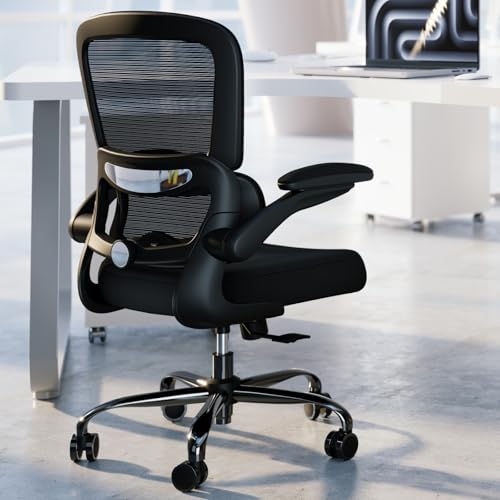
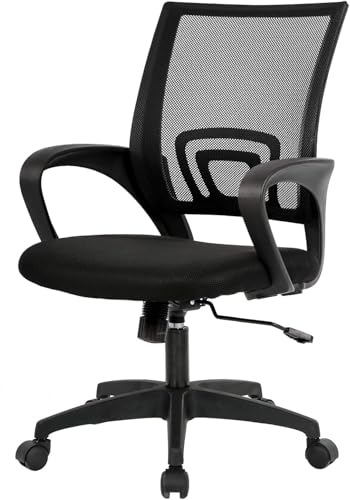

Types of Chairs Compared
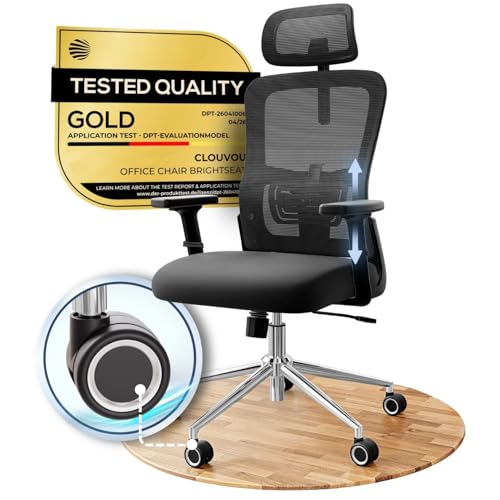
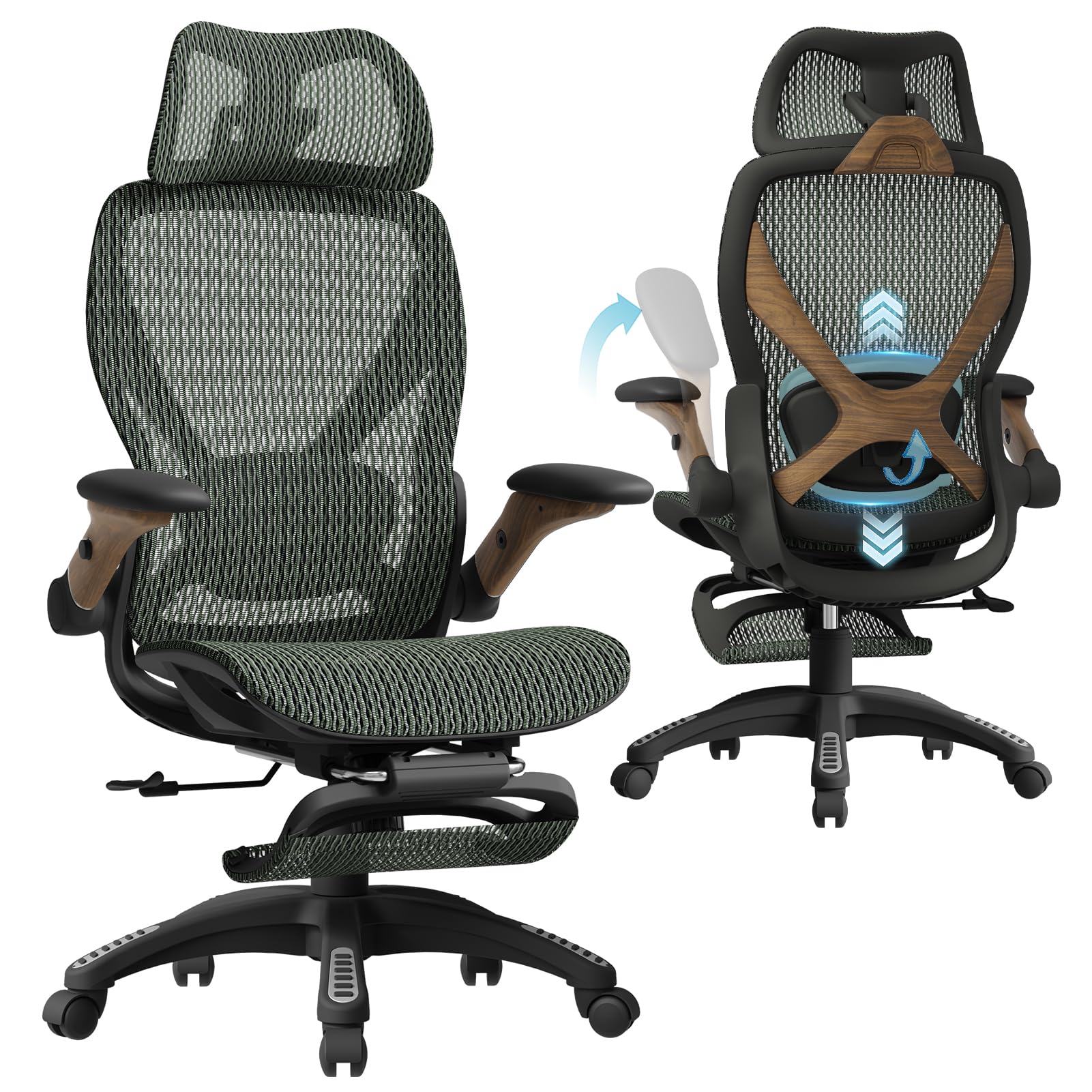
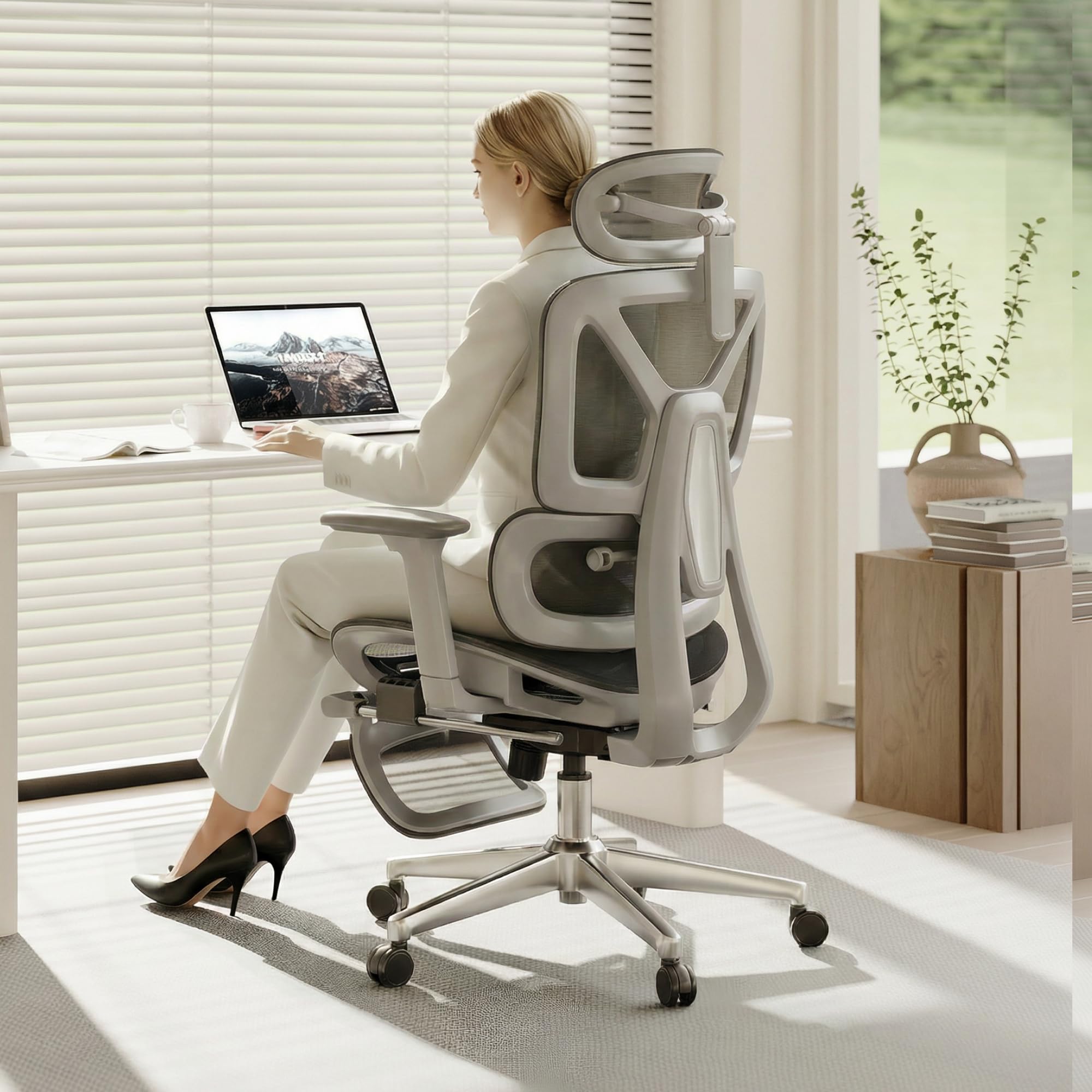
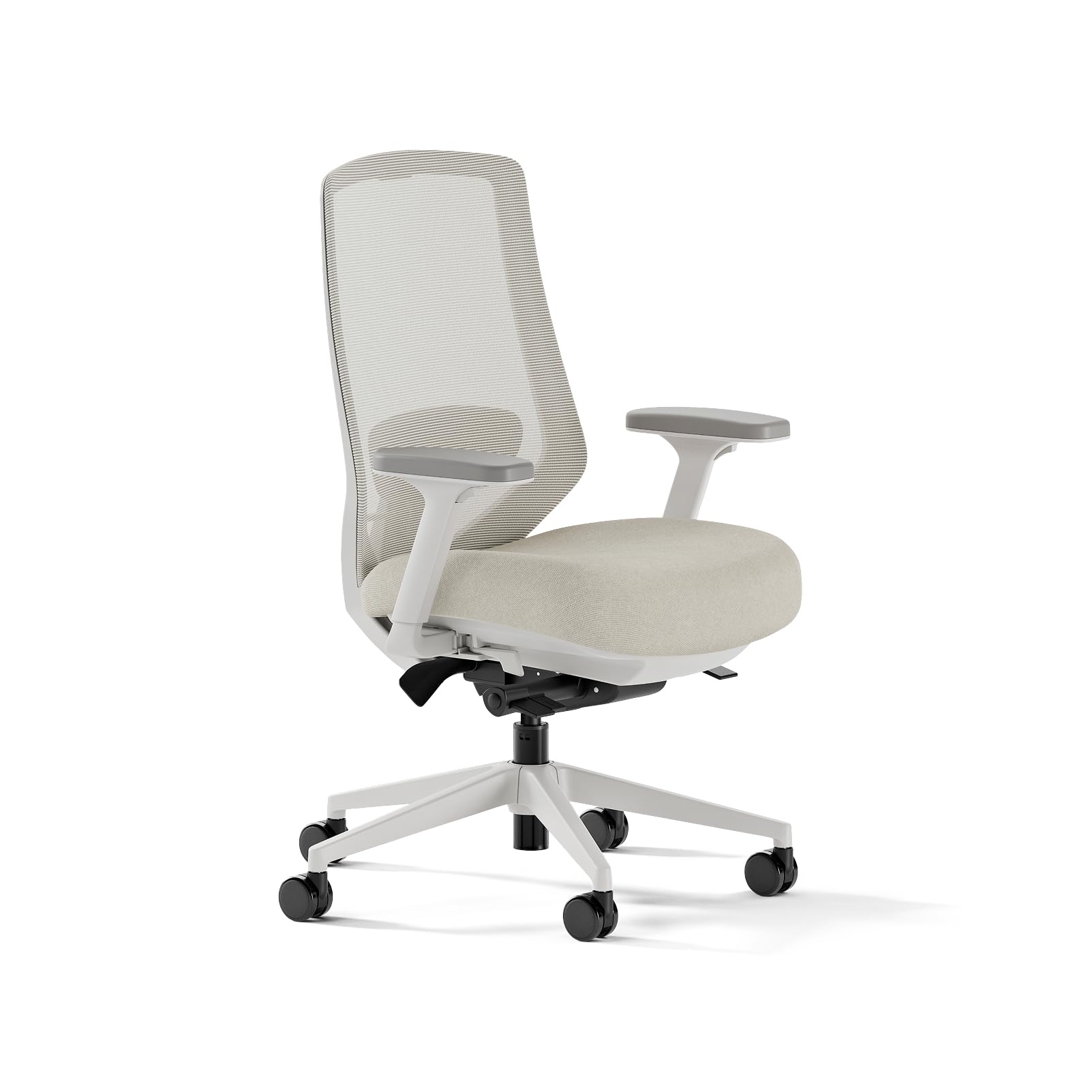
Chair types differ mainly in how much adjustment they offer, how the back and seat support you, and how much room they need. The product table above gives a quick scan of current options, while the three groups below explain what living with each type feels like. No type wins at everything, so match the strengths to your hours.
Premium and Executive Models
Premium and executive models are built around wide seats, tall backs, and thick high density foam, often with a steel frame and a smooth tilt mechanism. They feel planted and quiet, and the padding suits artists who sit back to review work or take client calls at the same desk. Weight capacity tends to be higher, and finishes suit a client facing studio. Expect to pay around $500 on average.
The trade offs are size, cost, and heat. These chairs can crowd a small room, the plush seat can feel warm in summer, and deep padding sometimes encourages a slouched posture during detail work. Choose one if you want a substantial feel and support for longer, relaxed sitting rather than constant position changes.
Budget Models
Budget models cover the basics with a molded foam seat, a simple mesh back or padded back, and a standard gas lift. Most give you seat height adjustment, a basic tilt with tilt lock, and fixed or height adjustable armrests. For students, hobbyists, and anyone setting up a first studio corner, that short list may be enough, especially if you take regular breaks. Prices usually stay under $200.
Where they save money shows up over time. Thinner foam compresses sooner, armrest padding is minimal, and the tilt action can feel notchy. A budget chair makes sense when sessions are shorter or you would rather spend more on your tablet and monitor now and upgrade the chair later.
Compact and Space Saving Models
Compact models shrink the footprint with a narrower seat, a lower back, and sometimes arms that flip up so the chair slides fully under the desk. They suit dorm rooms, shared apartments, and small home studios where the chair must disappear between sessions. Many still include a mesh back and lumbar support, so small does not mean unsupported. Prices often land around $200.
The limits are room to move. A narrow seat restricts cross legged sitting and position shifts, and a shorter back gives your shoulders nothing to rest against. Pick this type if floor space is your tightest constraint and sessions are moderate in length.
Premium and Executive Models vs Budget Models: Which Should You Choose?
Set side by side, these two groups differ on four points. First, cushioning: premium foam holds its shape for years, while budget foam can flatten within a year or two of heavy use. Second, adjustment: executive models more often add seat depth control, richer tilt settings, and four way adjustable armrests, while budget models usually stop at height and one tilt lock position.
Third, build: steel frames and higher rated gas lifts feel steadier than the nylon bases common at low prices. Fourth, cost over time: a budget chair replaced twice can cost as much as one premium chair, though that math only helps if you have the money up front. If you draw full time, lean premium. If you draw a few evenings a week, a sound budget model will serve you well.
How to Choose the Right Chair
Type gets you to a short list. The details below decide which of the best chairs for digital artists fits your body and your desk, so work through them before you order.
Build Quality and Frame
Start with the parts that carry your weight all day. A steel or aluminum frame and a metal base feel more stable than all nylon construction, especially when you lean back or swivel. Look for a Class 4 gas lift, the stronger rating used in better chairs, because the lift is the part most likely to fail first, and a sinking seat ruins your desk height match.
Check the stated weight capacity and give yourself margin rather than sitting right at the limit, since capacity affects how solid the chair feels when you shift around. Casters matter too. Soft roller style wheels are kinder to hard floors, while standard hard casters suit low pile carpet. A chair that wobbles from week one rarely gets better.
Style and Room Fit
Measure before you fall for a look. Note the chair width against your desk opening, the back height against any low shelves, and the floor space you need to roll back without hitting a wall. In a small studio, a chair that tucks under the desk can return several square feet of usable floor every day.
Then consider how the chair reads on camera if clients visit or you stream your process. A mesh back looks light and keeps air moving, while leather style upholstery reads formal and wipes clean after messy traditional media work nearby. Neutral colors age best as your studio changes. If you are comparing seating for a shared creative space, see our guide to the best chairs for artists for how general studio seating differs from desk focused options.
Ergonomics and Adjustability
Ergonomic value comes from adjustments you will actually use. Seat height should let your feet rest flat with your knees near a right angle and your desk edge just below elbow height. Lumbar support should meet the curve of your lower back, ideally with depth or height adjustment, because fixed bumps land in the wrong spot for many bodies. Skip adjustments you know you will never touch.
Tilt with a tilt lock lets you recline slightly while reviewing work and lock upright for detail, and tension control keeps that recline smooth. Adjustable armrests help with a pen display, since you can drop them low or swing them aside so your drawing arm moves freely. If you develop persistent back pain, numbness, or tingling that does not ease with breaks, talk with your clinician rather than expecting a chair alone to solve it.
Features That Matter for Digital Artists
Digital work creates a specific sitting pattern. You lean in close over a pen display for line work, sit tall at a desk tablet for coloring, then lean back to judge the whole canvas. A chair with a free tilt range and a back that follows you supports that cycle better than a stiff chair that holds one pose.
Breathability matters more than many buyers expect, because rendering, streaming, and warm lights raise room temperature. A mesh back keeps air moving where padded vinyl traps heat. Also check seat depth against your thighs, keeping a small gap behind your knees. Too deep a seat pushes you into a slouch, and too shallow a seat leaves your legs unsupported.
Warranty and Return Policy
Read the warranty in parts rather than as one headline number. Frames often carry the longest coverage, gas lifts and mechanisms sit in the middle, and foam and fabric usually carry the shortest terms. A long headline means little if the lift that does the daily work is covered only briefly. Save your order details in case you ever need them.
Return terms matter just as much, because comfort is personal and hard to judge from a listing. Look for a trial window long enough to cover several real work sessions, and check who pays return shipping on a large boxed item. Keep the box until the trial ends. If your work also involves long hours at a conventional office desk elsewhere, see our guide to the best officer chairs to compare how office focused models handle adjustment and coverage.
Chairs for Specific Needs
Two search phrases come up again and again from digital artists, and each points at a slightly different priority.
Best Desk Chairs for Digital Artists: Which Type Works Best
When people search for the best desk chairs for digital artists, the focus is the desk setup itself: tablet angle, monitor height, and elbow position over hours of drawing. Prioritize a seat height range that matches your desk, a seat depth that suits your legs, and arms that move aside for pen work. Mesh and mid priced ergonomic types usually win here.
Your wider setup matters too. A chair can only do its job if the screen and tablet are placed well. If you are building the whole workstation at once, see our guide to the best laptops for digital artists for help choosing the machine that drives your displays. Keep cables clear of the chair base so rolling never snags your gear.
Best Computer Chairs for Digital Artists
Searching for the best computer chairs for digital artists usually signals long mixed sessions: drawing, editing, writing, and video calls at one screen. Here breathability and easy swivel matter more, and a headrest can help during reading breaks. A flexible mesh back type tends to suit this pattern well.
Artists who split time between screen work and hands on crafts sometimes compare across trades. If that sounds familiar, see our guide to the best chairs for tattoo artists for seating built around leaning in close for precision work. Back at your own desk, favor smooth casters and a stable five star base, since computer focused days involve constant small movements.
Care and Maintenance Tips
A few small habits keep a chair supportive for years. Set the seat height so your feet rest flat each time you change shoes or share the chair, since quick height drift quietly undoes your careful setup. Tighten the bolts under the seat and at the armrests every few months, because daily swiveling loosens them slowly and a small wobble grows if ignored.
Vacuum fabric and mesh weekly with a soft brush tool to lift dust and pencil shavings out of the weave, and wipe vinyl or leather style surfaces with a damp cloth so skin oils do not dry the finish. Lift rather than drag the chair across hard floors to protect the casters. When foam feels flat or the lift sinks on its own, note it early, since both often fall under warranty.
Chairs for Digital Artists: Your Questions Answered
What features matter most in a chair for digital artists?
Adjustable lumbar support, seat height range, and tilt with a lock matter most, because they let you match the chair to your desk and shift posture through the day. One point buyers often miss is armrest clearance for a pen display. Choose arms that lower fully or swing away, since a fixed high arm can lift your shoulder while you draw.
How long should a chair for digital artists last?
A well built chair should last about seven to ten years, while budget models often feel tired after two to four years of daily use. The gas lift and foam usually age first. If you add a cushion to fix comfort, the foam has likely compressed past its best, and replacing the lift can buy time before a full replacement.
Is an expensive chair for digital artists worth the cost?
An expensive chair is worth the cost if you sit six or more hours a day and the extra money buys adjustments your body needs, such as seat depth control or stronger lumbar support. It is harder to justify for weekend hobby use. Consider cost per year rather than sticker price.
How do you choose the right size chair for digital artists?
Measure your body and your desk, then compare both against the listed seat width, seat depth, and height range. Sit with a gap of about two fingers behind your knees and your feet flat. One extra check many buyers skip: measure the space between your desk legs, since a chair with wide arms may not slide in even when the seat fits.
What features matter most in a chair for digital artists during long drawing sessions?
For long sessions, seat edge shape and breathability rise to the top, because pressure and heat build slowly over hours. A waterfall front edge and a mesh back help more at hour five than at minute five. Build in movement as well: set a timer to stand every thirty to fifty minutes, since any posture grows tiring when held without change.
Final Thoughts
Start with type, then size, then build. Pick the chair family that fits your space and session length, confirm the seat dimensions against your body and desk, and favor a strong frame and lift over decorative extras. The product table above can refresh your short list anytime.
Comfort while you create is part of your toolkit, like your tablet and your screen. Choose the best chairs for digital artists for the way you truly work, set it up carefully on day one, and it will quietly support years of drawing and editing.


