
Best Chairs for Chair Yoga Made Simple: A Clear Buying Guide for 2026
Disclosure: We may earn a commission when you buy through links on this page, at no extra cost to you. As an Amazon Associate I earn from qualifying purchases. Learn more

New to buying chairs? Our simple guide to the best chairs for chair yoga explains the basics, key specs, and smart buying tips for your first purchase.
Buying your first chair for a yoga practice can feel confusing, because a chair that suits a dining table may wobble, roll, or crowd your arms during a seated twist. This guide starts with the basics and walks you through each spec in plain English. By the end, you will know what makes the best chairs for chair yoga stable, comfortable, and easy to live with at home.
You do not need to learn a long list of product names or pay for features you will never use. You only need a steady seat, the right height for your body, and room to move your arms and legs freely. Use the comparison table below to check the basics side by side as you read. Every section below is written for the best chairs for chair yoga, so you can jump to the part that matches your situation.

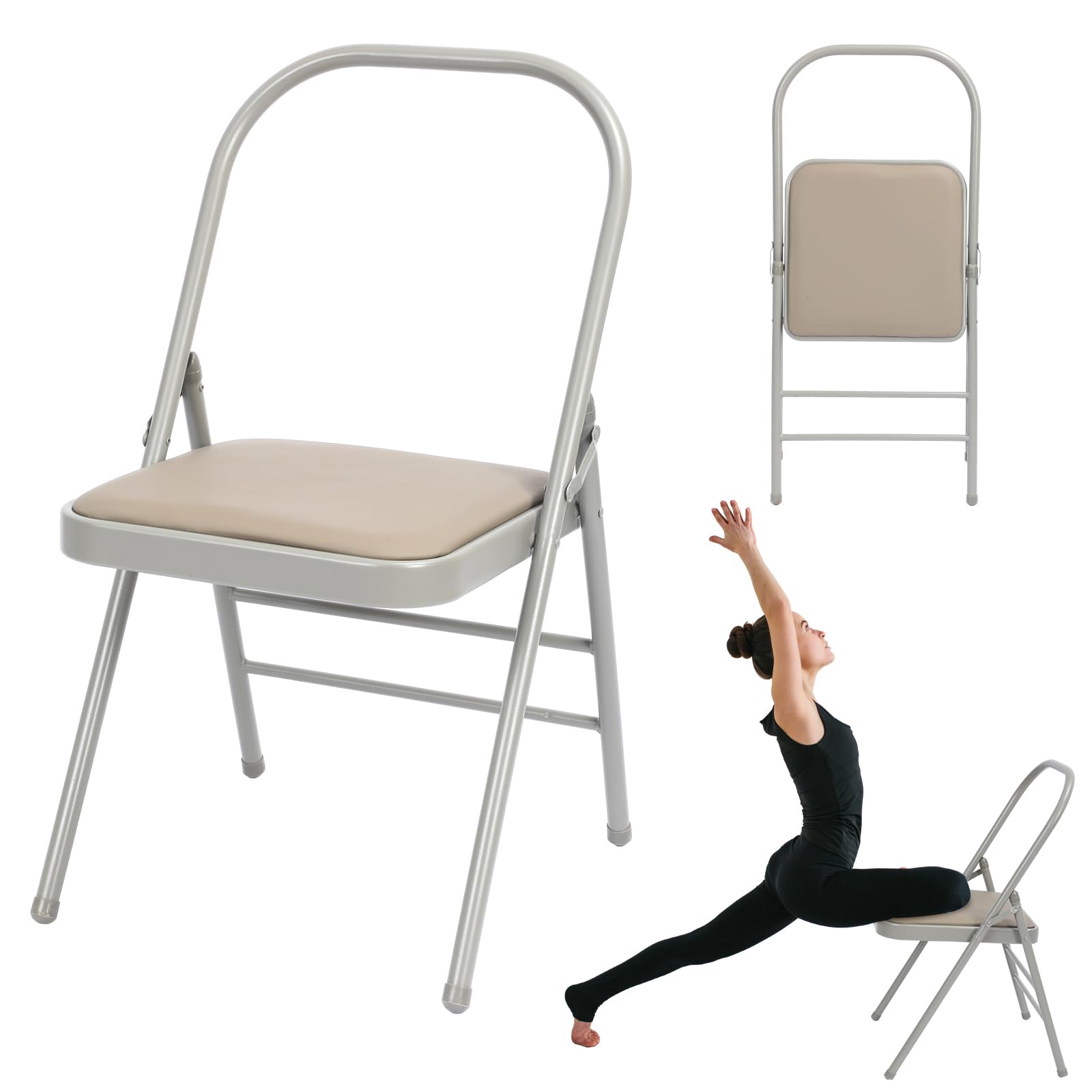
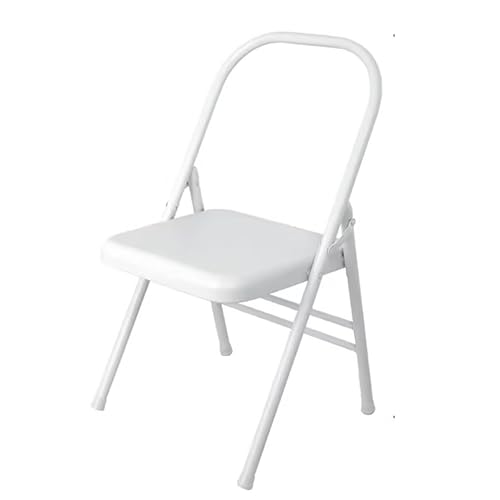

Chairs 101: The Basics for New Buyers
Chair yoga is a gentle form of yoga done while seated on a chair or while standing and using the chair for balance. The chair replaces the floor for many poses, so people who find floor work hard on the knees, hips, or balance can still stretch and strengthen safely. Because the chair carries much of your weight, it acts as equipment, not just furniture.
That role explains why stability matters more here than softness or style. A good practice chair stays planted when you press your feet down, lean into a side stretch, or hold the back for support during a standing pose. It should not roll, tilt, creak, or slide on your floor, and its back should feel solid when you grip it with both hands.
A few terms will help as you shop. Seat height is the distance from the floor to the top of the seat, and seat depth runs from the front edge to the backrest. Weight capacity is the most weight the maker says the chair can hold safely. You will also see words like ergonomic, which simply means shaped and adjustable to support your body with less strain.
Some readers wonder about ball seats, which trade stability for constant small balance work. They serve a different purpose, so if you are curious about that style for desk time, see our guide to the best yoga ball chairs and compare it with the steady support a practice chair gives. For chair yoga itself, a firm and still seat is the safer starting point.
Key Specs Explained in Plain English
A chair listing can look technical, but each line answers a simple question about your practice. Does the seat fit your legs, can your arms move, will the frame hold steady, and will the surface stay comfortable? The five sections below translate those lines into choices you can make with confidence, even on your first purchase.
Features That Matter for Chair Yoga
Freedom to move is the feature that sets this purchase apart from ordinary seating. During seated twists, forward folds, and shoulder stretches, armrests can block your elbows and sides, so many people prefer no arms at all. If you want arms for sitting down and standing up, choose adjustable armrests that lift up and out of the way or remove fully before practice.
Wheels are the second point to settle early. Casters that glide nicely at a desk can drift during a pose, which breaks your focus and can strain a knee or ankle. Pick a chair with four fixed legs, or one with locking casters you can set and check each time. A tilt lock also helps on adjustable models, since it keeps the back from leaning while you press against it for support.
Ergonomics and Adjustability
Ergonomic models earn their name through small adjustments that match the chair to your body. Seat height that moves lets you set your feet flat with knees near a right angle, the base position for most seated poses. Lumbar support, a gentle curve or pad at the lower back, helps you sit tall through longer breathing and meditation segments without slumping.
If your chair will also serve at a desk, those adjustments do double duty and make the purchase easier to justify. Many people who split time between work and practice look at ergonomic seating in our guide to the best office task chairs for ideas on adjustability. Just confirm that any desk chair you consider can lock its wheels and tilt before you trust it in a pose.
Build Quality and Frame
The frame decides how steady the chair feels and how long it keeps that feeling. Steel frames tend to flex less than thin plastic or light wood, and strong joints matter as much as the material itself. On adjustable models, look for a class 4 gas lift, the sturdiest common rating for the column that raises and lowers the seat, plus a wide base that resists tipping.
You can learn a lot from build details like weld quality, bolt size, and how the legs meet the floor. For practice, press down firmly on the seat and back in the store or right after delivery, and return any chair that rocks or squeaks under simple pressure.
Size, Dimensions, and Weight Capacity
Start with your own measurements instead of the room alone. Sit with your feet flat and note the height from the floor to the back of your knee, then choose a seat height at or just below that number, often about 17 to 19 inches for adults. Seat depth should leave a small gap behind your knees, so blood flow stays comfortable during longer holds.
Next, measure the space where you will practice, allowing room on all sides for arm sweeps and leg extensions. Compact space saving models suit small rooms, while standard frames give taller or larger users more support. Always check the weight capacity and stay well within it, since shifting and leaning during poses puts uneven loads on the frame. A margin above your weight adds safety and usually signals a stronger build.
Materials and Upholstery
The seat surface affects grip, warmth, and how easy the chair is to clean after practice. A mesh back breathes well and keeps you cooler through a full session, while fabric seats offer gentle friction that helps you stay in place during twists. Smooth covers can feel sleek, but some users find them slippery when legs press forward in a fold.
Cushioning matters too. High density foam holds its shape and support far longer than soft, thin padding that flattens within months. If you practice in socks, check whether your feet and seat stay put rather than sliding, since small slips change your alignment.
Rookie Mistakes to Avoid When Buying Chairs for Chair Yoga
Most first time regrets come from buying a chair for how it looks in a room rather than how it behaves in a pose. The mistakes below are the ones new buyers mention most, and each one is easy to prevent once you know to look for it.
- Choosing a chair on wheels without locks, so the seat drifts mid pose and your joints absorb the sudden shift.
- Buying fixed tall armrests that block twists and shoulder work, so half the routine becomes cramped and shallow.
- Ignoring seat height, so your feet dangle or your knees ride too high and your posture suffers through every pose.
- Skipping the weight capacity check, so the frame flexes, loosens, and wears out far sooner than it should.
- Picking a plush, deep seat that feels cozy for lounging, so your base sinks and balance work turns wobbly.
Travel and storage tempt some new buyers toward the lightest option they can find. Folding frames can work well when they lock firmly, and our guide to the best folding chairs for yoga covers that style in depth. Whichever route you take, check the lock and leg spread before your first full session.
Getting Started: Setup and First Use
Unbox the chair on a clear floor and lay out every part before you tighten anything. Follow the included directions in order, then go back and snug each bolt a second time once the chair stands level. Sit down slowly, shift your weight from side to side, and stand while holding the back, all before you begin any pose.
Set the chair on a flat, firm surface with space around it, and adjust the seat height so your feet rest flat with knees comfortable. Keep the area free of clutter you could reach during a stretch, and place a mat or rug under the legs if your floor is slick. The product table above can help you confirm which models offer the height range and locking features you need for this setup.
Begin with simple seated movements, such as gentle neck turns, shoulder rolls, and easy side bends, before trying standing poses that use the chair for balance. Move slowly, breathe evenly, and stop any motion that brings sharp pain, dizziness, numbness, or unusual shortness of breath. Those warning signs mean you should end the session and talk with your clinician, who can advise on movements that suit your personal health needs.
Frequently Asked Questions
What features matter most in chairs for chair yoga?
Stability, clear arm space, and the right seat height matter most in chairs for chair yoga. Beyond those basics, check whether the back feels firm enough to hold during standing balance poses, since many routines use it as your main support. Also confirm the chair works on your floor type, because leg caps that grip wood may slide on tile, and a simple rug under the chair often solves that.
How long should a good chair for chair yoga last?
A good chair for chair yoga should last several years of regular practice when its frame is sound and its bolts stay tight. Longevity depends on use, so inspect the legs, joints, and seat surface every few months and tighten bolts as the maker advises. Retire the chair if cracks appear, a leg bends, or the seat starts to lean, because small damage grows quickly under shifting loads.
Is an expensive chair for chair yoga worth it?
An expensive chair for chair yoga is worth it only when the higher price buys a stronger frame, better foam, or adjustments you will actually use. Price alone proves nothing, so compare the frame material, gas lift rating on adjustable models, and the stated capacity before you pay more. A simple, sturdy dining style chair often serves beginners better than a costly model loaded with desk features.
What features matter most in a chair for chair yoga during long practice sessions?
During long practice sessions, seat cushioning and back support matter most in a chair for chair yoga. High density foam keeps its support as the minutes add up, and a breathable back helps you stay cool and focused. Plan short standing or walking breaks between segments as well, since even the best seat cannot replace regular movement for circulation and comfort.
How do I choose the right size chair for chair yoga?
You choose the right size chair for chair yoga by matching seat height and depth to your legs, not by room size alone. Check the fit by sitting with feet flat, knees near a right angle, and a small gap behind your knees. Taller users may also want a higher back for seated support, while shorter users should confirm they can grip the back comfortably during standing poses.
The Bottom Line
For your first purchase, keep the shortlist simple: a stable frame that does not roll, a seat height that lets your feet rest flat, and arms that move aside or are absent entirely. Add a firm cushion, a capacity with room to spare, and a surface with enough grip, and you have a chair that supports real progress. Compare your finalists in the product table above, and you will see why the best chairs for chair yoga are the ones that stay steady, fit your body, and invite you back to practice day after day.


