Best Chairs for Bad Posture: The 2026 Buyer Checklist
Disclosure: We may earn a commission when you buy through links on this page, at no extra cost to you. As an Amazon Associate I earn from qualifying purchases. Learn more
Use this checklist to compare the best chairs for bad posture by fit, support, and adjustments, and see why daily habits matter more than any single chair.
If you catch yourself slumped over your keyboard by mid afternoon, you are exactly the reader this checklist was written for. Most people searching for the best chairs for bad posture hope a new chair will stop the slump on its own. Here is the honest starting point: no chair can correct a sitting habit, and no chair treats or fixes posture. What the right chair can do is support a comfortable sitting position, so holding yourself upright takes less effort across a long day.
That is why this checklist starts with your habits and only then moves to the chair. Screen height, break rhythm, and time spent standing shape your comfort more than any single line on a spec sheet. Work through the boxes in order, compare the chairs in the comparison table below against each one, and treat comfort, not correction, as the goal. The goal is to make the best chairs for bad posture easier to compare, whatever your budget.



Box One: Your Sitting Habits Come First
A checklist for slumped sitting has to start away from the chair, because the chair is only one part of your setup. If your screen sits too low, your head drifts forward no matter what you sit on. If you stay seated for three hours without standing, your back stiffens in the finest chair on the market. Habits are the bigger lever, and changing them costs nothing.
Movement breaks are the larger half of sitting comfort. Stand up, get a glass of water, and roll your shoulders about every 30 to 45 minutes, even if only for a minute or two. Each break resets your position when you sit back down, which no cushion or backrest can do for you. Treat the chair as support for those habits, never as a substitute for them.
Screen position is the habit most readers get wrong. Set the top of the screen near eye level, about an arm's length away, so your head stays balanced over your shoulders instead of tipping toward the keys. Readers comparing chairs for a screen based desk may also like our guide to the best computer chairs for posture, which covers the same comfort ground from the computer desk side. Fix the screen first, and any chair you choose gets a fair chance to feel right.
The Chair Checklist: What to Check Before You Buy
With habits covered, the rest of the checklist turns to the chair itself. Each point below names what to check and what good looks like in general terms. This article focuses on readers who know they slump, while our broader guide to the best chairs for posture covers supported sitting in general.
Features That Matter When You Slump
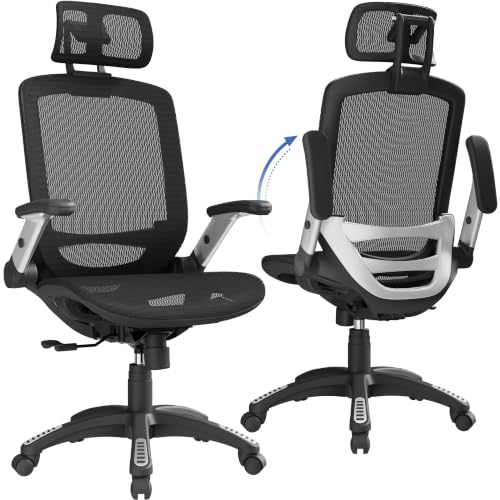
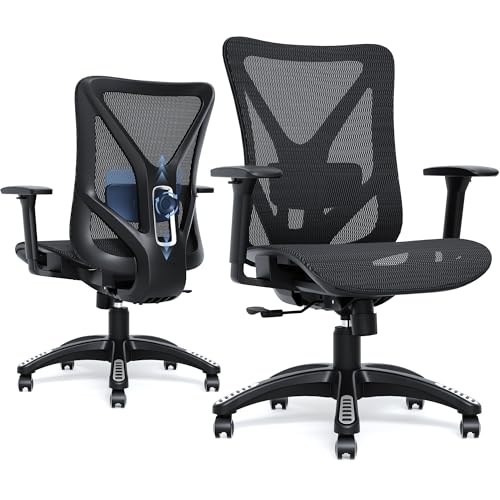
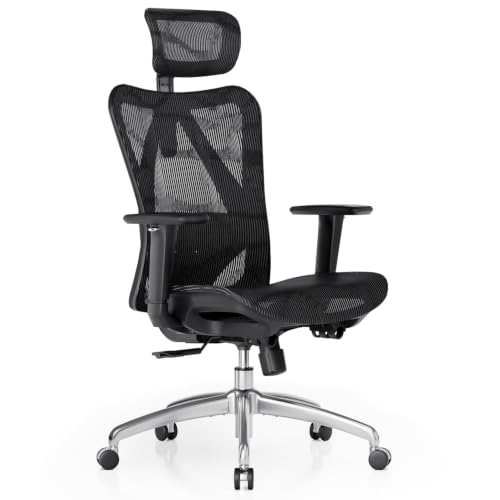
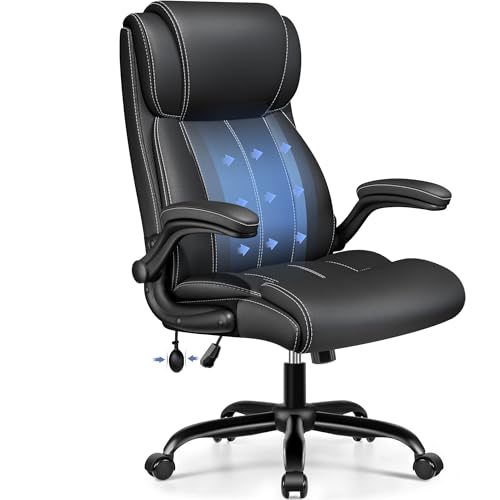
People who sit poorly tend to slide forward, perch on the front edge of the seat, and round the lower back, so the features that matter are the ones that support the position you actually end up in. Look for a seat you can lower until your feet rest flat, and a backrest that meets your lower back where it curves inward. A seat front edge that slopes down, often called a waterfall edge, keeps pressure off the backs of your thighs. Seat depth you can adjust helps shorter and taller readers alike.
Ergonomics and Adjustability
Four adjustments do most of the work, starting with seat height, which should let your feet rest flat on the floor with your knees near a right angle. Lumbar support should move up and down, and ideally in and out, so it meets your lower back rather than pushing at your belt line. Armrests should drop low enough to slide under your desk and rise enough to support your forearms without lifting your shoulders. A tilt lock lets you set a slight recline, which spreads your weight across the backrest instead of parking it all on the seat.
Build Quality and Frame
A chair that wobbles teaches you to brace with your feet, and bracing is its own bad habit. Look for a steel frame or a reinforced nylon frame, a class 4 gas lift, and a five point base in metal or strong nylon. Weight capacity is a plain printed number, so match it to the heaviest person who will use the chair and leave room to spare. Most standard models rate about 250 to 300 pounds, and higher capacity models exist if you need one.
Assembly and Delivery
Most chairs in this class arrive flat packed with a hex key in the box, and one person can build one in about 20 to 40 minutes. Check that the instructions are printed clearly and that a spare bolt or two is included, because one missing bolt can stall the whole job. The boxed chair can weigh about 40 to 60 pounds, so plan for two people if it has to go up stairs. Keep the box until you are sure the chair is staying.
Warranty and Return Policy
The return window matters more than the warranty headline, because only a week at your own desk tells you whether a chair suits you. Look for at least 30 days to send it back, and check who pays the return shipping before you order. On warranty terms, frames often carry about 5 to 10 years, while gas lifts and mesh carry shorter cover of about 1 to 3 years. A seller who hides these numbers is telling you something worth hearing.
Style and Room Fit
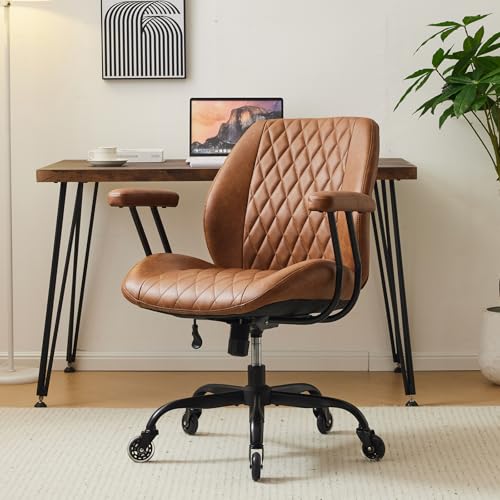
Measure your desk opening and your doorways before you fall for a wide executive shape. A backrest about 28 to 32 inches tall can crowd a small room and block a shelf or a window. Mesh backs read lighter in a home office, while padded fabric and leather look finishes read heavier and feel warmer in summer. Choose a look you can live with, but let the earlier boxes overrule style every single time.
What Your Money Buys at Each Level
Money in this category buys adjustment range and build quality, not better posture, and the bands below show the honest pattern. Use the product table above to see where each listed chair falls, and compare this section with our guide to the best work chairs for posture if long paid workdays are your main use.
Starter Chairs, about $100 to $250
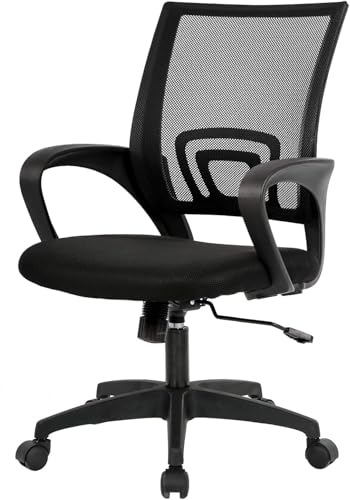
At this level you get height adjustment, a basic tilt, and a fixed lumbar bump molded into the backrest. Foam tends to be thinner, so these chairs suit shorter sitting days better than full shifts. For a spare room or a few hours of desk work a day, that trade can be sensible. Just know the comfort ceiling is lower, and the gas lift is often the first part to tire.
Mid Priced Chairs, about $250 to $450
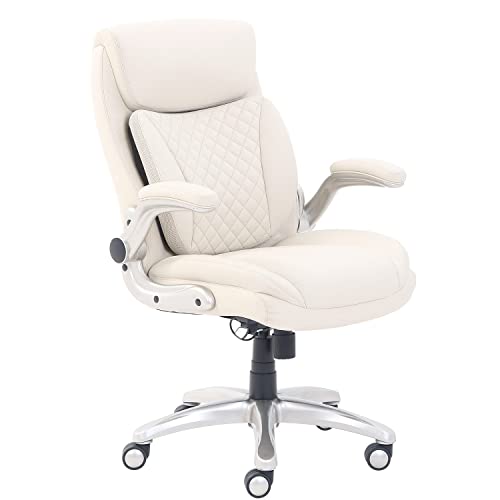
This is the band where most readers should land. Lumbar support becomes adjustable, armrests gain height and width movement, seat foam gets dense enough to hold its shape past lunch, and class 4 gas lifts are common in steadier frames. Return windows also tend to be fairer in this band, which matters more than any single feature. If you sit six hours or more a day, the jump from the starter band is the one that shows up in daily comfort.
Premium Chairs, about $450 to $800
The top band buys range and durability: deeper recline, finer lumbar control, stronger frames, and frame warranties at the long end of the scale. It does not buy posture correction, and it cannot outwork a low screen or a day without breaks. Buy here if you sit all day, every day, and expect one chair to serve for years. Otherwise the middle band covers the same comfort ground for less.
Quick Buyer Checklist
Run through these questions before you order. A chair that fails the first two rarely feels better after a week of hoping.
- Can you set the seat low or high enough that your feet rest flat on the floor?
- Does the lumbar support move until it meets your lower back?
- Can the armrests drop low enough to slide under your desk?
- Is the rated weight capacity above the weight of the heaviest person who will sit in it?
- Does the seat depth leave a small gap behind your knees?
- Do you get at least 30 days to return the chair if it disappoints?
- Have you set your screen near eye level before blaming the chair?
Warning Signs of a Weak Chair
Some listings work hard to sound medical while saying nothing you can measure. Treat the signs below as reasons to close the tab and keep looking.
- Support claims with no adjustment ranges in inches, because a seller who cannot state the range may not know it.
- No printed weight capacity, which leaves you guessing about the frame and the gas lift.
- A gas lift warranty under one year, since the lift is the part most likely to fail first.
- Page after page of reviews using the same phrases, a pattern that suggests the praise was not written by owners.
- Photos that never show the underside or the base, where build quality is easiest to judge.
Sitting Pain That Needs a Doctor First
A new chair is not the right response to every ache. See a doctor promptly if back or neck pain keeps getting worse instead of easing, or if the pain starts traveling into an arm or a leg. Numbness, tingling, or weakness in a hand, arm, or leg also needs medical attention rather than a shopping trip.
Fever alongside back pain, or any change in bladder or bowel control, is urgent and should never wait for a delivery date. A clinician can check for causes that no chair can address. Once serious causes are ruled out, comfort shopping can resume with a clear head.
Chairs for Specific Needs
Best Office Chairs for Bad Posture
Office use adds two checks that a home desk never sets. Several people may share one chair across a week, so adjustments need to move by hand without tools, and the settings need to stay where they were left. Long meetings also punish a seat that only fits one position, so look for a backrest that lets sitters shift and recline a little. Our companion guide to the best officer chairs covers the wider office picture for shared spaces.
Best Desk Chairs for Bad Posture
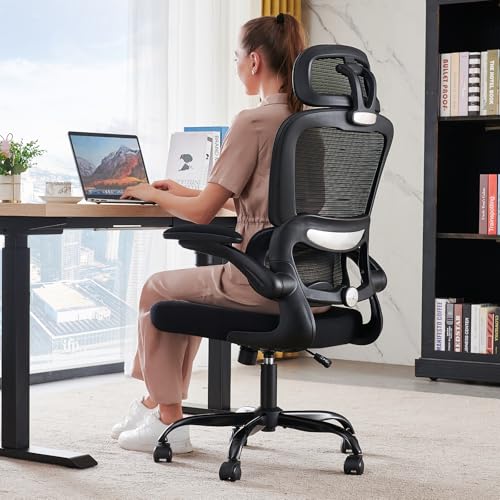
Desk use is a narrower problem than office use in general. The chair has to roll under one desk, the armrests have to clear the desktop or drop below it, and the casters should suit your floor so the chair stays where you park it. Depth matters more here, since a deep seat pushes you into the very slump you are trying to avoid. Our guide to the best desk chairs for posture compares desk focused chairs by the same comfort criteria.
Care and Maintenance Tips
Chairs keep their comfort longer with small, regular attention. Tighten the bolts every few months, because the rocking motion of daily use works them loose and a loose chair wobbles you into bracing again. Vacuum mesh backs and wipe fabric with a damp cloth so dust and grit do not grind into the weave.
Clear hair and thread from the casters so the chair rolls straight instead of dragging to one side. If the seat slowly sinks during the day, the gas lift is wearing out and can usually be replaced on its own. Recheck your seat height after any repair, since a new lift can sit a little taller than the old one.
Chairs: Your Questions Answered
What features matter most in chairs for bad posture?
The two that matter most are a seat height range that fits your legs and lumbar support you can move to meet your back. After those, adjustable armrests and a tilt lock add comfort across the day. One point buyers often miss is seat depth: a seat that is too deep forces you to slide forward to reach the floor, and sliding forward is the start of most slumps. Measure your thigh length against the stated seat depth before you order.
How do I choose the right size?
Start with your own measurements rather than the size words on the listing. Sit on a hard chair and measure from the floor to the crease behind your knee while wearing the shoes you work in; that number is the seat height you need. Then check seat width against your hips with a little room to spare for winter clothing. A chair that fits on paper but not in those two numbers will not fit in real life either.
What features matter most for long hours?
For long hours, the seat cushion matters most, because it carries your weight for the whole shift. Look for foam described as high density, which holds its shape at hour six instead of packing flat by lunch. A breathable mesh back also helps on warm days. Even so, features only soften the day; standing and walking breaks still do more for long hour comfort than any cushion, so plan your breaks alongside the chair.
How long should a good chair last?
A sound frame should last about 5 to 10 years of daily use, while the moving parts give out sooner. Foam softens and mesh stretches first, and a gas lift that starts sinking is the most common reason a chair feels finished. Plan on replacing the lift or the cushion before the whole chair. If adjustments stop holding their settings even after the bolts are tightened, the chair has reached the end of its useful life.
Is an expensive chair worth it?
It can be, if you sit eight hours or more a day and your body falls outside the average sizes most chairs are built around. Tall, short, and heavier readers gain the most from the wider adjustment ranges at the top band. If you sit average hours in an average frame, the middle band gives you the same daily comfort. Spend first on a generous return window, because being able to change your mind is worth more than a longer feature list.
Final Thoughts on Chairs for Bad Posture
Comfort at a desk is a system: habits first, screen second, chair third. Use the checklist above on any chair in the product table above, give your choice a full first week at your own desk, and judge it by how you feel at the end of ordinary days. Finding the best chairs for bad posture for your setup means finding the chair that supports the position you want, while your breaks and your screen do their share of the work.