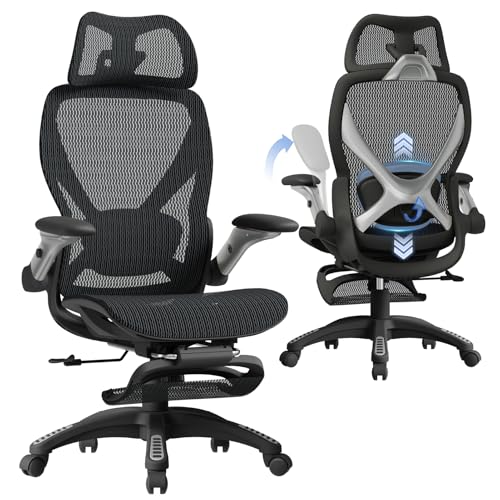
Best Chairs for Audio Engineers: Budget, Midrange, and Premium Picks for 2026
Disclosure: We may earn a commission when you buy through links on this page, at no extra cost to you. As an Amazon Associate I earn from qualifying purchases. Learn more
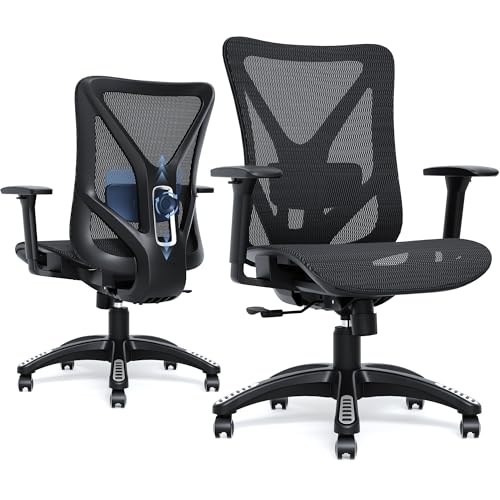
Budget tiers for the best chairs for audio engineers, with arm clearance, lumbar support and cushioning checks for long mixing sessions.
Studio chairs range from under $100 to well over $1,000, and price alone tells you little about fit for mixing, editing, or tracking. The best chairs for audio engineers keep your ears at a steady height, let your arms reach a desk or instrument without a fight, and stay quiet when a microphone is live. This guide sorts those needs by budget so you can see where extra money actually helps.
Start with how you work, not with a brand name. Note your desk height, the hours you sit in one stretch, and whether you play while seated, then use the comparison table below to match each tier and feature to that routine.

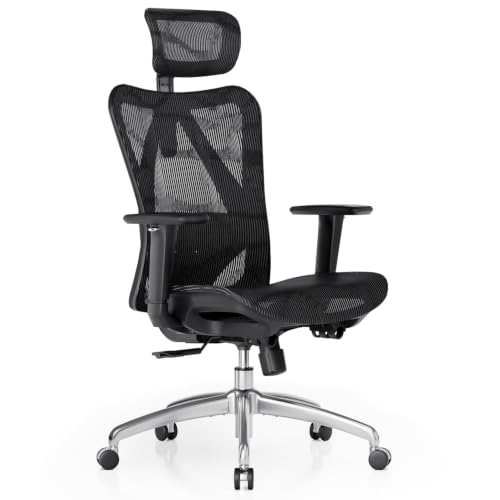
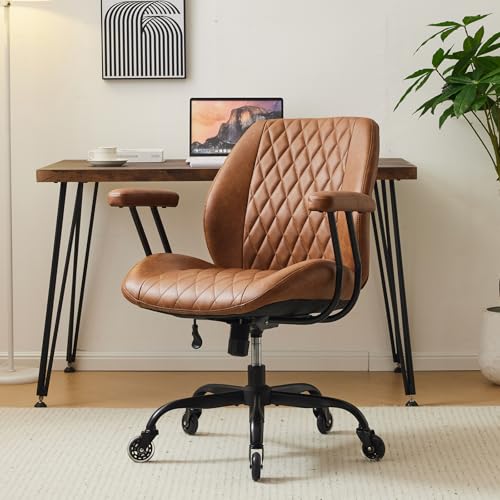


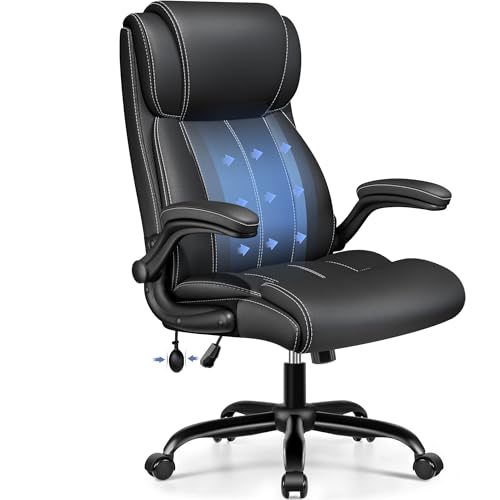
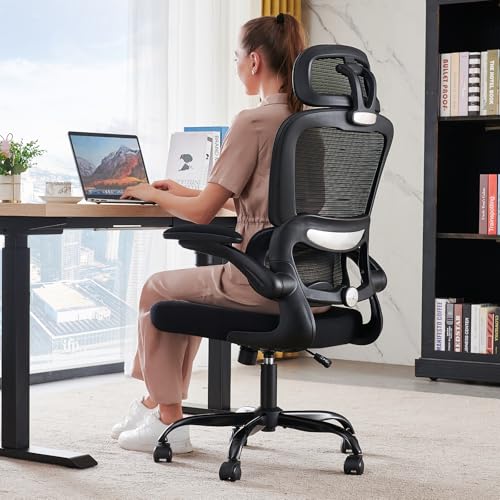
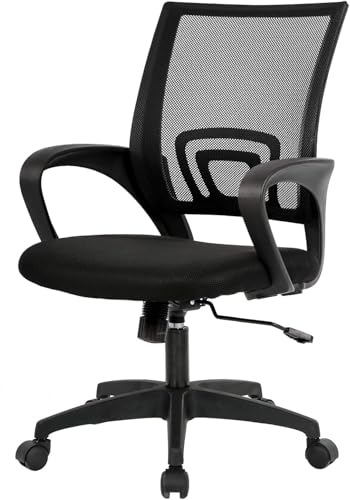
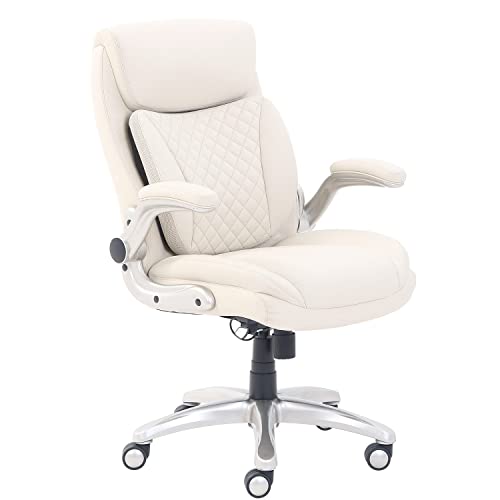
Who Should Buy Which Chair for Audio Work?
Engineers Mixing Long Sessions at a Fixed Desk
You sit upright for hours, making small fader and mouse moves while your listening position stays nearly still. Prioritize steady lumbar support, a cushion that does not bottom out, and a tilt lock that holds you upright without forcing you to brace your feet. Midrange and premium models usually suit you best.
Engineers Who Play Guitar or Keys While Seated
Your arms move wider than a typist, and a fixed armrest can lift a guitar body, catch an elbow, or push your shoulders up while you play keys. Look for adjustable armrests that drop low, slide back, or flip up out of the way. Check that path before you judge the cushion.
Engineers Who Record in the Same Room They Sit In
When you track vocals or acoustic parts near your seat, every squeak and caster rumble can reach the microphone. You need smooth, quiet movement, a frame that does not creak when you shift weight, and upholstery that does not crackle against clothing. Small rooms reward quiet design more than extra padding.
Tiers Differ in Foam, Adjustment and Quiet Parts
Price tiers for the best chairs for audio engineers differ less in looks than in foam quality, adjustment range, and how long parts stay tight and quiet.
Budget Tier: Core Support for About $100 to $250
Expect basic height adjustment, a simple tilt function, fixed or height only armrests, and thinner foam over a plywood or plastic seat base. These chairs can work for shorter sessions or a guest seat. Cushions flatten sooner with daily use.
Midrange Tier: Broader Adjustment for About $250 to $500
This range usually adds adjustable lumbar support, a seat depth slider, armrests that move in several directions, and higher density foam or a full mesh seat. That combination fits more body sizes and lets you fine tune your distance from the desk. For most project studios, it balances cost, comfort, and service life well.
Premium Tier: Durability and Fine Tuning for About $500 to $1,200
Premium and executive models bring stronger frames, better casters, longer warranties, and small adjustments for tilt tension, back angle, and arm position. A studio chair should hold a stable, upright working posture, so skip relaxation features.
Key Features to Compare in Chairs for Audio Engineers
Armrests That Clear Instruments and Your Desk
Adjustable armrests matter in a studio for clearance. Arms set too high raise your shoulders during mouse work, while arms set too wide can strike a guitar or block a keyboard tray. Choose arms that lower below desk height, move inward and outward, or remove cleanly. If you play often, clearing the arms completely matters more than padded tops.
Lumbar Support and Back Shape for Upright Listening
Good lumbar support fills the curve of your lower back so you can sit upright without constant effort, keeping your head in a consistent place between your monitors. Adjustable depth beats a fixed bulge, because a pad that pushes too far forward can feel worse than none. A mesh back spreads pressure and allows airflow, while a padded back can feel quieter and warmer.
Seat Cushion, Depth, and Weight Capacity
High density foam resists flattening and spreads your weight, which helps during sessions past four hours. Seat depth should leave about two to three fingers of space behind your knees when your back touches the backrest, so circulation is not cut off. Check the stated weight capacity and seat width, and allow margin rather than buying at the exact limit.
Tilt, Tilt Lock, and Your Listening Position
Tilt lets you shift pressure during breaks, but critical listening calls for a repeatable upright position. A tilt lock that secures the back near upright, plus tension control matched to your weight, helps you return to the same posture after leaning back. Small height changes move your ears relative to your speakers, so set chair height once monitors are placed.
Quiet Movement and a Headrest That Clears Headphones
A comfortable chair can still fail in a recording room if it pops, creaks, or rattles when you reach for a control. Look for solid joints, smooth casters suited to your floor, and upholstery without stiff seams that rub loudly. A thick fixed headrest can push headphone bands forward and break the seal of closed back cups, so prefer an adjustable or removable design.
Materials and Upholstery for Studio Rooms
Mesh backs breathe well and make little noise, fabric seats feel stable and quiet, and smooth synthetic covers wipe clean but can squeak against clothing and feel warm under lights. Metal frames usually stay tighter longer than thin plastic parts. In a small room, a slimmer back also leaves more rear wall treatment exposed.
How to Check Chair Fit in Your Studio
Measure before you order. Record your desk underside height and the floor space behind your desk. Your feet should rest flat, your knees should sit near a right angle, and the armrests should slide under or sit level with the desk without lifting your shoulders. Desk workers face a similar fit check, as our guide to the best chairs for software engineers explains.
Assembly usually takes about 20 to 40 minutes with tools supplied in the box. Keep bolts slightly loose until the base, seat, and back are aligned, then tighten in stages. Sit, roll, turn, and lean while the room is quiet, and listen for ticks or creaks. Then check that your ears stay near your intended listening height, and mark your preferred settings so you can restore them later.
Common Mistakes to Avoid
- Buying a tall executive chair with fixed arms that block your guitar, because you will end up perched on the seat edge to play.
- Choosing the softest cushion on display, because very soft foam often bottoms out and leaves you aching midway through a long mix.
- Ignoring caster type on hard floors, because rough rolling adds noise and can mark wood or laminate over time.
- Setting the seat so high that your feet dangle, because unstable feet make your whole posture drift during editing.
- Keeping a headrest that pushes your headphones out of place, because repeated reseating breaks your focus and changes what you hear.
- Judging a chair in five minutes, because pressure points and back fatigue usually appear only after an hour or more of sitting.
Care and Maintenance for Studio Chairs
Wipe fabric and mesh with a lightly damp cloth and let the chair dry fully before a session. Vacuum seams and the area under the seat weekly, because dust collects around casters and slows their roll. Check base and arm bolts every few months and tighten any that have worked loose.
Long term costs are modest when parts can be replaced. Budget for new casters, arm pads, or a gas lift cylinder, and keep the warranty terms where you can find them. If back pain, numbness, or tingling persists despite a careful fit, talk with a clinician or other qualified professional about your personal needs.
Frequently Asked Questions
What features matter most in a chair for audio engineers who mix all day?
Steady lumbar support, a durable cushion, and a lockable upright tilt matter most for mixing all day. As an extra check, record a short spoken passage while shifting in the seat. If you hear the chair on playback, its frame or casters may be too noisy for tracking in the same room.
What should audio engineers prioritize in a chair for long studio hours?
Audio engineers should prioritize fit over extra features for long studio hours. Choose a seat depth that supports your thighs without pressing behind your knees, then build breaks into your workflow. Standing to check a mix from the doorway every hour or so changes your posture and gives your ears a second perspective.
How do I choose the right chair size for my studio desk?
Start with your desk, not a size chart. Measure clearance under the desk, then confirm the chair at its lowest and highest settings can place your elbows near desk level with feet flat. If you share the chair, favor a wider height range and keep each person preferred height noted on a desk card.
How long should a good studio chair for audio engineers last?
A good studio chair should last about five to ten years with daily use, depending on frame quality and how often casters and arm pads are replaced. The gas lift is often the first part to fade, showing up as slow sinking during a session. Replacing that part can restore height control cheaply.
Is an expensive studio chair worth it for audio engineers?
An expensive studio chair is worth it only when the added cost buys adjustments or durability you will use daily. If you sit for one short session a week, a midrange model may serve you just as well. Spend first on arm clearance and a stable upright position, and skip decorative stitching or a brand badge that changes nothing at your desk.
Final Thoughts
Choose by session length, arm clearance, and quiet, stable support, and let your budget decide how much durability you add. Engineers who play while seated should check the arms first, while engineers who record nearby should listen to the chair before judging its cushion. When those basics fit, the best chairs for audio engineers fade into the background and let you focus on the mix, so compare your short list in the product table above.