
Best Chairs for Arthritis in 2026: Every Type Explained Side by Side
Disclosure: We may earn a commission when you buy through links on this page, at no extra cost to you. As an Amazon Associate I earn from qualifying purchases. Learn more
Find best chairs for arthritis by type, with checks on seat height, arm support, cushion firmness and rise help for sore hips, knees, hands and back.
Sitting should give sore joints a rest, yet the wrong chair can make standing up the hardest part of your day. The best chairs for arthritis match your seat height, arm support and cushion firmness to the joints that hurt most, so sitting down and rising again both feel controlled. This guide compares chair types side by side, and the comparison table below gives you a way to check the main options.
Start by naming your main problem area. Stiff knees and hips call for height and a firm edge you can rise from. Sore hands and shoulders call for arms you can lean on and controls you can move without a tight grip. An aching back calls for support that holds your posture without forcing it.

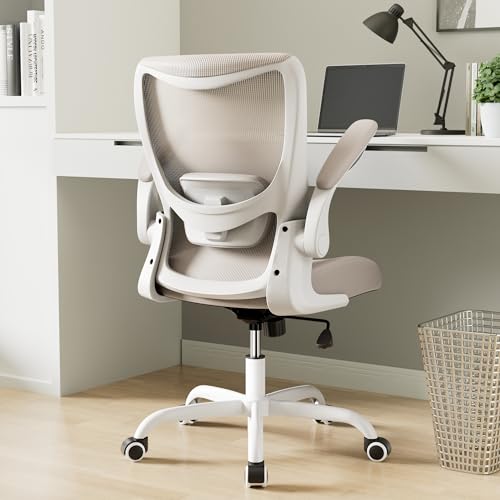

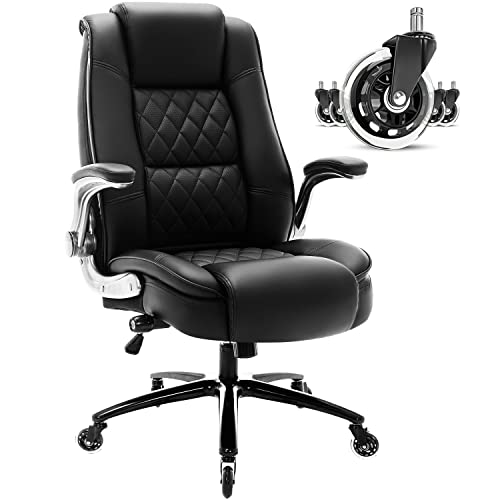
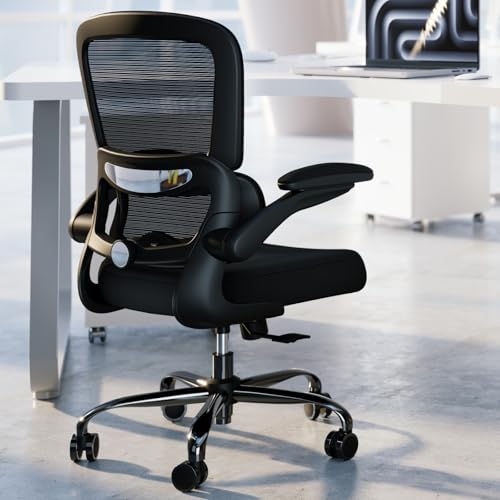
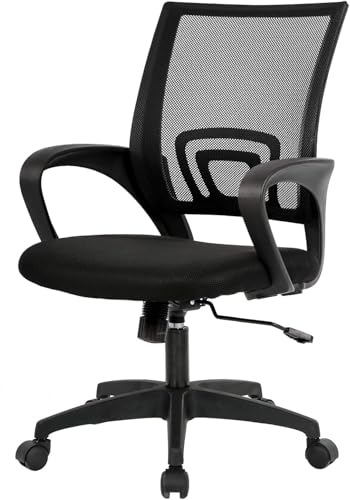
Types of Chairs Compared
Comparing the best chairs for arthritis starts with the type, because each type solves a different problem. A powered lift chair helps you rise, a recliner lets you shift your weight, and an ergonomic desk chair supports long work sessions.
Ergonomic Models for Desk and Table Work
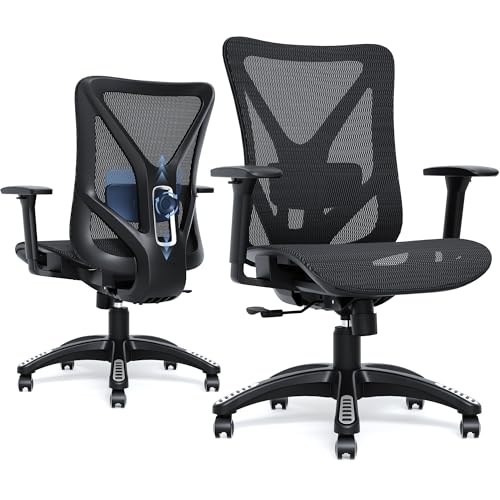
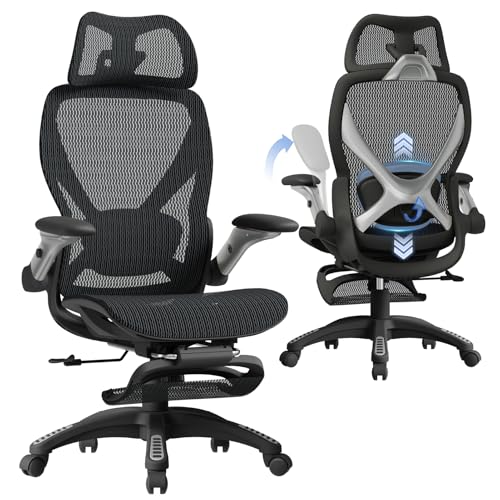
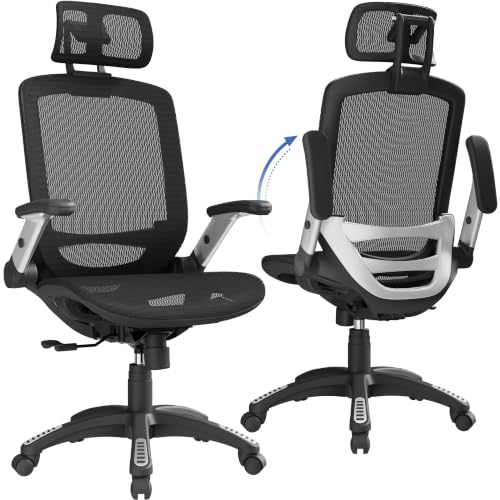
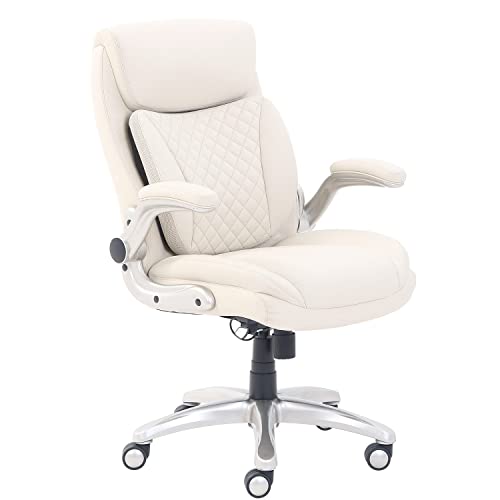
Ergonomic models adjust in several places, so you can set the seat, back and arms to your body. Look for lumbar support that meets the curve of your lower back, adjustable armrests that hold your forearms without lifting your shoulders, and a tilt lock that lets you lean back a few degrees and stay there. A mesh back suits warm rooms. These chairs fit readers who sit for work or hobbies.
Premium Executive Models for Long, Supported Sits
Premium executive models use thicker padding, wider seats and taller backs, and smooth recline. High density foam holds its shape longer than soft foam, so the seat stays supportive instead of sinking into a hollow that is hard to climb out of. These chairs can cost about $300 to $800. For a formal office, see our guide to the best officer chairs.
Budget Models and Simple Chairs for Shorter Sits
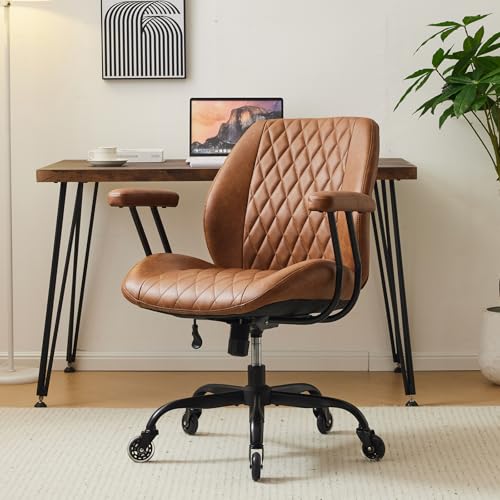
Budget models, simple dining chairs and firm accent chairs often cost about $60 to $200, and they can work well for meals, crafts and short visits. What matters most at this price is a seat at the right height, a firm front edge and arms that do not wobble when you lean on them. Check the rise before you commit.
Ergonomic Models vs Premium Executive Models: Which Should You Choose?
Choose an ergonomic model if you change tasks often. Its seat depth, arm height and back angle adjust in small steps, which helps when stiffness varies from morning to evening. Choose a premium executive model if you sit in one posture for long stretches and want broad padding and a tall back.
Ergonomic models usually cost about $150 to $450. Neither type lifts you, so readers who cannot rise from a standard seat should look at powered lift chairs first.
How to Choose the Right Chair
Work through these checks in order.
Seat Height and an Easy Rise
Sit with your feet flat and your knees bent at about a right angle, with no strong pressure behind your thighs. Most adults do well with a seat about 17 to 20 inches high, and taller readers may need 20 to 22 inches. A higher seat shortens the distance you must push through your knees and hips to stand. Try the rise three times in a row, since the third rise tells you more than the first.
Firm Arms and Controls That Sore Hands Can Use
Arms are working tools for a reader with arthritis, not decoration. Choose wide, firm armrests at a height that lets you push down with open palms, because spreading the load across your palm is kinder than gripping a narrow rail. Check every control with your weaker hand before you buy. Levers, knobs and remotes should move with light pressure and a loose grip, and a control that needs a hard pinch will become a daily barrier.
Lumbar Support, Back Angle and Room to Shift
Good lumbar support fills the hollow above your belt so your back muscles can relax instead of holding you upright. A slight recline, roughly 100 to 110 degrees, eases pressure on the hips for many readers, while a fully upright back suits meals and desk work. This is general comfort guidance, not medical advice. Seek medical care promptly for a joint that becomes hot, red or newly swollen, for sudden weakness or numbness, or for pain that sharply worsens, and talk with your clinician about personal needs.
Cushion Firmness, Depth and Pressure on the Hips
A cushion should feel firm and even, with high density foam that supports your weight without letting you sink to the frame. Sit for at least fifteen minutes before judging, because soft foam often feels kind at first and tiring later. Seat depth matters too. About two to three fingers of space should remain between the seat edge and the back of your knees, so the edge does not press into the joint.
Stability, Weight Capacity and Room Fit
Check the stated weight capacity and choose a chair rated well above your weight, because you also press down hard on the arms each time you rise. A swivel base helps you turn toward a table without twisting your spine, but casters can roll when you push up, so carpet or locking casters may suit you better. Measure the doorway and the space around the chair, leaving clear floor where you stand and room for a cane or walker. For general build standards, see our guide to the best quality chairs.
Best Chairs for Specific Needs
The right type also depends on where the chair will live.
Best Office Chairs for Arthritis
For desk work, best office chairs for arthritis combine a seat you can raise, arms that adjust without tools and a back you can unlock for short reclines. A footrest helps shorter readers keep their feet supported when the seat sits high enough for easy rising. Readers comparing desk models can also see our guide to the best office task chairs.
Best Computer Chairs for Arthritis
Best computer chairs for arthritis need the same rise friendly seat, plus support for screen posture. Your eyes should meet the upper part of the screen without tilting your head down for long periods, and your forearms should rest level while you type. Choose smooth adjustment, because a chair that needs force to change will stay in whatever position it was left in.
Common Mistakes to Avoid
Judge a chair by the full sit and rise cycle, not the first ten seconds.
- Choosing a low, deep lounge seat makes rising a long push that strains stiff knees and hips.
- Buying soft foam that sinks leaves you sitting in a hollow with no firm edge to push against.
- Picking armless chairs removes the support your shoulders and wrists rely on every time you stand.
- Ignoring control stiffness means levers and knobs go unused, so the chair never gets adjusted to your body.
- Letting casters roll freely on hard floors can shift the chair backward just as you commit your weight to standing.
- Skipping the weight capacity check risks a frame and arms that flex under the daily load of pushing up.
Maintenance That Keeps Your Chair Steady
Set the seat height so your feet rest flat. Tighten bolts and arm fixings every few months, since arms carry real load each time you rise and loose fixings wobble at the worst moment. Vacuum or wipe upholstery so grit does not wear the fabric. For a lift chair, keep the power cord clear of the frame, check the backup battery if one is fitted, and stop using the lift if the motion becomes jerky.
Chairs for Arthritis: Your Questions Answered
What features matter most in a chair for arthritis and sore knees?
Seat height, firm arms and a cushion that does not sink matter most for sore knees. Together they shorten the rise and give your arms a real share of the work. Try chairs later in the day, when stiffness and tiredness are closer to their worst, rather than judging comfort during a fresh morning visit.
What features matter most in a chair for arthritis during long hours?
For long hours, choose adjustment you will use, plus a back angle you can change without standing. Small shifts every half hour or so keep joints from settling into one stiff position. A phone timer can prompt those shifts, and a short walk on one break in three helps more than a cushion upgrade.
How do I choose the right chair size for arthritis and limited mobility?
Measure your lower leg from the floor to the crease behind your knee while wearing your usual shoes, then match that number to the seat height. Check seat width against your hips with a little room for heavier clothing. Also leave a clear patch of floor where your feet land as you rise, with no rug edge or table leg in the way.
Is an expensive chair for arthritis worth the higher price?
An expensive chair is worth it only when the extra cost buys a feature you need daily, such as powered rise help, stronger arms or foam that keeps its shape. Price alone does not predict comfort for your joints. If a mid priced chair, about $200 to $400, passes your rise check and your sit check, paying more for styling rarely adds real relief.
How long should a good chair for arthritis last?
A good chair should last about five to eight years of daily use, with the cushion usually wearing out before the frame. Press the seat foam with your palm each year. If it stays compressed or you can feel the frame through it, the chair has stopped supporting you even if the fabric looks fine.
Final Thoughts
Check the rise before the recline, the arms before the styling, and the controls with your weaker hand before you pay. Match the type to your main setting, desk, table or living room. The product table above lets you compare height, capacity and price across the types covered here.
When you judge best chairs for arthritis by how they treat your joints across a full day, the right choice stands out. Pick the chair that makes both sitting down and standing up feel calm and repeatable.

