Best Chairs for ADHD Adults in 2026: Which Type Is Right for You?
Disclosure: We may earn a commission when you buy through links on this page, at no extra cost to you. As an Amazon Associate I earn from qualifying purchases. Learn more

Adults who shift, perch or tuck a leg up will find the best chairs for adhd adults here, compared by seat width, movement, support and price.
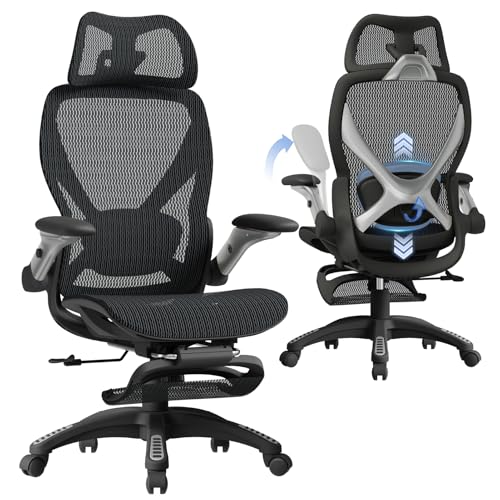
Many desk chairs assume you will sit still in one position for hours. If you shift, perch or tuck a leg up, that fixed shape can fight you all day. The best chairs for adhd adults give you room to move while still supporting focused work, and the comparison table below groups the main types so you can compare them quickly.
This guide compares chair types first, then explains the seat, movement and fit details that matter for ADHD adults. You will see who each type suits and how price relates to adjustability, so you can shortlist by your room and workday rather than by looks.
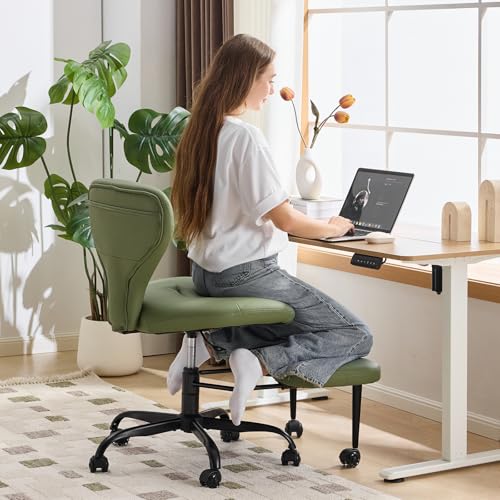
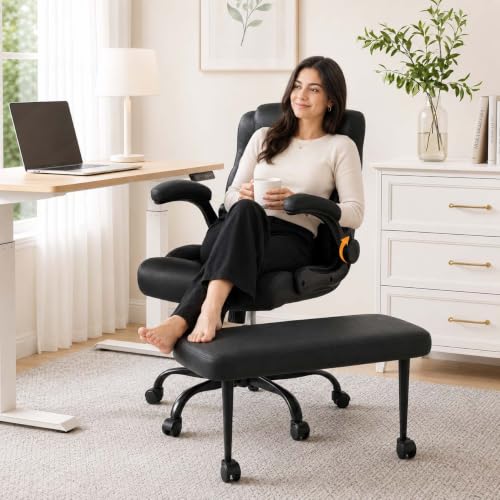


Who Should Buy Which Chairs for ADHD Adults?
Start with how you actually sit during a normal work block. Your most frequent position should drive the type and seat shape you choose.
Adults Who Shift Positions Every Few Minutes
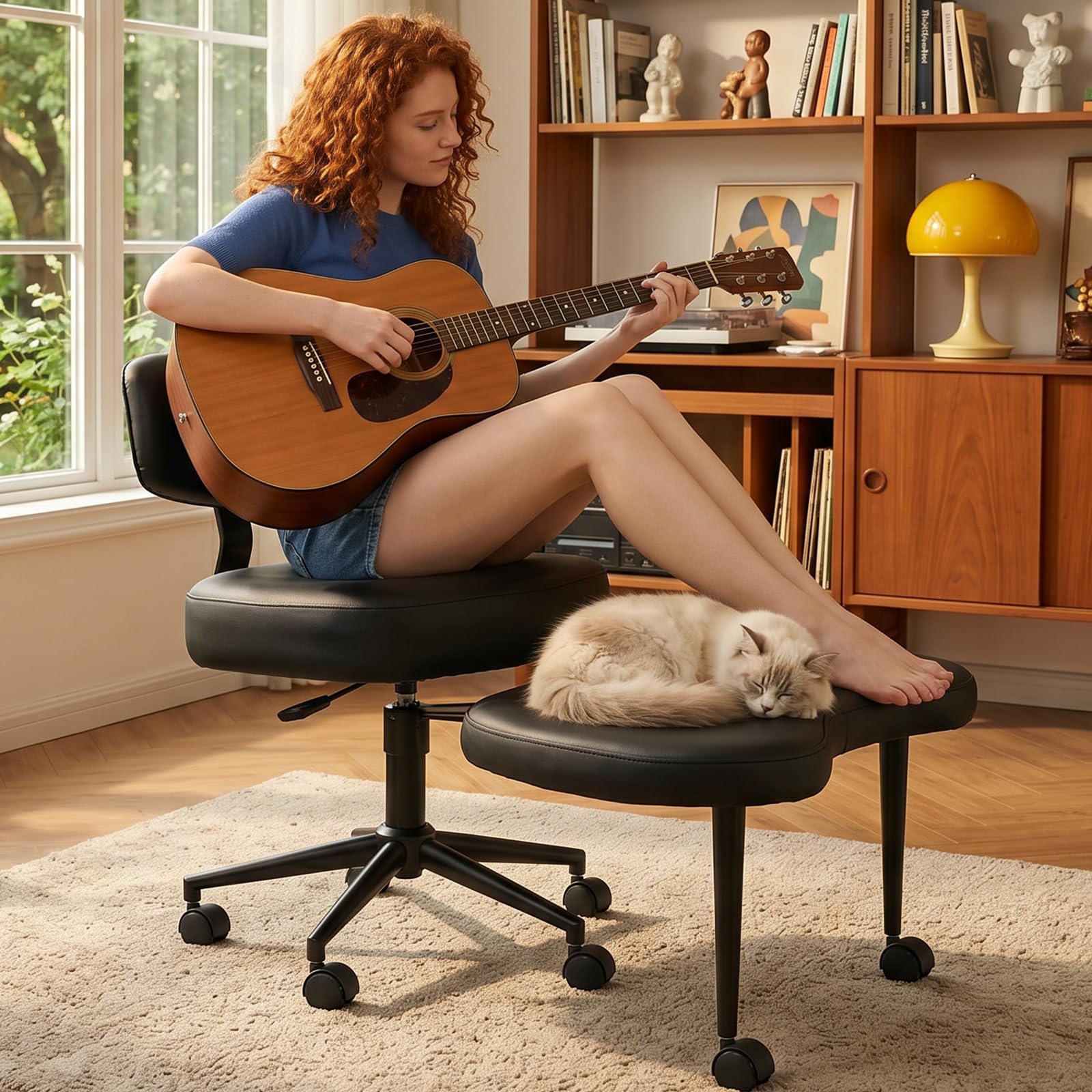
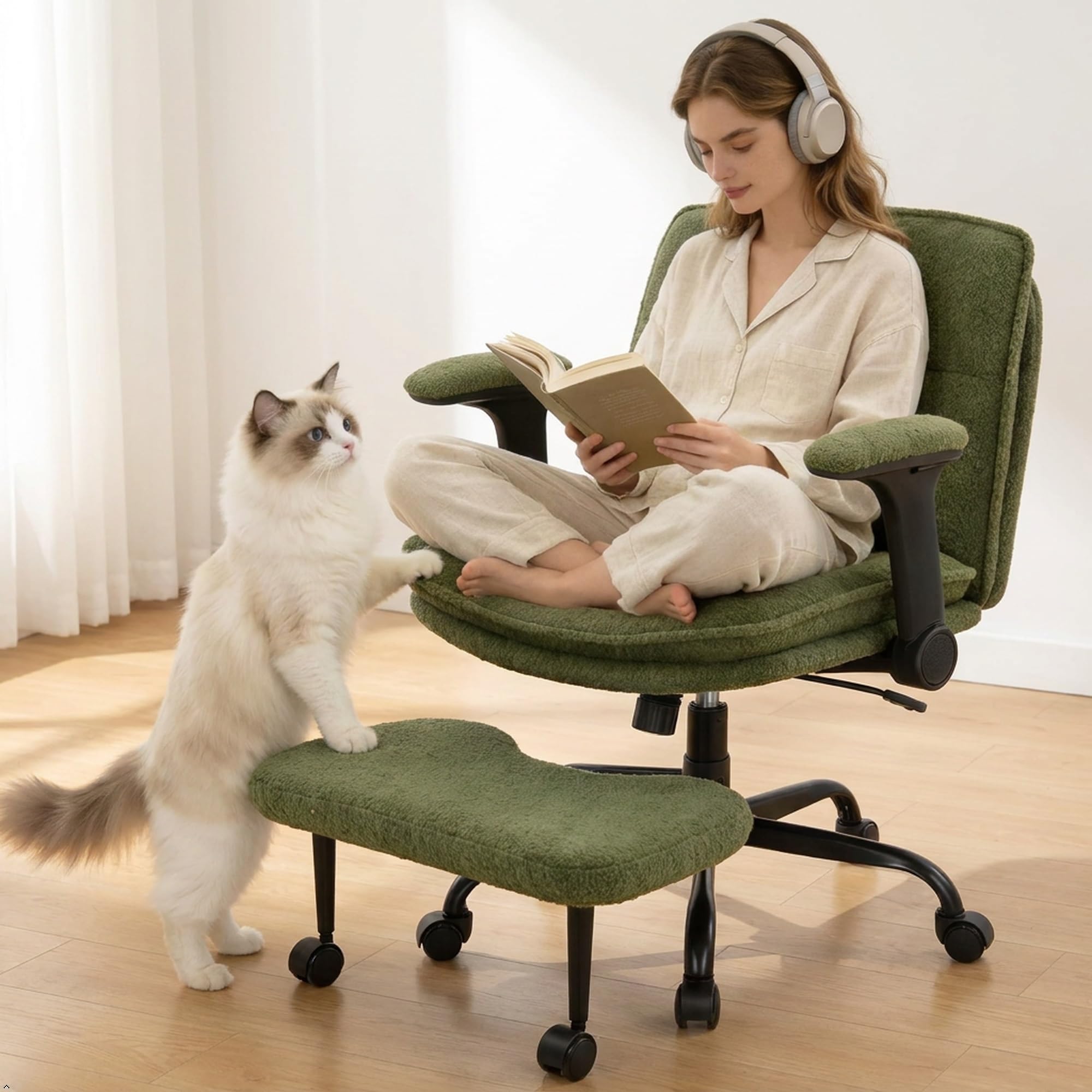
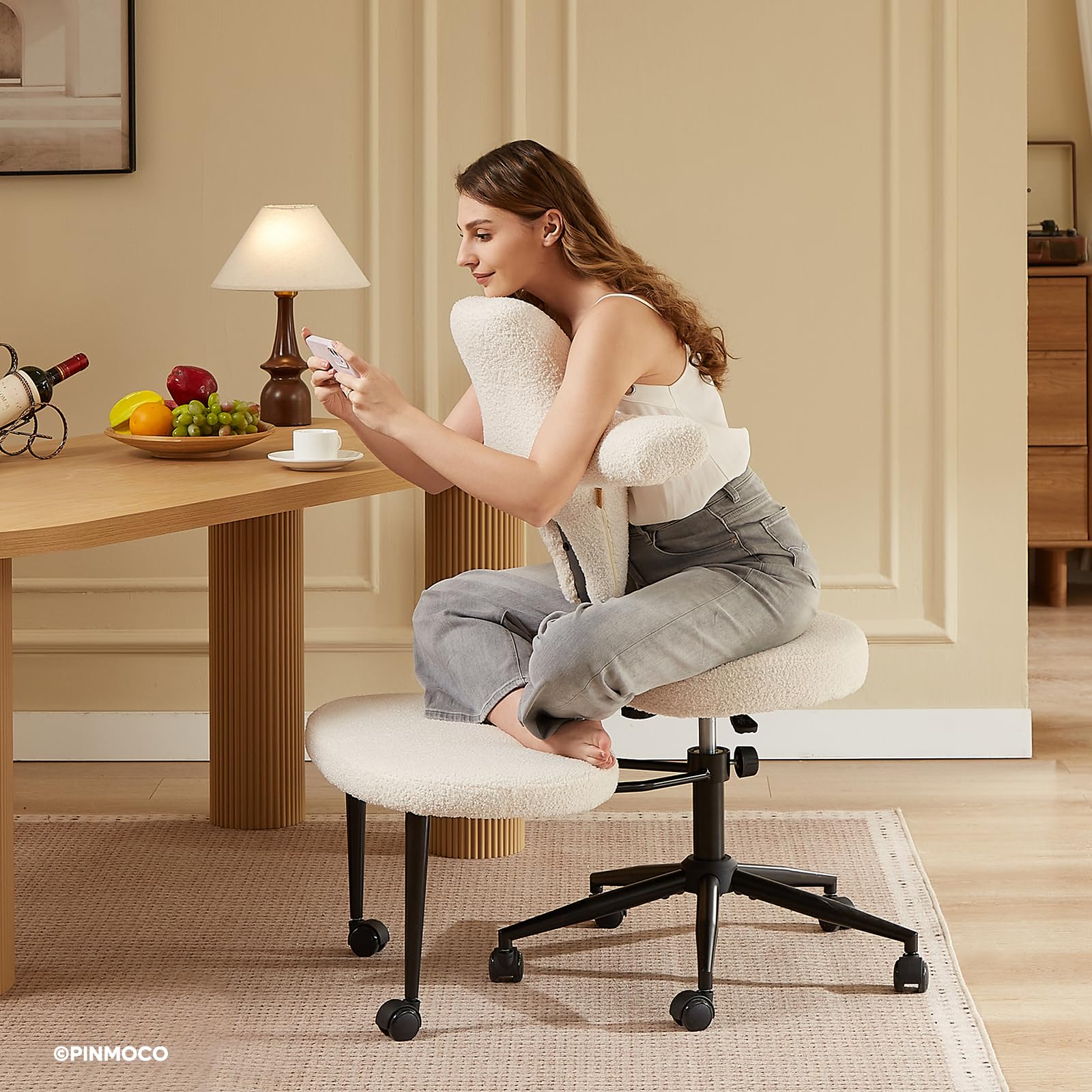
You rotate between feet flat, one leg tucked, cross legged and perching near the front edge. Choose a wide and fairly flat seat with arms you can raise or remove, because deep bucket seats and fixed arms lock your legs into one place. A swivel base helps you turn without twisting.
Adults Who Focus Better With Gentle Movement
You think more clearly when you can rock slightly, lean back between tasks or spin during calls. Choose a chair with smooth tilt and a tilt lock you can set or release easily. Avoid stiff backs that only allow upright sitting, because you will end up perching on the edge and losing support.
Adults Working Long Desk Hours in a Small Room
You need support for six or more hours, but your desk sits in a bedroom or shared space. Choose a compact ergonomic model with a mesh back and a footprint you have measured. If a formal setup matters for calls, see our guide to the best officer chairs first.
Types of Chairs Compared
Each type below trades movement, support, size and price differently. None manages focus for you, but the right shape removes friction.
Compact Space Saving Models
Compact models use a narrower frame, a smaller seat and often arms that flip up so the chair slides under a desk. They suit small rooms and usually cost about $100 to $250. The limit is room to shift, because a seat near 17 to 18 inches wide can feel tight if you sit cross legged.
Premium Executive Models
Premium executive models add a taller back, thicker padding and more tilt and lumbar adjustments, and they often cost about $300 to $600. The extra adjustments help if you are tall or share the chair with a partner. They take more floor space and the soft deep seat can discourage position changes, so test seat depth first.
Budget Models
Budget models usually cost under $150 and cover the basics of seat height and a simple tilt. They can work for shorter daily use. The tradeoffs show up in thinner foam that packs down sooner, fewer adjustments and lower weight capacity ratings, so read those limits closely if you sit all day.
Ergonomic Models
Ergonomic models focus on adjustable lumbar support, seat height, arm height and tilt tension, and most cost about $200 to $450. For a second place to reset between tasks, see our guide to the best beanbag chairs for adults as a break option. Ergonomic models remain the better choice for keyboard work.
Key Features to Compare
Compare features in this order, starting with the seat itself. The best chairs for adhd adults share one trait above price, and that trait is permission to change position without standing up.
A Wide Flat Seat for Cross Legged and Side Sitting
Look for a seat about 19 to 22 inches wide with a front edge that does not press hard behind your knees. A flatter cushion lets you sit cross legged or with one foot on the seat, while a deep sculpted cushion pushes you into one pose. High density foam holds its shape longer under that shifting load. If you notice lasting back or neck pain, numbness or tingling in your legs, or pain that keeps returning after adjustments, seek care promptly. A chair cannot diagnose or treat pain or ADHD, so talk with your clinician about your personal needs.
Swivel, Tilt and Tilt Lock for Controlled Movement
A free swivel and a tilt range you can feel give your body small movement while your hands stay on task. Tilt tension should match your weight, so a lighter adult is not forced to push hard to lean back. A tilt lock matters when you need a steady angle for calls. Test how the chair sounds too, because a loud squeak can become its own distraction.
Lumbar Support and a Mesh Back That Breathes
Lumbar support should meet the curve of your lower back when you sit against it, and adjustable support helps because that contact point changes with your height. A mesh back spreads pressure and lets air pass, which suits adults who feel warm and restless in thick padding. Fixed foam backs feel softer at first, but they offer less control if your back tires.
Materials, Texture and Sensory Feel
Mesh feels cool and springy, fabric feels softer and warmer, and smooth faux leather wipes clean but can feel sticky on bare legs in summer. Texture matters more than many buyers expect, because rough seams or a hard cushion can keep pulling your attention to the chair. Choose the surface you can ignore for an hour.
Size, Dimensions and Weight Capacity for Shifting
Match seat height to your desk so your feet rest flat and your elbows sit near desk height, usually with a seat about 17 to 21 inches from the floor. Check the rated weight capacity and leave a margin, because shifting and perching load a chair unevenly. Most desk chairs rate about 250 to 300 pounds. Adjustable armrests should drop low enough to clear your desk, and arms that flip up suit cross legged sitting best.
Compact Models vs Premium Executive Models: Which Should You Choose?
Choose the compact type if floor space is your hard limit and you mostly sit with your feet down. Choose the premium executive type if you are tall and you have room for a wider base. On seat room for shifting, the premium type usually wins. On storage and price, the compact type usually wins. For most ADHD adults who change positions often, a mid sized ergonomic model between these two types is often the better compromise, and if you are narrowing a closer search, see our guide to the best chairs for adhd for that related shortlist.
Common Mistakes to Avoid
Showroom comfort and desk comfort are not the same thing.
- Buying a deep bucket seat leaves your legs pressed against raised edges all day.
- Choosing fixed high arms blocks tucked leg positions and stops the chair sliding under your desk.
- Ignoring weight capacity while shifting wears the base and cylinder faster than still sitting.
- Picking a chair only for lumbar features leaves a noisy tilt that distracts you and everyone nearby.
- Skipping room measurements leaves a wide base striking walls, shelves and desk legs.
- Assuming a chair will improve focus alone leads you to skip timers, breaks and setup changes.
Care and Maintenance of Chairs for ADHD Adults
Set the chair up once with care. Put your feet flat, set the seat so your knees sit level with or slightly below your hips and tighten every bolt after the first week, because new joints settle as you shift.
Recheck bolts every few months. Vacuum fabric and mesh, wipe smooth surfaces with a damp cloth and keep casters free of hair so the chair rolls quietly. Replace a wobbling caster promptly, since uneven rolling strains the base.
FAQ
What features matter most in chairs for ADHD adults who lose focus when they sit still?
Freedom to move matters most, so start with a wide flat seat, easy swivel and smooth tilt. A useful extra is a footrest ring or a firm cushion under your feet, which gives your legs a job during calls. Keep a small movement option beside the desk too, such as a spare stool nearby.
How do I choose the right chair size for ADHD adults at a desk?
Sit at your desk in your usual shoes and measure from the floor to the back of your knee, then choose a seat height slightly below that number. Check elbow height against the desk with your shoulders relaxed. If you use two desks, choose a wider height range and reset it each time you move.
Is an expensive chair worth it for ADHD adults who work from home?
An expensive chair is worth it only when the extra cost buys adjustments you will use daily, such as seat depth control or a quieter tilt. Price alone does not guarantee a better fit for shifting. Look for replaceable parts like casters and arm pads, because those details decide whether a small failure ends the life of a good chair.
How long should a good chair for ADHD adults last?
A good chair for ADHD adults should last about five to eight years with daily use. Heavy shifting can shorten the life of foam and tilt joints, so watch for new creaks as an early warning. A seat that slowly drops during the day points to a worn cylinder that needs replacement.
What features matter most for ADHD adults during long hours of desk work?
For long hours, even pressure across the seat matters most, along with a back you can lean into without sliding forward. Plan position changes into the work by standing for calls and resetting the tilt between tasks. A headrest can help during reading, but skip it if it pushes your head forward while you type.
Final Thoughts
Put seat room, quiet movement and honest sizing ahead of looks and brand. Test your real positions, including cross legged sitting and perching, against seat width, arm design and tilt. Use the product table above to confirm dimensions, weight capacity and price.
When you compare best chairs for adhd adults with those checks in mind, the right type becomes much easier to spot. Choose the chair that lets you move without losing support.