Best Chairs for ADHD in 2026: Which One Fits the Way You Use It?
Disclosure: We may earn a commission when you buy through links on this page, at no extra cost to you. As an Amazon Associate I earn from qualifying purchases. Learn more

Students, adults and kids who fidget need different seats. Compare the best chairs for adhd by movement, fit and durability before you choose one.
There is no single seat that suits every restless sitter, because how you use a chair changes what it has to do. A student who rocks through homework, an adult answering messages all day, and a teen who perches on the front edge all stress different parts of a chair. The best chairs for adhd shoppers end up keeping are the ones matched to a daily routine, not the ones with the longest feature list.
This guide starts with use, then turns to the handful of features that decide comfort over months of daily sitting. It is honest about limits, too: a chair is furniture, and furniture can support your body and your habits, but it cannot treat a medical condition. The comparison table below shows the main chair types side by side.



Who Should Buy Which Chair?
Students Who Rock, Swivel, and Shift While They Work
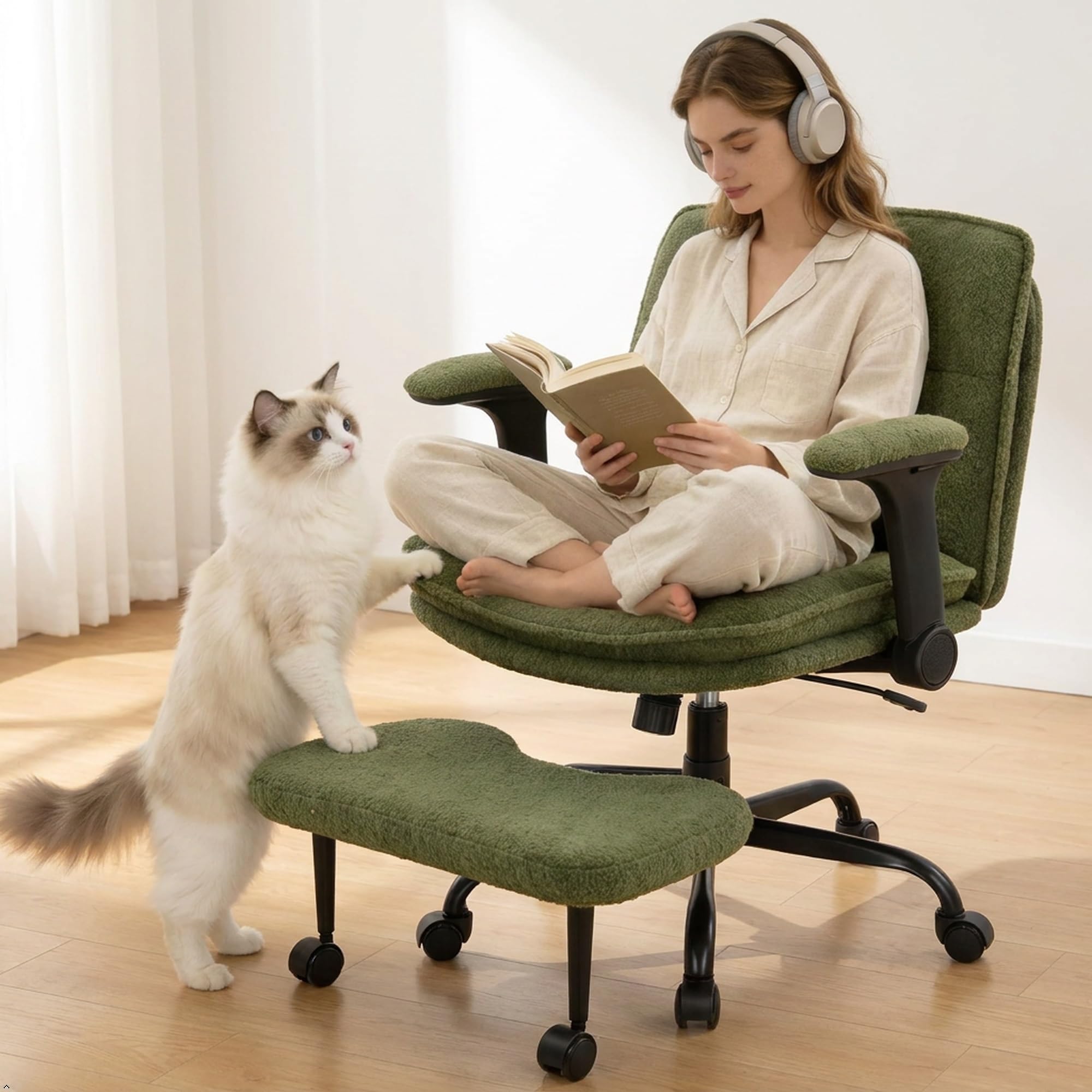
Students who move while they think need a chair that moves with them instead of fighting them. A flexible back, a swivel base, and a footrest ring or low rail give the movement somewhere to go. Purpose built guides to best desk chairs for adhd focus on exactly this mix. Skip stiff dining style chairs for a homework desk, because a rigid seat turns normal shifting into a battle by the second hour.
Adults Working Long Desk Days at Home
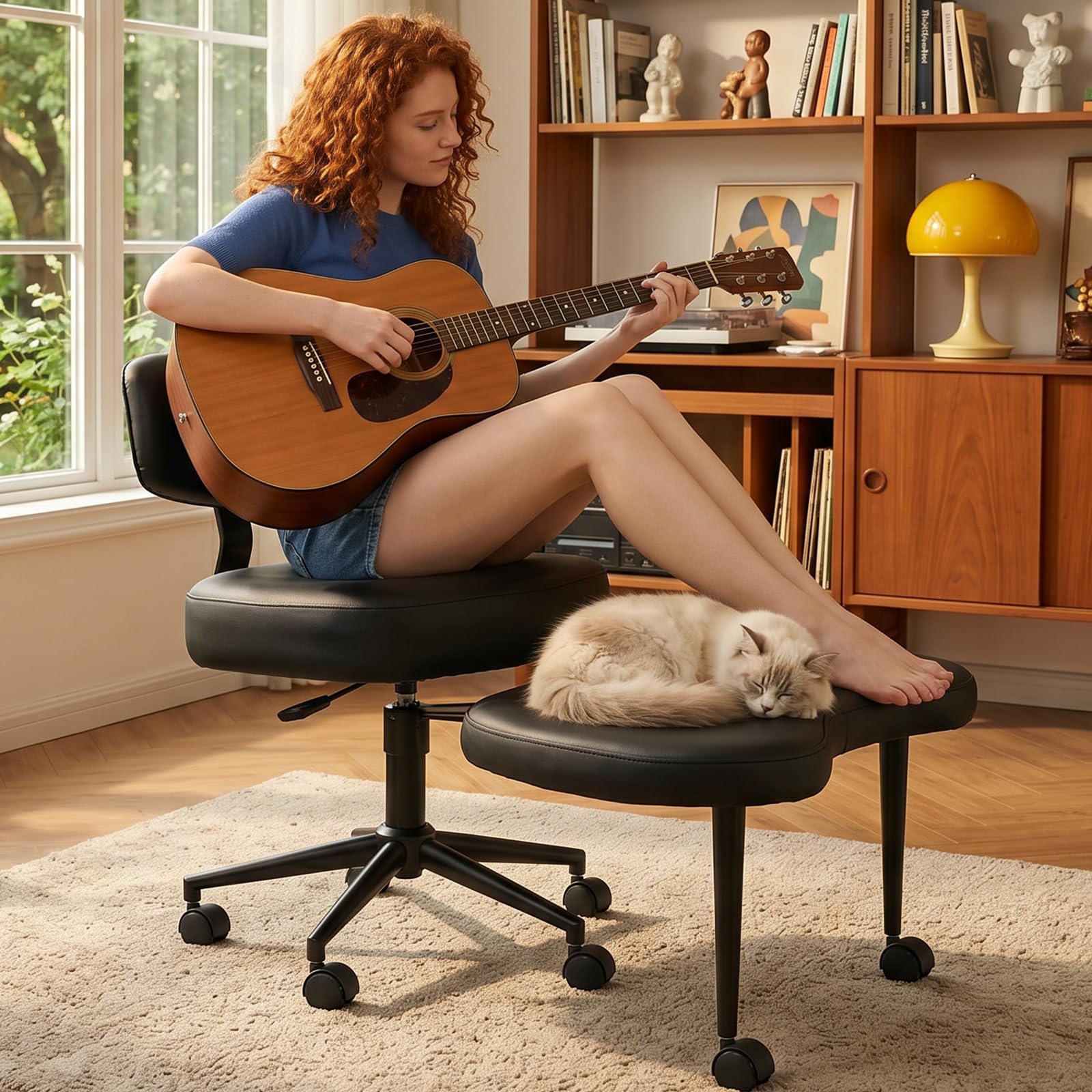
Adults sitting six or more hours need fit first: a seat depth that supports the thighs without pressing behind the knees, and back support that stays where you set it. Readers comparing best chairs for adhd adults will find the same priorities in larger sizes. Armrests that swing away help if you change position often or play an instrument at the desk. A chair that fits your body removes one layer of discomfort from a long day.
Kids at a Shared Table or Small Desk
For younger kids, the biggest problem is usually height, not features. A chair that lifts the child so the feet rest on a rail or a sturdy box, with elbows near table height, ends most of the climbing and kneeling on the seat. Easy clean fabric matters more than padding at this age, and a base without casters keeps the chair where you put it in a busy kitchen.
Gift Buyers Who Cannot Test the Fit First
Buying a chair for someone else is a fit gamble, so shop the return policy as hard as the chair. Choose models with a wide adjustment range, since one chair has to suit a body you cannot measure in the store. Keep the receipt, confirm the trial window in writing, and favor sellers who collect returns for free. A mid priced adjustable chair is a safer gift than a costly fixed one.
Key Features to Compare
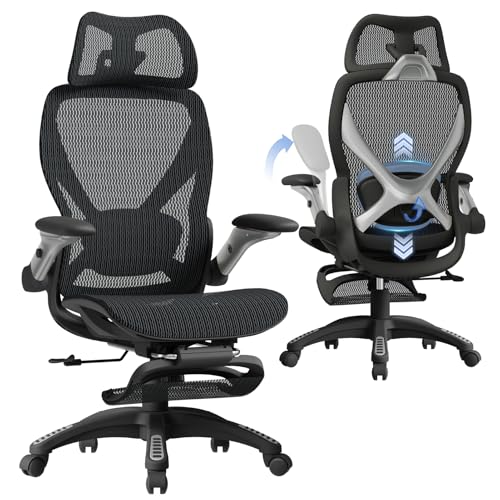
Labels in this category are loose, and most models are variations on best office task chairs with changes to the back, base, and seat. A listing titled best officer chairs describes the same standard office seating under a grander name, not a design built for movement. Judge every chair by the adjustments below, never by its title.
Movement Built Into the Seat
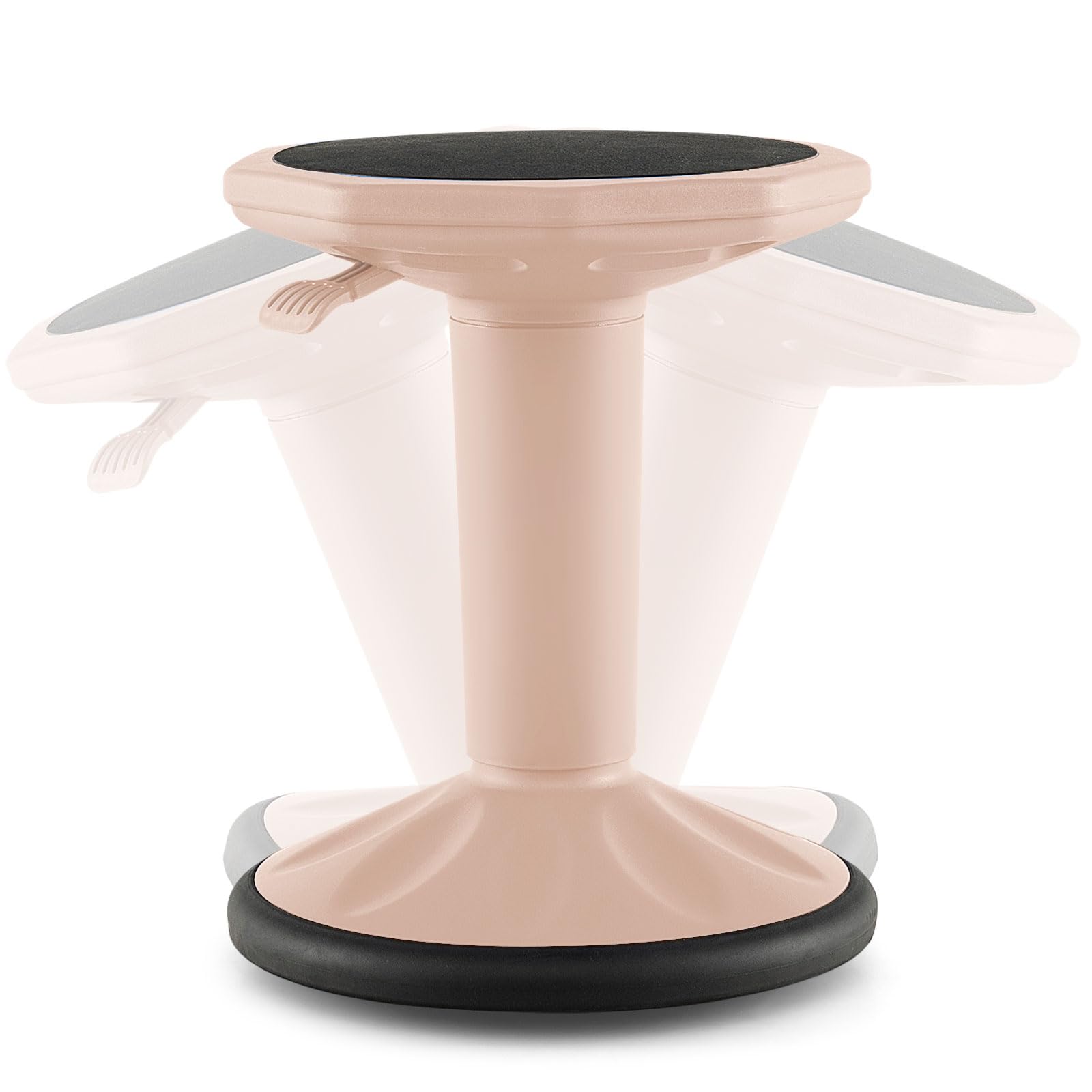
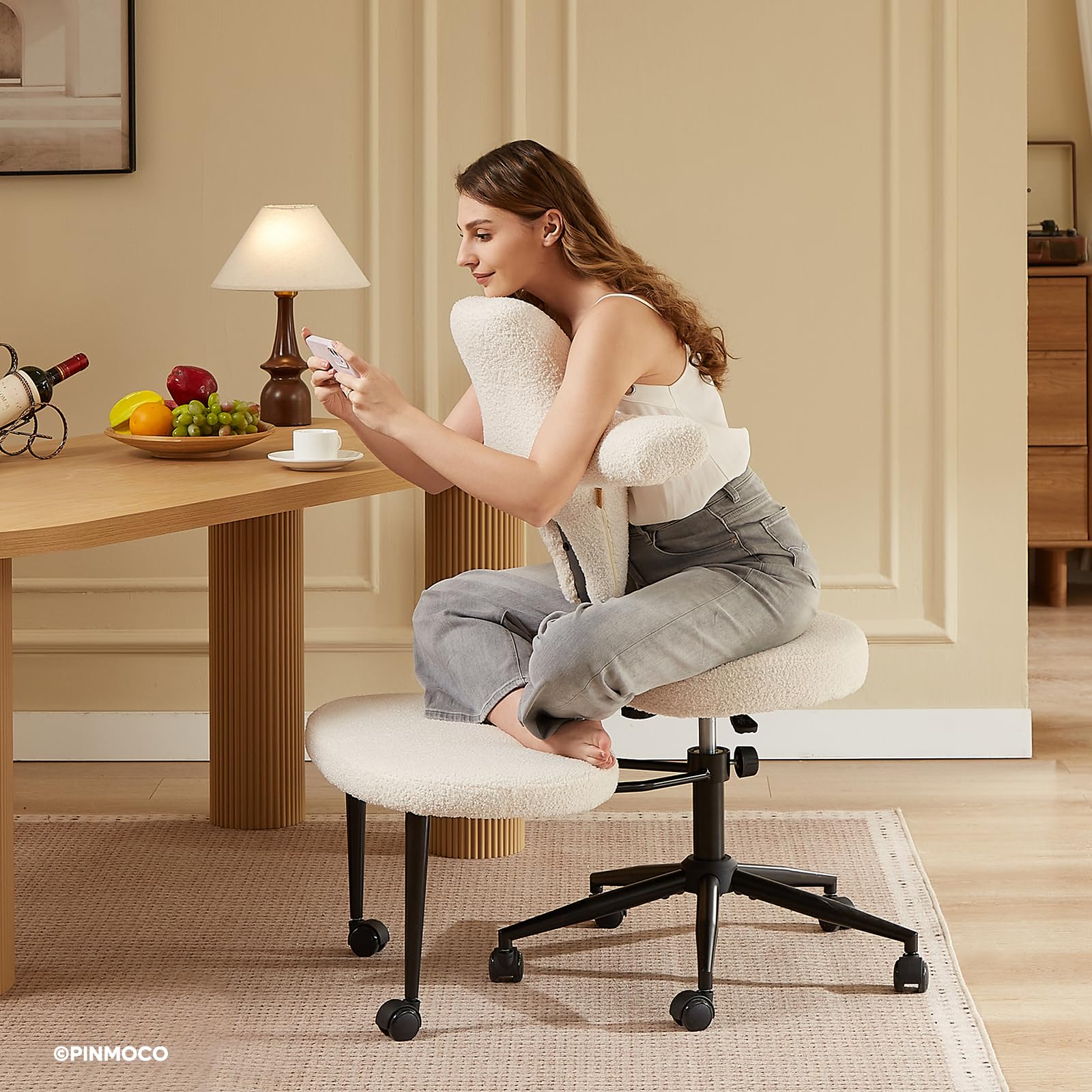
Stated plainly, a movement friendly chair is a comfort choice, and it changes nothing about the condition itself. Flexible backs that give a little, rocking tension you can set, swivel bases, and wobble style stools all let small movements happen without leaving the desk. That freedom suits many restless sitters, but it is preference, not treatment. Questions about ADHD itself, including whether seating strategies form part of a wider plan, belong with a clinician who knows the person.
Seat Depth and a Place for Your Feet
Seat depth decides whether your back actually reaches the backrest: you want a small gap, about two or three fingers wide, between the seat edge and the back of your knees. Feet matter just as much, because dangling feet pull the whole body forward and start the slouch and swing cycle. Choose a chair that lowers far enough for flat feet, or plan on a footrest, and treat that support as part of the chair.
Materials and Upholstery That Handle Daily Wear
Daily shifting wears fabric faster than still sitting does, so look for tight woven cloth or mesh that can flex without going shiny at the edges. Mesh backs run cooler over long sessions, while padded seats forgive sore pressure points better. Check the caster type against your floor, since hard wheel casters on wood floors are noisy, and noise becomes its own distraction by week two.
Adjustability, Warranty, and Returns
The adjustments worth having are seat height, back tension, and armrest height or width; everything beyond that is decoration for most buyers. Shoppers comparing best quality chairs should read the warranty split carefully, because frames often carry far longer cover than fabric, foam, or casters. A clear parts list matters too: a chair you can repair with a new cylinder or wheel set outlasts a sealed chair at twice the price.
Common Mistakes to Avoid
- Buying a rigid chair and expecting it to enforce stillness, when it only makes normal movement uncomfortable.
- Choosing a seat so deep that the feet dangle, which pulls posture forward all session long.
- Ignoring caster noise on hard floors until it becomes a daily irritation.
- Paying for tall racing style side bolsters that block the position changes you bought the chair for.
- Skipping the return window and discovering the fit is wrong after the trial period ends.
Habits That Make Any Chair Work Better
No chair does the whole job on its own. Short movement breaks away from the desk, standing, walking to get water, or stretching in the doorway, reset your body in a way no seat mechanism can. Pair the chair with regular breaks and the sitting stretches in between feel easier to settle into.
Setup habits help as well. Set the seat height so your feet rest flat with knees near level with your hips, and recheck it after a week because cylinders settle. Tighten the base and armrest bolts every few months, since daily movement works them loose, and vacuum or wipe the upholstery on the same schedule so grit does not grind into the fabric.
Chairs and ADHD: Questions Answered
Can a special chair treat ADHD?
No, a chair cannot treat ADHD, because a chair is furniture and treatment is medical care. The right seat can remove physical discomforts that make sitting harder, such as dangling feet or a backrest that fights you. Be wary of any listing that promises calmer symptoms or better grades from a seat alone, and raise condition questions with a clinician instead of a product page.
Which chair features help a child finish homework with less squirming?
The features that help most are a seat that allows small movement and a firm place for the feet. A flexible back or a gentle rocking base lets shifting happen quietly, while a footrest stops the leg swinging that builds up on a tall chair. Add a simple work rhythm at the desk, such as short work blocks with planned movement between them, and the setup works as a team.
Are wobble stools a good choice for everyday desk use?
Wobble stools suit shorter work sessions better than full days, because your core does constant small work to stay balanced on one. Many people keep a wobble stool for homework or practice time and a standard chair for long stretches. Check the base against your floor, since rounded bases can mark soft wood, and confirm the stool height matches your desk before ordering.
How should seat height be set for a fidgety sitter?
Set the seat so the feet rest flat on the floor with the knees at about the same height as the hips. If the chair cannot go low enough, slide a sturdy box or footrest under the feet rather than letting them dangle. Recheck the setting when shoes change or after growth spurts, because an inch of height changes how the whole seat feels.
How long should a chair for daily fidgeting last?
A chair in daily active use should last several years, with casters, cylinders, and arm pads wearing first. Models with replaceable wheels and a standard cylinder are cheaper to keep alive than sealed designs. Tightening bolts on a schedule and swapping a worn caster early can add a year or more of service, which makes parts availability a fair question before you buy.
Final Thoughts
Match the chair to the routine first: movement for the restless student, deep fit adjustments for the long day adult, and the right height for a child at a shared table. Then check seat depth, foot support, and the warranty split, in that order. The product table above gathers the main types for one last comparison. Chosen that way, the best chairs for adhd buyers keep are simply honest chairs that fit a body and a habit.