
Best Chairs for a Desk: A Practical Buying Guide for 2026
Disclosure: We may earn a commission when you buy through links on this page, at no extra cost to you. As an Amazon Associate I earn from qualifying purchases. Learn more
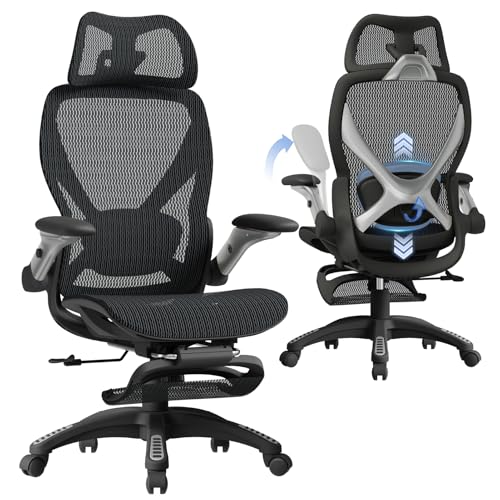
Match seat height, lumbar support, armrests and materials to your workspace with this guide to the best chairs for a desk, built around real measurements.
If a chair sits too high, too low, or too deep for your desk, your shoulders rise, your feet dangle, and work feels tiring within an hour. Choosing the best chairs for a desk starts with fit, not looks, and the comparison table below helps you check key sizes and adjustments.
This guide covers who needs which kind of chair, the features that change comfort during long sitting, and the measuring steps that prevent a poor match. You will also find the main types compared, mistakes that lead to returns, and simple care tips.

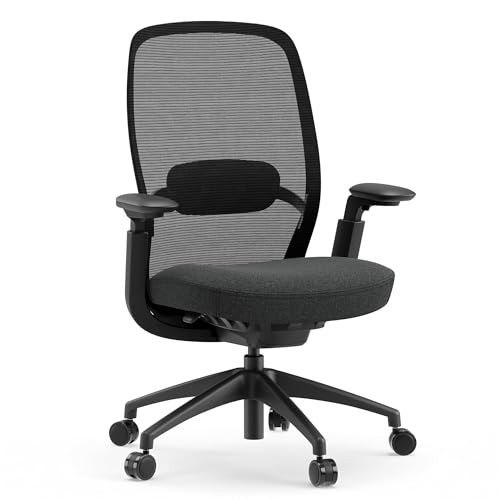


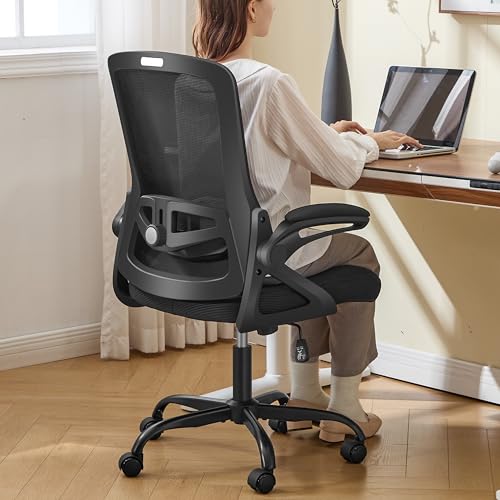
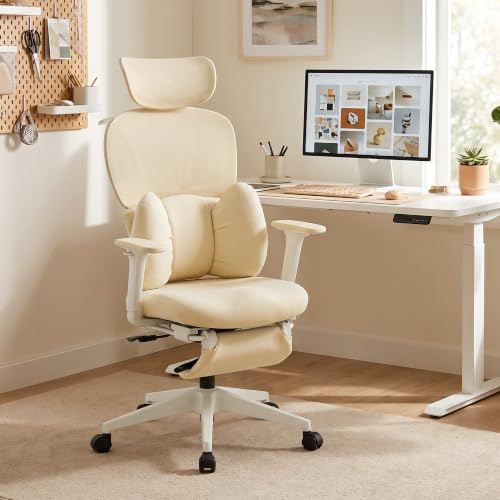
Who Should Buy a Chair for a Desk?
Full time remote workers at one main desk
If you sit most of the workday at a single desk, choose the widest range of adjustment you can afford. You need a seat height that lets your feet rest flat, a backrest that follows your lower back, and armrests that move so your elbows stay relaxed while you type. A mesh back suits warm rooms, while a padded back suits cooler rooms.
Students and families sharing one desk
A shared desk serves people of different heights in the same day, so quick adjustment matters more than a tailored fit for one person. Choose an easy lift lever, armrests that flip up so the chair slides close to the desk, and a seat depth that does not press behind shorter legs. Durable fabric handles homework and snacks well, and a moderate price makes sense for a growing student.
Managers who host video calls and visitors
If your desk doubles as a meeting space, appearance counts alongside comfort. A high back, padded arms, and a calm color help the room look settled on camera and in person. Executive styling often brings a deeper seat, so measure carefully if you are shorter. For a formal look, see our guide to the best officer chairs.
Key Features to Compare
When you compare best chairs for a desk options, work through the factors below in order, because fit problems cannot be fixed by style later.
Seat height and clearance under the desk
Seat height decides whether the rest of the chair can work for you. Most desks stand about 29 to 30 inches high, and most chair seats adjust through roughly 17 to 22 inches from the floor. Check that your feet rest flat, your knees bend at about a right angle, and your forearms rest level with the desk. Also measure under your desk, because thick armrests can stop the chair sliding in close.
Lumbar support and back shape
Lumbar support fills the natural curve above your belt line so your lower back does not round forward as you tire. Fixed support suits you only if its curve lands exactly at that spot, which is hard to judge before sitting. Support that moves up and down, or changes how firmly it pushes, fits more bodies. For more on alignment, see our guide to the best desk chairs for posture.
Adjustable armrests and tilt lock
Armrests should hold your forearms without lifting your shoulders, and drop low enough to pass under the desk apron. Basic arms move only up and down, while wider adjusting arms also slide forward, back, and side to side, which helps at a narrow desk. Tilt lock lets you fix the backrest at a slight recline for reading or calls, and a tension knob lets lighter and heavier users recline smoothly.
Cushion foam, mesh back, and upholstery
Seat padding changes how a chair feels after hour three, not just in the first minute. High density foam holds its shape longer and spreads weight evenly, while thin foam can compress until you feel the hard seat pan below. A mesh back lets air move and suits people who run warm. Fabric grips clothing, faux leather wipes clean but feels warm, and real leather needs conditioning.
Weight capacity, base, casters, and warranty
Weight capacity tells you the load the lift, base, and frame are built to carry, and staying well within that limit keeps the chair stable and quiet. A metal base usually handles heavy daily use better than a thin plastic base, and larger casters roll more easily over carpet edges. Warranty terms vary, so read what is covered for the frame, lift, and upholstery separately.
Types of Chairs for a Desk Compared
Premium and executive models for a composed office
Premium and executive models use thicker padding, taller backs, and richer finishes such as leather or padded faux leather. They suit managers and anyone whose desk faces clients or a camera, and often cost about $250 to $600. The trade off is size, because they take more space and can feel too deep for shorter users.
Budget models for a first desk setup
Budget models keep costs down with simpler arms, fixed back support, and lighter frames, and many sell for under $150. They suit students, spare rooms, and short daily sessions. If your budget is tight, see our guide to the best affordable desk chairs and spend first on seat height adjustment and a firm cushion.
Ergonomic models for long and focused sitting
Ergonomic models put adjustment first, with moving lumbar support and arms that adjust in several directions, and some also change seat depth. They suit remote workers and anyone who notices strain by midday, and prices often run about $200 to $500. To compare designs built around adjustment, see our guide to the best ergonomic desk chairs.
Start With Your Own Desk Measurements
best chairs for your desk
Your desk is not a standard size, so start with your own measurements rather than a showroom average. Note your desk height, the clear height under the desktop, and the depth to any drawer unit or wall. Then match the chair seat range and arm height to those numbers. If you split the day between work and play, see our guide to the best desk chairs for gaming.
How to measure your space before ordering a desk chair
Measure the floor area where the chair will roll, not just the desk, because a wide base needs room to turn without striking shelves. Leave roughly 36 to 42 inches of depth behind the desk edge for sitting and standing. Note rug edges too, since thick rugs can slow small casters.
Common Mistakes to Avoid
- Buying by looks alone leads to a chair that photographs well but leaves your feet dangling and your back unsupported.
- Skipping the under desk measurement means armrests can block the chair from sliding close enough for relaxed typing.
- Choosing a seat that is too deep pushes you forward off the backrest and leaves your lower back without support.
- Ignoring weight capacity can make a chair creak, wobble, and wear out its lift early.
- Setting every adjustment once and never revisiting it leaves the chair fitted to your first day posture, not your real one.
- Picking delicate upholstery for a busy family desk invites stains and scuffs within months.
How to Make Your Chair Last Longer
Small habits protect the parts that wear first: the lift, casters, bolts, and seat surface.
- Set the seat height so your feet rest flat, which keeps your weight centered on the lift.
- Tighten the bolts under the seat and at the arms every few months, because loose fixings cause wobble.
- Vacuum fabric and mesh weekly, and wipe faux leather with a damp cloth so grit does not grind into the surface.
- Keep leather away from direct sunlight and radiators, since steady heat dries the finish and can lead to cracking.
- Clean hair and thread from caster wheels monthly so the chair rolls evenly.
- Lower the seat gently instead of dropping into it, because repeated impact shortens the life of the gas lift.
FAQs
What features matter most in chairs for a desk?
Seat height range, lumbar support, and armrest height matter most in a desk chair. Together they decide whether your feet rest flat, your back stays supported, and your shoulders stay relaxed at your desk height. One point many buyers miss is the desk apron height, because even a well adjusted chair fails if it cannot slide close enough to your keyboard.
What features matter most in a desk chair for long hours?
A desk chair for long hours needs firm, lasting cushion support and a backrest you can recline slightly and lock in place. Small posture changes through the day reduce stiffness, so a chair that allows only one upright position works against you. Also plan short standing breaks each hour, because no cushion replaces moving around and resting your eyes.
How long should a good desk chair last?
A good desk chair should last about seven to ten years with daily use. Frames and metal bases often outlast the parts around them, while foam, arm pads, and casters usually show wear first. One warning sign is a lift that slowly sinks while you sit, which points to a worn seal inside the lift. Replacing that part can extend the life of a sound chair.
How do I choose the right size desk chair for my desk?
Choose the right size desk chair by matching its seat height range to your desk height and your lower leg length. Your feet should rest flat with the seat set so your forearms meet the desktop without raised shoulders. Also check chair width against your desk gap if the desk stands between cabinets, because a chair can fit your body yet be too wide to pull in and out.
Is an expensive desk chair worth it for daily desk work?
An expensive desk chair is worth it for daily desk work when the extra cost buys adjustments you will actually use. Moving lumbar support, seat depth control, and a stronger base pay off over long weeks, while costly finishes alone add little comfort. If you sit only an hour a day, a simpler chair may serve you just as well.
Wrapping Up
Start with fit: seat height that suits your desk, lumbar support that meets your lower back, and arms that clear the desktop. Then pick the type that matches your day, and measure your space before you order. When you compare best chairs for a desk choices with those checks in hand, the product table above is a quick way to confirm sizes and materials before you buy.

