
Best Chair Seat Cushions: A Complete Buying Guide for 2026
Disclosure: We may earn a commission when you buy through links on this page, at no extra cost to you. As an Amazon Associate I earn from qualifying purchases. Learn more

Foam, size, firmness and cooling explained to help you choose the best chair seat cushions for office, dining and home chairs.
A hard or worn chair seat turns a normal workday or family meal into constant shifting, leg numbness, and a sore lower back. The right cushion adds support where your sit bones carry your weight, spreads pressure across a wider area, and can lift you to a healthier sitting height. Choosing the best chair seat cushions starts with fit, foam, and how many hours you spend seated each day.
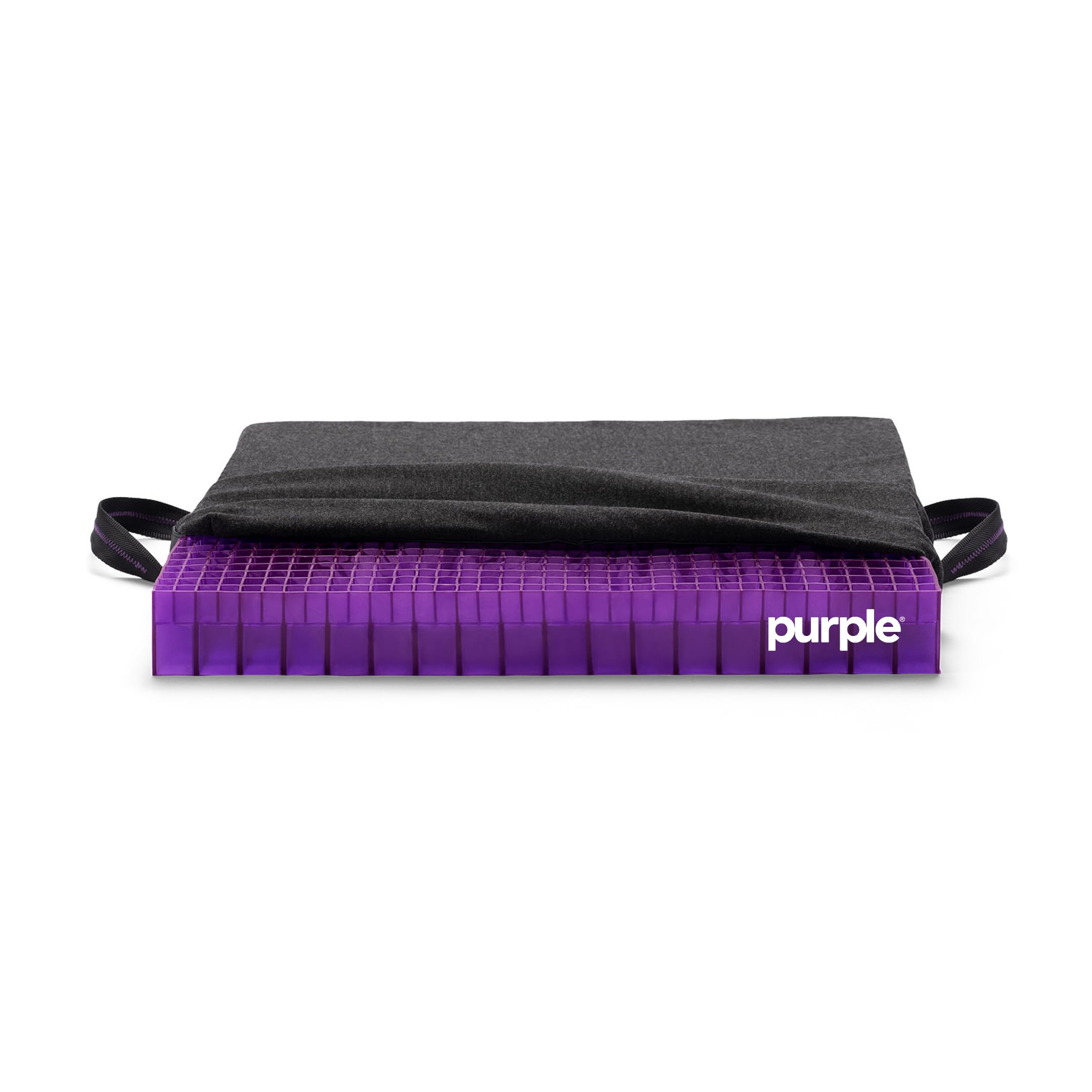
This guide walks you through materials, sizing, firmness, shape, cooling, and care so you can compare options with confidence. Use the comparison table below to check dimensions and features side by side, then read on for details that photos rarely explain.




Who Should Buy a Chair Seat Cushion?
Office and Computer Workers Seated for Long Hours
You sit at a desk for six or more hours a day, and by midafternoon your tailbone aches and your legs feel restless. A supportive cushion raises you slightly, which can help your knees sit level with or just below your hips, and it softens pressure that a thin factory chair pad cannot handle. Look for medium firm memory foam with a contoured top and a washable cover. If your main seat is at a desk, see our guide to the best seat cushions for office chairs for desk specific fit advice.
People Adding Comfort to Dining and Kitchen Chairs
Wooden dining and kitchen chairs look clean, but their flat hard seats get uncomfortable long before dessert or a long family game night ends. You need a thinner, firmer cushion that adds comfort without pushing you too high above the table or sliding when you stand up. Ties or a grip base matter more here than extra thickness. For room by room ideas, see our guide to the best seat cushions for dining chairs and our guide to the best seat cushions for kitchen chairs.
Wheelchair Users and Anyone Seated Most of the Day
If you use a wheelchair or spend most of the day seated, pressure relief is the top priority, not just softness. A cushion that is too soft can let your sit bones sink through to the hard base below, which raises pressure instead of lowering it. You need the right thickness for your weight, a stable base that stays in place during transfers, and a cover that handles moisture well. Redness that does not fade within about thirty minutes after you shift your weight, broken skin, new numbness, or a sore that is not healing are warning signs to contact your doctor or seating clinician promptly.
How to Choose the Best Chair Seat Cushions for Your Chair
Material and Fill
Memory foam is the most common fill because it molds to your shape and spreads pressure evenly across your hips and thighs. Denser memory foam holds its shape longer, while softer foam feels plush at first but may flatten within months. Gel layered foam adds a cooler top surface and extra weight that helps the cushion stay put. Latex foam feels springier, so you sit on it rather than sinking into it, and it stays cooler than dense foam.
Size and Fit
Measure your chair seat from side to side and from front to back before you order, and write those numbers down. A cushion should sit fully on the seat without hanging over the edges, because overhang curls upward, slides around, and creates pressure points at the rim. Also check thickness against your desk height, since a three inch cushion raises you by nearly that full amount.
Firmness and Support Level
Firmness is how the cushion carries your weight, and the right level depends mostly on your body weight and sitting time. Lighter sitters often do well with medium foam that still gives under their sit bones, while heavier sitters usually need firmer, denser foam so they do not bottom out. If you can feel the hard seat through the cushion after a few minutes, it is too soft or too thin for you.
Shape, Cutouts, and Pressure Relief
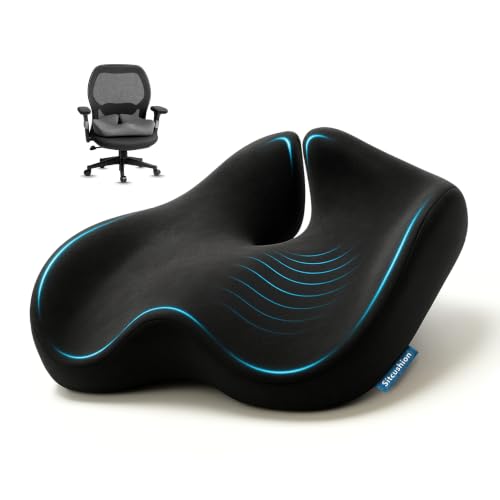
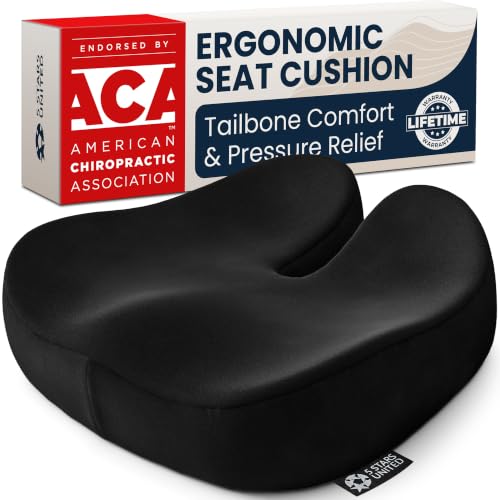
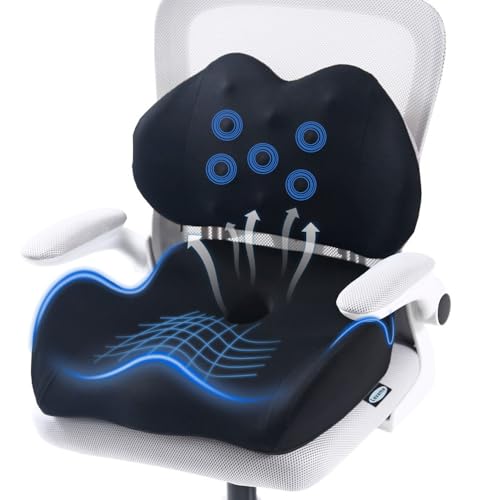
Contoured cushions use raised edges and a dipped center to keep your hips centered and your thighs supported without pressing on the underside of your legs. A rear cutout or a U shaped notch removes direct pressure from the tailbone, which many desk workers find is the biggest comfort gain. Whichever shape you choose, the front edge should taper so it does not dig into the back of your thighs and slow circulation.
Cooling and Breathability
Foam traps body heat, so warm sitters should look for gel layers, open cell foam, or a breathable mesh style cover that lets air move under the thighs. Cotton covers feel soft and breathe well, while linen covers feel cool but wrinkle more easily. For cushion covers, weave and airflow matter more than any fabric count claim.
Cover, Grip Base, and Certifications
A removable cover with a full zipper makes washing simple and extends the life of the foam inside, which you generally cannot wash. The base matters just as much, since a rubberized grip bottom or fabric ties keep the cushion from creeping forward when you shift. Look for foam certified by CertiPUR US, which limits certain chemicals and emissions, and cover fabrics labeled OEKO TEX, which means the textile was tested for harmful substances. A home trial or generous return window is worth using, because ten good minutes may not predict a full week.
Types of Chair Seat Cushions
Memory Foam Contoured Cushions
These are the all purpose choice for office chairs, car seats, and desk chairs at home. The molded top cradles your hips, the dense core supports long sessions, and most include a tailbone cutout. They suit sitters who want one cushion for work and driving, but they can feel warm in summer.
Gel and Cooling Cushions
Gel grid and gel layered designs flex under your sit bones and let air pass through open spaces, so they stay noticeably cooler than solid foam. They suit warm sitters and drivers in hot climates, though grid designs can feel unusual at first and cost more than basic foam.
Thin Dining and Everyday Pads
Thin pads, usually one to two inches thick, add comfort to wooden or metal chairs without changing your sitting height very much. Many come with ties that loop around the chair back posts, which keeps them aligned through meals. If you are comparing general purpose pads across rooms, see our guide to the best seat cushions for a broader overview of styles and sizes.
Choosing Cushions for Specific Chairs
Best Computer Chair Seat Cushions
When you shop for best computer chair seat cushions, focus on desk specific details. The cushion must fit between the armrests, raise you without pushing your elbows above desk height, and stay centered while you roll and swivel. A contoured memory foam model with a grip base and a washable cover handles all three needs well.
Best Wheel Chair Seat Cushions
Shoppers looking at best wheel chair seat cushions should start with pressure relief and skin protection rather than softness alone. Match the cushion width and depth exactly to the wheelchair seat, because gaps at the sides let it shift and create uneven pressure. Firmer foam or gel and foam combinations support transfers better than very soft pads, since your hands press down on the cushion as you move. Talk with your clinician about your pressure risk after any change.
Common Mistakes to Avoid
- Buying by thickness alone, because a thick but soft cushion can bottom out and leave your sit bones pressing on the hard seat.
- Skipping seat measurements, because an oversized cushion curls at the edges and slides every time you sit down.
- Choosing the softest option for tailbone pain, because very soft foam often increases pressure around the tailbone instead of relieving it.
- Forgetting desk and table height, because extra cushion height can leave your elbows and knees at awkward angles all day.
- Ignoring the cover and base, because a cushion you cannot wash or keep in place quickly becomes one you stop using.
- Keeping a flattened cushion too long, because worn foam quietly stops providing the pressure relief you bought it for.
Care and Maintenance Tips
Good care keeps foam supportive and covers fresh, and most of it takes only a few minutes each month. Always check the care label on your own cushion first, since foam types differ.
- Remove and wash the cover on a gentle cycle with mild detergent, then air dry it so the fabric and zipper keep their shape.
- Never soak or machine wash memory foam, because water breaks down the cell structure and the foam takes days to dry fully.
- Spot clean the foam with a damp cloth and a little mild soap, then let it air out in a ventilated room away from direct sun.
- Rotate the cushion front to back each week if the shape allows it, so wear spreads evenly across the surface.
- Let the cushion expand and air for a full day after unboxing, because compressed shipping foam needs time to reach its full firmness.
Chair Seat Cushions: Your Questions Answered
What firmness is best for a chair seat cushion used with back discomfort?
Medium firm is the safest starting point for a chair seat cushion used with back discomfort. It supports your sit bones without feeling like a board, and it keeps your pelvis level so your lower back is not forced into a slump. Firmer is not always better, since a rock hard surface creates its own pressure points. If back pain is new, severe, or paired with leg weakness, see a doctor rather than relying on a cushion change.
Are cooling chair seat cushions worth it for warm sitters?
Yes, cooling chair seat cushions are worth it if you regularly feel hot or sweaty during long sitting sessions. Gel grids and open cell foams move heat away from your thighs far better than solid dense foam. One point many buyers miss is that your chair matters too, because a vinyl seat under any cushion will still trap heat. Pair a cooling cushion with breathable clothing for the best result.
How do I wash chair seat cushions safely at home?
You wash chair seat cushions safely by cleaning the cover and the foam in different ways. Unzip and machine wash the cover in cold water on a gentle cycle, then air dry it fully. The foam itself should only be spot cleaned and aired, never soaked or put in a dryer. Wash the cover in the morning so it is dry by the next workday, and keep a spare cover if you rely on the cushion daily.
How often should I replace my chair seat cushion?
Most people should replace a chair seat cushion after about eighteen months to three years of daily use. The clearest sign is a permanent dip where your sit bones rest, because foam that no longer springs back cannot spread pressure properly. If you sit ten or more hours a day, expect the shorter end of that range.
Is memory foam or gel better for a chair seat cushion?
Memory foam is better for a chair seat cushion when steady, even support is your main goal, because it molds closely and stays consistent for hours. Gel is better when heat buildup bothers you or when you change chairs often, since gel grids adapt quickly to new shapes. Many hybrids layer gel over foam to combine both strengths.
Final Thoughts
The right cushion starts with honest measurements of your chair, then matches foam type, firmness, and shape to your weight and the hours you sit. Contours and cutouts handle pressure relief, a washable cover and a grip base handle daily life, and the product table above pulls those details together for a quick comparison. When you are ready to choose the best chair seat cushions for your desk, dining room, or wheelchair, start with fit and firmness, and use any trial window to check a full week of sitting.


