Best Chair Cushions for Office Chairs in 2026: Types Compared and How to Choose
Disclosure: We may earn a commission when you buy through links on this page, at no extra cost to you. As an Amazon Associate I earn from qualifying purchases. Learn more

Memory foam, gel or latex? Compare the best chair cushions for office chairs by type, user and price to match one to your desk day.
A cushion can save a decent office chair, but the wrong one adds height, slides around, or feels flat by lunch. The best chair cushions for office chairs match your seat size, your body weight, and the way you sit through a workday. This guide compares types and features so you can use the comparison table below with a clear plan.
Start with your main complaint. Note whether your seat feels too hard, too low, or too warm. That problem points to the right shape, thickness, and foam.



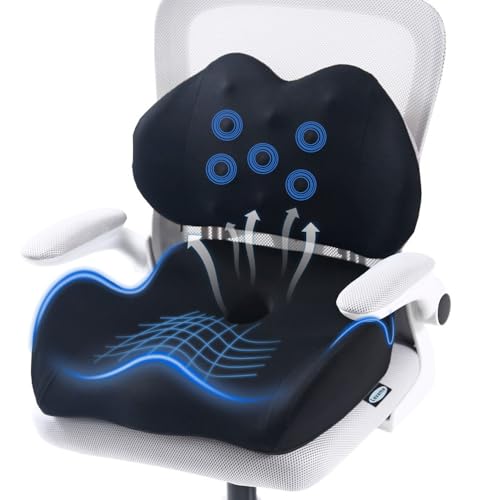
Who Should Buy Which Chair Cushions for Office Chairs?
Your chair, your hours, and your body decide more than brand names do. Match your situation below first, then compare foam types.
Desk Workers Who Sit Six to Eight Hours on a Hard Seat
You feel pressure under your sit bones by midday and shift often. Choose firm memory foam or high resilience foam about 2 to 3 inches thick, with a contoured top that spreads weight. Avoid very soft foam, because it compresses fully and leaves almost no support by the afternoon.
Workers With Tailbone Pressure and Low Back Ache
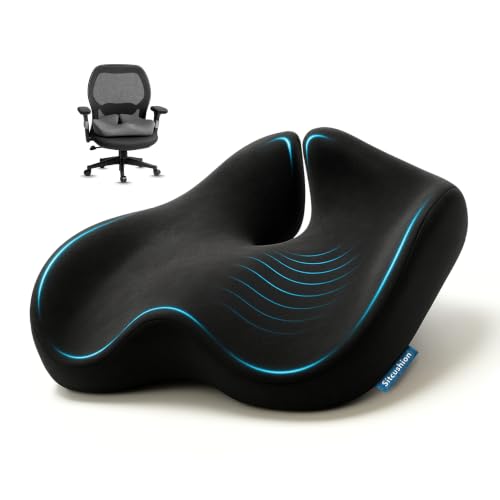
You feel a sharp spot at the tailbone or a dull ache that grows through the day. Choose a cushion with a rear cutout so the tailbone floats instead of pressing into the seat. Add a lumbar pillow only if your chair back lacks support. See our guide to the best office chair cushion for sciatica if leg pain is part of the picture.
People Whose Chair Sits Too Low or Feels Too Flat
You sit with your knees above your hips, or your desk feels oddly high. A thicker cushion around 3 to 4 inches can raise your hips to a better angle. Check that your feet still rest flat and your arms still fit under the desk.
Types of Chair Cushions Compared
When you compare the best chair cushions for office chairs by type, you are comparing how each foam responds to weight and heat. Prices overlap, so response and lifespan matter more than a small gap.
Memory Foam Chair Cushions
Memory foam softens with body heat and molds around your hips and thighs, which spreads pressure over a wider area than a flat pad does. It suits steady sitters who stay in one position for long stretches. The trade off is warmth and a slow response when you shift. Most models cost about $30 to $60.
Gel Infused Memory Foam Chair Cushions
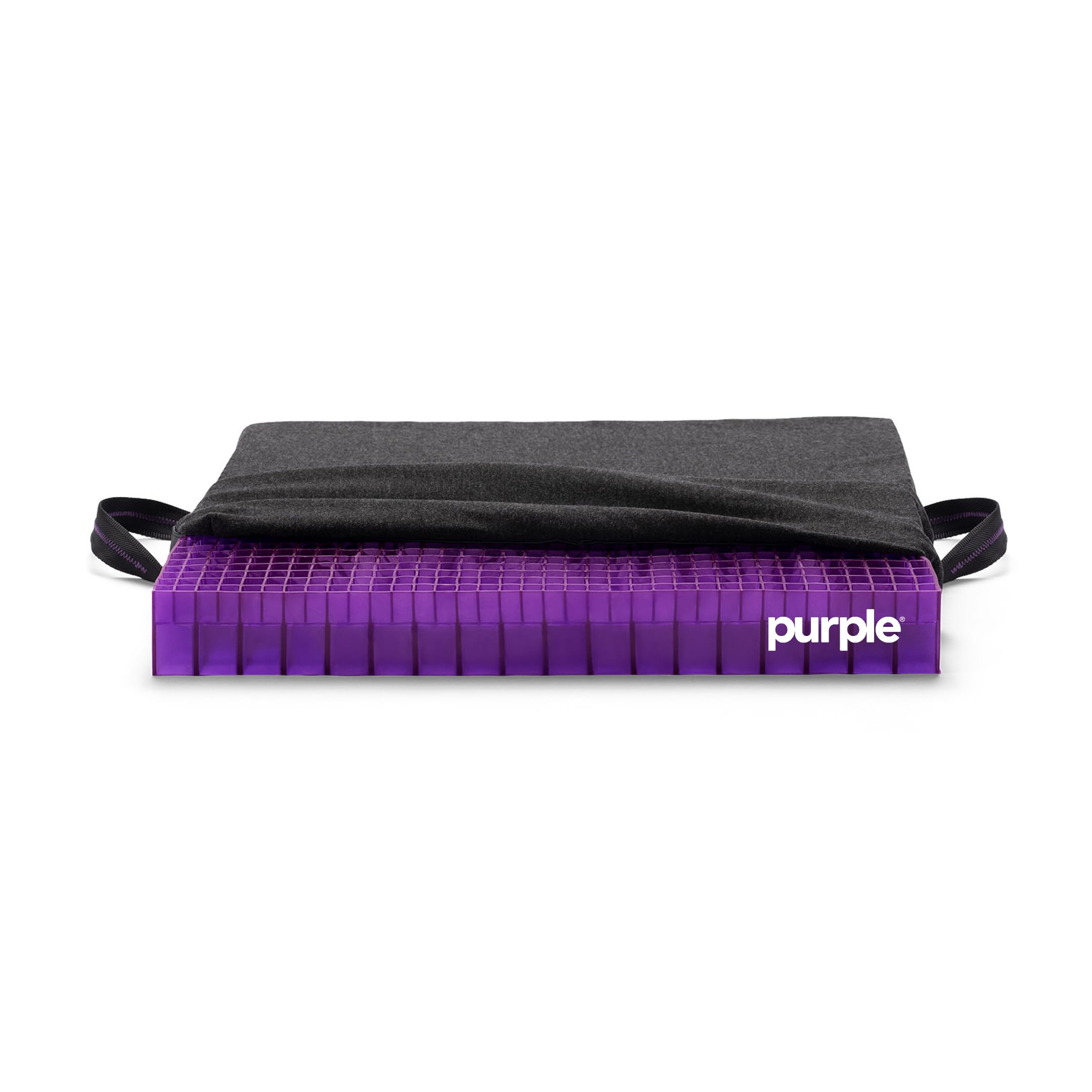
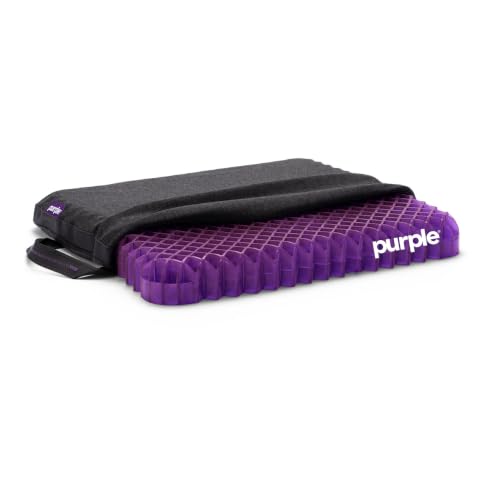
Gel infused foam starts with the same molded feel, then adds gel to pull heat away from the seat surface. It helps if your office runs warm or your chair has a vinyl seat. The cooling effect is modest and fades as the cushion warms, so treat it as a comfort plus. Expect about $35 to $70.
Latex and High Resilience Foam Chair Cushions
Latex and high resilience polyfoam spring back at once when you move, so the seat feels firmer and cooler than memory foam. They suit heavier users and restless sitters who change position often, because the surface holds no deep body imprint. Latex usually costs about $50 to $90, while high resilience foam often costs about $25 to $55.
Key Features to Compare
Use these features in order when you read any listing. A cushion that fails on size or thickness will disappoint you even if other features sound ideal.
Thickness and Foam Density
Thickness sets how much height you gain, while density sets how long the padding lasts. Most office cushions run about 2 to 4 inches thick, and memory foam density is often listed around 3 to 5 pounds per cubic foot. Heavier users should choose the higher end so the foam does not bottom out. If density is not listed, expect a shorter life.
Shape and Tailbone Cutout
A flat pad adds simple padding, a contoured pad cradles the thighs, and a rear cutout removes pressure from the tailbone. Sit bones should land on the widest padded area, not on a raised ridge. If you have numbness that spreads down a leg, weakness in a leg or foot, or pain that keeps getting worse, stop treating it as a cushion problem and talk with your clinician about your personal needs promptly.
Size and Fit on Your Chair Seat
Measure your chair seat before you order. Most office cushions are about 17 to 18 inches wide and about 13 to 15 inches deep, which fits a standard task chair but can overhang a narrow one. One that hangs past the front edge will curl and slide. For seat only options, see our guide to the best seat cushions for office chairs.
Firmness and Pressure Relief
Firmness is how the cushion feels on day one, and pressure relief is how evenly it spreads your weight over hours. A medium firm cushion suits most desk workers, because it supports the hips without feeling like a board. Press the center with your hand, and if your fingers reach the base easily, it will likely bottom out under your weight.
Cover Breathability and Cooling
Mesh covers move the most air and suit warm rooms, while smooth woven covers slide less against trousers. Look for a removable washable cover, plus CertiPUR US foam or an OEKO TEX cover label if low emissions matter to you.
Non Slip Base, Straps, and Weight Rating
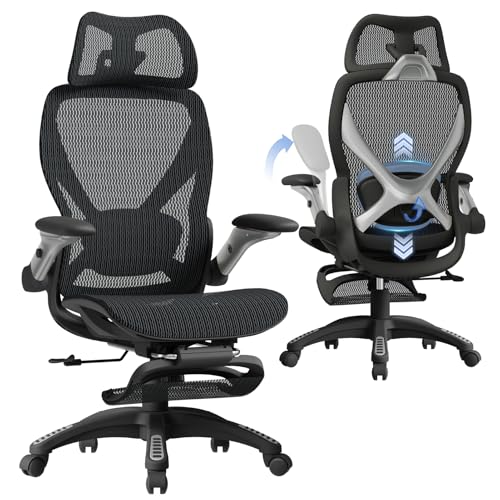
Rubber dots or a textured base grip a smooth seat, and straps help on chairs with an open or curved seat pan. Check the weight rating and stay inside it with a margin, because underrated foam packs down fast. If you plan to replace the whole chair instead, see our guide to the best office task chairs.
How to Choose the Right Chair Cushion
Before you buy, measure the seat as described above and check the gap between your seat top and your desk underside, because a thick cushion can push your thighs into the desk. Then sit on a folded towel of similar thickness for an hour to test the height.
Cushion or New Chair?
The choice comes down to where the problem lives. Buy a cushion when your chair frame, back, and height adjustment still work and only the seat padding has failed. Buy a new chair when the recline is broken or the lift sinks. For cushions that also serve dining chairs, see our guide to the best cushion for chairs.
Common Mistakes to Avoid
- Buying the thickest cushion you can find raises your hips so high that your feet dangle and your back strains.
- Choosing a cushion wider than your chair seat makes the edges curl and press into your thighs.
- Picking the softest foam for long days leaves you sitting on the hard base once it compresses.
- Ignoring desk clearance leaves no room for your thighs once the cushion adds height.
- Using a seat cushion to fix a broken chair lift wastes money, because the sinking stays the same.
- Skipping the weight rating shortens foam life, because overloaded foam packs down fast.
How to Make Your Chair Cushion Last Longer
Take the cushion off the chair once a week and let it rest uncovered overnight, because uncompressed foam recovers its shape better than foam that stays loaded around the clock. Turn it front to back every few weeks if the shape allows it.
Wash the removable cover in cool water and let it air dry, because hot drying can shrink it and pull the foam out of shape. Keep foam out of direct sun and away from heaters, and wipe spills at once rather than soaking it. Replace the cushion when a deep imprint stays after a night of rest.
Chair Cushions for Office Chairs: Your Questions Answered
What features matter most in chair cushions for office chairs used all day?
Fit, firmness, and foam density matter most for all day office use. A cushion that matches your seat size stays in place, and medium firm foam supports your hips for hours. One point many buyers miss is arm height, because a thick cushion raises you while your chair arms stay put, which changes how your shoulders sit at the keyboard.
How do I wash an office chair cushion safely?
Wash only the removable cover, and keep the foam core dry. Unzip the cover, wash it in cool water on a gentle cycle, and air dry it flat. If the foam smells stale, let it air in a ventilated spot away from sun and vacuum it clean. Never put memory foam in a washer, because soaked foam can tear.
What firmness is best for an office chair cushion for back pain?
A medium firm office chair cushion is the safest starting point for general back ache from sitting. It keeps your hips level, which helps your lower back hold a natural curve. Softer is not always kinder, because a cushion that collapses on one side can tilt your pelvis. If pain follows an injury or comes with numbness, get advice from your clinician first.
Are cooling chair cushions worth it for a warm office?
Yes, a cooling chair cushion can be worth it if your seat feels hot within the first hour of work. Gel layers and mesh covers reduce that early heat build up, even though the cushion reaches room warmth later. They help least in a cold room, where gel can feel firm at first sit. Check the return window before you buy.
How often should I replace an office chair cushion?
Replace an office chair cushion when it no longer returns to full thickness after a night off the chair. For daily use, many foam cushions give about one to three years of good support, with denser foam at the longer end. A cushion that once felt fine all day and now feels flat by lunch has already lost its support.
Wrapping Up
Match the cushion to your seat size first, then choose foam type and firmness for your hours and weight, and finally check height against your desk. Use the product table above to confirm thickness, size, and price.
Chosen that way, the best chair cushions for office chairs turn a tired chair into a seat you can work in all day, without a full replacement.