
Best Chair Covers for Dining Chairs for 2026 at Every Price: What Your Money Really Gets You
Disclosure: We may earn a commission when you buy through links on this page, at no extra cost to you. As an Amazon Associate I earn from qualifying purchases. Learn more

Compare the best chair covers for dining chairs by budget with guidance on fabric, fit, and care, so you protect your seats without overspending.
Dining chair covers range from a few dollars each in bulk packs to premium tailored pieces that cost more than some chairs. The best chair covers for dining chairs sit where fabric quality, secure fit, and easy washing meet, and that point shifts with your household. A family with toddlers, a home that hosts holiday dinners, and a renter protecting a deposit all need different things from the same basic product.
This guide breaks the market into clear price tiers, converts the usual sales claims into a simple checklist, and shows which upgrades repay you at the table. Start with the comparison table below, then match your tier to your chairs.
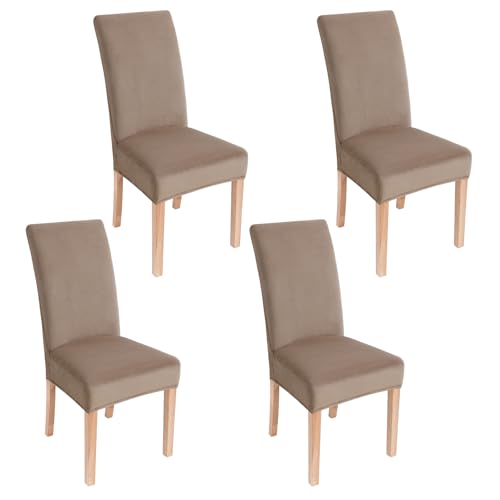
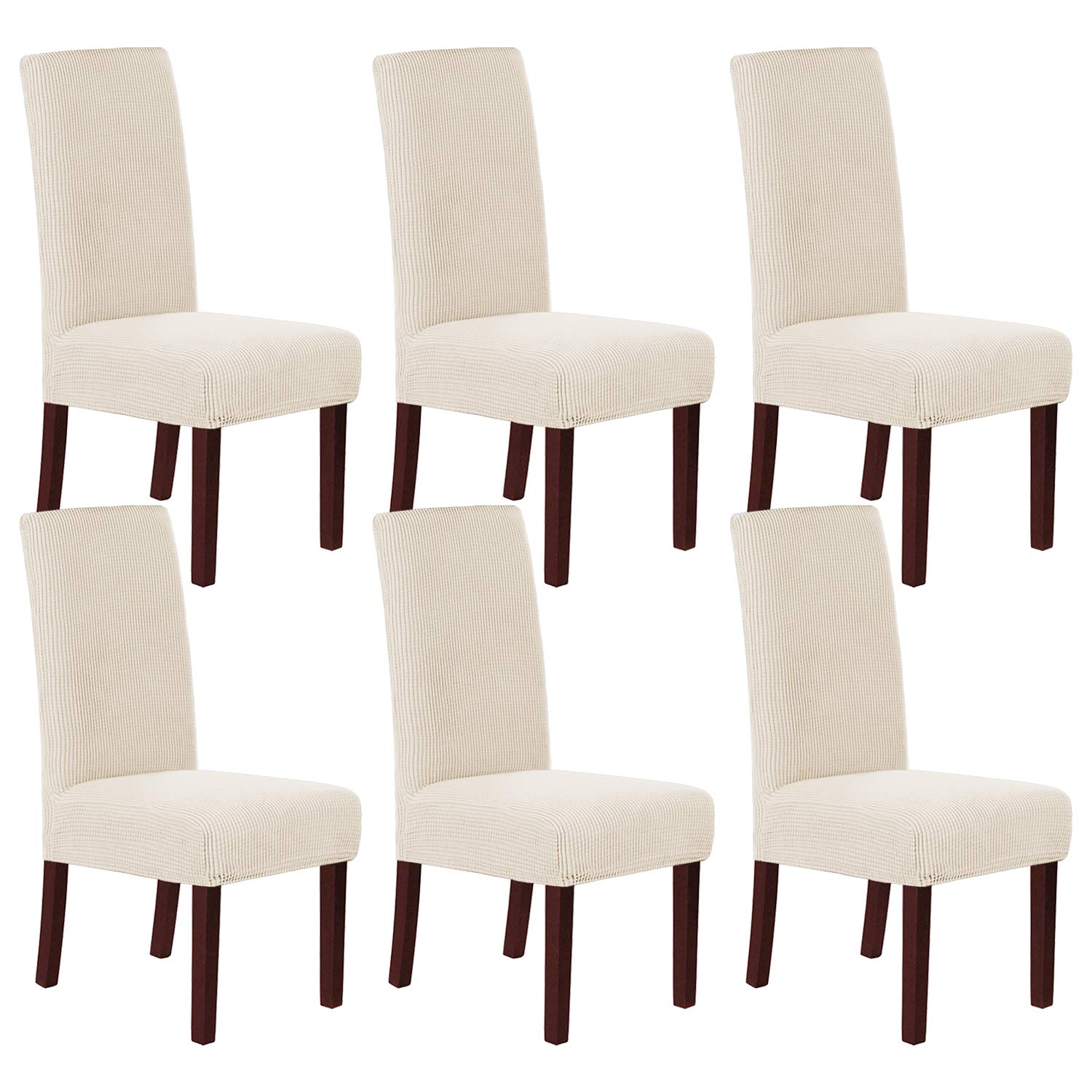
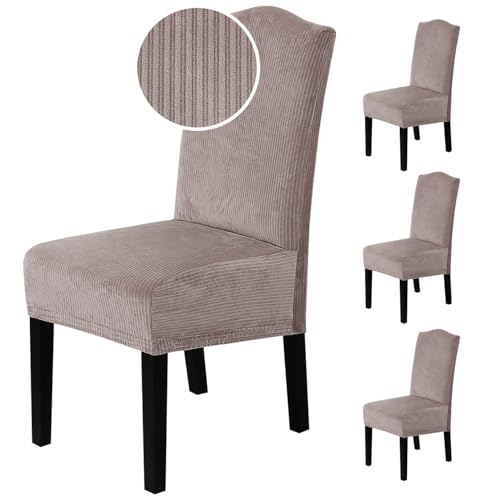
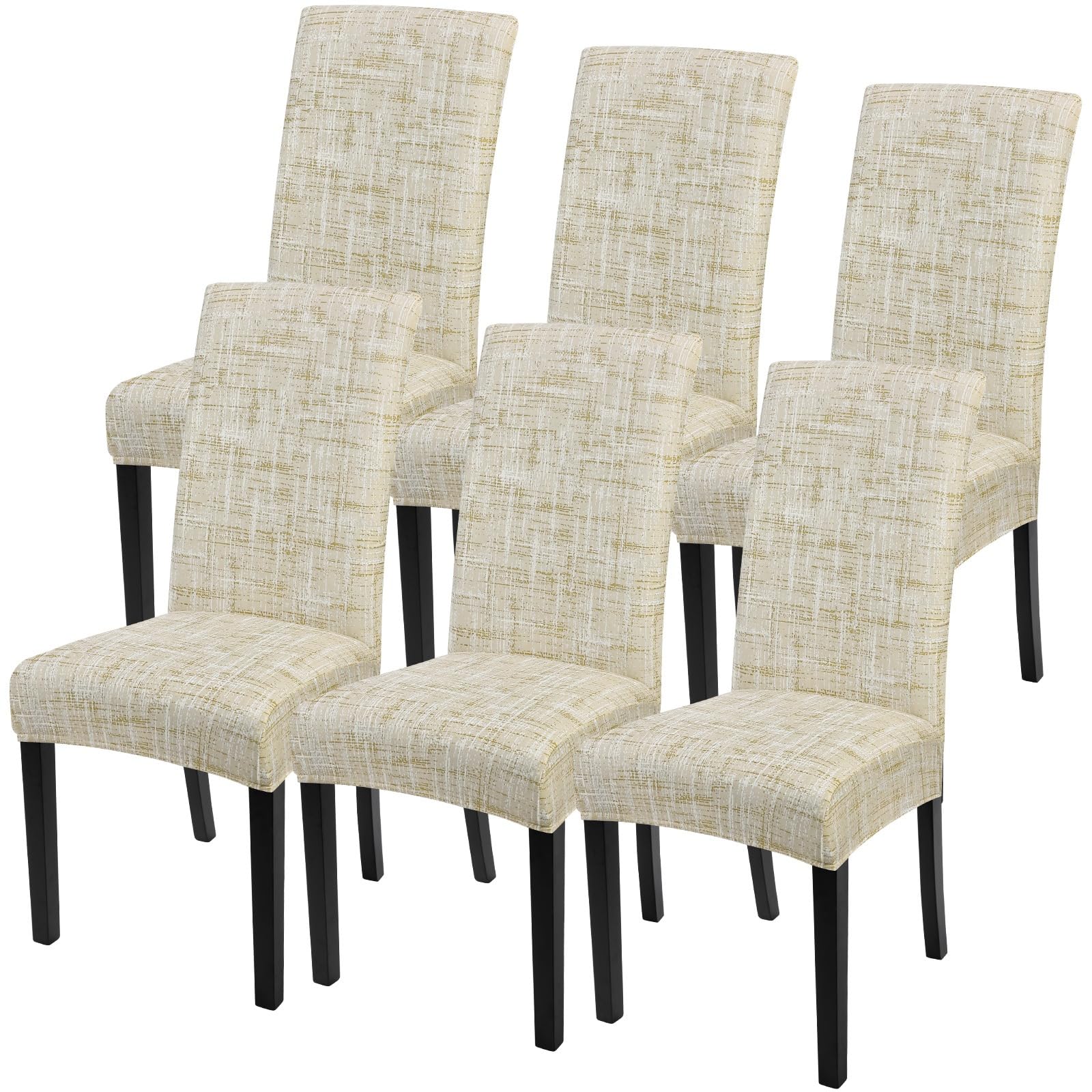



How to Choose by Budget: A Criteria Checklist
Instead of chasing named picks, shop each tier by what it must deliver. If a cover fails the checklist for its price, skip it no matter how good the photos look.
Budget Choice: What Must Be True
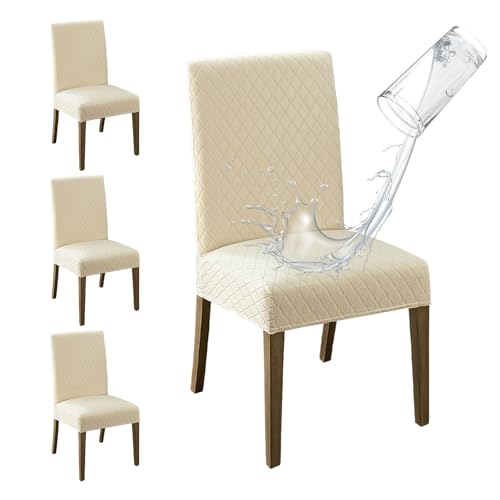
A budget cover, often in sets that work out to under $10 per chair, must stretch evenly, stay put through a normal meal, and survive machine washing without shrinking out of shape. Expect thin stretch fabric, basic colors, and elastic hems rather than straps or ties. That is enough for renters, dorm rooms, and short term protection during a remodel. The honest limit is texture, because thin fabric shows every seam and scuff of the chair beneath it, and lighter colors reveal spills faster than they should.
Midrange Choice: What Must Be True
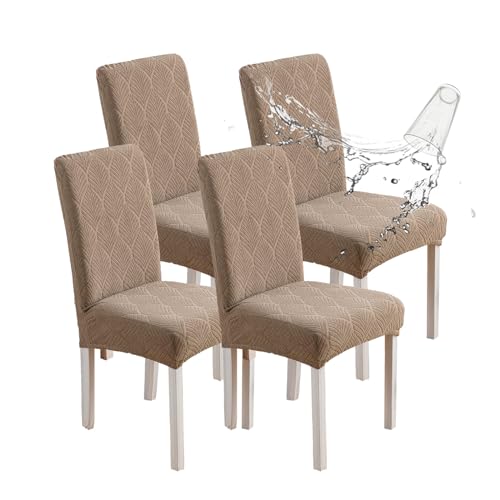
A midrange cover, roughly $10 to $25 per chair in a set, must add better fabric weight, a textured weave that hides the chair beneath, and a fastening system that survives daily sliding. Look for foam rods or ties that anchor the cover into the seat crevice, plus spill resistant finishes for homes with kids. This is the tier where covers start looking like upholstery instead of protection. Shoppers researching cloth options will find our guide to the best fabric to cover dining chairs useful for comparing weaves.
Premium Choice: What Must Be True
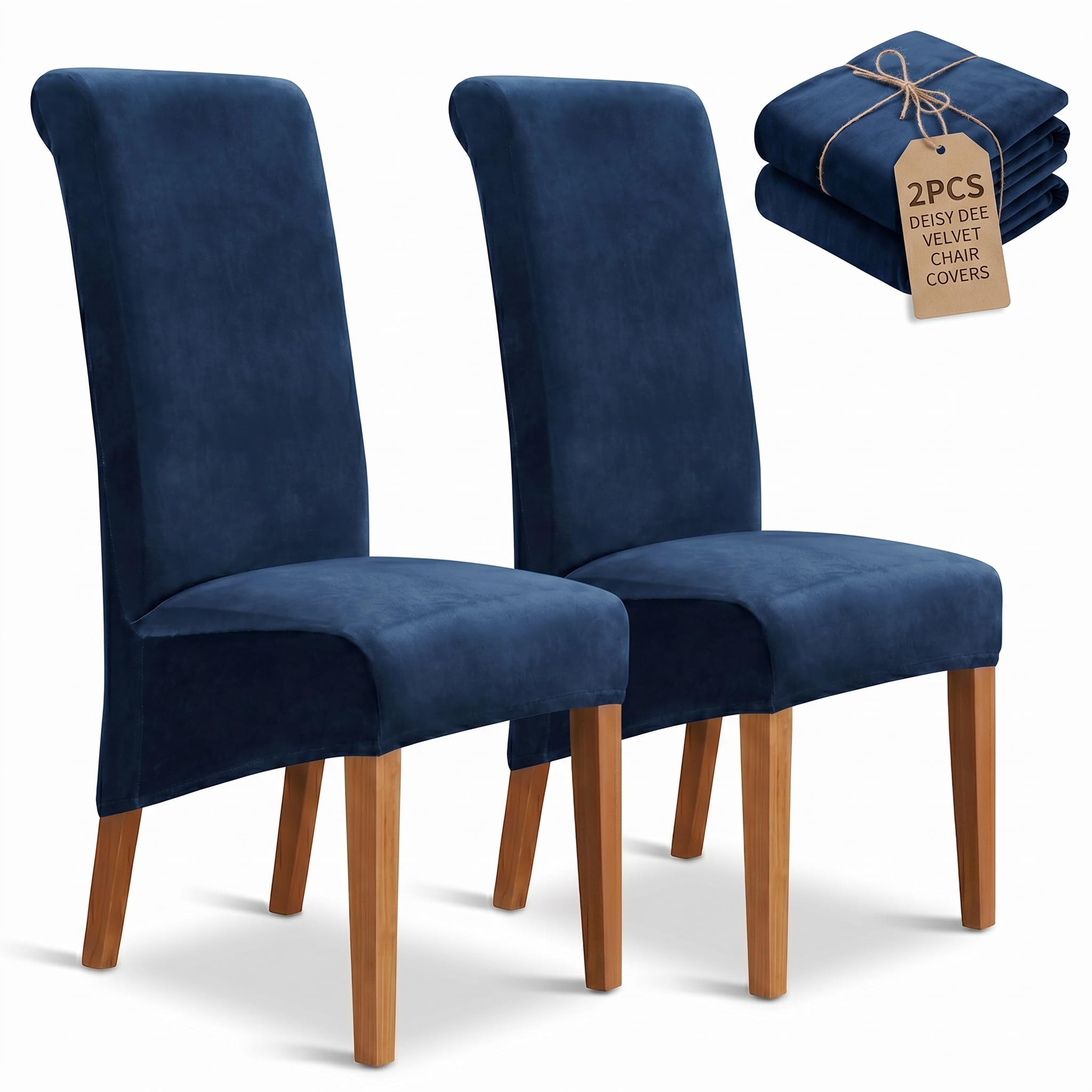
A premium cover, about $25 to $50 or more per chair, must justify itself with tailoring. Separate seat and back pieces, thicker jacquard or velvet style fabrics, and reinforced seams should make the cover read as a deliberate design choice. Stain treatments last longer at this level, and color ranges widen beyond basic neutrals. Premium covers suit dining rooms that double as the face of the home, where guests sit for hours and look closely. If the fabric still wrinkles like a sheet, the price is wrong.
What Your Money Gets You at Each Price Tier
Budget Tier: What to Expect
Budget covers are protective layers first and decor second. A spandex blend stretches over most standard chairs, installation takes minutes, and a full set refreshes a room for very little money. Colors skew basic, patterns are limited, and the fit on unusual chair shapes, such as wingback or ladder back designs, gets loose and bunchy. Plan on replacing them every year or two with regular washing. For a household deciding whether covers suit their routine at all, this tier answers the question cheaply.
Midrange Tier: The Sweet Spot for Most Buyers
Midrange covers balance looks, durability, and price for most dining rooms. Fabrics gain texture and weight, so the cover hides chair contours and feels pleasant under your hands and legs. Fasteners improve, colors and patterns multiply, and spill resistance becomes common. A set of four or six typically runs about $40 to $100, and with normal care it serves for several years. If you host monthly dinners or have school age children, this tier delivers the calmest cost per use in the whole category.
Premium Tier: When Spending More Pays Off
Premium money buys realism and longevity. Thick fabrics with woven patterns mimic reupholstery closely enough that guests may not notice covers at all. Construction improves with double stitched seams, better elastic that keeps its grip, and pieces cut for specific chair silhouettes. These covers tolerate frequent washing while holding color, which matters for white and cream dining rooms. Spend here when the alternative is professional reupholstery, because a premium cover set still costs a fraction of that job while protecting the original fabric underneath.
Features Worth Paying For (and Ones to Skip)
Ergonomics and Adjustability
For a cover, ergonomics means how the chair feels once dressed. A thick stretch fabric should not slide against the seat when you sit down or stand up, because that shifting ruins posture and patience alike. Adjustable straps under the seat let you tension the cover to your chair rather than accepting a generic fit. Check the result by sitting through a full meal. If you keep tugging the cover straight, the fastening system has failed its one job.
Features That Matter for Dining Chairs
Dining chairs impose specific demands. Covers must survive sliding in and out several times a day, contact with food and drink, and frequent washing. Prioritize fabric with at least a small percentage of spandex for recovery, hems that grip below the seat, and seams placed away from the front edge where hands pull. Our guide to the best material to cover dining chairs explains how weave choice affects spill cleanup. Parsons style chairs need full length covers, while side chairs with exposed wood legs need shorter designs.
Assembly and Delivery
Installation is the assembly here, and good covers respect your time. A well designed stretch cover goes on in about two minutes per chair, with the label at the back and the elastic worked around the base by hand. Instructions with photos matter more than you expect, because the first cover teaches the routine for the rest. Check delivery counts carefully, since sets are sold as two, four, or six pieces and miscounting your chairs is the most common ordering mistake in this category.
Style and Room Fit
Color and texture should serve the room, not fight it. Match cover tones to your table finish and flooring first, then use pattern only where the room is plain enough to carry it. Velvet look fabrics suit formal rooms and winter light, while linen look weaves feel relaxed in bright casual spaces. Order one cover or a small set before committing to a full table of eight, and view it in daylight and evening light, because fabric dyes shift under warm bulbs.
Comfort and Cushioning
A cover adds a thin layer between you and the chair, and quality fabric turns that layer into a small comfort gain. Textured weaves feel cooler in summer and grip clothing less than slick synthetics. Covers add almost no real cushioning, so a hard chair stays hard, and thin foam pads under the cover are the practical fix if seat comfort is the true complaint. Readers replacing seating entirely can compare options in our guide to the best dining chairs before spending on covers for chairs they dislike.
Long Term Costs to Factor In
Covers are consumables, so think in cost per year. Budget sets replaced annually can quietly outspend one midrange set that lasts four years. Washing costs stay small, but fabric softener is a hidden enemy, because it coats stretch fibers and weakens grip and spill resistance over time. Keep one spare cover for the inevitable spill during a dinner party, and budget for a second set if you like rotating colors by season. Warranty coverage is rare at budget levels and modest at premium ones, so durability rests mostly on fabric weight and seam quality.
Frequently Asked Questions
What features matter most in chair covers for dining chairs?
Fit security matters most, followed by washable fabric with enough stretch to recover its shape. A cover that creeps up the chair back during every meal fails no matter how pretty the fabric looks in photos. After fit, judge spill resistance and seam strength. Our general guide to the best chair covers covers other chair types, but for dining use, anchor systems and machine washing should lead your checklist every time.
What features matter most for long hours at the table?
For long dinners and holiday gatherings, fabric feel and stability matter most. A textured weave that breathes keeps guests comfortable, and a cover that stays still prevents the constant small adjustments that break conversation. Padding barely changes through a cover, so add thin seat pads beneath if your chairs run hard. Also choose colors that hide minor marks, because a cover that shows every crumb looks tired long before the meal ends.
How long should a good chair cover last?
A good midrange or premium cover lasts about three to five years with regular use and washing. Budget covers often look worn within a year, especially at the front seat edge where hands and clothing rub. Lifespan depends on wash frequency, sunlight exposure, and how often chairs slide across the floor. Rotating two sets doubles the calendar life of each, and washing in cold water with mild detergent preserves both color and elastic.
How do I choose the right size?
Measure before you order, because dining chairs vary more than listings admit. Record the back height from the seat to the top, the back width at its widest point, the seat width and depth, and the full height from the floor if you want a full length style. Compare those numbers to the size chart rather than the chair count in the product name. When your measurements sit between sizes, choose the larger one, since stretch fabric forgives extra room better than shortage.
Is an expensive chair cover worth it?
It is worth it when the chairs underneath are worth protecting or the room is on display often. Premium covers look convincingly like upholstery, wash better, and keep their fit for years, which spreads the cost thin. For a temporary rental or a short remodel, budget covers do the same protective job at a fraction of the price. Decide by years of service, not by the product photo, and the right tier usually becomes obvious.
The Bottom Line
Choose by tier, then verify fit, fastening, and wash care before you order a full set. The comparison table above gathers current options at each price, and the best chair covers for dining chairs for your home are the ones that stay put, wash clean, and suit your room for years. Measure your chairs, try one cover in your own light, and then commit with confidence. Shoppers comparing cloth types can finish with our guide to the best material to cover dining room chairs.


