Best Chair Covers for 2026: A Guide to Fit and Fabric
Disclosure: We may earn a commission when you buy through links on this page, at no extra cost to you. As an Amazon Associate I earn from qualifying purchases. Learn more

How to choose the best chair covers that fit well, stay in place and wash easily, from stretch slipcovers to tailored styles.
A loose cover that slides off every time someone sits down is more trouble than it is worth. The best chair covers stay smooth, keep their shape after washing, and suit the chair underneath rather than hiding it badly. This guide compares fabrics, fit, closures and care so you can choose with confidence, and the comparison table below sums up the main types at a glance.
Start with the chair, not the cover. Measure the back height, seat width and seat depth, and note whether the chair has arms, a curved back or a loose cushion. A cover made for a straight dining chair will not fit a wide office chair, and a stretch cover will not rescue a shape it was never cut for. Keep those measurements beside you while you shop.
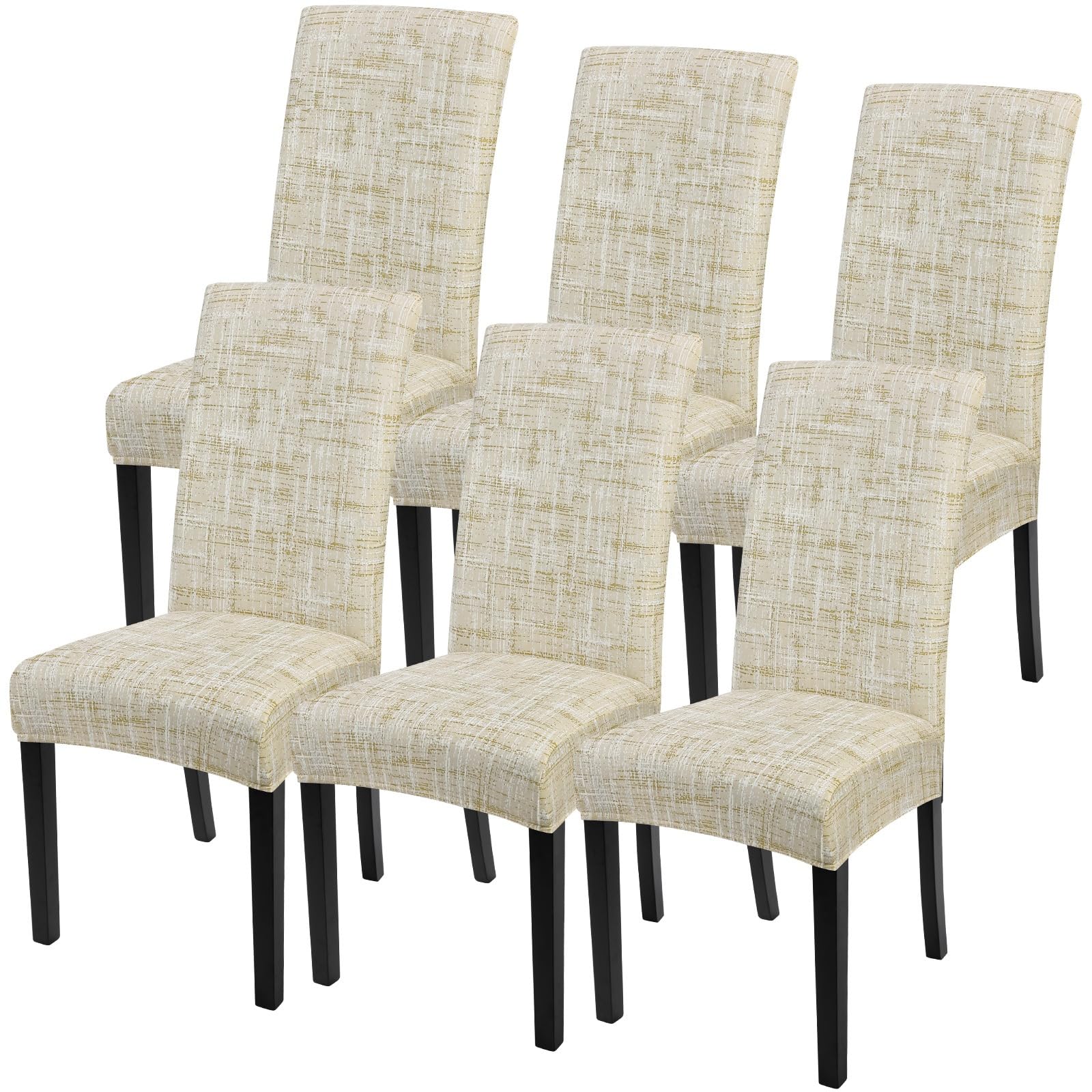


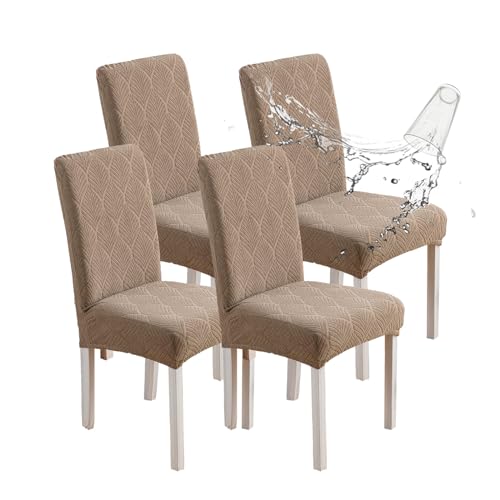
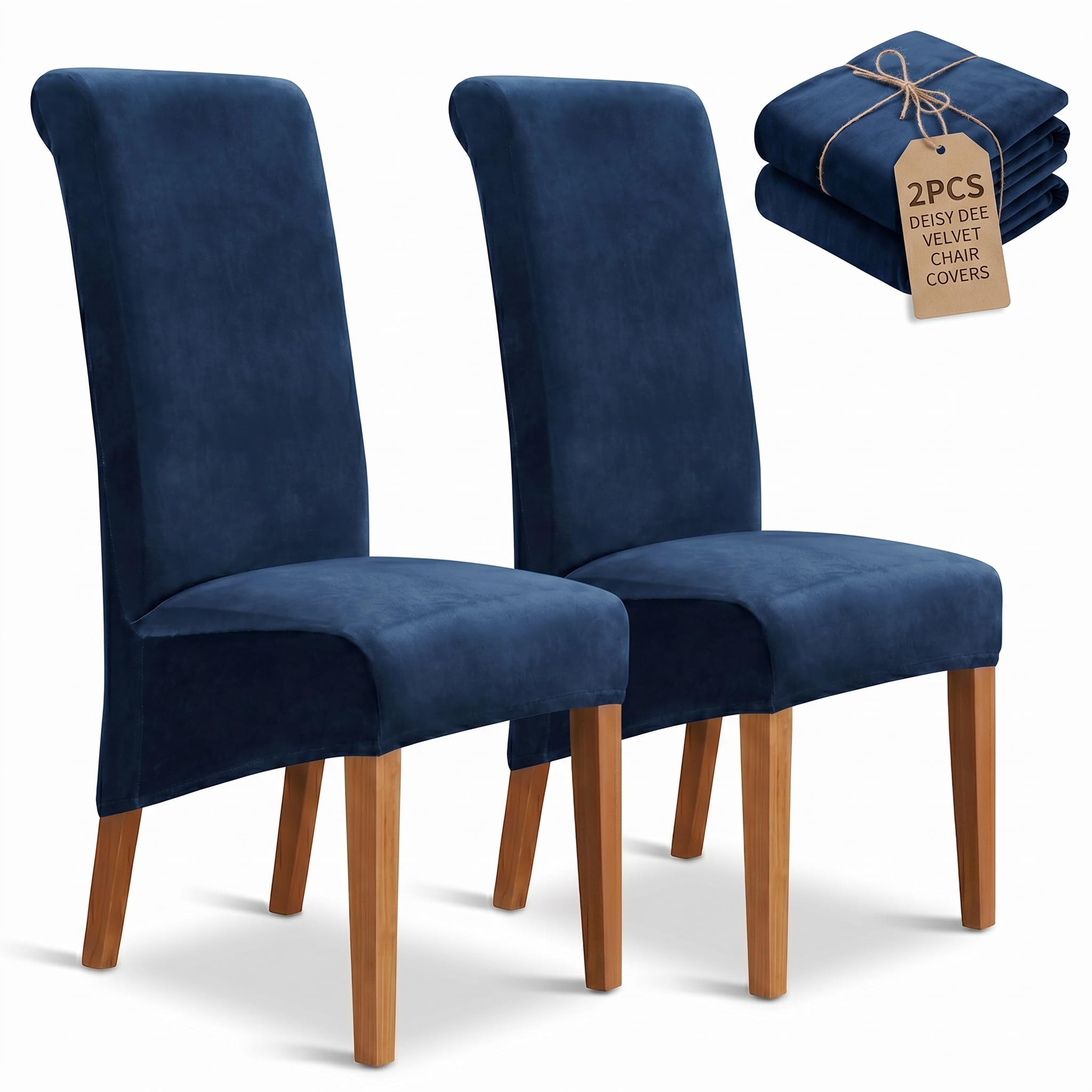

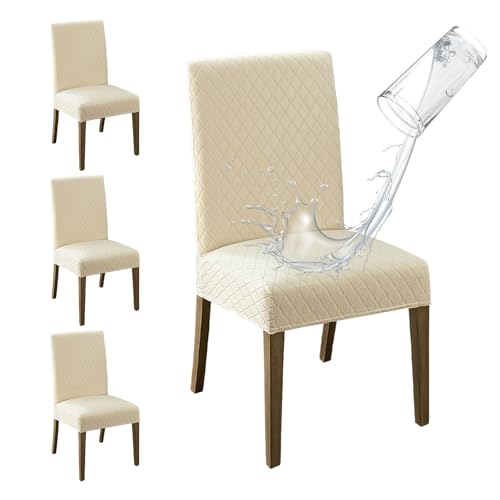
Who Should Buy Which Chair Cover?
Dining Room Owners
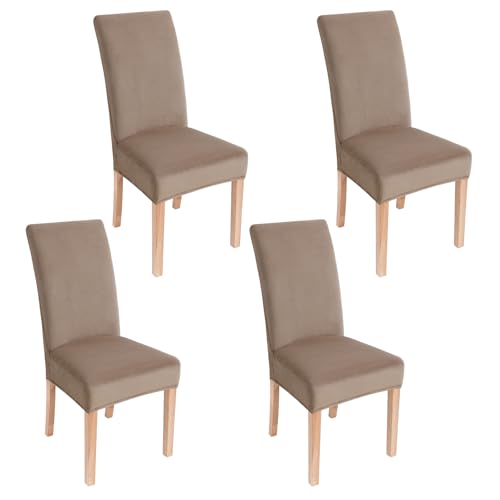
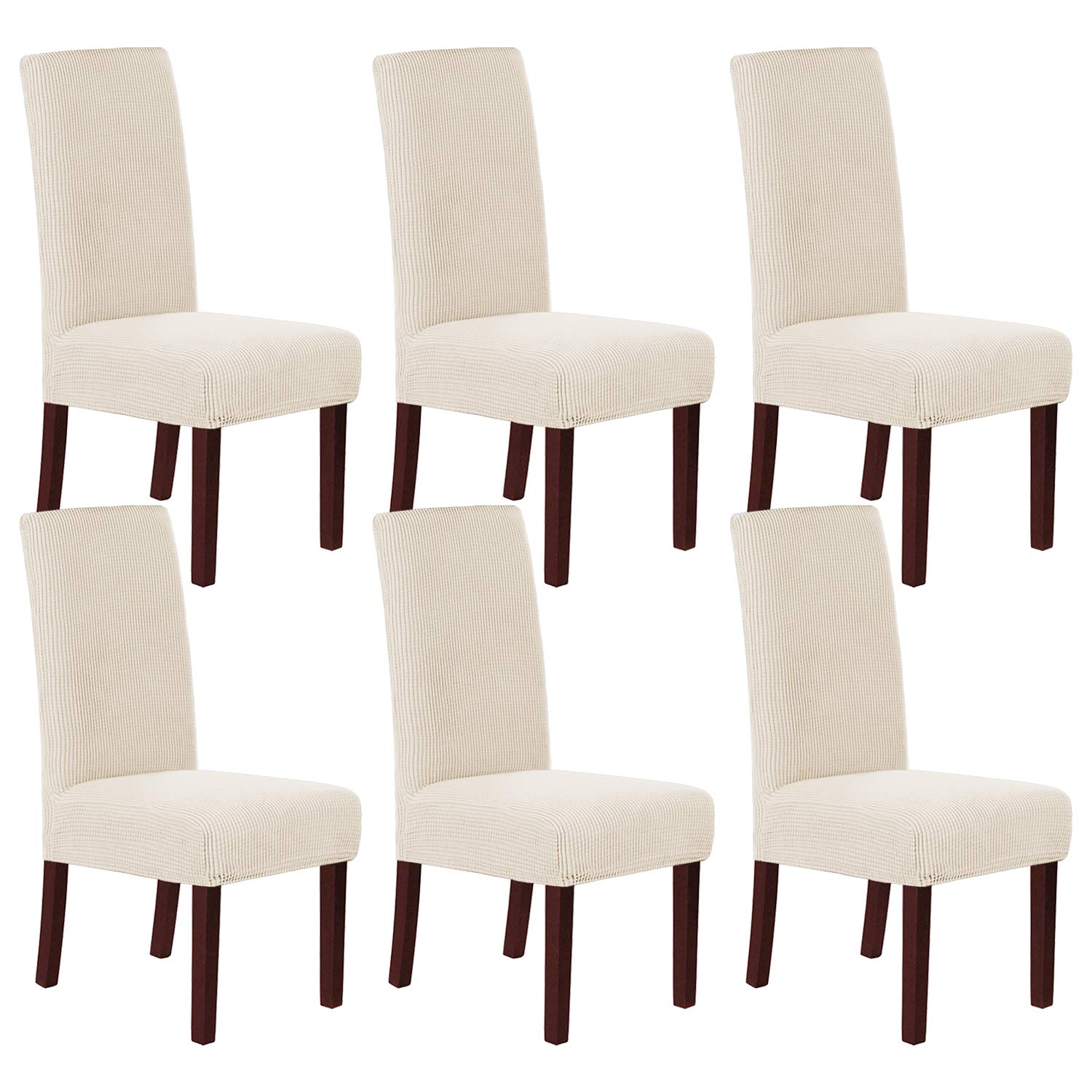
Dining chairs take daily spills, crumbs and chair scrapes, so protection matters more than decoration alone. A washable cover with a snug seat and a smooth back looks tidy at the table and comes off quickly for laundry. Choose a fabric that resists stains and keeps its color after repeated washing.
Home Office Users
Office chairs move, swivel and tilt, so a cover must flex without bunching under the sitter. Stretch fabric works well here because it follows the seat and back as the chair moves. Check that the cover leaves casters, levers and height controls easy to reach, and read our guide to best office task chairs for the chair side of the setup.
Hosts and Event Planners
For parties, weddings and holiday meals, covers give mismatched chairs a unified look for one evening. Simple slip on styles are fastest to fit in bulk, and a neutral color suits most table settings. Plan extra time for steaming or pressing, since wrinkles show more in photos than in everyday use.
Key Features to Compare
Fit and Stretch
Fit is the first test, because a cover that is too tight will pull seams and a loose one will wrinkle and slide. Stretch blends with spandex forgive small size differences, while tailored covers need closer measurements. Compare the stated seat and back ranges with your own numbers, and allow room for any cushion thickness.
Fabric Choice
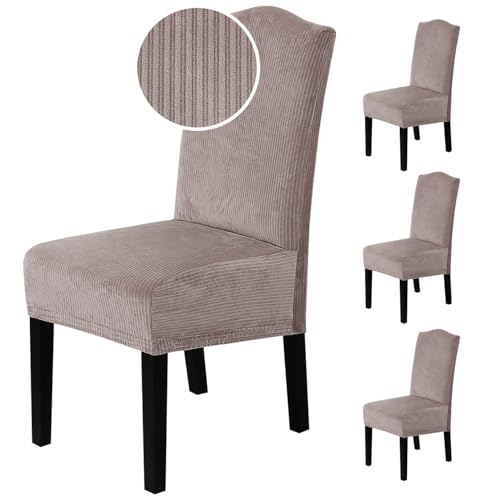
Polyester blends are common because they stretch, resist wrinkles and wash well, while cotton feels softer and breathes better in warm rooms. Velvet and jacquard add texture for formal dining rooms but need gentler washing. See our guide to best fabric to cover chairs when you want a closer look at how each fabric behaves over time.
Closures and Grip
Elastic hems, ties, zippers and straps all help a cover stay put, but they suit different chairs. Elastic works well on simple dining chairs, ties suit chairs with legs that are easy to reach, and a zipper gives a neater finish on a fitted back. Silicone grip strips inside the seat can stop sliding on smooth chair frames.
Washability
Check the care label before you buy, not after the first spill. Machine washable covers suit family dining rooms and homes with pets, while dry clean only styles suit rarely used formal chairs. Dark colors hide stains better, but light colors show fading sooner, so balance looks against laundry reality.
Style and Color
A cover should match the room, not fight it. Solid colors are safest for mixed furniture, subtle patterns hide wear, and a textured weave adds interest without a busy print. If the room already has strong colors, a quiet cover lets the table setting or artwork take the lead.
Padding and Thickness
Some covers add a thin padded layer that softens a hard wooden seat, while others are a single fabric layer that simply protects the surface. Padding helps for long meals, but it also changes fit, so a padded cover needs a little more room. Decide whether comfort or a slim tailored look matters more for that chair.
Types of Chair Covers Compared
The table below compares the main styles by use, strengths, limits and typical price, so you can narrow the choice before looking at fabric details.
| Type | Best For | Pros | Cons | Typical Price |
|---|---|---|---|---|
| Stretch slipcover | Most dining chairs | Forgiving fit, easy to wash | Less formal look | around $20 to $40 |
| Tailored fitted cover | Formal dining rooms | Neat shape, crisp finish | Needs exact measurements | around $30 to $60 |
| Seat only cover | Quick protection | Fast to fit, low cost | Back stays exposed | under $20 |
| Water resistant cover | Pets and young children | Spill protection, easy wipe | Can feel less soft | around $25 to $50 |
Budget Covers
Budget covers use lighter fabric and simple elastic hems, which keeps the price down and makes them easy to replace. They suit spare chairs, rentals and short term use, where a perfect fit matters less than basic protection. Expect thinner fabric and a shorter life under daily washing.
Stretch Slipcovers
Stretch slipcovers are the most forgiving choice, since the fabric pulls smooth over a range of chair shapes. They suit homes where chairs differ slightly in size, and they usually wash and dry without special care. The trade off is a softer, less structured look than a tailored cover.
Tailored Fitted Covers
Tailored covers are cut to a closer shape, with seams, darts or zippers that follow the chair frame. They look neatest in a formal dining room and stay smooth during long meals. Measure carefully, because a tailored cover has little room for error on back height or seat width.
Water Resistant Covers
Water resistant covers add a treated surface that lets spills bead rather than soak straight through. They suit homes with pets, young children or outdoor dining chairs that face damp weather. Check whether the treatment survives washing, since some finishes fade after many laundry cycles.
Spending Levels Explained
At a lower spend, expect simple stretch fabric, elastic hems and a small color range, which is enough for spare chairs and everyday protection. A mid range spend buys thicker fabric, better stitching, more colors and stronger elastic that holds shape after washing. A higher spend buys tailored cuts, richer fabrics and details such as ties, piping or a padded seat, which suit a formal room or a chair you use every day. Spend more where fit and washing matter most, and save on chairs that see little use.
How to Measure and Fit a Cover
Measure the back from seat to top, the seat width at its widest point, and the seat depth from front edge to back. If the chair has arms, measure their height and width too, since arms change the shape a cover must follow. Compare each number with the cover size chart, and choose the larger size when a measurement falls between two sizes. Fit the back first, smooth the fabric down the sides, then pull the seat into place and fasten any ties or elastic last.
Common Mistakes to Avoid
- Guessing the size instead of measuring, which leads to a cover that pulls, wrinkles or will not close.
- Choosing a dry clean only fabric for a family dining room, where spills and frequent washing are certain.
- Ignoring armrests and cushion thickness, which change the shape more than seat width alone suggests.
- Buying one cover to try, then ordering the rest in a different color batch that does not quite match.
- Skipping the care label, so a hot dryer shrinks a cover that fit well on arrival.
How to Make Your Chair Cover Last Longer
Follow the maker care label for water temperature and drying, since heat is the fastest way to shrink stretch fabric. Shake crumbs out before washing, fasten ties and zippers so they do not snag other laundry, and wash covers in a gentle cycle. Keep covers out of strong direct sunlight when they are not in use, and store spares folded in a dry place.
Check elastic and seams every few months, and repair a loose stitch early before it runs along a seam. See our guide to best material to cover chairs for more on which materials hold up best under regular washing.
Frequently Asked Questions
How do I choose the right size chair cover?
Measure back height, seat width and seat depth, and include cushion thickness and any arms in your notes. Compare those numbers with the cover size chart rather than guessing from a chair name or photo. When a measurement falls between sizes, choose the larger size, since a slightly loose cover can be smoothed and tied, while a tight cover will strain seams and slip off.
How long should a good chair cover last?
A well made cover used daily often lasts one to three years, depending on fabric weight, washing frequency and sun exposure. Thicker fabric and strong stitching last longer, while thin stretch fabric may lose elasticity sooner under daily use. Washing in cool water, drying on low heat and keeping covers out of harsh sunlight all help the fabric and elastic hold shape longer.
What features matter most for long meals?
For long meals, seat comfort and a cover that stays put matter more than decoration. Look for a padded seat layer or a thicker fabric that softens a hard chair, plus elastic or ties that stop the cover sliding as people shift. A breathable fabric also helps in warm rooms, since a slick synthetic surface can feel warm and sticky during a long dinner.
Is an expensive chair cover worth it?
A higher price is worth it when the chair is used daily, the room is formal, or the cover must survive frequent washing. Better fabric, stitching and fit show up over months of use rather than on the first day. For a spare chair or a one night event, a lower priced stretch cover gives the same fresh look for far less money.
Can I use the same cover on dining and office chairs?
The same cover rarely fits both well, because dining chairs and office chairs differ in back shape, width and moving parts. A dining cover may block office chair controls or bunch when the chair swivels. Buy covers cut for each chair type, and try one office cover through a full workday before ordering a set.
Final Thoughts
Fit, fabric and washability decide whether a cover earns its place, while style and price decide which one you will enjoy living with. Measure first, match the fabric to how the chair is actually used, and check the care label before you commit. The best chair covers are the ones that stay smooth, wash well and suit the room, and the product table above is a good place to compare the types side by side before you choose.