
Best Chain Watches under 1000: Types Compared and How to Choose for 2026
Disclosure: We may earn a commission when you buy through links on this page, at no extra cost to you. As an Amazon Associate I earn from qualifying purchases. Learn more

Compare the best chain watches under 1000 by solar, dive, smart and automatic types, with fit, upkeep and price guidance.
A budget of $1000 opens four very different doors. Behind one sits a solar watch that asks almost nothing of you, behind another a mechanical automatic with real craft, and the dive, field, and smart styles each argue their own case. Shoppers comparing the best chain watches under 1000 usually get stuck because the types solve different problems, not because one is simply better.
This guide compares each type by who it suits, what it costs to own, and where prices land within the budget. The product table below shows current options, and the sections after it will help you pick a type first and a specific watch second, which is the order that leads to a purchase you keep enjoying.

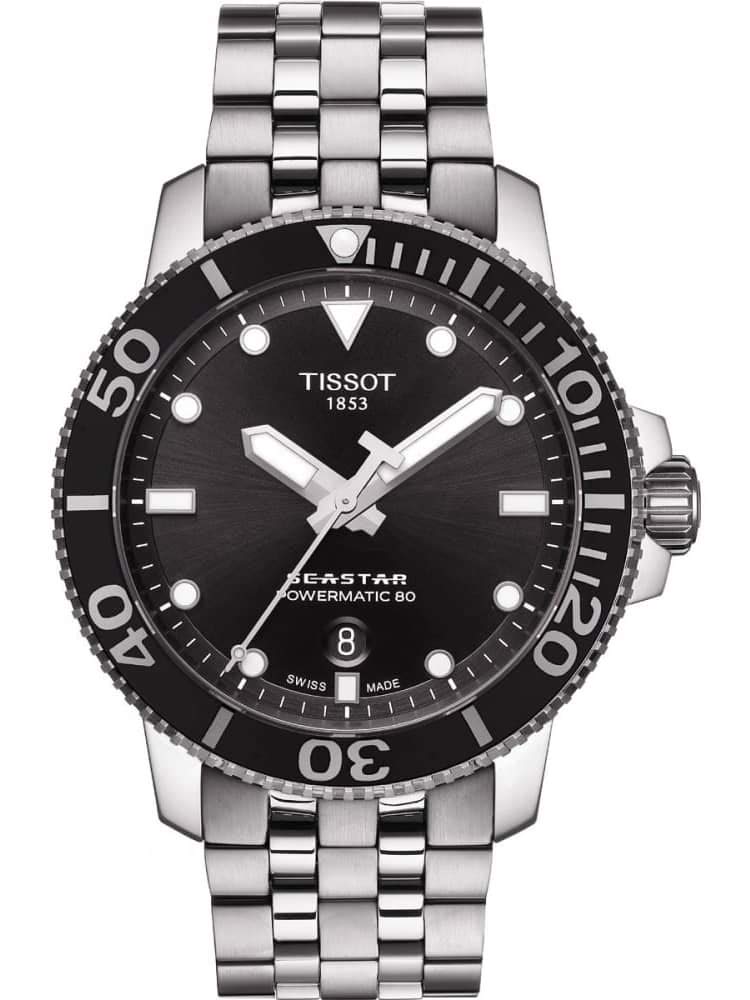


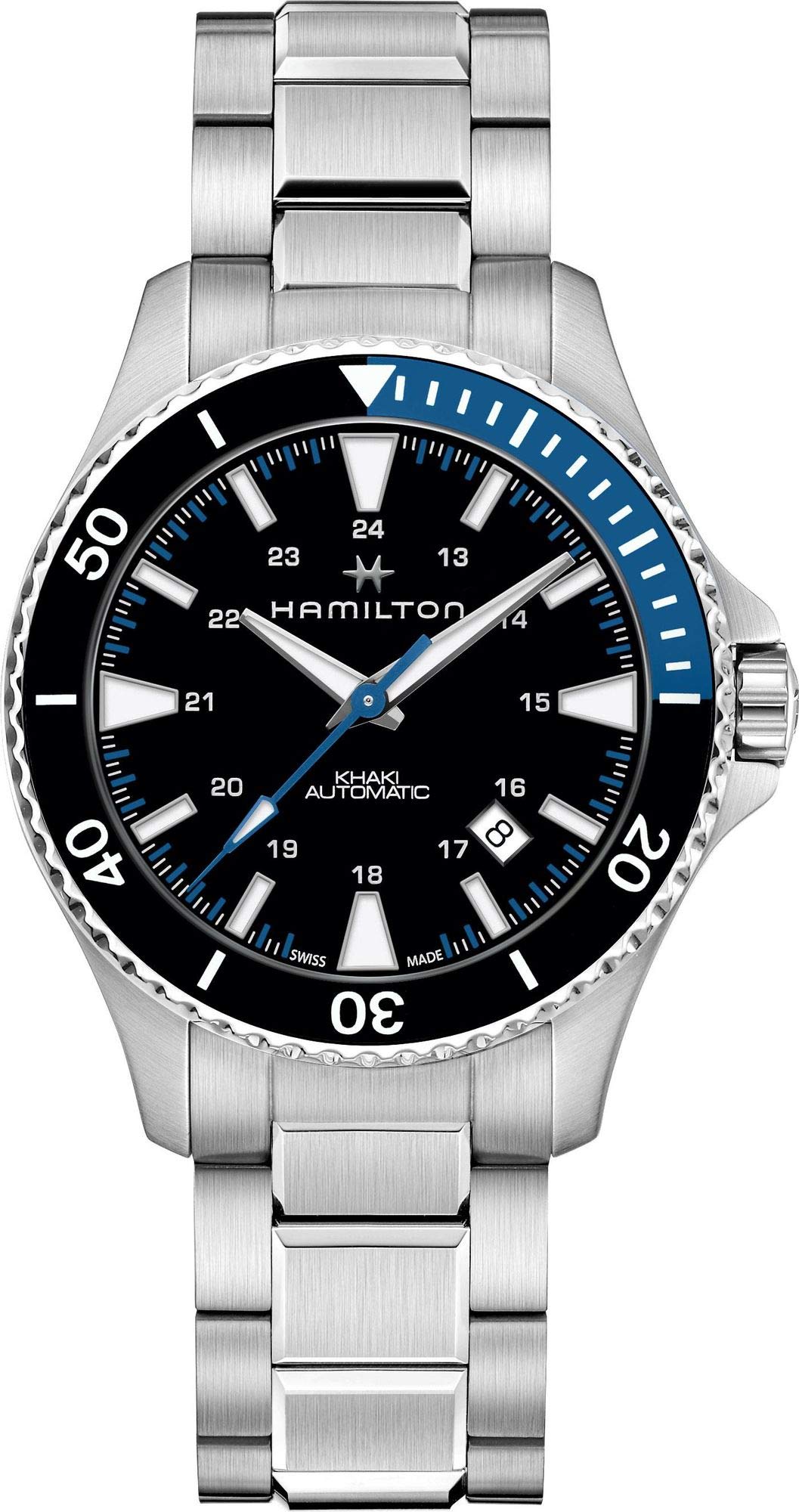
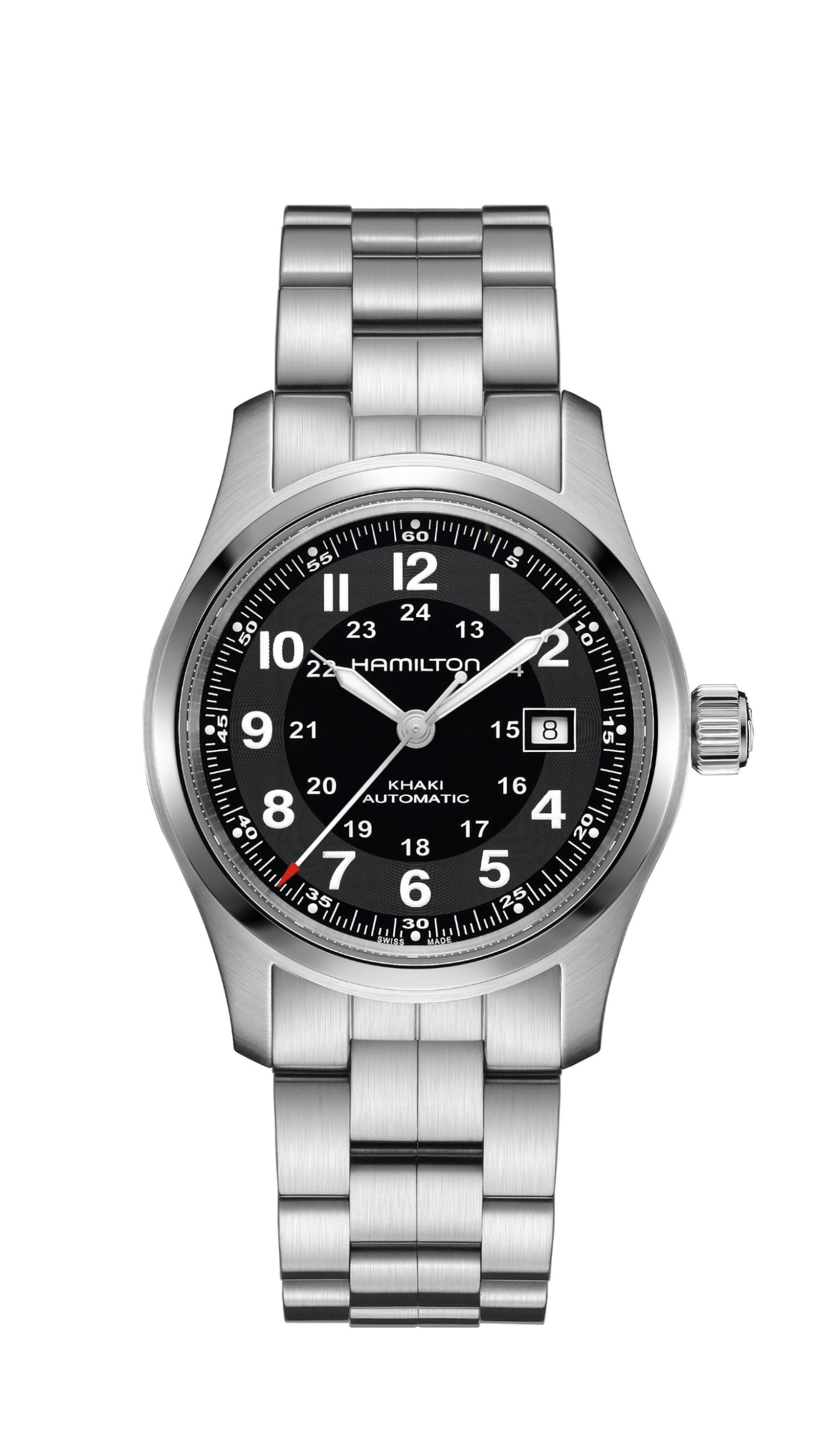

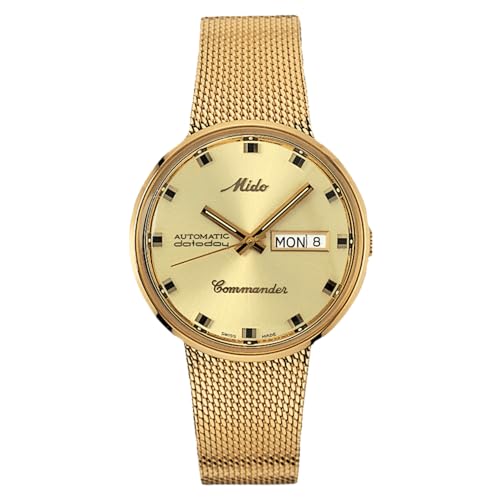
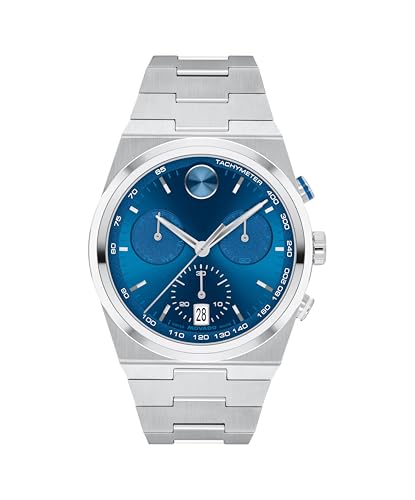
Types of Chain Watches Compared
Read this section as a map rather than a ranking. Solar watches typically run about $200 to $600 on a metal bracelet and suit low upkeep owners. Dive and field watches run about $250 to $900 and suit active wearers. Smartwatches with link bracelets run about $300 to $800 and suit connected users. Automatic watches run about $400 to $1000 and suit mechanical fans. Your daily routine should narrow the list to one type before price does.
Solar Watches
Solar watches charge through the dial from daylight or indoor light, then run for months in the dark on stored power. On a chain bracelet they make an unusually carefree package: no battery swaps for a decade or more, no winding, and quartz accuracy throughout. Prices under $1000 buy sapphire crystals and tidy bracelets that were once premium only features. The limits are design and longevity of the cell. Dial materials must pass light, and after many years the rechargeable cell loses capacity and needs a professional swap. Choose solar if you want one watch that is always ready and rarely needs attention.
Dive and Field Watches
Dive watches bring 200 m water resistance, a rotating bezel for timing, and strong lume for dark water or dim rooms. Field watches borrow the toughness in a simpler case, with high contrast dials built for quick reading outdoors. Both pair naturally with a steel link bracelet that can be rinsed clean after a muddy or salty day. Expect to pay about $250 to $900 for sapphire crystals and solid bracelets in this group. The trade off is bulk, since dive cases run thick and heavy on a metal bracelet. Our dedicated guide to the best dive watches under 1000 goes deeper on bezel and crown details.
Smartwatches
Smartwatches on metal link bracelets blur the line between a gadget and a dress watch, and under $1000 the bracelet is often an accessory rather than the standard fit. The strengths are real: notifications, calls, workout tracking, GPS, and contactless payment from your wrist. The costs are also real. Battery life runs one to three days, software support ends within several years, and a link bracelet adds weight that some runners dislike. Choose this type if the digital features will genuinely run your day. If you only want the time and date, the other types will serve you longer for the same money.
Automatic Watches
Automatic watches hold a mechanical movement that winds from your wrist motion, with no battery at all. Under $1000, this category has improved sharply: expect sapphire crystals, solid link bracelets, and movements with about 40 to 80 hours of power reserve from respected makers. The experience is the draw, from the smooth seconds sweep to the knowledge that the watch can run for decades with periodic care. The compromises are accuracy measured in seconds per day rather than per month, and a service bill every 5 to 7 years. Our guide to the best automatic watches under 1000 explains movement specs in more detail.
Solar Watches vs Dive and Field Watches: Which Should You Choose?
These two types compete for the same buyer, the person who wants one tough watch for everything. Compare them on upkeep first. A solar watch needs light and almost nothing else, while a dive or field watch in quartz form needs battery changes, and in automatic form needs servicing. On water, the dive watch wins clearly with its 200 m rating and timing bezel. On weight, solar usually wins, because dive cases and bracelets run heavy. On looks, the field watch is the quietest and most office friendly of the group. Choose solar for the lowest effort ownership, and choose dive or field if your weekends involve water, trails, or work where a bezel and lume earn their keep. Travelers who cross time zones often should also browse our guide to the best gmt watches under 1000 before deciding.
How to Choose the Best Chain Watches Under 1000
Strap and Bracelet Options
On a chain watch, the bracelet is half the product, so grade it hard. Solid links beat folded links for feel and durability, and solid end links stop the rattle where bracelet meets case. Check the clasp for micro adjustment, because your wrist changes size across a day and across seasons. A bracelet that tapers from the case toward the clasp usually wears smaller and more comfortably. Also confirm the lug width, since a standard 20 or 22 mm opening lets you add leather or silicone straps later with quick release spring bars.
Movement Type (Quartz, Automatic, Solar, Smart)
Movement choice is really a choice about habits. Quartz is the accuracy and value champion, asking only for a battery every few years. Solar removes even that chore and suits a watch kept in rotation, since any light keeps it charged. Automatic rewards daily wear and punishes rotation, because a stopped watch needs winding and resetting. Smart movements reward people who live by notifications and health data. Be honest about which owner you are. More watch regrets come from a movement that fights the owner routine than from any case or dial decision.
Water Resistance Rating
Translate ratings into real life before you pay for numbers you will never use. A 30 m watch handles splashes only. A 100 m watch swims and snorkels happily and covers nearly every owner. A 200 m watch adds diving security and usually a screw down crown. Money spent jumping from 100 m to 200 m buys little for a desk worker, while money spent reaching 100 m buys genuine freedom for anyone active. Note that ratings assume fresh seals, so a swim watch deserves a pressure check every couple of years at a watchmaker.
What You Can Realistically Get Under $1000
Under $1000, you can realistically get a sapphire crystal, a solid link bracelet with a milled clasp, 100 to 200 m water resistance, and a movement from a respected maker. That combination was nearly impossible at this budget a generation ago. What you generally give up is hand finishing, precious metals, and in house movements with long warranties. Do not save money on the bracelet or the crystal, because you touch and see both daily. If a watch at about $700 and another at about $950 differ mainly in logo, the cheaper one is usually the smarter buy. For a wider view of the bracket, see our roundup of the best watches under 1000.
Tips to Get the Most From Your Chain Watch
- Service automatic watches every 5 to 7 years. Fresh lubricant and new seals protect the movement and restore the water resistance you paid for.
- Rinse after saltwater exposure. Salt crystals dry inside bracelet links and under rotating bezels, and a fresh water rinse prevents gritty damage.
- Store away from magnets. Phone speakers and magnetic clasps can magnetize a mechanical movement, and distance in storage costs nothing.
- Keep solar watches in the light. A solar watch stored in a dark drawer for months can stop, so rest it near a window between wears.
- Use the micro adjustment. A bracelet sized perfectly in a cool shop will feel tight on a hot afternoon, so set the clasp to its middle position at purchase.
Frequently Asked Questions
Can you get a good chain watch under $1000?
Yes, and this is one of the strongest budgets in watch buying. Around $500 to $1000 buys sapphire crystals, solid link bracelets, and movements from makers with real service networks. The watches you give up at this level are luxury finished pieces, not durable daily wearers. One caution: spend on the bracelet and crystal before dial decoration, because those two parts decide how premium the watch feels every single day you wear it.
How water resistant should a watch be?
For most owners, 100 m is the right target, because it covers swimming, snorkeling, and every rainy day without worry. Choose 200 m only if you dive or want the extra security of a screw down crown. Ratings assume the crown is fully pushed or screwed in, so make checking the crown part of your routine before swimming. A watch that never leaves dry land can save money at 50 m instead.
Quartz or automatic: which is better?
Quartz is better on accuracy, price, and effort, while automatic is better on craft and long term mechanical charm. A practical test helps. If you own one watch and wear it daily, an automatic stays wound and happy. If you rotate several watches, quartz and solar models wait patiently and show the right time when you return. Under $1000, neither choice is a mistake, but a mismatch with your habits will annoy you weekly.
How long does a watch battery last?
A standard quartz battery lasts about 2 to 3 years, and watches with alarms, lights, or chronographs often land at the shorter end. Many movements warn you by making the seconds hand jump in steps when power runs low. Replace a dead battery soon after it stops, since old cells can leak. One ownership tip: ask the technician to replace the case back gasket at the same visit, because opening the case disturbs the old seal.
Is a smartwatch worth it over a classic watch?
It is worth it if notifications, training data, and payments will change how your day runs. It is not worth it as jewelry, because the screen ages, the battery fades within years, and the link bracelet cannot rescue a dated display. Classic chain watches under $1000 can serve for decades with basic care. Many buyers settle the question by owning one of each and wearing the smartwatch for workouts only.
What case size fits my wrist?
Fit the lug to lug length to the flat of your wrist and the watch will look balanced at almost any diameter. Slim wrists usually suit 36 to 40 mm cases, average wrists 40 to 42 mm, and broad wrists 42 to 44 mm. Chain bracelets add visual weight, so a metal bracelet watch looks larger than the same case on leather. If you fall between sizes in the store, pick the smaller one for daily comfort.
Wrapping Up
Pick the type that matches your routine, then spend the budget on a solid link bracelet, a sapphire crystal, and honest water resistance. Solar wins on ease, dive and field win on toughness, smart wins on features, and automatic wins on craft. The best chain watches under 1000 for you sit at the crossing of those priorities and your wrist size. Compare the finalists in the product table above, and buy the one you will wear daily.


