
Best Automatic Dive Watches Under 1000 2026: Value and Depth
Disclosure: We may earn a commission when you buy through links on this page, at no extra cost to you. As an Amazon Associate I earn from qualifying purchases. Learn more

Learn how to choose the best automatic dive watches under 1000 for water resistance, bezel use, lume, and daily wear, with movement and bracelet advice.
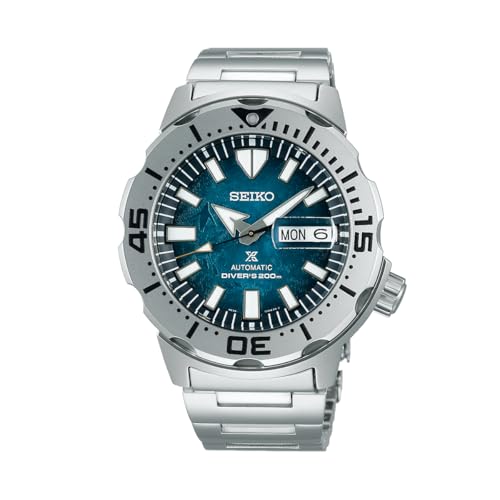
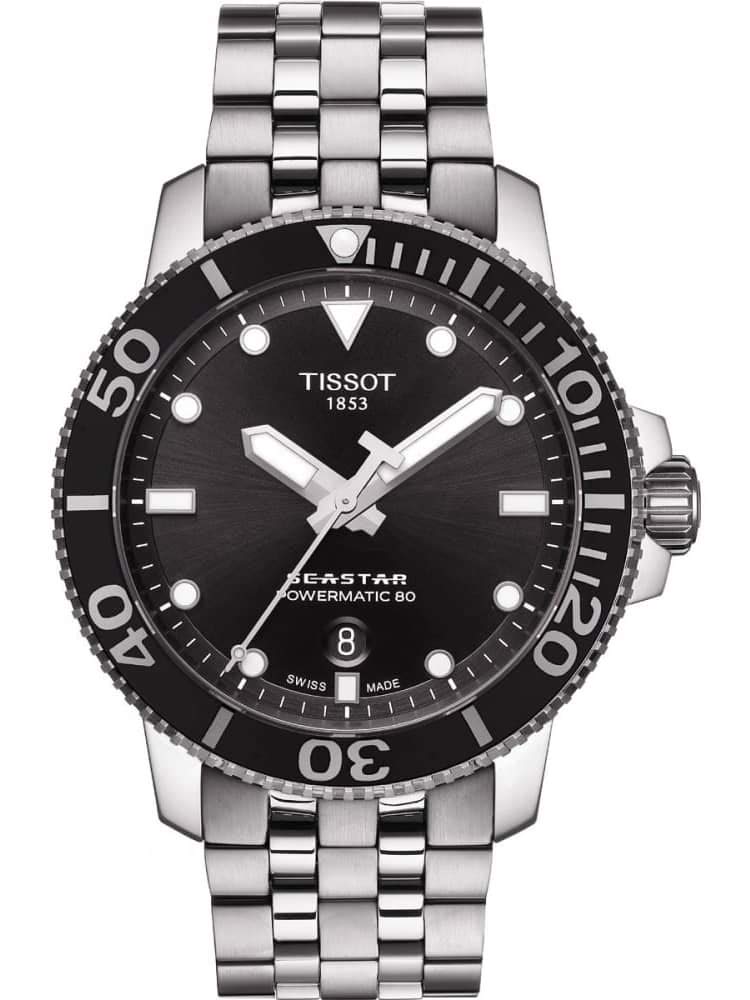
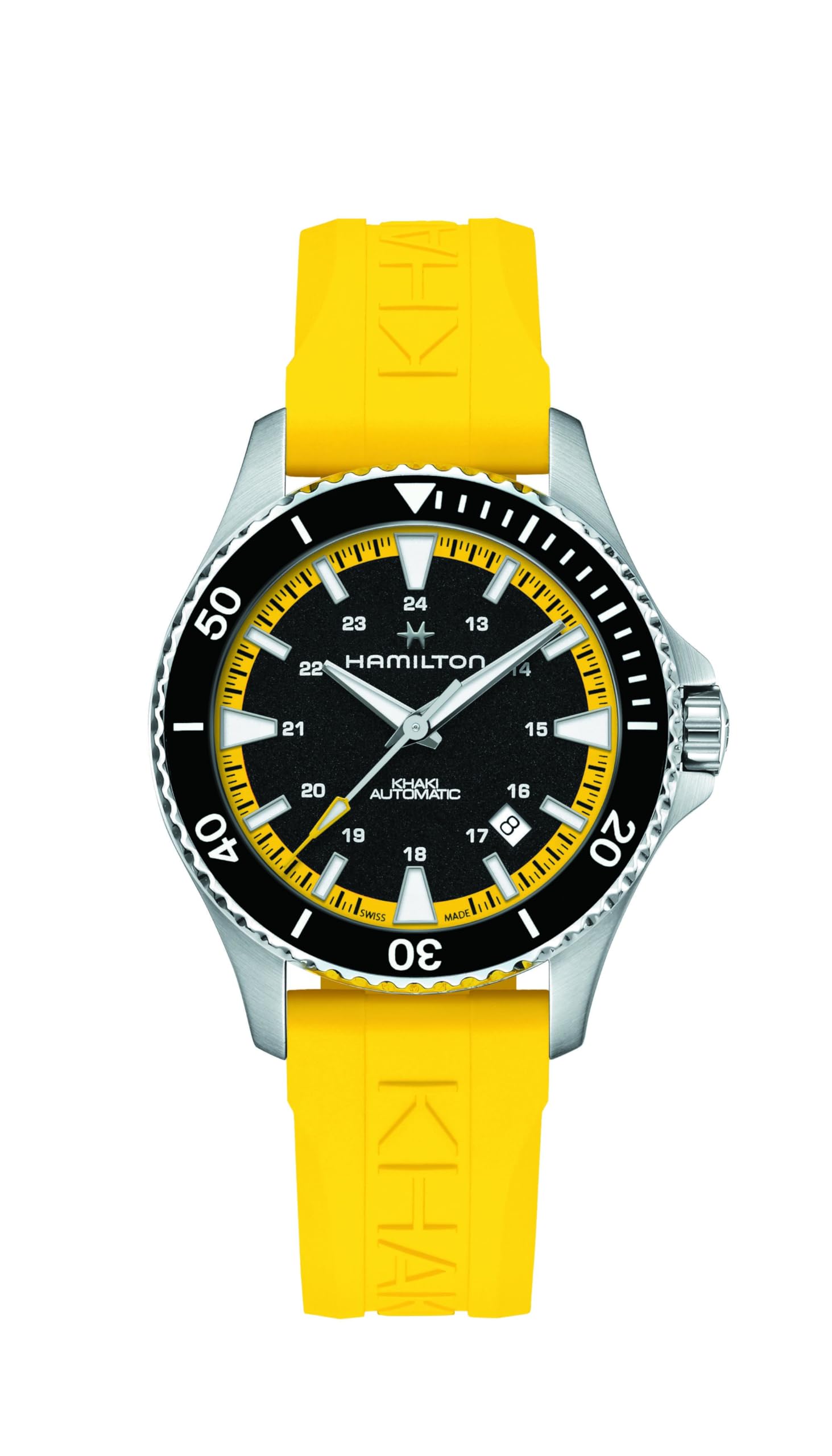
Best automatic dive watches under 1000 prove that serious water resistance, a rotating bezel, and a mechanical movement can come without a luxury price tag. The comparison table below compares the main styles at this budget, from compact divers to larger tool watches.
At this price, the smartest buys balance movement quality, case finishing, and bracelet comfort rather than chasing one headline feature. This guide explains water ratings, bezels, lume, movements, and daily wear, so you can pick a diver you will actually swim with and enjoy wearing.





Who Should Buy a Budget Automatic Diver
Swimmers, snorkellers, sailors, and everyday watch lovers gain a tough, water ready watch that also suits office and weekend wear. A diver under 1000 often becomes a daily watch, since it handles water, knocks, and travel without the worry of a far costlier piece.
Serious saturation divers and professional rescue swimmers should still check specialist ratings and service requirements, since recreational dive ratings do not cover every professional use. For most water sports and daily wear, a well chosen budget diver is more than capable.
Water Resistance and Real World Use
A 200 metre rating suits swimming, snorkelling, and recreational diving, while 100 metres covers swimming and surface water sports. Ratings assume new gaskets and undamaged crowns, so have seals checked every few years, especially after heavy saltwater use.
Never operate pushers or crowns underwater unless the watch is designed for it, and rinse with fresh water after sea swims. Salt, sand, and sunscreen degrade gaskets over time, so regular rinsing and servicing protect both water resistance and movement health.
Bezel, Lume and Legibility
A unidirectional bezel lets you time dives and other intervals safely, since it can only rotate in the direction that shortens the measured time. Check that the bezel clicks firmly, aligns precisely at twelve, and turns with gloves on, since a loose bezel is useless underwater.
Lume should glow brightly and evenly on hands, indices, and bezel pip after a short charge in daylight. Test legibility in dim light rather than trusting photos, and remember that lume fades through the night, so the strongest initial glow does not guarantee all night readability.
Comparing Related Options
Shoppers at this budget can compare best dive watches under 1000 for the wider category and best automatic watches under 1000 for mechanical options beyond divers. Swiss focused buyers should read best swiss automatic watches under 1000, while best men's automatic watches under 1000 narrows by audience and best swiss dive watches under 1000 covers Swiss dive models.
Compare shortlisted divers on movement accuracy, bracelet quality, bezel action, and service cost, not just water rating alone. A watch with a reliable movement and a comfortable bracelet will see far more wrist time than a higher rated model that wears poorly.
Movement, Accuracy and Service
Most divers under 1000 use proven workhorse automatic movements with day to day accuracy well within a few seconds per day when regulated. A hacking seconds hand and hand winding make setting easier, while a longer power reserve helps if you rotate watches.
Service costs matter at this budget, since a full service can approach a large share of the purchase price. Choose movements with wide service availability and affordable parts, and budget for a service every five to seven years to keep water resistance and accuracy intact.
Bracelet, Comfort and Daily Wear
Bracelets should include a divers extension or micro adjust clasp so the watch fits over a wetsuit and still sits snugly on a bare wrist. Rubber straps suit water use and dry quickly, while steel bracelets feel smarter for office wear but add weight.
Case size and thickness affect comfort more than specifications suggest, so try the watch on your wrist and check lug to lug length against your wrist width. A 40 to 42 mm diver suits most wrists, while larger cases may overhang smaller wrists and catch on cuffs.
Dive Watch Heritage and Style
Dive watches carry a rich history from military and commercial diving, and that heritage shapes their bold legible design today. Even owners who never dive enjoy the tool watch look, which pairs well with casual and outdoor clothing.
Vintage inspired divers with domed crystals and gilt dials suit collectors who love retro style, while modern divers with ceramic bezels and applied indices look sharper for office wear. Choose the style that matches your wardrobe, since daily enjoyment depends on it.
Size trends have shifted smaller in recent years, so a 40 mm diver now reads as versatile rather than small. Try vintage sized models if large cases feel heavy, since comfort over a full day matters more than following current size fashion.
Strap Options and Changing Straps
Rubber straps remain the practical dive choice, drying fast and fitting over wetsuits with a deployant or tang buckle. Tropic style rubber with ventilation holes suits hot climates, while flat rubber looks smarter for daily wear away from water.
NATO straps offer cheap versatility and security, since a single piece strap keeps the watch on your wrist even if a spring bar fails. Steel bracelets look best for office and evening wear, though they add weight and need tool free micro adjustment for comfort.
Quick release spring bars make swapping straps easy without tools, encouraging owners to match straps to activities. Keep a small strap collection rather than buying multiple watches, since strap changes refresh a single diver dramatically.
Buying New Versus Pre Owned
New divers under 1000 bring full warranty, fresh gaskets, and known service history, which matters greatly for water resistance. A new watch also lets you choose the exact configuration and bracelet without compromise.
Pre owned divers can stretch budgets to higher tiers, but demand careful checks for water resistance, service history, and originality. Ask for service records and pressure test results, and budget for an immediate service if history is unclear.
Reputable dealers with return policies reduce pre owned risk, while private sales need extra caution around fakes and undisclosed damage. For a first dive watch, new often gives peace of mind worth the premium over a questionable bargain.
Bezel Types and Materials
Ceramic bezels resist scratches beautifully and keep colours vivid for years, making them popular on modern divers under 1000. They can crack under sharp impacts though, and replacement costs more than aluminium inserts.
Aluminium bezels scratch more easily but absorb impacts without cracking and cost less to replace, suiting hard used tool watches. Many owners prefer the way aluminium ages, developing character marks that tell a story of adventures.
Steel bezels with engraved markings offer a third option, durable and understated, though less legible at a glance than coloured inserts. Choose bezel material by how hard you use the watch and how much patina you enjoy.
Crystal Choices and Scratch Resistance
Sapphire crystals dominate divers under 1000 for good reason, resisting scratches from sand, rocks, and daily wear far better than mineral glass. A scratched crystal ruins legibility, so sapphire protection matters for a watch worn in water and outdoors.
Mineral glass costs less and shatters less easily than sapphire under extreme impact, though it scratches readily. Acrylic crystals suit vintage style divers, polishing easily but scratching fastest of all.
Anti reflective coatings improve legibility dramatically, especially underwater where glare confuses reading. Check coating placement, since external coatings scratch while internal coatings stay protected but reflect slightly more.
Dive Watch Collecting on a Budget
Budget dive collecting rewards patience, since waiting for sales and pre owned opportunities stretches funds to higher quality pieces. Focus on condition and originality over quantity, since three excellent divers satisfy more than ten mediocre ones.
Variety matters in a small collection: a black dial diver, a coloured dial diver, and a vintage style diver cover most outfits and moods. Strap changes multiply variety cheaply, refreshing each watch without new purchases.
Track service history and keep boxes and papers, since complete budget divers resell better and fund future upgrades. A disciplined collection grows in quality over time rather than accumulating impulse buys.
Frequently Asked Questions
Can I really dive with a watch under 1000?
Yes, a properly rated automatic diver under 1000 can handle recreational diving when seals are fresh and the watch is serviced regularly. A 200 metre rating with a screw down crown and unidirectional bezel meets recreational needs. Always check gaskets after knocks or heavy saltwater use. For professional or saturation diving, follow specialist guidance and equipment rules.
How accurate are budget automatic movements?
Budget automatic movements typically run within about 10 to 20 seconds per day out of the box, and regulation can improve that further. Daily wear keeps the mainspring wound, which stabilizes accuracy. Positional variation and temperature affect results, so expect small daily differences. If accuracy drifts sharply, the watch likely needs service or demagnetization.
Do I need a Swiss movement at this price?
A Swiss movement is not required for a good diver under 1000, since several non Swiss workhorse movements offer equal reliability and cheaper servicing. Swiss models may hold value better and offer finer finishing, but they often cost more for similar performance. Judge the whole watch, including case, bracelet, and bezel, rather than the movement origin alone.
How often should I service a dive watch?
Service a dive watch every five to seven years, or sooner after heavy saltwater use, knocks, or moisture under the crystal. Servicing replaces gaskets, checks water resistance, and cleans the movement. Skipping service risks leaks that can destroy the movement, turning a modest service bill into a costly repair. Keep service records for resale value.
Steel bracelet or rubber strap for diving?
Rubber straps suit diving better because they dry quickly, fit over wetsuits, and resist saltwater damage. Steel bracelets look smarter for daily wear but add weight and need a divers extension for wetsuit use. Many owners keep both and swap by activity. Choose quick release spring bars if you plan to change straps often.
Final Thoughts
Pick best automatic dive watches under 1000 by balancing movement reliability, bracelet comfort, bezel quality, and service cost. The product table above compares the main styles, but wrist fit and daily wearability decide the winner. Choose a diver you will swim with, service on time, and enjoy wearing long after the first dive.


