Best Chaco Sandals for Plantar Fasciitis: Budget, Midrange, and Premium Guide for 2026
Disclosure: We may earn a commission when you buy through links on this page, at no extra cost to you. As an Amazon Associate I earn from qualifying purchases. Learn more

Compare the best chaco sandals for plantar fasciitis by budget, arch support, cushioning, fit, and strap comfort with this clear buying guide and checklist.
Prices for Chaco sandals stretch from modest sale prices to well over one hundred dollars, and the price alone tells you little about heel comfort. This guide to the best chaco sandals for plantar fasciitis shows you where extra money actually helps your feet and where it simply buys style. You will learn how arch shape, cushioning, and strap fit work together, then use the product table below to match a tier to your daily walking.
Plantar fasciitis pain is personal, so treat this guide as a shopping checklist rather than medical advice. If your heel pain is new, severe, or getting worse, pause your shopping and read the safety notes further down before you buy.

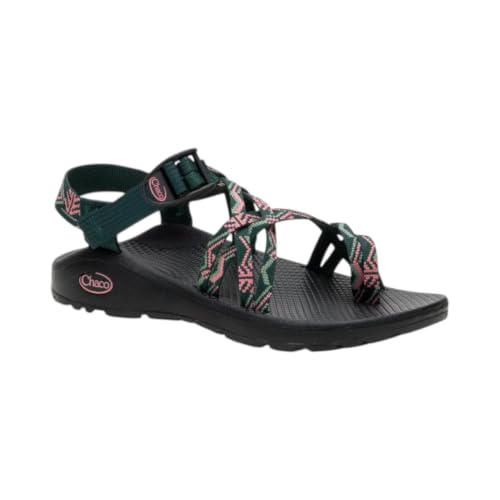


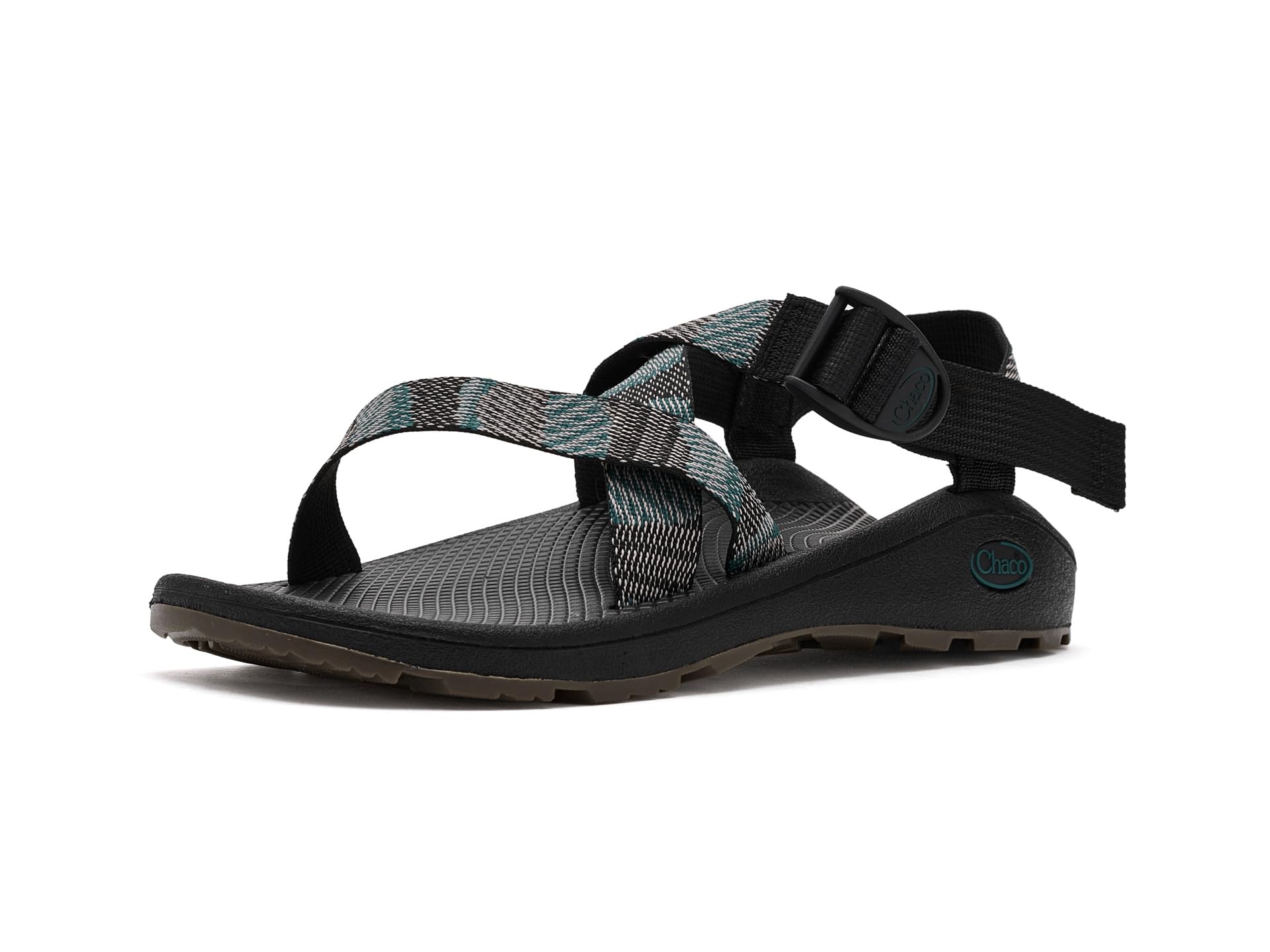


Choosing the Best Chaco Sandals for Plantar Fasciitis by Budget
Budget Tier Choice
A budget choice, often around $50 to $75 on sale, should still give you the basics that matter most: a firm contoured footbed, a raised arch that meets your own arch, and straps you can adjust at more than one point. Expect simpler strap webbing, fewer color choices, and a heavier feel than higher tiers. The main limit is cushioning, which tends to be thinner, so this tier suits shorter walks and casual days rather than long shifts on concrete.
Midrange Tier Choice
The midrange, often around $75 to $110, is where most buyers should start. Footbeds in this range usually add softer cushioning over the firm base, which spreads pressure without letting your arch collapse. Straps often include more adjustment points and softer edges, so you can secure the heel without digging into the top of your foot. If you walk a dog daily, run errands on foot, or stand at markets and events, this tier balances comfort and price well.
Premium Tier Choice
Premium versions, often around $110 to $150, should earn the price through fit and durability rather than looks alone. Look for a deeper heel cup, a footbed shape that cradles the midfoot, and outsoles with stronger grip on wet pavement. Leather or padded strap options can reduce rubbing during long wear. This tier makes sense if sandals are your main summer footwear and you walk several miles a day, because small comfort differences add up over hundreds of wears.
Features Worth Paying For and Ones to Skip
Fit, Sizing, and Toe Box
Fit decides whether the arch support lands in the right place, so measure your feet in the afternoon when they are slightly swollen from the day. Your heel should sit fully inside the heel cup with no overhang, and your toes should have room to spread without reaching the front edge. A wide toe box helps because squeezed toes change how your foot loads the arch. If you fall between sizes, choose based on heel position first, then adjust straps. A practical tip: trace your foot on paper, measure the length, and compare it with the brand size chart before ordering.
Arch Support and Foot Type
Chaco footbeds are known for a pronounced arch that spreads load across the whole foot. Flat feet may need a gradual start, since a high arch can feel like a lump during the first week. High arches often welcome the contact, because it fills the gap under the midfoot. If you overpronate, meaning your foot rolls inward, pair the arch with a firm heel cup so the support stays stable instead of tipping with your foot.
Cushioning and Support
Support and cushioning do different jobs, and you need both. Support comes from the firm shaped base that holds your arch up, while cushioning is the softer layer that absorbs impact at the heel. A moderate heel to toe drop, with the heel slightly higher than the toes, suits many walkers. Very soft, squishy sandals feel kind at first but often let the arch flatten with every step, which can leave feet tired by evening. Press the footbed with your thumb: it should give a little, then push back.
Features That Matter if You Have Heel Pain
If you shop for heel comfort, the features that matter are a contoured arch, a cupped heel, and straps that stop your foot sliding forward. A secure midfoot strap matters more than a pretty toe loop, because a foot that slides forward loses the arch contact the footbed is built to give. Breathable strap materials help during summer wear, and a textured footbed keeps your heel planted on slopes. If you also shop closed shoes for workdays, see our guide to the best shoes for plantar fasciitis for the same support ideas in shoe form.
A Note on Heel Pain and Safety
Sandals are footwear, not a treatment, and they do not diagnose or treat foot conditions. Professional guidance matters when pain persists. Podiatrists advise seeing one when heel pain lasts more than a few weeks despite rest and better footwear. Warning signs that need prompt medical care include numbness, swelling that does not ease, pain after an injury, fever with foot pain, or pain that wakes you at night. People with diabetes or poor circulation should ask a clinician before walking long distances in open sandals, since small blisters can become serious. Start any new supportive sandal slowly, wearing it around the house for short periods before a full day out.
Long Term Costs to Factor In
The purchase price is only part of what you will spend. Budget for replacement insoles only if your chosen style allows them, plus gentle soap for washing straps and footbeds, which keeps grit from grinding into the webbing. Quality Chaco sandals can often be resoled or repaired through brand services, which extends life and lowers cost per wear. Straps usually outlast outsoles, so check tread depth each season. If you walk daily, expect to replace or resole a pair every one to two years depending on mileage. Buying one durable midrange pair often costs less over time than two flimsy pairs that flatten quickly.
Frequently Asked Questions
What features matter most in chaco sandals for plantar fasciitis?
A contoured arch, a deep heel cup, and firm cushioning matter most, because together they spread load across the foot. After that, look at strap adjustment, since a sandal that lets your foot slide cannot keep the arch in place. One point many shoppers miss is footbed texture: a lightly textured surface stops small heel shifts on downhill walks, which keeps your stride steadier all day.
How long is the break in period for Chaco sandals?
Most people need about one to two weeks of short wears before the footbed and straps feel natural. Start with thirty to sixty minutes indoors, then add time as your arches adapt to the firmer support. Mild arch awareness is common at first, but sharp pain is a signal to stop and reassess the size. Loosen and retighten the straps each day during this period, because webbing settles as it warms up.
Do I need waterproof shoes for plantar fasciitis support?
No, waterproof shoes are not required for heel support, and many supportive sandals handle splashes without any membrane. Chaco webbing and footbeds generally tolerate getting wet and dry well with air flow. What matters more is grip: choose an outsole with real tread if your walks include wet sidewalks or pool decks. If you prefer a closed style for rainy days, our guide to the best sandals for plantar fasciitis explains how support needs change across sandal types.
Can I wear Chaco sandals all day with plantar fasciitis?
You can wear them all day once your feet have adapted and the fit is right, but build up gradually. Alternate with supportive closed shoes on days when your heels feel tender, because variety reduces repeated stress on the same tissue. If pain keeps climbing or does not ease after a few weeks, see a podiatrist or doctor rather than push through.
How should chaco sandals fit when you have plantar fasciitis?
They should fit so the arch of the footbed sits directly under your own arch and your heel rests centered in the cup. Straps should feel snug without pinching, and your toes should lie flat with a small gap before the front edge. Walk on a hard floor at home and check that your heel does not lift and slap with each step. Women comparing shapes may also like our guide to the best women's sandals for plantar fasciitis, and anyone who prefers an open back can see our guide to the best slide sandals for plantar fasciitis or the best men's sandals for plantar fasciitis for fit notes by foot shape.
Wrapping Up
Focus on three things: an arch contour that matches your foot, a heel cup that keeps you centered, and cushioning that is firm rather than squishy. Midrange versions suit most buyers, while premium tiers earn their price through fit and outsole life. Use the product table above to compare the best chaco sandals for plantar fasciitis within your budget, and talk with your clinician about your personal needs before long walks if your heel pain continues.