Best Ceramic Smoker Grills (2026): Buying Guide
Disclosure: We may earn a commission when you buy through links on this page, at no extra cost to you. As an Amazon Associate I earn from qualifying purchases. Learn more

Compare the best ceramic smoker grills by shape, cooking area, vent control and price, and match a kamado style cooker to your patio and cooking habits.
Shopping for a ceramic cooker can feel confusing at first, because round, oval and compact models all promise great barbecue. The best ceramic smoker grills share thick ceramic walls, tight airflow control and a sealed lid, and they differ mainly in cooking area, shape and price. Use the product table to compare current models and match each type to the way you cook.
Start with two questions. How much food do you cook at once, and how much patio space can you give a cooker that stays in place all year? The sections below compare types first, then the features that decide heat control and fuel use.
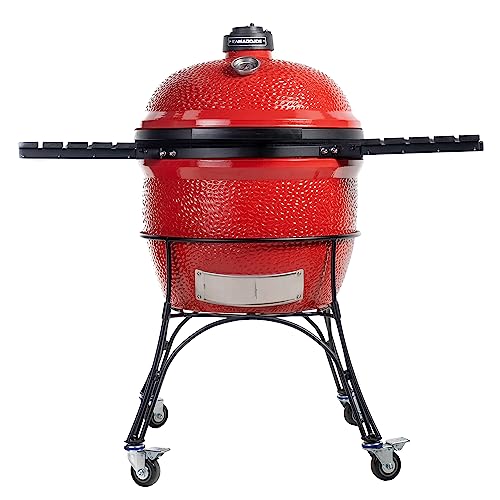


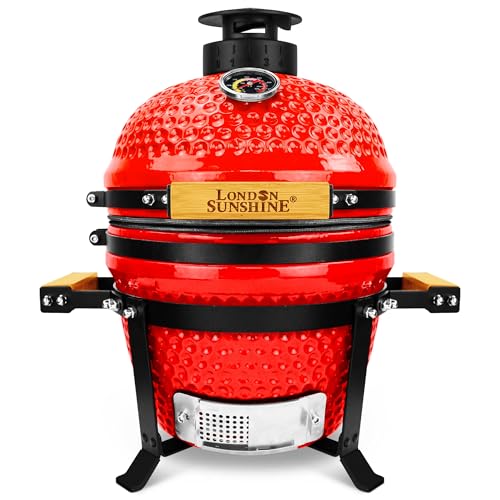
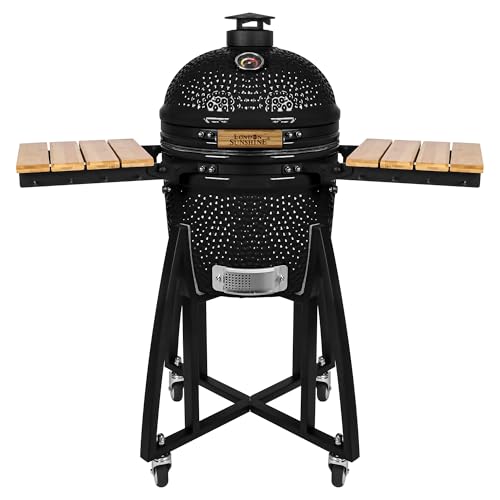


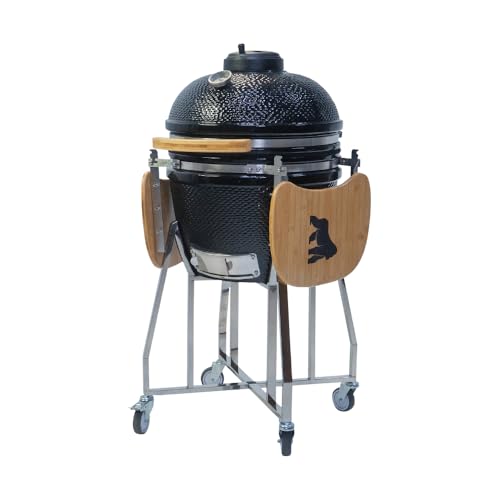
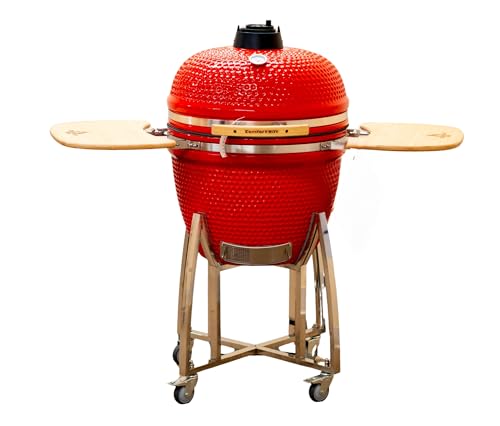

Types of Ceramic Smoker Grills Compared
All ceramic smoker grills burn lump charcoal inside a ceramic fire box, so the real differences are shape and capacity. If you are still weighing ceramic against other fuels, see our guide to the best grills and smokers for the wider picture.
Classic Round Kamado Smoker Grills
The classic round kamado is the standard choice, with a cooking grate about 18 to 21 inches across. Its round shape circulates heat evenly, which suits ribs, pork shoulder and whole chickens, and it handles smoking and grilling once you add a heat deflector. Most models cost about $700 to $1,500 with a rolling stand.
Oval Ceramic Smoker Grills
Oval models stretch the cooking surface sideways, so a whole brisket or two racks of ribs can lie flat without folding or cutting. That width also helps with two zone fires, with coals banked on one side and food on the other. Expect to pay about $1,000 to $2,000, and allow more patio width. Choose an oval if large cuts matter more than a compact footprint.
Compact Ceramic Smoker Grills
Compact models use grates about 13 to 16 inches across and weigh far less than full size models, so two adults can move them with care. They suit couples and small families, and prices often run about $300 to $800. You give up room for a full packer brisket, but fuel use drops and the cooker heats up faster on weeknights.
Built In Ceramic Smoker Grills for Outdoor Kitchens
Some ceramic cookers are sold without a stand so they can sit inside a purpose built outdoor kitchen counter. This route gives you work space on both sides and a fixed home for tools and fuel. It needs careful planning for heat clearance, ash access and a weather cover. Choose it only if your layout is final, because moving a heavy ceramic body later is hard work.
Who Should Buy Which Ceramic Smoker Grill?
Your cooking habits matter more than headline size. Match yourself to the group closest to your usual weekend, then check the features section before settling on a size class.
Low and Slow Barbecue Cooks
You plan long cooks and care most about steady heat for hours. Look for a medium or large model with a tight gasket and precise vents, and budget for a heat deflector. If smoking is your main focus, see our guide to the best ceramic smokers for a deeper look at that side of the category.
Cooks Who Want One Cooker for Smoking and Searing
You want pulled pork on Saturday and steaks with a hard sear on Sunday, from the same cooker. A ceramic body does both jobs, because its vents let you run low for smoking or open for searing heat. If grilling leads your plans, see our guide to the best ceramic grills for grate options built for direct heat.
Small Households and Tight Patios
You cook for two to four people and your outdoor space is limited. A compact model gives you real ceramic heat retention without taking over the patio. Measure your space before ordering, and leave room to open the lid fully and stand clear of the hot shell.
Key Features to Compare
Compare these five factors in the same order each time. When you compare best ceramic smoker grills on paper, cooking area and vent control explain most of the difference in daily use.
Cooking Area and Grate Size
Cooking area decides what fits in one batch. A grate about 18 inches across holds a whole chicken or two racks of ribs, while a grate about 21 to 24 inches across gives room for a brisket plus side dishes. Square inches alone can mislead you, because a round grate loses usable space at the edges. Check the shape against your longest usual cut.
Temperature Range and Vent Control
A ceramic cooker should hold about 225 to 275 degrees Fahrenheit for smoking and climb to about 600 to 750 degrees for searing and pizza. You set the heat with the bottom vent, which feeds air to the coals, and you fine tune it with the top vent. Small vent changes matter, because thick ceramic stores heat and responds slowly. Choose smooth vent controls with clear marks, because repeatable settings make the next cook easier to match.
Ceramic Body, Gasket and Heat Retention
Thick ceramic walls absorb heat and release it slowly, so temperature swings shrink once the cooker settles at your target. That insulation also cuts charcoal use on long cooks compared with thin metal smokers. The gasket between lid and base seals the gap, and a worn gasket leaks smoke and air, which makes heat harder to hold steady. Ask how the gasket is replaced, because it is a wear part.
Grates, Heat Deflector and Two Zone Cooking
Cast iron grates hold heat well and leave strong sear marks, while stainless steel grates resist rust and clean more easily. For smoking, a heat deflector sits between the coals and the food, turning direct fire into gentle indirect heat. Two zone cooking uses the deflector on one side only, so you can sear on the open side and finish food on the shielded side.
Size, Weight, Stand and Long Term Value
Medium and large ceramic cookers often weigh well over 100 pounds once assembled, so treat the spot you choose as a long term home. A sturdy stand with lockable wheels helps during setup, but you will not roll the cooker far across grass or gravel. Prices rise with size, so compare the full kit. Check the warranty on the ceramic body, because makers differ on coverage for cracks.
Setup, Placement and Care for a Ceramic Smoker Grill
Place the cooker on a level and fire safe surface with clear space above and behind it, away from siding, fences and overhangs. Never use a charcoal cooker indoors or in a closed garage, because charcoal gives off carbon monoxide as it burns. Assemble the stand first, lift the body with two adults, and make your first cook something forgiving, such as chicken thighs, while you learn the vents.
For care, remove ash once it has cooled, because deep ash blocks airflow to the coals. Brush the grate while it is warm, wipe spills from the shell, and keep the cooker covered between uses. Store lump charcoal dry, and check the gasket and vents at the start of each season.
Common Mistakes to Avoid
Most regrets come from sizing and placement choices made before the first cook.
- Buying the largest model for a small patio leaves no safe working room around a very hot cooker.
- Lighting too much charcoal at once sends the temperature far past your target and wastes fuel while it settles.
- Opening both vents fully to speed up a slow cook overshoots the heat, and thick ceramic holds that heat for a long time.
- Using lighter fluid in a ceramic cooker leaves a chemical taste that inner surfaces can hold onto for later cooks.
- Tilting a ceramic cooker on its stand to move it lets the weight shift suddenly, and that shift can crack the body.
Frequently Asked Questions
How often should you clean a ceramic smoker grill?
Clean a ceramic smoker grill lightly after every cook by brushing the grate and emptying the ash once it cools. A deeper clean once or twice a season is enough for most owners. Scrape loose buildup from the fire box by hand, and avoid soaking the inside ceramic with water, because trapped moisture can damage it when it heats again.
Which type of ceramic smoker grill gives the strongest smoke flavor?
Smoke flavor depends more on fuel and wood than on the shape of the cooker. Lump charcoal gives a clean base flavor, and chunks of hickory, oak or fruit wood add the character you taste most. Add wood at the start of a long cook, because meat takes on smoke best while its surface is cool and moist.
Can you use a ceramic smoker grill on a balcony?
You can use a ceramic smoker grill on some balconies, but check your building rules and lease first, because many properties ban charcoal cooking. The cooker needs open air above it, clear space from railings, and a floor that can carry its weight. If charcoal is banned where you live, a ceramic cooker is the wrong choice for that home.
Can a ceramic smoker grill replace both a grill and a smoker?
Yes, a ceramic smoker grill can cover both roles, and it can bake as well. The same cooker that holds a low smoking heat can run hot enough for pizza and flatbreads. The trade off is capacity, because one chamber cooks at one temperature at a time. If you often grill for a crowd while smoking, a second cooker may serve you better.
What size ceramic smoker grill do you need for a family of five?
Most families of five do well with a grate about 18 to 21 inches across. Measure your longest regular cut, such as a rack of ribs, against the grate size before you buy. If you host larger groups several times a year, a raised second rack adds room for side dishes without forcing you into the heaviest class of cooker.
Wrapping Up
Choose by fit first. Match the grate to your longest cut, the footprint to your patio, and the vent controls to the long cooks you plan, and let type and price follow from those points.
With those checks done, the best ceramic smoker grills for your home will be easy to spot in the product table above. Pick the smallest class that cooks your usual meals well.