Best Ceramic Kitchen Sinks (2026): Buying Guide
Disclosure: We may earn a commission when you buy through links on this page, at no extra cost to you. As an Amazon Associate I earn from qualifying purchases. Learn more

Compare the best ceramic kitchen sinks by mount style, fireclay or porcelain, bowl size, faucet pairing and care, so you choose one that fits your cabinet.
Ceramic sinks all look calm and glossy in photos, yet the type you choose changes installation cost, counter space, cleaning habits and how the sink survives dropped pans. Farmhouse, undermount and drop in styles behave very differently in a working kitchen. This guide compares the best ceramic kitchen sinks type by type, then walks through size, glaze and faucet pairing so you can choose once and choose well.
Ceramic here usually means fireclay or vitreous porcelain fired at high heat, giving a hard, non porous surface that resists stains and household chemicals. The weakness is impact: a heavy cast iron pan dropped on an edge can chip the glaze. Keep that trade in mind, and use the product table to compare current options.






Types of Ceramic Kitchen Sinks Compared
Mounting style is the biggest decision because it shapes your counter, your cabinets and your budget. Prices below are typical ranges for the sink alone, before installation and a faucet.
Farmhouse or Apron Front Sinks
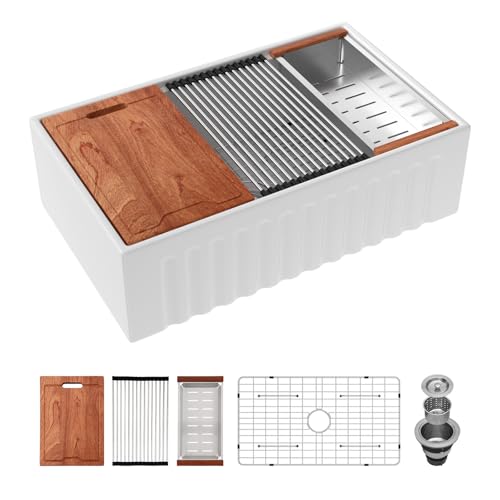
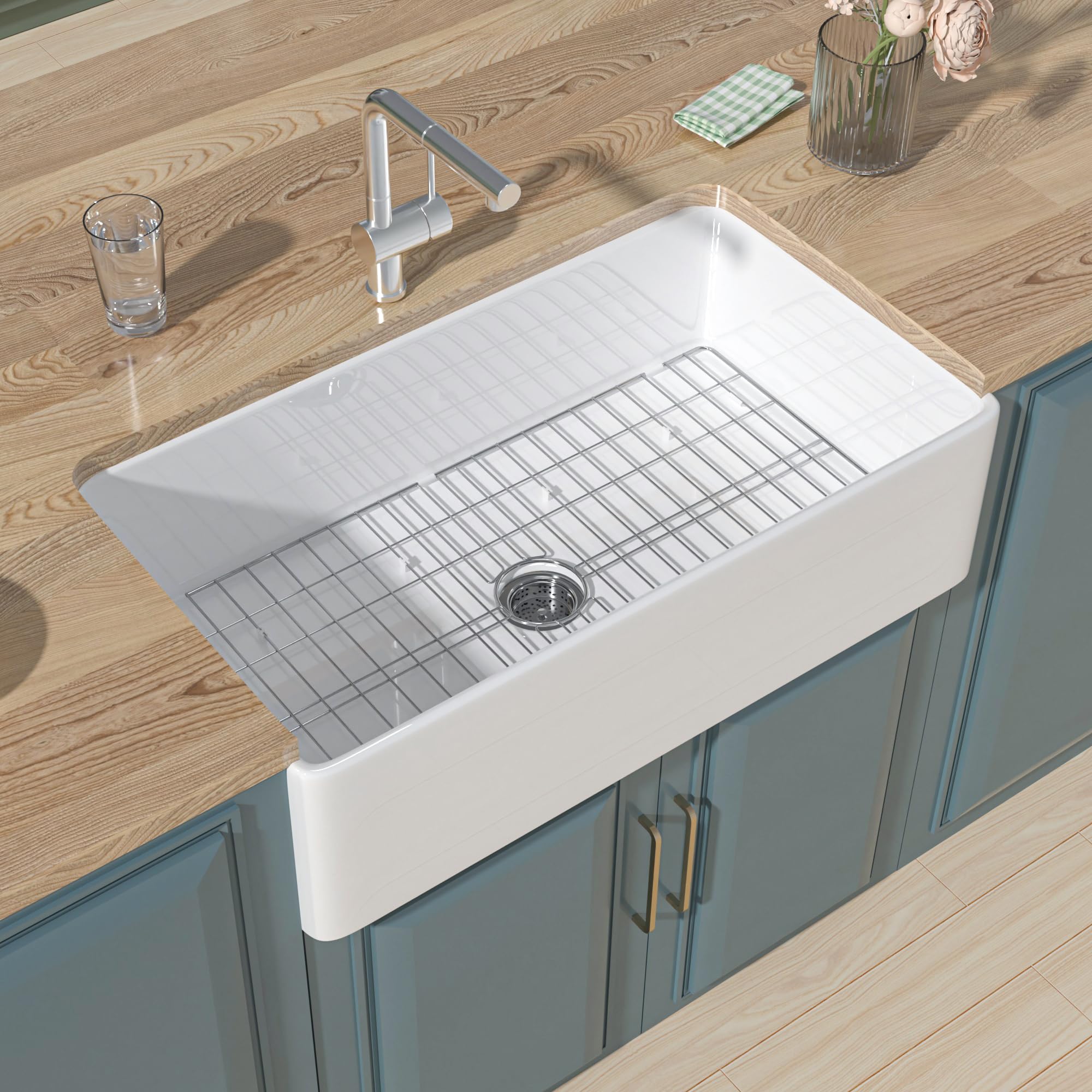
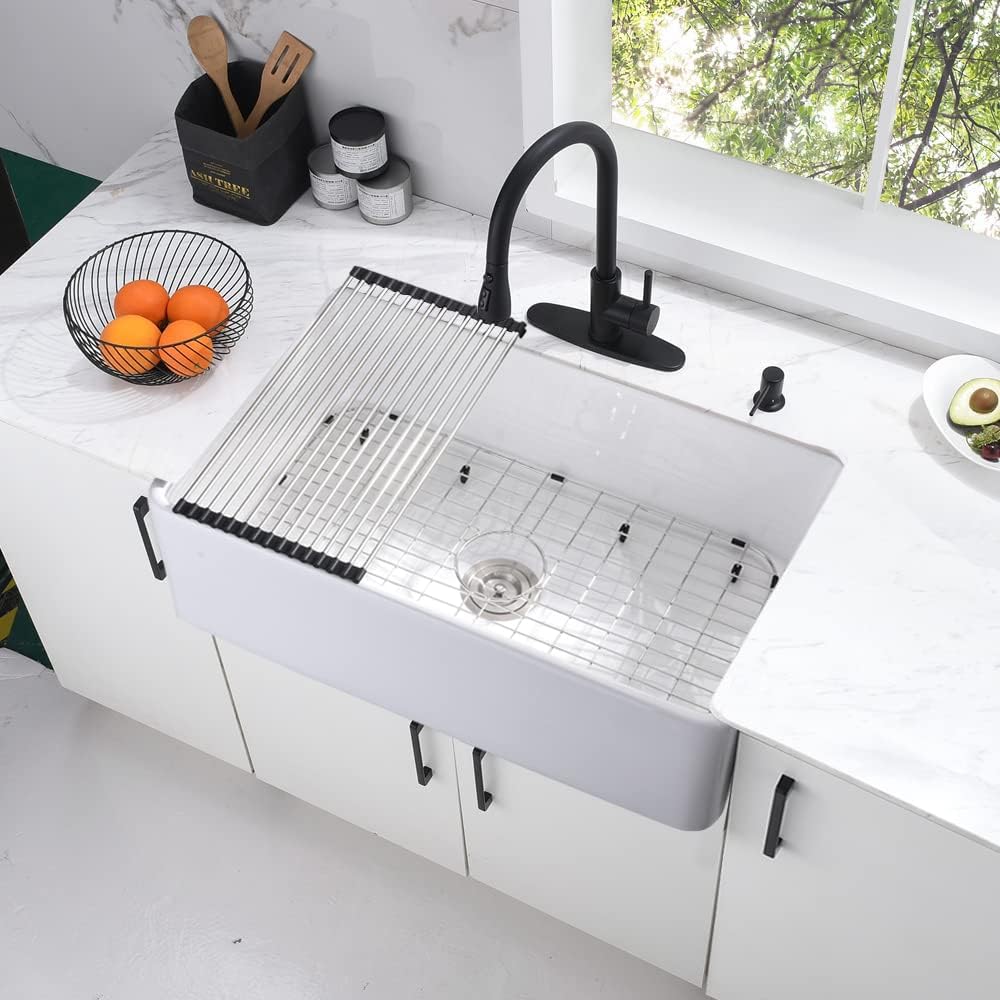
A farmhouse sink sits forward in the cabinet with its front face exposed, giving a deep single bowl that swallows roasting pans and baking trays. Most cost around $400 to $900. The style suits busy family kitchens and anyone who washes large items often. Downsides are real: the cabinet usually needs modification, the deep bowl can strain shorter users who lean further to reach the base, and the exposed front edge is the most chip prone surface in the kitchen. Choose this type for capacity and character, and accept the fitting work it demands.
Undermount Ceramic Sinks
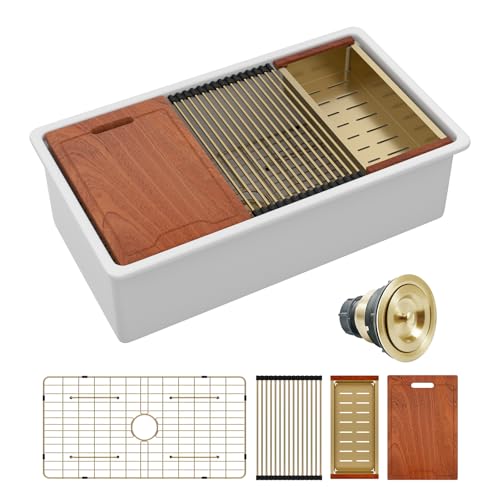
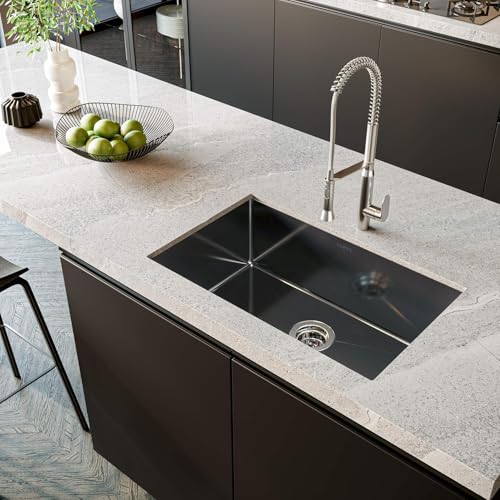
An undermount sink fixes beneath a stone or solid counter, leaving a smooth rim you can sweep crumbs across without a lip in the way. Expect around $300 to $800 for quality fireclay. This type suits cooks who value easy counter cleanup and a clean, built in look. It cannot pair with most laminate counters, needs professional fitting with strong support clips and sealant, and replacing it later is a bigger job. If you are weighing mount styles broadly, our guide to the best undermount kitchen sinks covers support and sealing in more depth.
Drop In Ceramic Sinks
A drop in sink, also called top mount, lowers into a cutout and rests on its rim, which hides the cut edge and forgives small measuring errors. Prices often run around $200 to $600, and installation is the simplest of the three, sometimes a realistic weekend job. The raised rim traps crumbs and water at its edge, and the look reads more traditional. This type suits rental updates, budget remodels and laminate counters. For many households it is the sensible ceramic entry point, with the lowest fitting risk.
Farmhouse vs Undermount: Which Should You Choose?
Choose a farmhouse sink when bowl depth and washing capacity lead your list, your cabinet can be adapted, and you like the exposed front as a design feature. Choose an undermount when counter cleanup, a flush work surface and a quieter look matter more, and your counter material supports the fitting. Farmhouse bowls are usually deeper, undermount bowls often wider for the same cabinet. Both chip if struck hard, both need a faucet chosen for reach, and both reward careful measuring of the cabinet before any order is placed.
How to Choose the Right Ceramic Kitchen Sink
Material Quality: Fireclay vs Porcelain Ceramic
Fireclay is fired at very high temperatures and tends to be denser, thicker and more resistant to thermal shock, which is why most premium farmhouse sinks use it. Vitreous porcelain over a ceramic body costs less and looks just as glossy, but the glaze layer can be thinner. Either way, judge by glaze evenness, freedom from pinholes, and the maker warranty. Our overview of the best material for kitchen sinks sets ceramic honestly against steel, composite and stone.
Bowl Size, Depth and Configuration
Measure your largest pan, then pick a bowl that fits it with room to tilt. Single bowls suit big cookware, while a double bowl lets you soak on one side and rinse on the other at the cost of space per side. Depths around 8 to 10 inches balance capacity against comfort, since very deep bowls strain your back during long washing sessions. Check the drain position as well, because an offset drain frees cabinet space below and gives a flatter area for stacking dishes.
Installation and Hole Count
Ceramic sinks rarely carry faucet holes in the sink itself, so your faucet will mount on the counter or a deck plate behind the bowl. Confirm the counter depth leaves room for the faucet body and handles. Undermount and farmhouse styles need accurate cabinet and cutout work, so many buyers hire a fitter. If a complete refresh is planned, the pairings in our guide to the best kitchen sinks and faucets show how bowl depth and faucet height are matched as a set.
Faucet Pairing: Reach, Spray and Flow
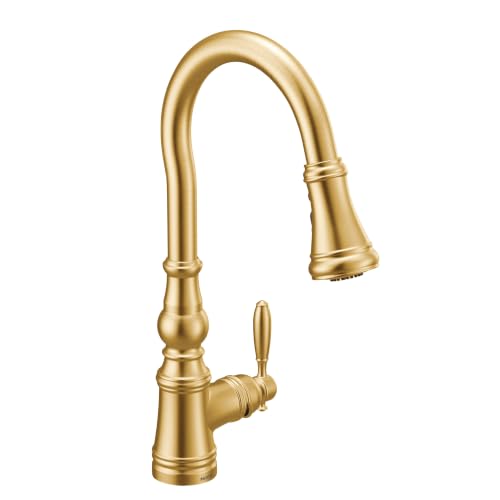
A deep or wide ceramic bowl needs a faucet with enough spout reach to cover the bowl center, plus a pull down sprayer for rinsing corners and large pans. Flow rates around 1.5 to 1.8 GPM balance rinsing power with water saving rules, and some regions cap flow at 1.8 GPM or lower. A ceramic disc cartridge inside the faucet gives smooth handle action and long seal life. Match the faucet finish to your cabinet hardware, and confirm the spray head docks firmly so it never dangles against the glaze.
One practical step saves more regret than any other: photograph your current sink, cabinet interior and plumbing positions before you shop, and keep those measurements on your phone. Replacement projects fail on small surprises, such as a disposal unit that no longer fits under a deeper bowl or supply lines that land where a farmhouse frame needs support.
Glaze, Finish and Certifications
White remains the classic ceramic finish and hides water spots best, while darker glazes show limescale more readily in hard water areas. Ask whether the glaze is lead free and whether the sink meets recognized plumbing standards for your region, and look for WaterSense labeled faucets when pairing. A quality focused comparison in our guide to the best quality kitchen sinks explains which of these marks actually signal durability rather than decoration. Keep the care instructions, because glaze warranties often exclude harsh abrasive cleaners.
How to Make Your Ceramic Kitchen Sink Last Longer
Use a sink grid or mat when washing heavy pans, and set cast iron down gently rather than sliding it. Clean with mild soap and a soft cloth, and avoid abrasive pads that dull the glaze over time. Wipe the bowl dry in hard water areas to slow limescale marks. Check under sink lines and the drain seal every few months for slow leaks, because cabinet damage from a quiet drip costs far more than the washer that caused it. Readers who prefer a tougher surface can compare the best stainless kitchen sinks before committing.
Ceramic Kitchen Sinks: Your Questions Answered
Are farmhouse ceramic sinks worth it?
They are worth it if you wash large pans often and want the deep bowl and classic front enough to fund cabinet work. The extra cost buys capacity and presence, not durability, since the exposed front chips as easily as any ceramic edge. If your cooking uses smaller cookware, an undermount or drop in bowl gives the same glaze quality for less total spend.
Can I install a ceramic kitchen sink myself?
A drop in model is a realistic self install for a confident homeowner with the right sealant and tools. Undermount and farmhouse models are heavier, less forgiving and often need cabinet changes, so professional fitting is the safer route. Remember that ceramic is brittle: one slip while lowering a heavy sink can crack it, which turns saved labor costs into a full replacement.
What glaze finish is easiest to keep clean?
Gloss white glaze is the easiest to live with because it hides water spots, shows dirt honestly so you clean before stains set, and wipes clean with mild soap. Matte and dark finishes look striking but reveal limescale and soap film faster, especially with hard water. Whichever finish you pick, a quick daily wipe beats a weekly scrub with strong chemicals.
How long do ceramic kitchen sinks last?
A quality fireclay sink can serve for decades, and many last as long as the kitchen around them. The glaze resists staining and heat well, so the usual end of life cause is a chip or crack from impact, not wear. Using a sink grid, handling cast iron with care and avoiding sudden extreme temperature changes are the habits that protect that long lifespan.
Wrapping Up: Best Ceramic Kitchen Sinks
Pick the mount type first, then bowl size and depth, then the glaze and faucet pairing. That order prevents the common trap of falling for a look your cabinets cannot support. Judged in that order, the best ceramic kitchen sinks become an easy shortlist, and the product table above will confirm prices and dimensions for the styles that fit your kitchen.