Best Cast Iron Kitchen Sink: Mounting, Bowls and Enamel (2026)
Disclosure: We may earn a commission when you buy through links on this page, at no extra cost to you. As an Amazon Associate I earn from qualifying purchases. Learn more

The best cast iron kitchen sink guide: mounting style, bowl layout, enamel quality and installation.
Picture a weeknight dinner for five people. Pots soak in the sink, a heavy roasting pan waits its turn, and the enamel still wipes clean without a stain in sight. That quiet durability is why many households choose the best cast iron kitchen sink they can fit into their cabinet and budget. This guide helps you choose by room size, household size, and routine, so use the product table below first.
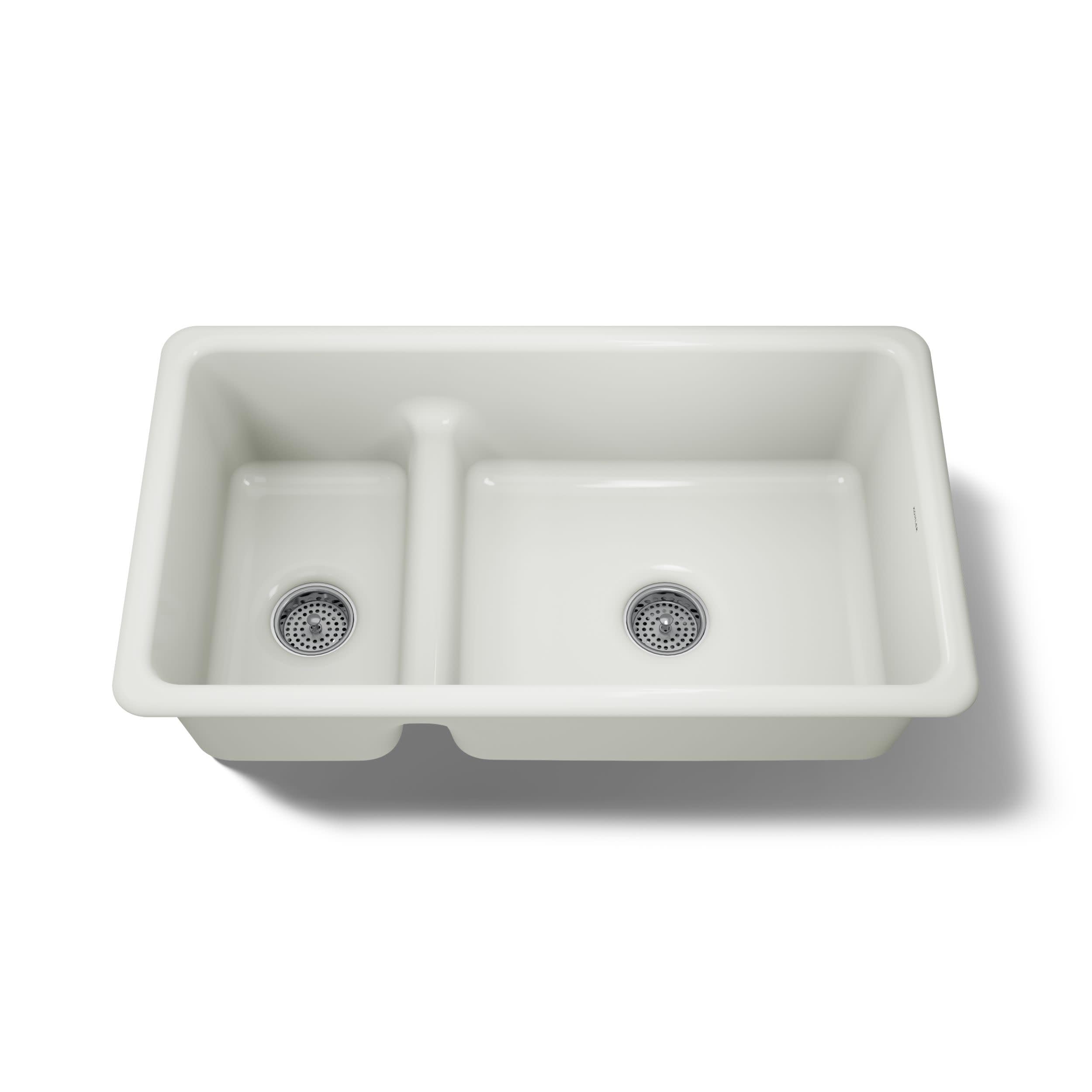
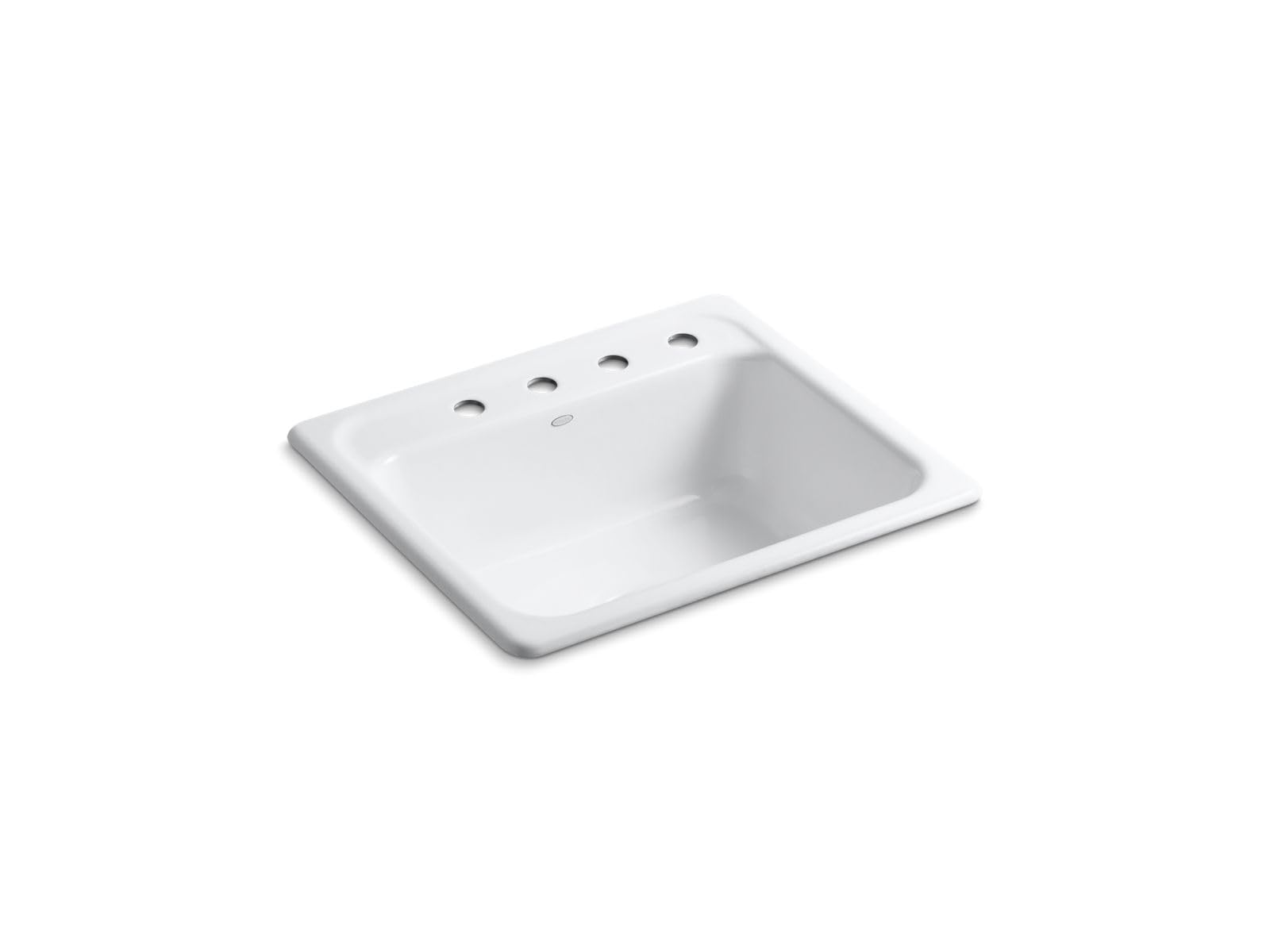


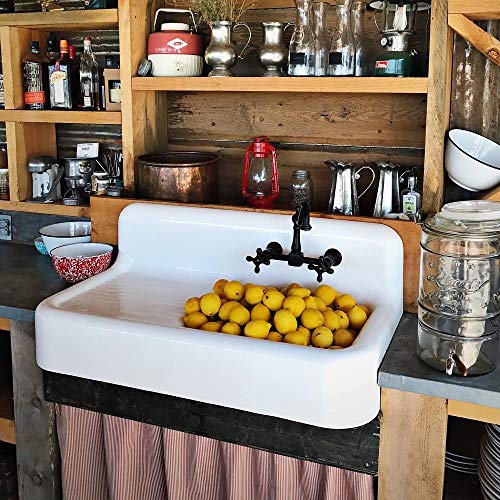

Quick Answer: The Short Version
Cast iron sinks are solid iron cores coated in thick porcelain enamel. The iron gives the sink its weight, its quiet feel under running water, and its ability to hold heat. The enamel gives you the smooth, glossy surface most buyers picture in a classic kitchen. If your cabinets can carry the weight and your routine involves heavy cookware, this material is among the most durable options you can buy, and the best cast iron kitchen sink is usually the one your cabinet can carry.
Start with three decisions. First, pick a mounting style that suits your counter and remodel plans. Second, choose a bowl layout that matches how many people cook and wash up at once. Third, confirm that your cabinet and counter can support a sink that may weigh well over 100 pounds once filled. Readers still comparing materials can start with our guide to the best kitchen sink.
Before You Buy: A Quick Checklist for Choosing a Kitchen Sink
Size: Match It to Your Space
Most cast iron sinks for home kitchens run from about 25 to 36 inches wide. A 25 or 30 inch model suits a small kitchen or a household of one or two people. A 33 inch sink is the common middle ground, and it usually needs a base cabinet at least 36 inches wide. A 36 inch model gives real room for sheet pans and stockpots, but it demands a wide cabinet. Bowl depth matters too. Bowls around 7 to 9 inches deep hold large pans without splashing, while shallower bowls are kinder to shorter users.
Which Type Fits Your Routine
Mounting style shapes both the look of the counter and the work of installation. Undermount models sit below the counter, so crumbs sweep straight into the bowl. Drop in models rest on a rim above the counter, which makes replacement simpler and works with more counter materials. Apron front models push the bowl toward you, shorten the reach to the faucet, and suit busy family kitchens. For a fuller look at the two most common mounts, read our guide to undermount vs drop in sink before you commit.
Features Worth Paying For and Ones to Skip
A few additions earn their cost. A bottom grid protects the enamel from heavy pans and lifts dishes out of standing water. An offset drain sits toward the back of the bowl, which frees cabinet space below and lets large pots sit flat. Sound dampening is rarely a concern, since the thick iron core already absorbs noise. Skip bundled accessories you will not use daily, such as cutting boards or colanders that duplicate tools you already own. A drainboard suits homes without a dishwasher, but it takes counter width small kitchens may need more.
Measurements and Compatibility With Your Setup
Measure before you order, and measure the cabinet rather than the old sink. Record the cabinet interior width, the counter cutout if one exists, and the depth from the counter front to the back wall. Check faucet hole count too, because drop in models come with one to four holes in the deck, while undermount models rely on counter mounted faucets. Confirm disposal clearance below the bowl. Our walkthrough of how to install a kitchen sink shows the full sequence.
Certifications and Safety Standards
Look for sinks that meet ASME A112.19.1, the standard covering enameled cast iron plumbing fixtures in the United States. The listing tells you the fixture passed tests for load, drainage, and surface quality. Ask whether the fittings comply with current lead limits for products that contact drinking water. Cast iron sinks often carry long warranty coverage on the enamel and the casting, so keep your proof of purchase for any claim.
DIY or Pro Installation Cost
Weight is the main reason many owners hire help. A large cast iron sink can take two or three people to lift safely, and undermount models need support rails or a frame inside the cabinet first. Professional installation commonly costs about $200 to $500 on top of the sink price, depending on plumbing changes. Confident DIY installers can fit a drop in model with basic tools, a helper for the lift, and sealant for the rim.
Realistic Budget Ranges
Cast iron sits at the upper end of sink pricing because the material and the enameling process cost more than stamped steel. Smaller models often run about $450 to $900. Family size undermount and apron front models commonly fall around $900 to $1,900. Large or double bowl designs can pass $1,500 before installation. Set your total budget with the install cost included, not the sink alone.
Types Compared: Choosing the Right Style for Your Home
Undermount Models for a Clean Counter Line
Undermount cast iron sinks pair best with solid surface, stone, or quartz counters that can hold the mounting hardware and show a finished edge. The rimless look makes cleanup fast and gives the kitchen a calm, built in feel. The trade off is support. The cabinet needs a sturdy frame, and replacement is harder because the sink is sealed beneath the counter. Choose this style during a remodel, rather than as a quick swap into an existing cutout.
Drop In Models for Simpler Replacement
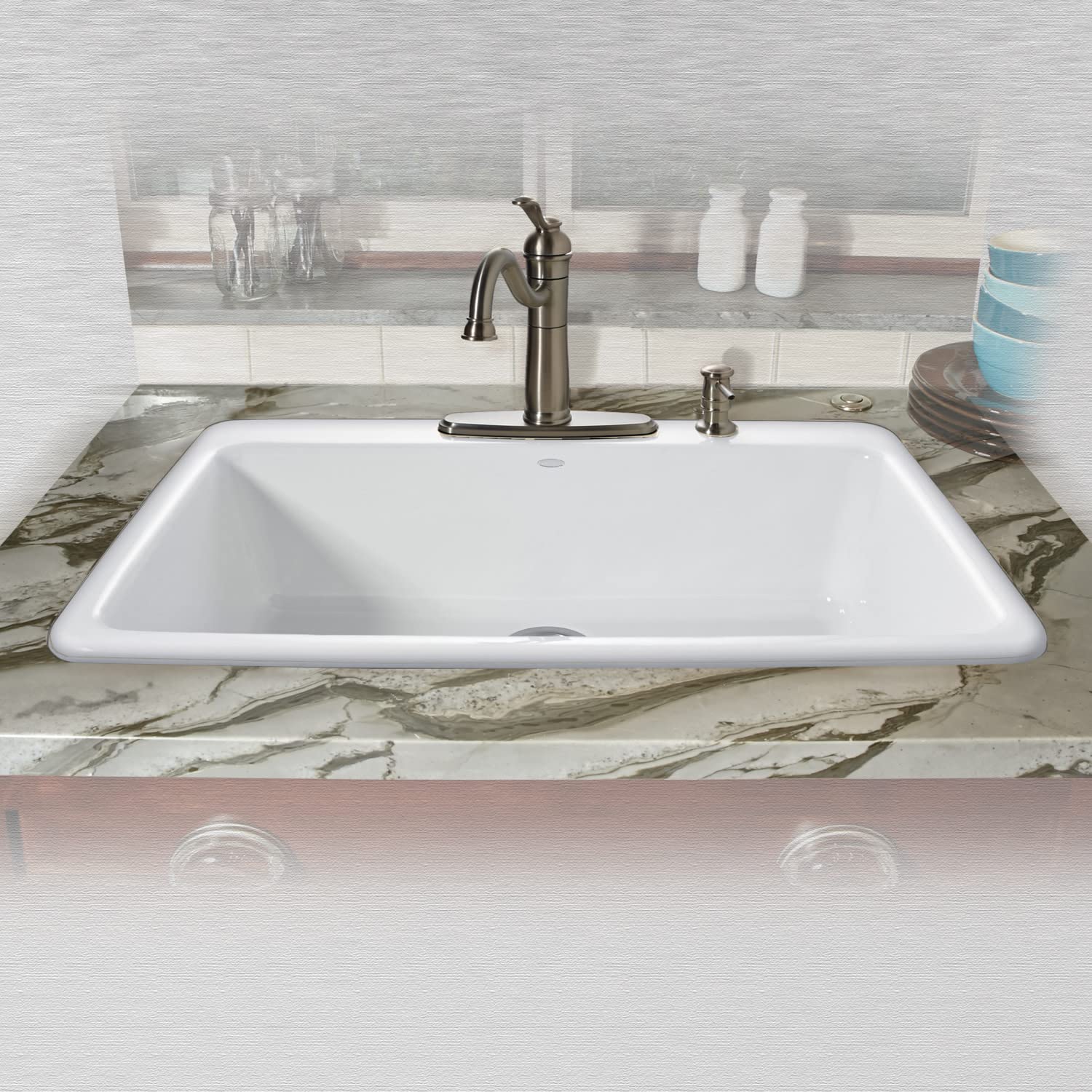
A drop in cast iron sink is the practical pick when you want to keep your current counter. The wide rim covers the cutout edge, hides minor flaws, and carries part of the load on the counter itself. Installation is the most forgiving of the three styles, and the sink can come out again without counter damage. The rim does catch crumbs and water, so expect a quick wipe around the edge after washing up.
Apron Front Models for Busy Family Kitchens
Apron front models, often called farmhouse sinks, bring the bowl forward and show a tall enamel front panel. Shorter reach helps when you wash heavy pots for long stretches, and the single deep bowl swallows roasting pans and baking sheets whole. These sinks need a cabinet built or modified for the apron, and the exposed front can chip if pan handles strike it often. Households that cook big meals most nights gain the most here.
How to Evaluate Enamel Quality and Construction
Judge a cast iron sink by the enamel first. Run your hand over the surface in the store or study close photos online. The finish should feel smooth and even, without ripples, pinholes, or thin spots near the drain. Thick enamel resists chips better and can often be touched up if a small chip appears. Next, check the casting. The walls should be thick and uniform, and the rim flat so the sink seats without rocking.
Also weigh the maker support behind the sink. Clear spec sheets, published cabinet requirements, and available touch up kits point to a product built for long service. Compare drain hole size, since standard openings around 3.5 inches fit most disposals and strainers. Finally, match the color in your own light, since white enamel varies from bright to warm between makers.
What We Like and What We Do Not Like About Cast Iron
The strengths are easy to feel in daily use. Cast iron sinks stay quiet when dishes land in them, hold heat so wash water stays warm longer, and resist dents entirely. The enamel surface shrugs off most stains and does not absorb odors. A well kept sink can serve for 25 years or more, which is why many owners treat it as a once in a remodel purchase.
The drawbacks deserve equal weight, literally. These sinks are heavy, and that weight limits counter choices and raises install cost. Enamel can chip if a heavy pan edge strikes it hard, and exposed iron at a chip can rust if you ignore it. Light colors show scuffs from metal cookware, though the marks usually lift with the right cleaner. If the weight concerns you, our guide to the best stainless steel kitchen sink covers a lighter alternative, and our comparison of fireclay vs cast iron sink explains how the closest enamel rival differs.
Common Buying Mistakes to Avoid
- Ordering by counter width alone, which leaves you with a sink too wide for the cabinet below.
- Ignoring total weight, so the counter flexes under a full bowl and the seal around the rim cracks.
- Choosing a deep double bowl for a small household, which wastes space when one large single bowl fits pans better.
- Skipping the faucet plan, then finding the deck holes do not match the faucet you wanted.
- Using abrasive powders on the enamel, which dulls the gloss and makes later stains harder to lift.
Cost of Ownership and Care
Daily care is simple and cheap. Wash the bowl with a soft sponge, mild dish soap, and warm water, then rinse and wipe it dry to limit water spots. A paste of baking soda and water lifts metal scuff marks without harming the finish. Avoid steel wool and harsh scouring powders. For a deeper routine by material, see our guide on how to clean a kitchen sink. Ownership costs stay low. Expect to replace a strainer now and then, and keep a small enamel touch up kit, often under $25, for the rare chip.
FAQ
Are cast iron kitchen sinks worth the extra weight?
For most permanent remodels, yes. The weight buys quiet washing, strong heat retention, and a bowl that never flexes under a full stockpot. Its cost shows up once, at installation, in extra labor or support framing. In a rental or a kitchen with fragile counters, the same weight becomes a real burden. Match the decision to how long you plan to stay and how sound your cabinets are.
How long does an enameled cast iron sink usually last?
The iron casting itself can last for many decades, and the enamel usually sets the practical lifespan. With gentle cleaning and prompt chip repair, the surface often looks good for 25 to 30 years of daily use. Heavy scouring, dropped pans, and ignored chips shorten that span. When the enamel finally wears thin, professional refinishing can extend service, though most owners weigh that cost against replacement.
Can chips in a cast iron sink be repaired at home?
Small chips can, and quick repair matters because exposed iron rusts when it stays wet. Dry the area fully, clean it with rubbing alcohol, and apply an enamel touch up product made for cast iron fixtures in thin layers. Let each layer cure for the time on the label before use. Deep cracks or large missing areas are a job for a refinishing professional, since a thick patch rarely bonds well from a home kit.
Can a cast iron sink work with a garbage disposal?
Yes, and the pairing is common. The thick bowl dampens disposal vibration better than thin steel, so the setup usually runs quietly. Use a flange sized for the drain opening and support the disposal per its manual, since it adds weight below the bowl. Run cold water while the unit works, and avoid pouring grease down the drain, because grease buildup harms the disposal and your pipes.
What counter materials pair safely with a cast iron sink?
Quartz, granite, and solid surface counters handle the load well when the cabinet below is braced, and they suit undermount installation. Laminate pairs safely with drop in models, since the rim spreads weight across the surface, but water must never reach the cut edge or the core can swell. Butcher block works if you seal the wood near the sink well. Thin tile counters are the weakest choice, because uneven support invites cracks.
Final Thoughts
Cast iron rewards buyers who plan around its weight and choose the layout with care. Set your cabinet size first, pick the mount that fits your counter, and spend on enamel quality and a bottom grid before any extras. Compare the styles in the product table above against your routine once more. When the fit is right, the best cast iron kitchen sink for your home becomes the quiet, sturdy center of the kitchen for decades.