
The Best Cell Phones Not Smartphones: A Buying Guide for 2026
Disclosure: We may earn a commission when you buy through links on this page, at no extra cost to you. As an Amazon Associate I earn from qualifying purchases. Learn more

Cell phones not smartphones compared by call quality, battery life, keypad and build, with a clear look at what each price level delivers.
You want a phone that makes calls, sends texts, and stays charged for days, without apps pulling at your attention all day. The best cell phones not smartphones give you that simplicity, along with clear sound, readable screens, and buttons you can use without looking. This guide explains what actually differs between simple phones so you can choose with confidence.
Start with how you will use the phone each day, then check network support before anything else.
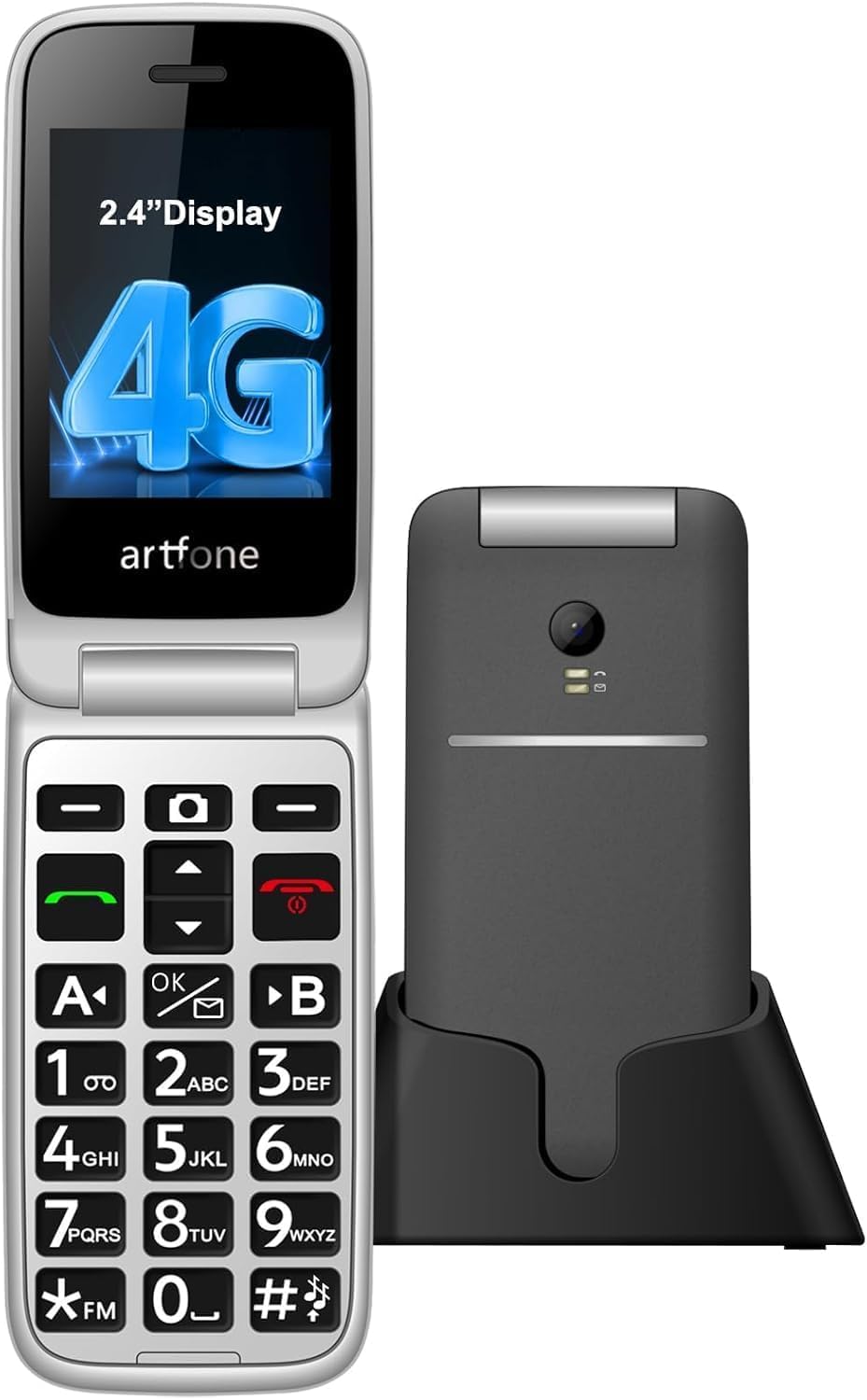

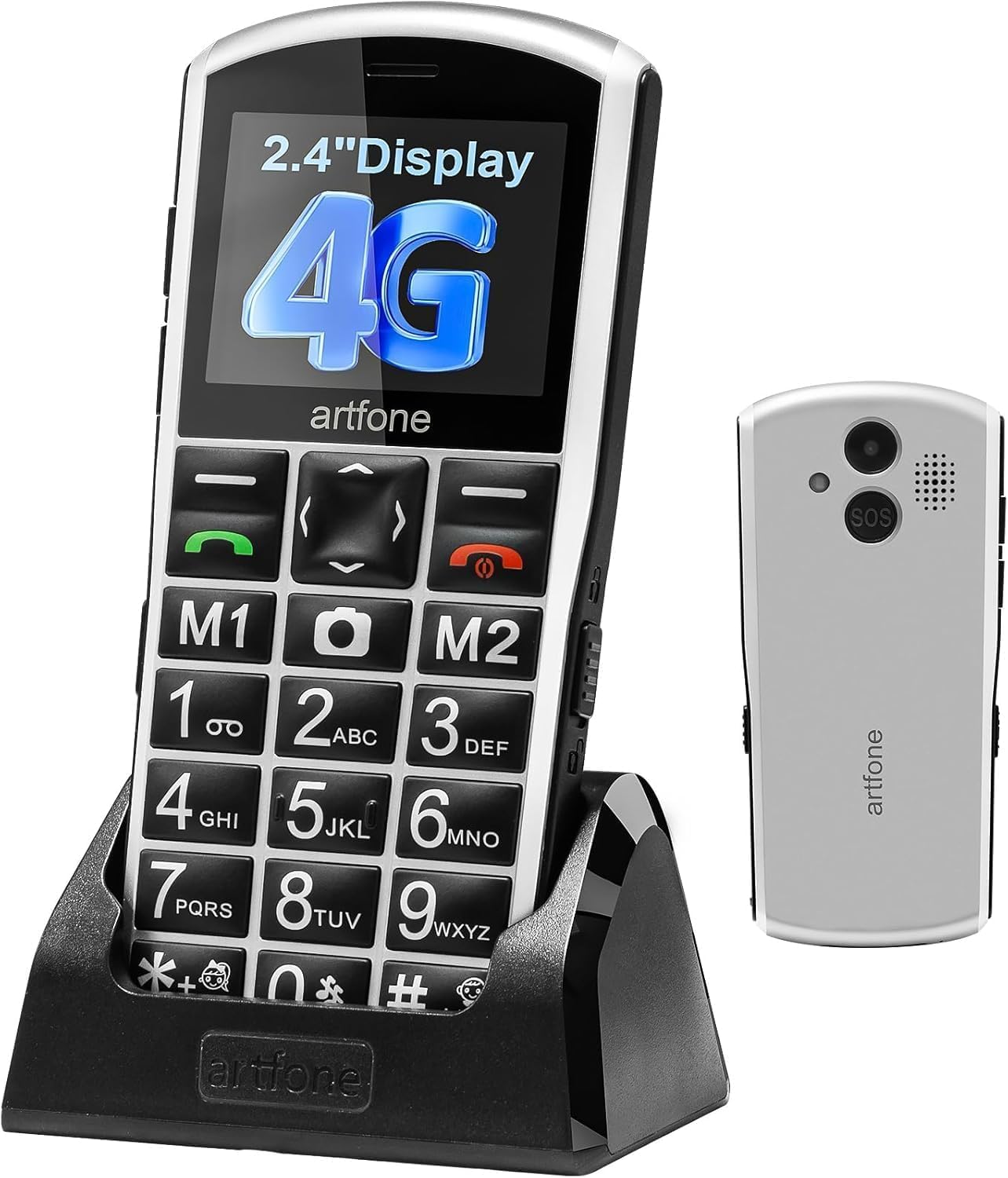
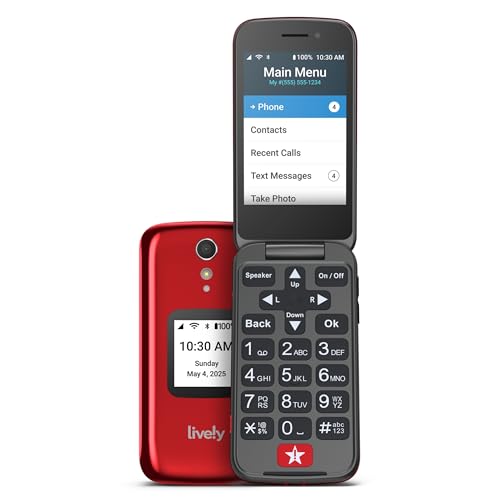
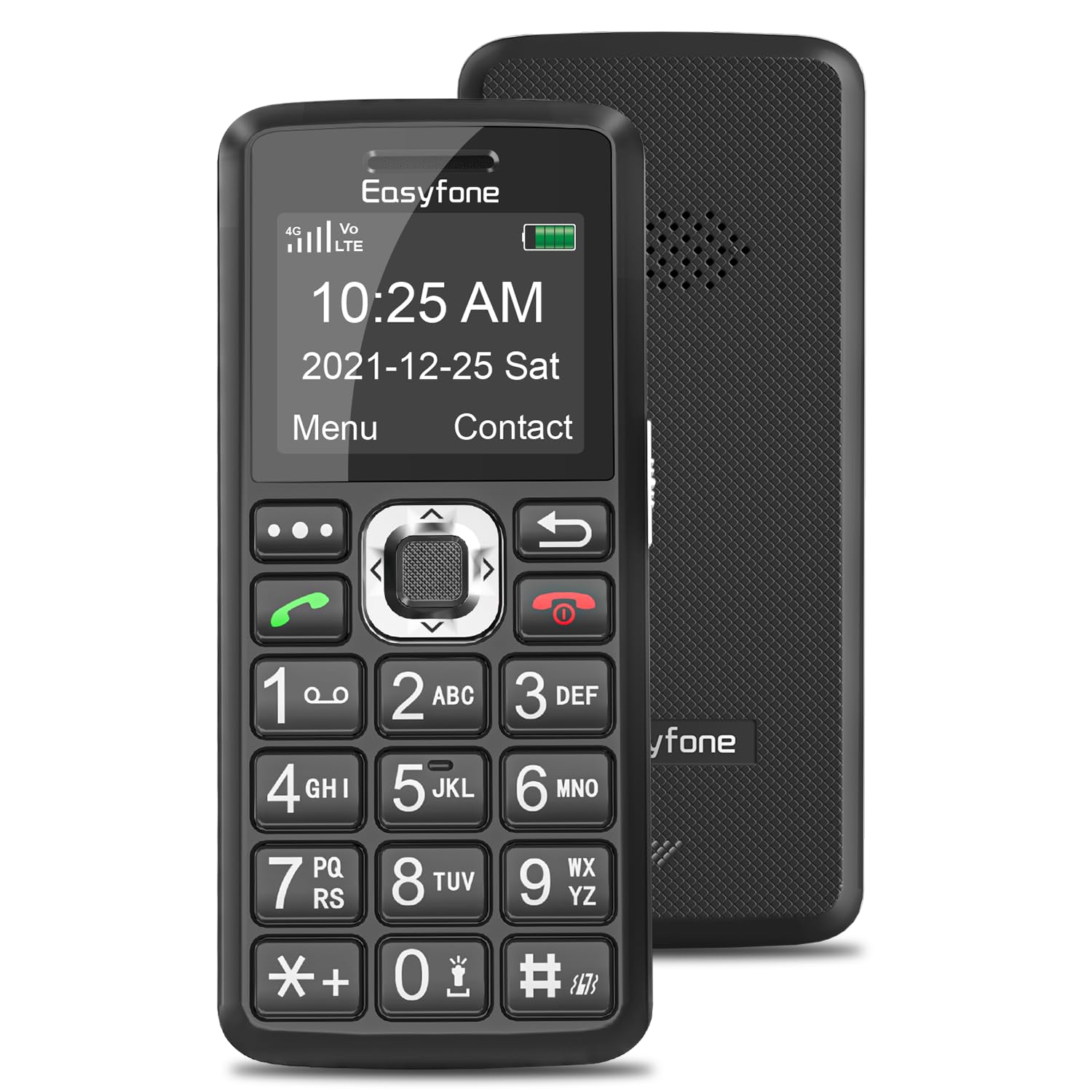
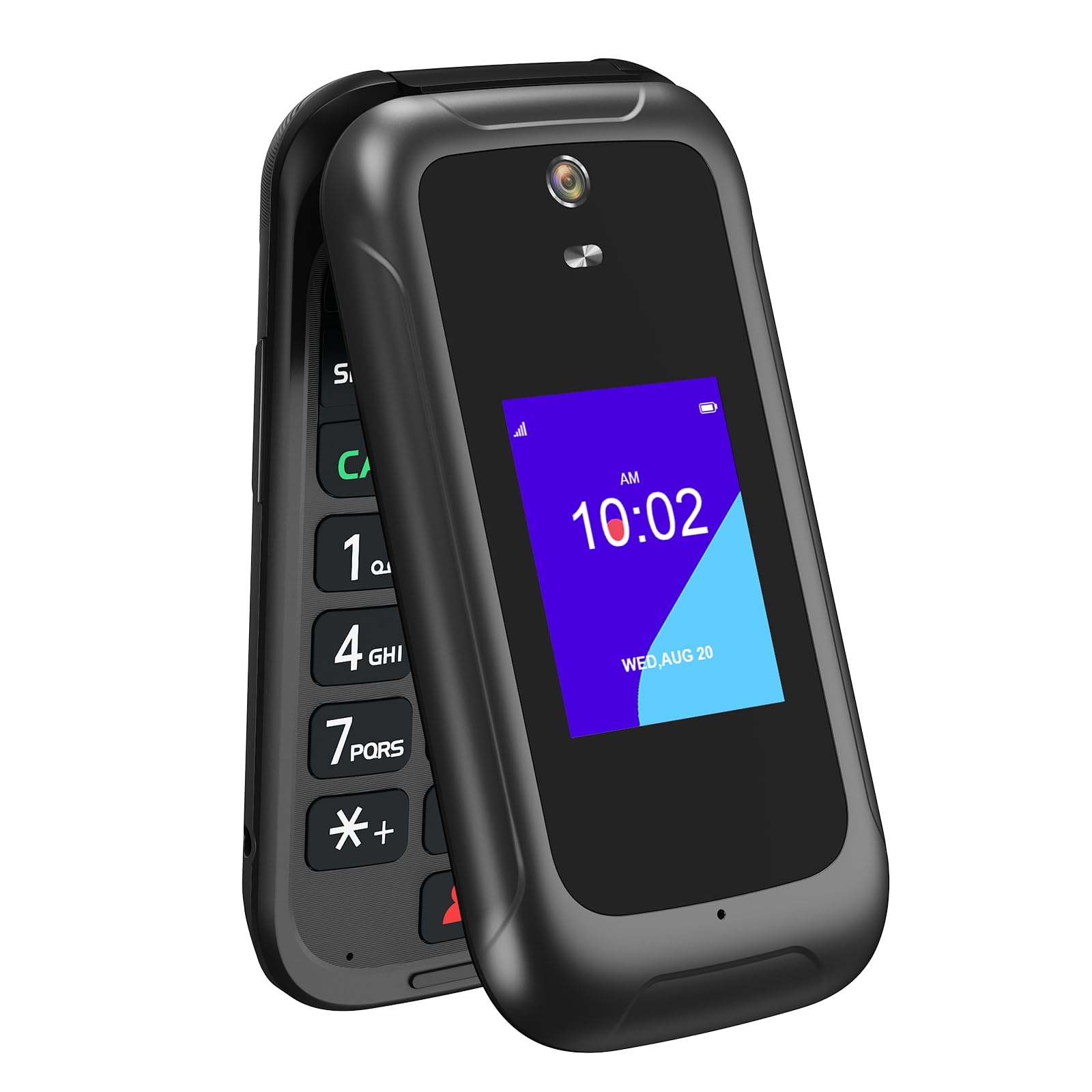
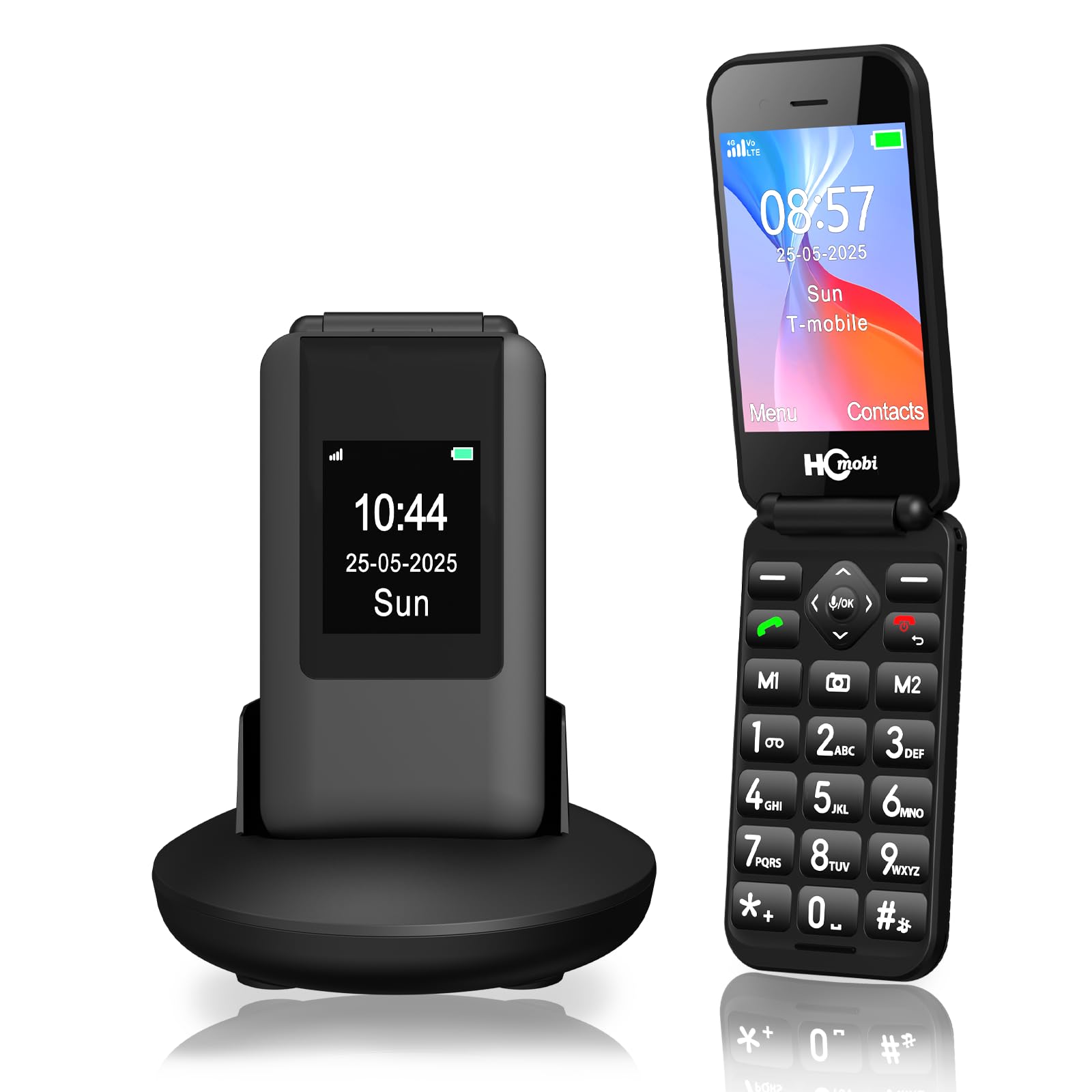
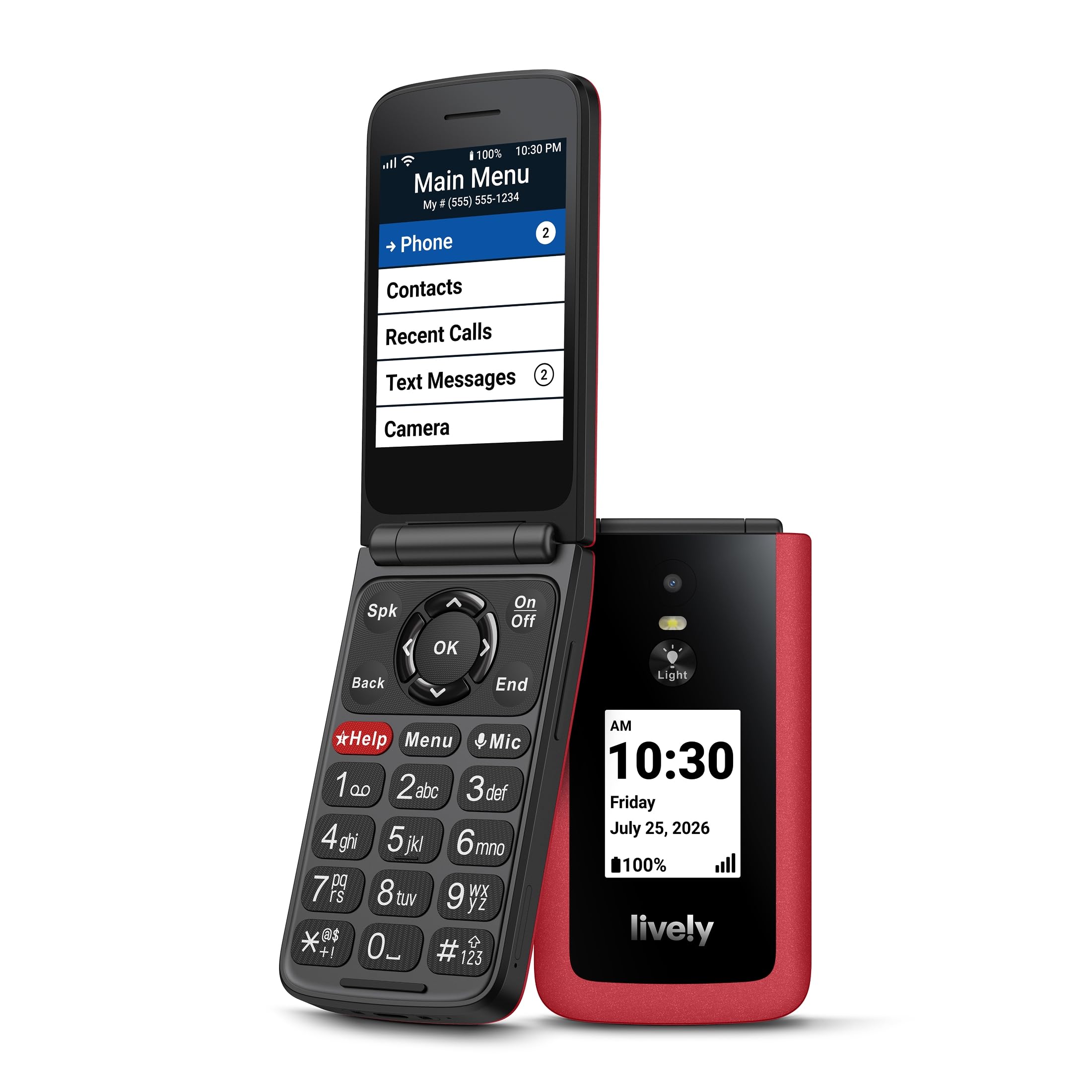
What Different Price Levels Deliver
Simple phones cost far less than smartphones, but the gap between the lowest and highest prices still buys real differences. Spending a little more usually improves call clarity, build quality, and battery size rather than adding features you do not need. The three levels below show what your money generally delivers at each step.
Midrange Level: Balance of Calls, Battery, and Build
Phones in the middle of the range, often around $60 to $120, suit most buyers who want a dependable daily phone. You typically get a bright color screen, a battery that lasts several days, Bluetooth for a headset or car kit, and a basic camera for quick photos. Call quality is usually a clear step up from the cheapest models, with louder speakers and better noise handling in busy places. If you only want to buy once and use the phone for years, start your search at this level.
Budget Level: The Basics Done Well
Budget models around $25 to $60 cover calling, texting, an alarm, a flashlight, and FM radio, and for many people that is enough. Expect a smaller screen, a simpler camera or no camera at all, and a plastic body that still shrugs off daily knocks. Battery life is often excellent because the screen and software ask so little of it. The trade off is tighter storage for contacts and messages, so heavy texters should check limits before buying.
Premium Level: Rugged Builds and Extra Comfort
The top end for simple phones, roughly $120 to $200, pays for toughness and comfort rather than apps. You may find water resistance, a reinforced body that survives drops, extra loud speakers, and large raised buttons that help if your grip or vision has changed. Some models add a charging dock, which is easier than lining up a small cable each night. Choose this level if the phone will work outdoors, travel often, or serve as a reliable backup during power cuts.
How to Choose the Best Cell Phones Not Smartphones: Buying Guide
Display Size and Quality
Most simple phones use screens around 2.4 to 2.8 inches, which keeps the phone small while leaving room for large text. Look for adjustable font size and strong brightness so you can read messages outdoors without shading the screen. A color display makes menus and photos easier to follow than the plain screens on the oldest style models. You do not need the sharp panels or fast refresh rates sold on flagship phones, because simple menus place almost no demand on the display.
Storage Options
Storage needs stay tiny on a phone without apps, so the built in memory mainly holds contacts, texts, and a few photos. Many models accept a microSD card, which helps if you store music or many pictures, and cards add space for only a few dollars. Check the contact limit as well, since some phones cap entries at a few hundred names. If you plan to keep years of family photos on the phone, a card slot matters more than raw internal space.
Battery Life and Charging Speed
Battery life is the strongest reason to choose a simple phone, with many models lasting a week or more between charges. Capacity figures in mAh look small next to smartphones, often around 1000 to 2000 mAh, yet the modest screen and software sip power slowly. Ask about standby time and talk time rather than capacity alone, because those numbers reflect real use. A removable battery is a bonus, since a worn battery can be swapped in seconds instead of ending the life of the phone.
Camera System
Cameras on simple phones are for snapshots, not keepsakes, and that is fine for documenting a meter reading or a parking spot. A basic rear camera with a flash helps in dim rooms, while many flip phones skip a front camera entirely. Night mode and advanced zoom belong to smartphones, so judge samples by daylight clarity instead of spec lists. If photos matter to you, confirm the phone can send pictures by text and save them to a memory card.
Processor and Everyday Performance
You will not see chip names or large RAM figures here, because simple software needs very little power to run smoothly. What matters is whether menus open promptly, buttons respond without delay, and calls connect quickly after dialing. Sluggish keypads and long waits after pressing a button are signs of a poorly tuned model, whatever the price. Everyday performance also includes reception, so a phone that holds a signal in weak areas beats one with a longer feature list.
Build, Durability, and Water Resistance
A solid hinge, buttons that click with clear feedback, and a body without creaks predict years of service better than any spec sheet. Some rugged models carry ratings such as IP68, meaning they resist dust and brief immersion, which suits farm, site, and outdoor work. Others rely on thick plastic and raised edges that protect the screen when the phone lands face down. If drops are likely, pair the phone with a simple case and keep the charging port cover closed against grit.
Types of Cell Phones Not Smartphones
Compact Phones
Compact bar phones and small flip phones disappear into a pocket and weigh very little, which makes them ideal as a second phone or a travel phone. Their small keys can frustrate larger hands, so try the keypad layout if you text often. Battery life stays strong because the screens are tiny. Choose a compact model when carrying comfort matters more than screen size or camera quality.
Camera Focused Phones
A small number of simple phones put extra effort into the camera, adding a better lens, a flash, and easy sharing by text message. They will never match a smartphone for low light shots, but they handle daylight scenes, documents, and family moments well enough. This type suits grandparents who want quick photos without learning an app based gallery. Check that photo storage can grow with a memory card before you commit.
Mid Range Phones
Mid range simple phones blend a readable screen, a week of standby time, and a price that feels fair for a backup or a first phone for a child. They usually include Bluetooth, a flashlight, and an FM radio, covering the extras people actually use. If you are unsure which type fits you, this is the safest starting point. You can also compare shapes and sizes through our guide to the best phones not smartphones for a wider view of the category.
Setup and Care Tips
- Use a case and screen protector if the phone travels in a tool bag or crowded purse, since simple screens scratch just like any other.
- Confirm the phone works on your carrier network before you move your number, because older 3G only models no longer connect in many areas and 4G support is now essential.
- Charge the battery before it runs fully flat when you can, and keep the phone away from extreme heat in parked cars to slow battery wear.
- Back up contacts to the SIM card or a memory card every few months, so a lost phone does not mean a lost address book.
- Set the largest comfortable font, save emergency contacts on speed dial, and test the SOS button if your model has one.
- Wipe the keypad and screen with a soft dry cloth weekly, and clear dust from the charging port with gentle air rather than a metal pin.
Network fit deserves one more mention because it decides whether any simple phone works at all in your area. Shoppers comparing naming variations can also read our guide to the best mobile phones not smartphones to confirm which network bands and carrier rules apply before ordering.
Frequently Asked Questions
Do I need 5G on a simple cell phone?
No, most simple phone users do not need 5G, because calls and texts run perfectly well on 4G networks. What you do need is 4G support with voice calling over that network, since older networks have shut down in many regions. A 4G simple phone should stay usable for years. Choose a rare 5G simple model only if you plan to share its connection with other devices.
How many years of updates should a phone get?
Simple phones receive few software updates, and that is mostly fine because they run no apps and store little personal data. Expect security support to be shorter and quieter than on smartphones, often with no published schedule at all. The bigger risk is network change, not software age. Buying a current 4G model from a maker that still sells in your country gives you the longest useful life.
How much storage do I need on a simple cell phone?
Most people need very little storage, since contacts and texts take up almost no space at all. A phone used for calls alone can run happily on its built in memory for years. Add a memory card only if you store music or hundreds of photos on the device. Before buying, check the contact and message limits in the manual, because those caps matter more than the headline storage figure.
Should I buy an unlocked simple cell phone?
Yes, an unlocked phone is usually the smarter buy because you can change carriers, use a local SIM while traveling, or hand the phone to a family member on another network. Just confirm the phone supports the bands your carrier uses, especially for voice calls. Carrier locked models can cost less at first, but the savings rarely repay the loss of freedom. Keep your receipt and unlock details with the phone records.
Is a mid range simple phone good enough?
Yes, a mid range simple phone is good enough for most people, covering clear calls, long battery life, texting, an alarm, and a flashlight without fuss. It is the right choice for a digital break, a backup phone, or a first phone for a younger teen. Step up in price only for a rugged body, a charging dock, or extra loud sound. Step down only if the phone is a rarely used spare kept in a drawer.
The Bottom Line
Choose network support first, then battery life, then the keypad and screen you will enjoy using every day. Compare those details across your shortlist before you order. For most readers, the best cell phones not smartphones are simply the ones that make calling effortless, stay charged all week, and fit the hand and pocket without complaint.


