
Best Ceiling Light for Living Room 2026: Buying Guide
Disclosure: We may earn a commission when you buy through links on this page, at no extra cost to you. As an Amazon Associate I earn from qualifying purchases. Learn more

Size the fixture to the room and keep the tone warm and dimmable when choosing the best ceiling light for living room spaces.
A living room ceiling light has to do more than fill a room with brightness. It sets the mood for conversation, reading, and television, and it has to look right with your furniture when it is off during the day. Choosing the best ceiling light for living room use means balancing lumens, color temperature, fixture size, and style instead of picking by looks alone.
This guide compares the main fixture types, explains the specs that change how a room feels, and walks through sizing, dimming, and installation. Use the product table below to see the key differences at a glance, then read on for the details that help you match a fixture to your ceiling height and layout.


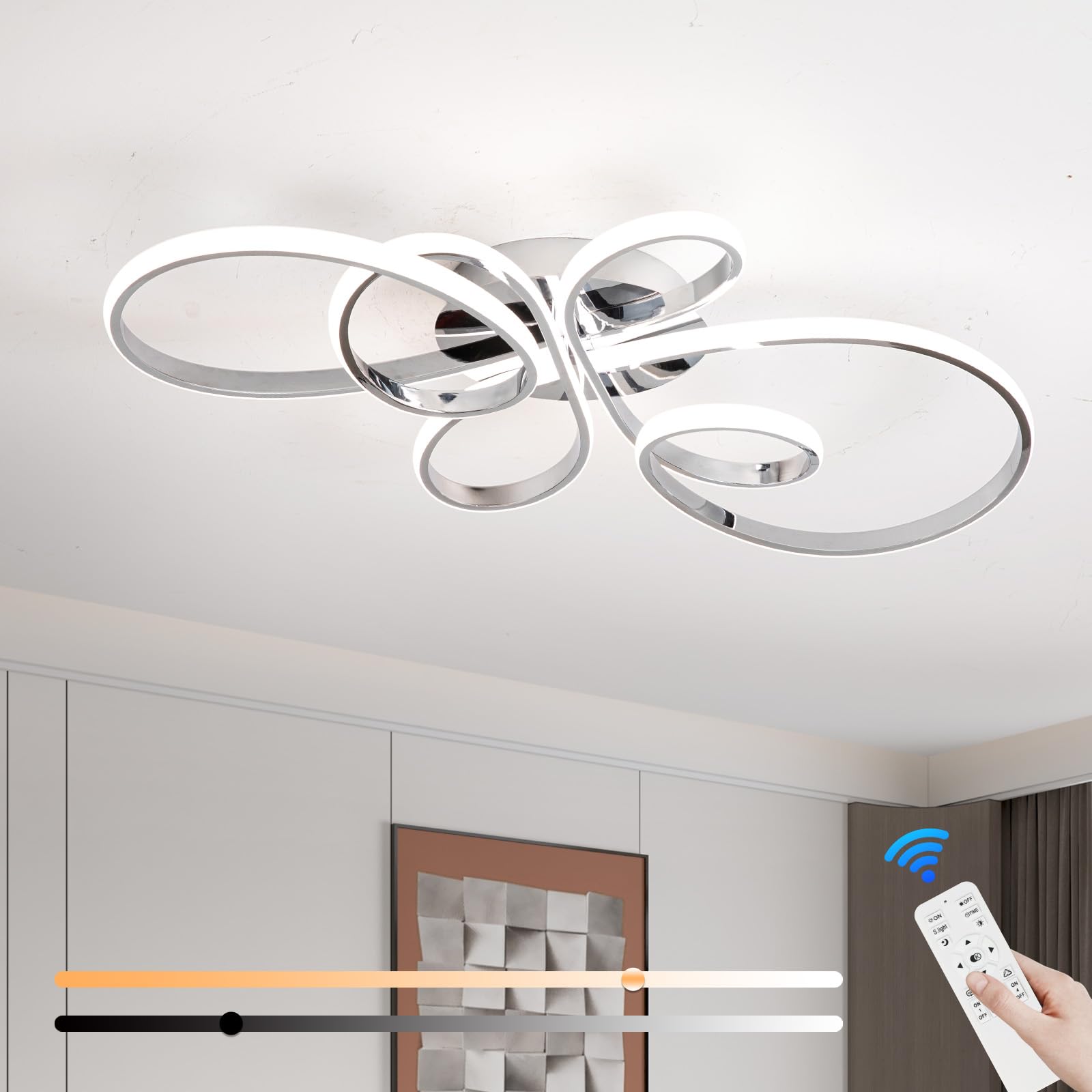


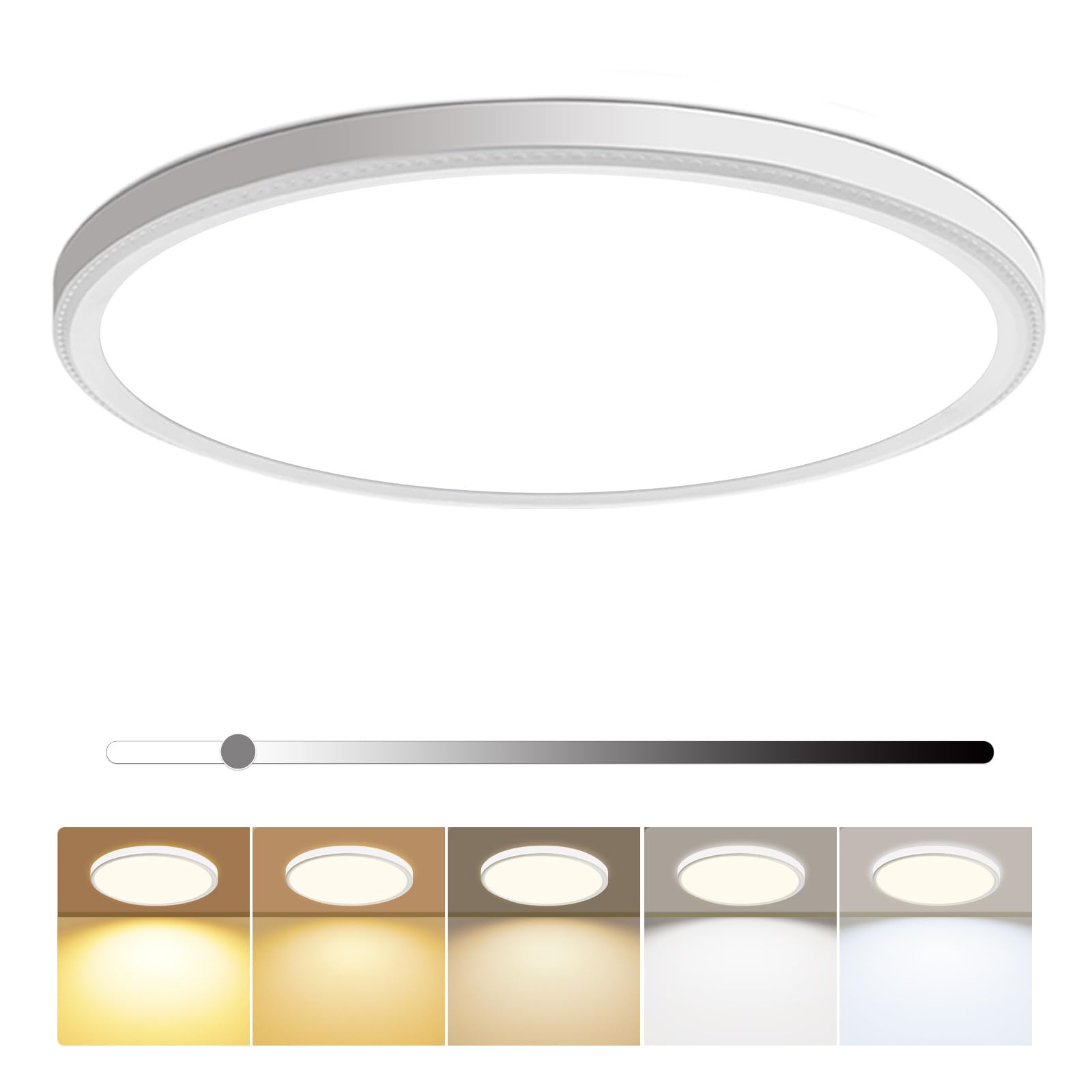

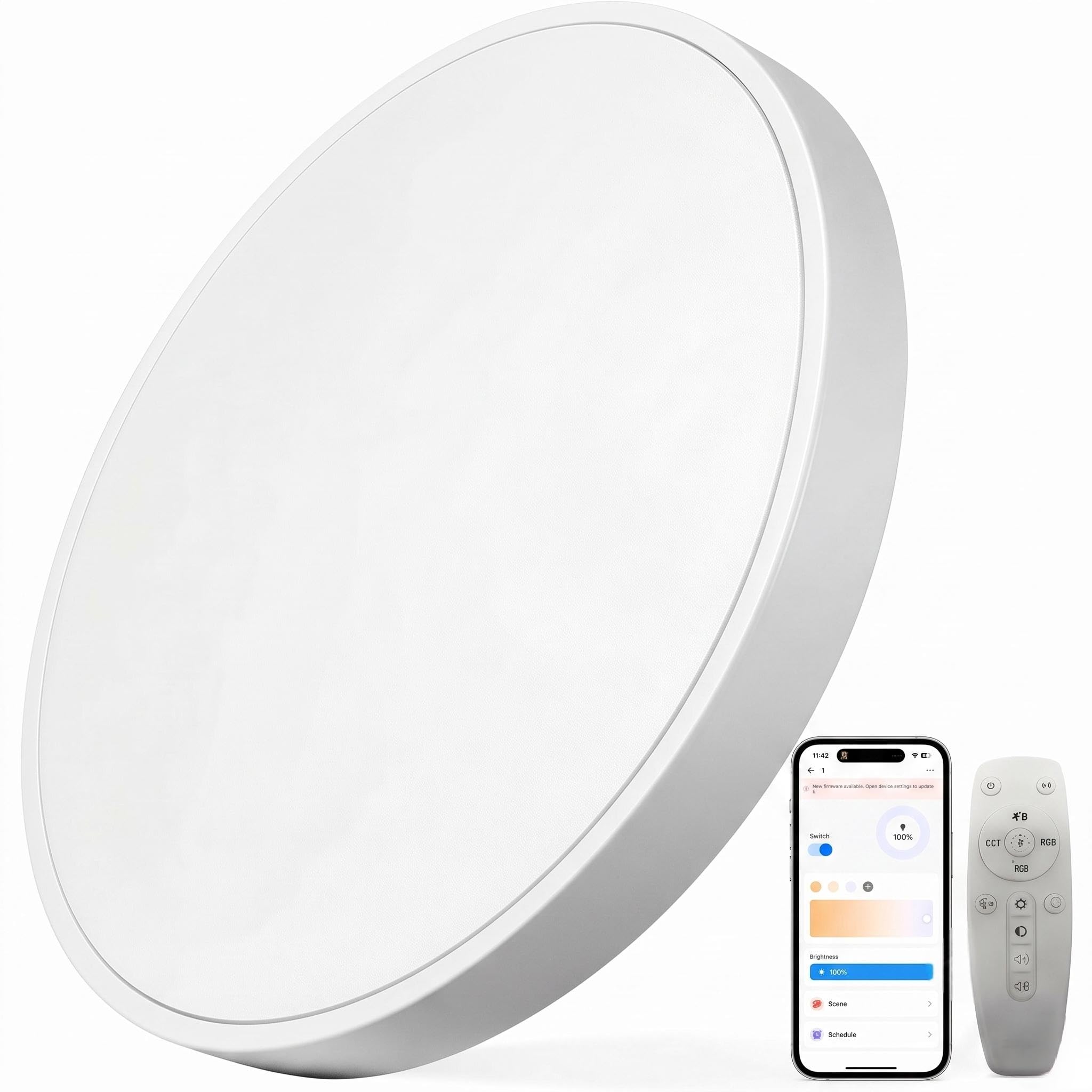
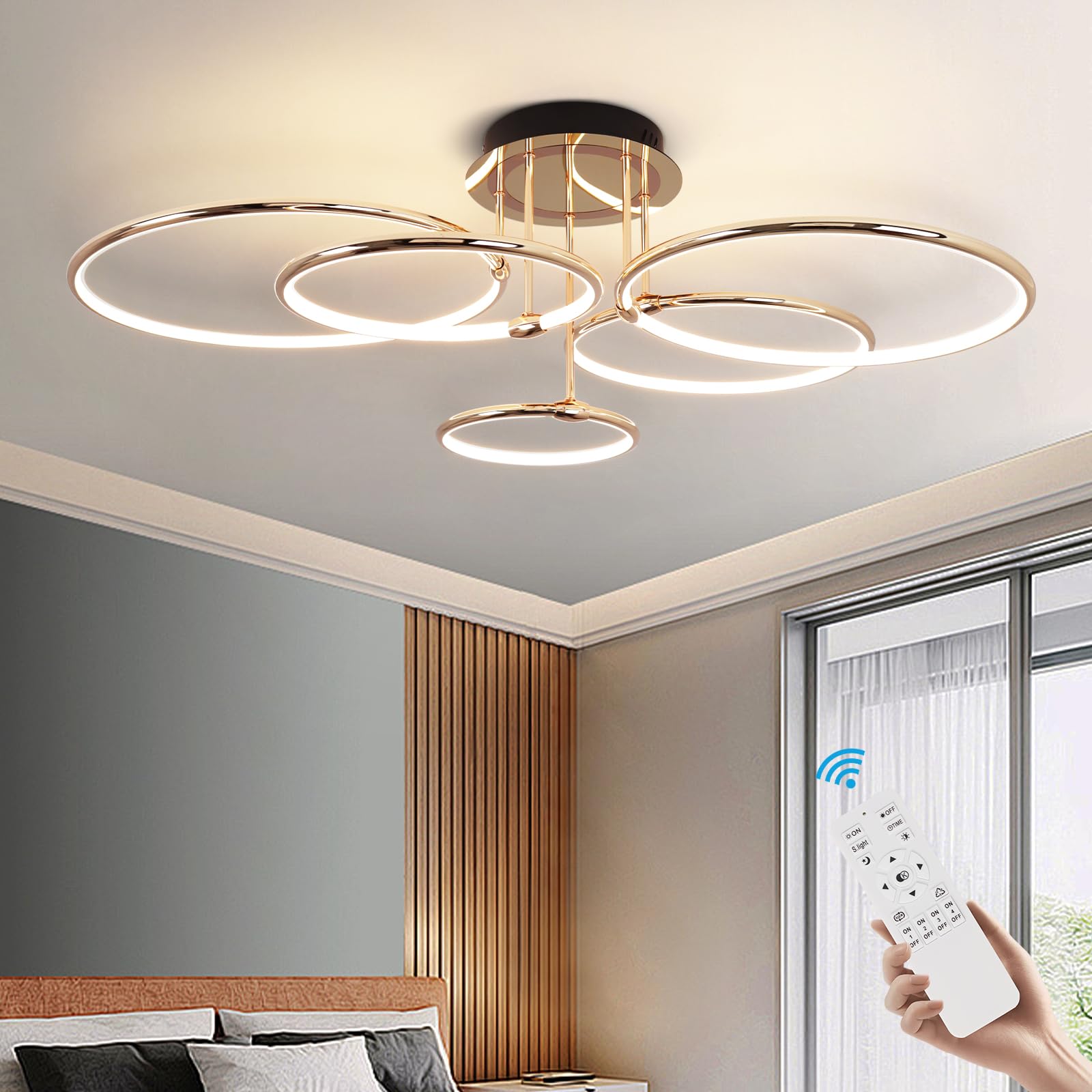
Fixture Types Compared at a Glance
Three types cover most living rooms. A flush mount sits tight against the ceiling and suits rooms with low ceilings or heavy foot traffic below. A semi flush mount hangs a few inches down on a short stem, which spreads light a little wider and gives a drum or bowl shade more presence.
An integrated LED fixture has the light source built into the design rather than using separate bulbs you can swap. These tend to be slim and even in brightness, but when the light source reaches the end of its life you usually replace the whole fixture. If you are weighing the first two types, our guide to flush vs semi flush mount explains the height and spread tradeoffs in detail.
How We Chose the Criteria for Living Room Lighting
We built this guide around five factors that decide whether a living room fixture works in daily life. They are brightness in lumens and color temperature, style and finish, installation method, energy efficiency, and value for the size of room covered. Each factor below comes from manufacturer specifications and standard lighting guidance for homes.
How to Choose the Right Ceiling Light for Living Room Use
Work through the points in this section in order. Ceiling height rules out some mounts, room size sets the brightness and diameter you need, and your wiring decides which dimming options will work. For a broader walkthrough, see our guide on how to choose a ceiling light before you order.
Type
Flush mount fixtures are the safest choice for ceilings around 8 feet high, because they add almost no drop and leave full headroom. Semi flush designs suit ceilings of about 9 feet or more, where a small gap lets light bounce off the ceiling and softens shadows. In a large or formal room, a single central fixture may still leave the edges dim, so plan on lamps to fill the corners.
Swapping an old dome fixture for a cleaner drum or flat panel design usually keeps the same mount type, which makes the change simple. What improves is the shade material, the diffusion, and often the ability to dim.
Features Worth Paying For
A remote control is worth paying for when the fixture is your main evening light and the wall switch is far from the sofa. Color temperature selectable designs let you pick a warmer or cooler tone at installation instead of guessing from a box label. A motion sensor matters less in a living room than in a hallway, so most buyers can skip it here and spend on dimming instead.
Lumens and Color Temperature
Brightness is measured in lumens, not watts. A small living room of about 150 square feet often feels comfortable with roughly 1500 to 2500 lumens from the ceiling fixture when lamps add more light at the sides. A larger room of about 300 square feet may need roughly 3000 to 4500 lumens in total, split between the ceiling and other sources.
Color temperature shapes mood more than brightness does. Around 2700K to 3000K gives a warm tone that suits wood, fabric, and evening use. Cooler tones near 4000K can feel stark in a room built for relaxing. If you read our guide to the best led ceiling light options, you will see the same warm range recommended for spaces where people sit and talk.
Fixture Size and Placement
A simple sizing method adds the length and width of the room in feet and treats that sum as inches for fixture diameter. A room that is 12 feet by 15 feet gives a sum of 27, so a fixture around 24 to 28 inches wide is a sensible starting point. Go a little smaller in a room with low ceilings so the fixture does not dominate.
Placement matters as much as size. Center the fixture over the main seating area rather than the exact center of the room when your furniture grouping sits off to one side. In an open plan space, keep the living room fixture visually separate from the dining or kitchen lights so each zone keeps its own focus.
Dimmable and Smart Options
Dimming is the single most useful control in a living room, because the same fixture must serve bright cleaning sessions and low light film nights. Check that the fixture and your wall dimmer are listed as compatible, since a mismatch can cause flicker or buzzing. Fixtures with replaceable bulbs let you choose dimmable bulbs separately, which gives you more control.
Smart fixtures add app and voice control, timers, and in some models a choice of color scenes. They make sense if you already use a smart home system and want the ceiling light in your evening routine. If you do not, a standard fixture on a good dimmer switch gives you most of the benefit for less cost and with fewer setup steps.
Installation
Most ceiling fixtures are hardwired to a ceiling box where the old light was removed. Turn off power at the breaker, confirm the box is rated to support the fixture weight, and follow the wiring colors in the instructions. Heavier fixtures and any work on a damaged box call for a licensed electrician. Our step by step guide on how to install a ceiling light covers the full process and the tools you need.
Plug in ceiling lights exist for renters and for rooms with no ceiling wiring, using a cord that runs to a wall outlet and a hook or swag chain for position. They avoid electrical work but leave a visible cord. For a permanent living room, a hardwired fixture almost always looks cleaner and sits more securely.
How Much Should You Spend?
Under about $30, expect a basic flush mount with a simple cover and limited dimming, suited to a small room or a rental. Around $50 to $100 brings better shade materials, stronger diffusion, and more reliable dimming. This is the range where most living rooms find a good balance of looks and light quality.
Around $100 to $200 buys larger diameters for bigger rooms, selectable color temperature, and finishes that match other hardware in the home. Above that level you are mostly paying for decorative materials and smart features rather than more useful light. Spend first on the right size and dimming, then on decoration.
What Matters Most in a Ceiling Light for Living Room Comfort
A living room is different from a kitchen or bathroom because people stay in it for hours at low light levels. Glare that you would tolerate for ten minutes while cooking becomes tiring across a whole evening. That is why diffusion, warm color temperature, and smooth dimming matter more here than raw maximum brightness.
Layering is the other key point. No single ceiling fixture handles conversation, reading, and television equally well, so treat the ceiling light as the base layer and add a floor lamp or table lamps for tasks. If your living area opens into the kitchen, our guide to the best ceiling light for kitchen explains why that room needs brighter and cooler light than the seating area beside it.
Common Mistakes to Avoid
- Buying by wattage instead of lumens, which leads to a room that is far brighter or dimmer than you expected.
- Choosing a fixture that is too small for the room, so the center glows while the seating at the edges stays dark.
- Picking a cool color temperature for evening use, which makes a relaxing room feel like an office.
- Ignoring dimmer compatibility, so the new fixture flickers or buzzes at low settings.
- Hanging a semi flush fixture under a low ceiling, which crowds headroom and looks out of proportion.
- Relying on the ceiling light alone with no lamps, so reading and conversation both get flat and tiring light.
How to Make Your Ceiling Light Last Longer
Dust the shade regularly with a dry or slightly damp cloth after switching the light off and letting it cool. Dust buildup dims the output and can make a bright fixture seem weak. For glass and crystal parts, support the piece with one hand while you wipe so it does not loosen.
Keep moisture away from fixtures not rated for damp locations, and tighten loose screws during cleaning. If your fixture uses replaceable bulbs, stay within the rated wattage for the socket, since hotter bulbs shorten the life of the socket and the wiring insulation.
For integrated LED fixtures, airflow helps the electronics last. Avoid covering the fixture with insulation unless the rating allows it, and note the rated life in hours so you can judge value when you compare models.
FAQ
What is the best ceiling light for living room use?
For most homes it is a dimmable flush mount or semi flush mount in a warm tone, sized to the room using the method in this guide. The right pick depends on ceiling height first and room size second. A warm, well diffused fixture around 2700K to 3000K suits the widest range of living rooms, furniture styles, and evening activities.
What should I look for in a ceiling light for living room shopping?
Look for the total lumen output, the color temperature, smooth dimming, and a shade that hides the bulbs from view at sofa height. Also confirm the fixture diameter fits your room and that the mount suits your ceiling height. A listed safety certification from a recognized certification body is a practical sign that the wiring and materials meet basic standards.
How long does a ceiling light last?
The fixture body can last for many years, while the light source sets the real limit. Replaceable bulbs are easy to renew as they fade. Integrated LED fixtures often carry rated lives of about 25000 to 50000 hours, which at a few hours of use each evening works out to well over a decade for most households.
Is a ceiling light worth it for a living room that already has lamps?
Yes, because lamps alone leave the center of the room and the ceiling itself dark, which makes the space feel smaller and uneven. A ceiling fixture gives the even base layer that lamps cannot. It also lights the whole room at once for cleaning, games, and gatherings, tasks where a few pools of lamp light fall short.
How do you clean a ceiling light without removing it?
Switch the light off, let it cool, and stand on a stable step stool rather than a chair. Wipe the outside of the shade with a microfiber cloth, and use a cloth with a small amount of water for sticky dust on glass. If bugs or dust have collected inside an open shade, lower the cover only if the design allows it by hand.
What is the most reliable ceiling light brand?
Reliability depends more on build details than on a name. Look for a solid mounting system, a clear warranty of at least a few years, replaceable bulbs or a long rated LED life, and a safety certification listing. A maker that publishes full lumen and temperature specs and answers support questions is a safer bet than one that hides basic data.
Final Thoughts
Start with your ceiling height, size the fixture to the room, and insist on warm and dimmable light. Those three decisions matter more than any decorative detail. Review the types and specs in the product table above, and you will be ready to choose the best ceiling light for living room comfort with confidence.
Prices and availability can change, so check the product page before ordering.


