
Best cctv cameras for night vision for 2026: A Clear Buying Guide
Disclosure: We may earn a commission when you buy through links on this page, at no extra cost to you. As an Amazon Associate I earn from qualifying purchases. Learn more

Compare the best cctv cameras for night vision by infrared range, sensor size, power options, and storage so you can record clear, useful footage after dark.
Most break ins, package theft, and yard damage happen after dark, yet many cameras that look sharp at noon record little more than gray shapes at night. Choosing the best cctv cameras for night vision means looking past daytime resolution and judging how a camera lights a scene, how its sensor handles darkness, and where the footage is stored.
This guide compares the features that decide picture quality at night, from infrared range and sensor size to power supply and weather sealing. Use the comparison table below to match camera types to your property, then read on for the details that separate a clear recording from a useless one.
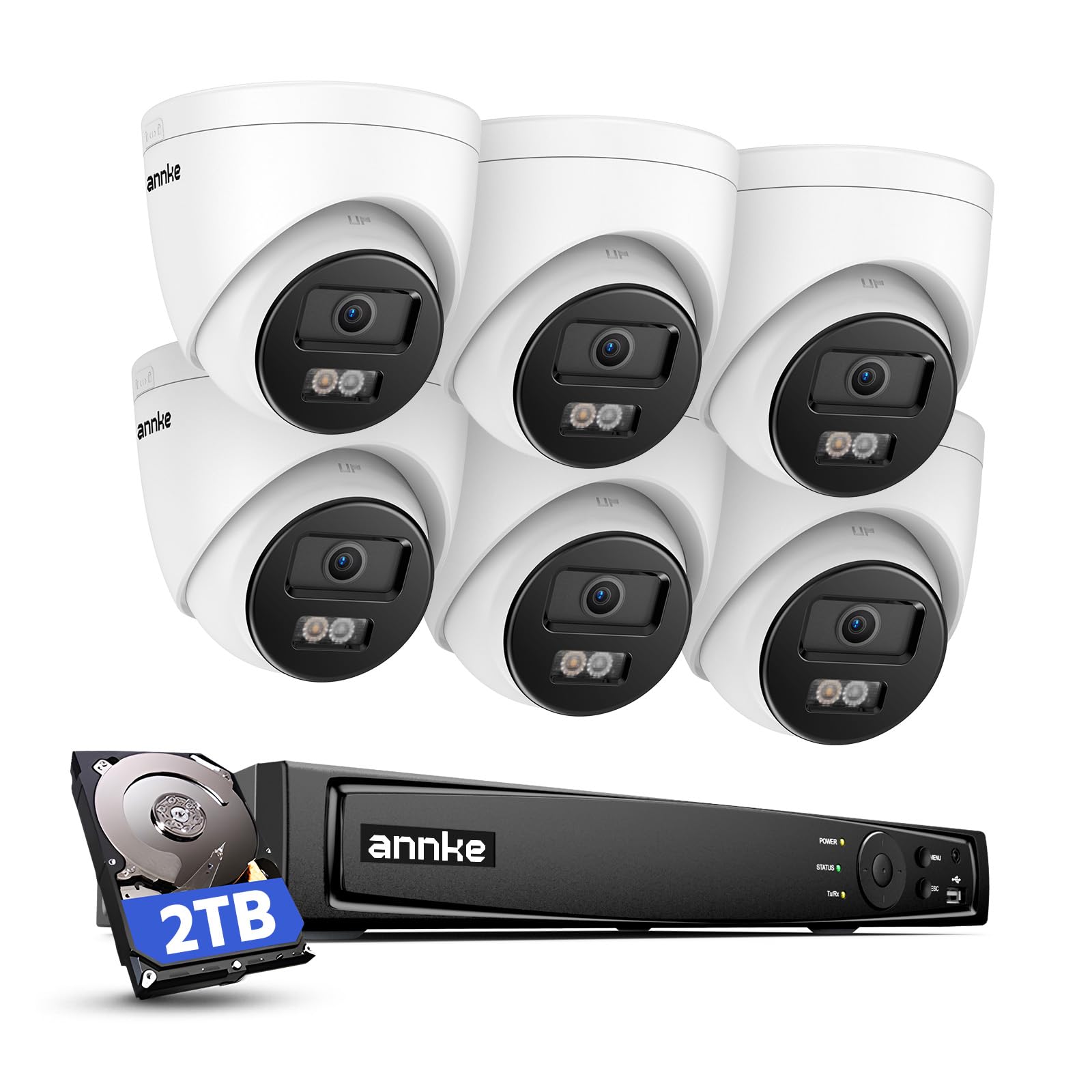


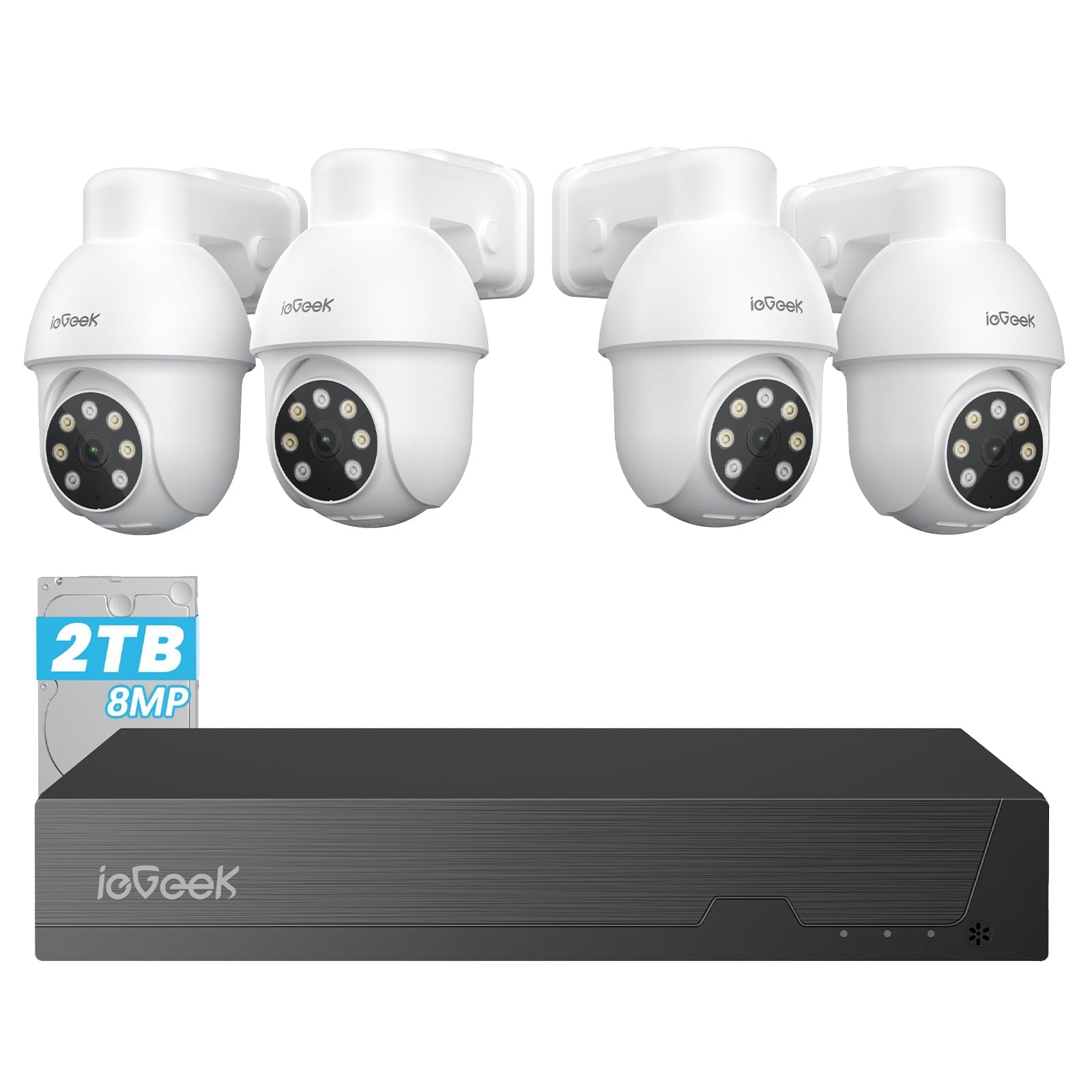



Who Should Buy Which Night Vision Camera?
Homeowners Watching a Driveway and Yard
A typical house needs two to four cameras covering the driveway, the front door, and one side yard. Infrared range of about 60 to 100 feet is enough for most lots, and color night pictures help identify a jacket or car color at closer distances. Wired power avoids battery changes, while local recording on a recorder box keeps footage even when the internet drops. Start with the entry points people actually use, not the corners nobody crosses.
Small Shops and Offices
A shop needs longer recording retention and wider coverage of a parking area or stock room door. Cameras with larger sensors hold detail at the far edge of a lot, and a recorder with several channels lets you add cameras later without replacing the system. Plan storage for at least two weeks of footage, and pick housings that resist tampering at reachable mounting heights. Clear night footage of a face or plate area matters more here than broad scenic views.
Rural Properties and Outbuildings
Barns, gates, and equipment sheds often sit far from the house and far from any outdoor light. Long range infrared, strong weather sealing, and a power plan you can maintain matter most. Some owners pair a wired camera at the barn with a recorder in the house over a buried cable run. Measure your longest sight line first, because distance decides almost every other choice in this group.
Key Features to Compare
Infrared Range and Illumination
Infrared LEDs are the camera light source at night, and their rated range tells you how far useful detail reaches. A rating of about 60 feet suits a porch or small yard, while about 100 to 150 feet fits a long driveway. More LEDs do not always mean a better picture, since a bright center with dark edges still hides faces. Look for even illumination and adjustable intensity, because a wall or sign close to the lens can bounce light back and wash out the whole scene.
Sensor Size and Resolution
A larger sensor gathers more light per pixel, so it holds cleaner detail after dark with less digital noise. Resolution still matters for zooming into a recorded face or plate, and 4 megapixel to 4K cameras give you more room to crop. Do not chase megapixels alone, because a small sensor with a high pixel count often looks worse at night than a modest sensor with bigger pixels.
Color Night Pictures Versus Infrared
Some cameras keep color at night by using a very sensitive sensor plus a soft white light, which helps describe clothing and vehicles. Traditional infrared records in black and white but needs no visible light and draws less attention. Color modes fail in total darkness unless the built in light is on, and that light can bother neighbors or light a window. Many buyers mix both styles, using color near doors and infrared along fences and side yards.
Power Supply and Wiring
Power over Ethernet carries power and video on one cable, which suits permanent wired systems and long runs. Separate power adapters work for short indoor runs but add clutter and another failure point outdoors. Battery and solar models exist in the broader camera market, yet for round the clock cctv recording a wired supply is the steady choice, since night infrared draws the most power exactly when solar input is zero. Whatever you choose, protect outdoor connections inside junction boxes so moisture stays out of the plugs.
Storage and Remote Viewing
Most cctv systems record to a network video recorder with a hard drive, and drive size decides how many days you keep. Motion based recording stretches storage but can miss the seconds before movement, so many owners record entry points continuously and side areas on motion. App viewing is now standard, and it should let you search by time and save clips without a fee for basic playback.
Weather Sealing and Placement
Outdoor cameras need a sealed housing rated for rain and dust, plus a mount that holds aim through wind and vibration. Height matters too: about 8 to 10 feet up balances a clear face view against reach for tampering. Angle cameras slightly down and across a path rather than straight along it, since crossing movement triggers motion detection more reliably. For larger yards, the roundup of the best outdoor cameras with night vision compares placement styles for fences, gates, and wide open ground.
Wired Setups and What They Change
Best wired cctv cameras with night vision
A wired setup trades installation effort for reliability, because the cable delivers steady power and a signal that walls and distance cannot weaken. That steadiness shows most at night, when infrared runs for hours and a weak wireless link would drop frames. Wired cameras also avoid the battery limits that shorten recording on wireless models, and they pair naturally with a recorder that stores weeks of footage. If your cameras will watch the same fixed points for years, the one time cable work usually pays for itself in fewer gaps and fewer ladder climbs.
Rules, Privacy, and Honest Limits
A camera is a monitoring aid, not a promise of security, and no system can guarantee that an intruder is caught or identified. Aim cameras at your own property, and check your local rules on placement, recording, and audio before you install, because audio recording is restricted in many places. Keep bedrooms and bathrooms camera free, and tell household members and regular guests where cameras run. For a broader look at dedicated setups, see the overview of the best night vision surveillance cameras and how they differ from general home cameras.
Common Mistakes to Avoid
- Mounting a camera behind glass, since infrared reflects off the pane and blinds the camera at night.
- Judging a camera by its daytime picture, when night range and sensor size decide after dark quality.
- Aiming straight at a porch light or street light, which forces the exposure down and darkens faces.
- Choosing the widest possible view for every spot, so each person ends up too small to recognize.
- Forgetting storage math, then finding the recorder overwrote the one night you needed.
- Pointing cameras at a neighbor yard or window, which creates privacy complaints and legal trouble.
Care and Maintenance
Clean each lens and infrared ring with a soft cloth every few months, because dust and spider webs scatter infrared light and create a foggy halo at night. Check mounts after storms and re aim any camera that has shifted, since a few degrees of movement can move a face out of the lit zone. Update firmware when the maker releases security fixes, and change default passwords at setup. Test playback monthly by pulling a recent night clip, so a failed drive or dead LED shows up before you depend on the footage.
Frequently Asked Questions
How far can cctv cameras see at night?
Most home models record useful detail at about 60 to 100 feet in darkness, while long range models reach about 150 feet or more. The rating assumes open space, so walls, rain, and a dirty lens all shorten the real distance. Recognizing a face needs the person much closer than simply detecting movement, so plan your key views, such as doors and gates, well inside the rated range.
Is color night vision worth paying for?
Color night vision is worth it near doors and driveways, where naming a jacket or car color helps most. It needs a small amount of light, either from its own soft lamp or from a porch light, and it can look worse than plain infrared in a pitch black yard. Many systems mix both types by location, so buy color where description matters and infrared where simple detection is enough.
Do night vision cameras need a separate recorder?
Most wired cctv cameras do need a recorder, because the cameras send video to the recorder box, which stores it and runs the viewing app. Some cameras also save to a memory card as a backup. A recorder adds cost up front, but it records every camera in one place, keeps working when the internet fails, and holds far more footage than a card.
Can night vision cameras record through a window?
No, night vision cameras record poorly through a window, because the infrared light reflects off the glass and whites out the picture. Daytime recording through glass can work if the lens sits close to the pane, but at night the reflection wins. Mount the camera outside, or turn its infrared off and rely on outdoor light, which gives a weaker picture than a proper outdoor mount.
How much storage do I need for night recording?
A 1 terabyte drive holds roughly one to two weeks of footage from four cameras recording on motion, and far less on continuous recording. Night hours add up because infrared scenes trigger motion detection often, from insects, rain, and passing headlights. Lowering frame rates on quiet side cameras stretches storage, while entry cameras should keep full quality so faces stay readable.
Final Thoughts
Start with your longest and darkest sight line, then pick infrared range and sensor size to cover it, and let power and storage follow from there. The product table above pulls the main types together so you can compare range, power, and recording style at a glance. For most homes, the best cctv cameras for night vision are the ones that light the doors and driveway evenly, record to a drive you control, and stay inside the placement and privacy rules of your area.


