
Best Caterpillar Work Boots for Every Need in 2026: How to Pick the Right One
Disclosure: We may earn a commission when you buy through links on this page, at no extra cost to you. As an Amazon Associate I earn from qualifying purchases. Learn more

Compare Caterpillar work boots by toe protection, fit, waterproofing and cushioning, with a clear checklist to match each pair to your job and budget.
There is no single pair that suits every trade, shift length and work surface. The best caterpillar work boots for a warehouse worker on dry concrete differ from the right pair for a landscaper in wet mud. This guide matches toe protection, fit, cushioning and sole grip to how you actually work, so you can use the comparison table below with clear priorities.
Start with your real hazards and your longest typical day. Note whether you face falling objects, sharp debris, live circuits, slick floors or standing water. If you want the wider Caterpillar range beyond safety footwear, see our guide to the best caterpillar boots for general styles.


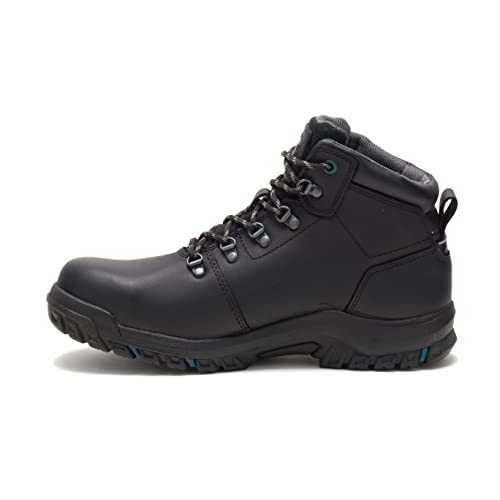


Who Should Buy Which Caterpillar Work Boots?
Buy for the job you do most weeks, not for the rare task you might do once a year. The groups below show which features deserve your money first.
Occasional Users and Weekend Project Workers
You wear boots for yard projects, garage work and short site visits rather than daily shifts. A soft toe or a basic safety toe is often enough, unless you handle heavy materials that could drop on your feet. Look for comfort from the first wear, a flexible sole and a price around $90 to $130. A six inch shaft gives ankle coverage without feeling stiff.
Full Time Tradespeople on Daily Shifts
You spend eight to twelve hours a day in boots, so small fit flaws become big problems by Friday. Prioritize proven cushioning, a roomy toe box and an upper that survives daily abrasion. Leather quality and sole construction matter more than a low starting price, because a longer lasting pair usually costs less per month.
Indoor Workers on Concrete and Smooth Floors
You work in warehouses, workshops and plants where floors are hard, flat and sometimes slick with oil or dust. Grip on smooth surfaces and shock absorption matter more than deep tread or heavy insulation. A lighter boot with a flatter outsole pattern gives more contact with the floor.
Outdoor Crews in Rain, Mud and Cold
You need waterproof boots that keep feet dry without trapping so much heat that socks stay damp from sweat. Look for a sealed membrane such as Gore Tex or a similar house system, sealed seams and tread that sheds mud. A taller shaft keeps out debris and splashes, while insulation only helps if you stand still in cold weather.
Key Features to Compare
Compare these five factors in order, because protection and fit decide safety while comfort features decide whether you still feel steady at the end of a shift.
Arch Support and Your Foot Shape
Arch support shapes how your weight spreads on your feet. Flat feet often feel better with firmer support and a stable heel, while high arches often need more cushioning under the arch so pressure does not focus on the heel and forefoot. See a doctor promptly if you notice numbness, sharp heel pain that lasts for weeks, or swelling that does not go down after rest, and talk with your clinician about personal needs before choosing support for a diagnosed condition. If you plan extra support, see our guide to the best inserts for work boots.
Weight and Flexibility in Caterpillar Work Boots
Boot weight adds up over thousands of steps, and a heavy pair can tire your legs. Steel toes and thick leather add protection but also weight, while composite toes and lighter panels reduce fatigue for workers who walk all day. Flexibility matters at the forefoot, where the boot bends with each step. A sole that bends too little fights your stride, while one that bends too much can feel unstable under loads.
Durability and Expected Lifespan of Leather Work Boots
Full grain leather resists scrapes and holds its shape longer than split leather or thin synthetic panels. Stitching quality, welt construction and outsole compound decide whether a pair can be resoled or must be replaced whole. Daily users on abrasive concrete wear soles faster than occasional users on soil. Expect a harder wearing pair to cost more at first, then repay that cost through extra months of safe use.
Cushioning, Stability and Heel to Toe Drop
Cushioning comes from the insole, the midsole foam and the shape of the heel. Thick soft foam feels kind at first, but firmer support often feels better after six hours because it keeps your foot stable. Heel to toe drop in work boots is usually modest, and most buyers feel heel firmness and shank support more than the drop itself. If you climb ladders, check that the heel breast catches a rung securely.
Fit, Sizing and Toe Box Width
Measure both feet in the afternoon while wearing your work socks, then size for the larger foot. Your toes should wiggle without pressing the front of the safety cap, and your heel should lift only slightly as you walk. A wide toe box suits broad feet and thick socks, while a narrow box can pinch even when the length is correct. Safety toes reduce usable space, so never assume your casual shoe size will match. For broader sizing notes, see our guide to the best men's work boots.
Choosing Toe Protection and Safety Ratings for Caterpillar Work Boots
Your hazard list decides the toe type, and that is why the best caterpillar work boots for an electrician differ from the right pair for a delivery driver. Steel toes offer strong impact protection, but they conduct cold and can trigger metal detectors. Composite toes feel lighter in cold weather and suit sites with security screening, while a soft toe only suits work where no impact rating is required.
Check the full rating, not only the toe. Many Caterpillar work styles carry an ASTM F2413 rating for impact and compression, and some add electrical hazard protection for incidental contact with live circuits under dry conditions. A puncture resistant plate helps on nails and sharp scrap, while slip resistant outsoles are tested for grip on wet and oily surfaces. See our guide to the best work boots to compare ratings across other brands.
Common Mistakes to Avoid When Buying Caterpillar Work Boots
Most bad purchases come from one skipped check rather than from a bad brand.
- Buying by price alone leaves you with a soft toe on a site that requires a rated safety toe.
- Ignoring your arch shape and foot width causes heel pain and pinched toes within the first week.
- Sizing in the morning with thin socks makes the same boot feel tight during an afternoon shift.
- Choosing deep mud tread for smooth indoor floors reduces sole contact and makes slips more likely.
- Skipping the rating label means an electrical hazard or puncture need may go unmet without you noticing.
- Wearing a brand new pair for a full shift without a break in period can cause blisters that linger for days.
Break In and Care Tips for Caterpillar Work Boots
Wear a new pair around the house and then for short errands before you trust it with a full shift. Tighten laces from the bottom eyelets upward so the midfoot feels secure without cutting circulation, and use the extra top eyelet if your heel slips. Thick work socks reduce friction during the first week.
Brush off dry dirt after each shift and wipe mud away before it dries hard in the seams. Let wet boots air dry at room temperature away from direct heat. Condition plain leather when it looks dry and pale, and follow maker guidance for waterproof membranes. Rotate two pairs if you work daily, because a rest day lets cushioning recover and lining dry fully.
FAQs About Caterpillar Work Boots
Can I wear Caterpillar work boots all day on concrete?
Yes, you can wear Caterpillar work boots all day on concrete if the fit and cushioning suit your feet. Concrete returns more shock than soil, so a boot that feels fine for two hours may still ache at hour nine. Stand on a mat where your station allows one, shift your weight often, and sit during breaks so your arches get real rest.
How often should I replace Caterpillar work boots?
Replace Caterpillar work boots when the outsole tread is smooth in the heel or forefoot, the midsole feels flat, or the upper cracks near the flex point. For daily users that point often arrives after about twelve to eighteen months. Replace a pair at once after a heavy impact on the toe cap, even if the outside looks intact.
Do I need waterproof Caterpillar work boots for outdoor work?
You need waterproof Caterpillar work boots if you stand in puddles, wet grass or slush for long stretches. A membrane keeps outside water out, but it also slows sweat vapor, so feet can feel warmer on dry summer days. If your work is mostly on dry gravel or pavement, a breathable non waterproof pair may serve you better across the season.
How long is the break in period for Caterpillar work boots?
The break in period for Caterpillar work boots is usually about one to two weeks of regular wear. Stiff leather around the ankle collar and toe flex point softens gradually as heat and movement shape it. If a spot still rubs raw after two weeks, the size or width is likely wrong, and a different width is a smarter fix than thicker bandages.
Are higher priced Caterpillar work boots worth the extra cost?
Higher priced Caterpillar work boots are worth the cost when the extra money buys a resoleable welt, thicker leather or a rating your job requires. Divide the price by the months you expect to wear the pair to compare value fairly. Paying more for color or insulation you will not use adds cost without adding working life.
Our Verdict
Match the safety rating to your hazards first, then judge fit with work socks on, and only then compare cushioning, weight and price. Use the product table above to check toe type, waterproofing and shaft height for your job.
When you shortlist best caterpillar work boots with those checks in that order, the right choice is usually clear. Buy the simplest pair that meets your rating and fit needs, keep it clean and dry, and it should repay you with steady comfort across many shifts.


