
Best Caterpillar Boots 2026: Every Type Explained Side by Side
Disclosure: We may earn a commission when you buy through links on this page, at no extra cost to you. As an Amazon Associate I earn from qualifying purchases. Learn more

Compare the best caterpillar boots by safety toe, waterproofing, fit and outsole grip, with a clear guide to choosing the right type for your work.
Caterpillar boots share a work ready look, but the right pair for a warehouse floor can be wrong for a wet construction site. Toe protection, grip, waterproofing and insulation vary a lot between styles. Use this guide to find the best caterpillar boots for your job, and check the comparison table below for the options side by side.
Start with the hazard you face most often, then think about the surface you stand on and the weather you work in. A safety toe matters only if something can fall onto your feet, while waterproofing matters only if water reaches your boots often.


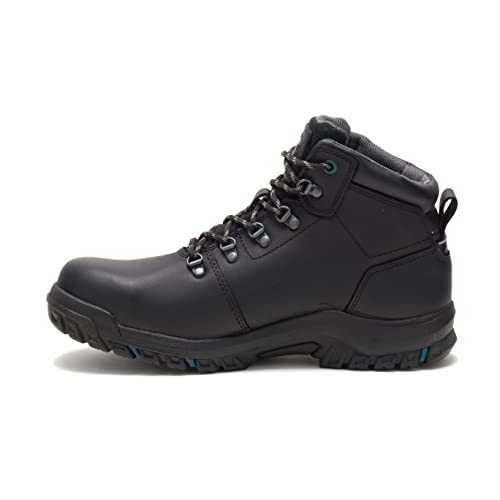


Who Should Buy Caterpillar Boots
These boots suit workers who need tough leather and outsoles built for hard ground.
Construction and Trade Workers on Active Sites
You work around falling tools, lumber, concrete and uneven ground, so toe protection and a stable sole come first. Choose a safety toe style with a slip resistant outsole and enough shaft height to support your ankle over debris. A firm midsole also keeps you steadier when you carry loads across gravel.
Warehouse and Factory Workers on Concrete All Day
You stand and walk on flat concrete for most of your shift, so cushioning and total weight matter as much as protection. A lighter safety toe, or a soft toe style if your site allows it, reduces leg fatigue over thousands of steps. If your employer sets the toe rule, see our guide to the best caterpillar work boots for job ready options.
Outdoor Workers Facing Rain, Mud and Cold
You work outside through wet grass, mud and winter mornings, so keeping water out and warmth in shapes your choice. A waterproof style with sealed seams and a taller shaft keeps socks drier in slush or wet soil. Match protection to your worst normal week, not the worst day of the year.
Types of Caterpillar Boots Compared
The range splits into clear types, each trading protection, weight and weather coverage differently.
Steel Toe and Composite Toe Safety Boots
Safety toe boots place a hard cap over your toes to guard against dropped objects and compression from rolling loads. Steel caps are strong and common, while composite caps weigh less and feel less cold in winter. Most pairs cost about $110 to $190. If your job requires this protection, see our guide to the best caterpillar safety boots before you order.
Soft Toe Work Boots
Soft toe boots skip the hard cap, so they feel lighter and flex more easily at the front of the foot. That comfort suits drivers and light duty trades, and most pairs cost about $90 to $150. The trade off is simple, because a soft toe offers no rated guard against a heavy drop. Choose this type only after you check your site rules.
Waterproof Caterpillar Boots
Waterproof boots use a sealed membrane and sealed seams to stop outside water reaching your socks. They help in rain, muddy yards, snow and wash down areas, and most pairs cost about $120 to $200. The membrane also limits airflow, so your feet may feel warmer in summer. Choose this type when wet ground is a regular part of your week.
Insulated Caterpillar Boots for Cold Work
Insulated boots add synthetic fill around the foot to slow heat loss during cold outdoor work. They suit winter construction and long periods on frozen ground, and most pairs cost about $130 to $210. Extra fill takes up room inside, so the fit feels snugger than the same size without insulation. Skip this type if you work in heated indoor areas.
Steel Toe vs Soft Toe Caterpillar Boots: Which Should You Choose?
This choice starts with your site rule, because many employers require a rated toe cap for certain tasks, and a rule leaves you only the cap material and fit to pick. If no rule applies, weigh the real risk on your floor against the weight you carry step after step. Site trades usually need the rated cap.
How to Choose the Right Caterpillar Boot
Once you know your type, four factors decide whether a pair still feels good after months of wear.
Cushioning and Support in Caterpillar Boots
Cushioning comes from the insole and midsole, and it absorbs the shock of each step on concrete or gravel. A thicker midsole softens hard floors but can feel less stable on ladders, so balance softness with a firm base. When you compare the best caterpillar boots for long shifts, check whether the insole can be replaced, because a fresh insole restores comfort once the original packs down. A supportive insole shape often suits tired arches better than the softest foam.
Durability and Expected Lifespan of Caterpillar Boots
Full grain leather uppers tend to outlast split leather and fabric panels, because the dense surface resists scrapes and holds its shape. Check how the sole joins the upper, since a welted or strongly bonded join usually survives heavy use better than a thin glued edge. With daily wear on rough ground, many work boots serve well for about one to two years before the tread wears smooth. Rotating two pairs rests the foam between shifts and can extend the life of both.
Break In Period and Comfort of Caterpillar Boots Out of the Box
Stiff leather work boots rarely feel perfect on the first day, and a short break in period is normal for this category. Wear a new pair for a few hours at home or on light duties first, then build up to full shifts over about one to two weeks. The leather softens around your ankle during this time. Painful rubbing, numb toes or a heel that lifts with every step are not break in signs, though, and those point to the wrong size instead.
Fit, Sizing and Toe Box Room in Caterpillar Boots
Try on boots late in the day, when your feet are largest after hours of standing. You want a thumb width of space in front of your longest toe, a heel that stays seated as you walk, and enough width for your toes to spread without pressing the sides. Safety toe styles need extra care here, because your toes should never touch the edge of the cap. Bring thick work socks to the fitting, since they change the room inside.
Common Mistakes to Avoid When Buying Caterpillar Boots
- Buying a soft toe boot for a site that requires a rated safety toe, which can get you sent home and leaves your toes unprotected.
- Choosing your normal shoe size without trying thick work socks, which makes a correct length feel painfully tight across the forefoot.
- Paying for heavy insulation for indoor work, which leaves your feet hot and sweaty through every shift.
- Ignoring outsole tread on wet or oily floors, which raises your chance of a slip even when the boot fits well.
- Wearing a brand new stiff pair for a full shift on day one, which often causes blisters and sore ankles.
- Judging waterproof boots by the leather label alone, which misses that unsealed seams can still let water in at the stitching.
Care and Maintenance for Caterpillar Boots
Brush dirt and dried mud off after work, because grit left in the seams grinds at the stitching and leather as you walk. Let wet boots air dry at room temperature away from direct heat, since a heater can crack leather and weaken sole bonds. Condition plain leather once it looks dry or pale, following the maker directions. Check tread depth each month, and replace a pair once the tread runs smooth.
FAQ
How long is the break in period for Caterpillar boots?
Most Caterpillar boots settle in within about one to two weeks of gradual wear. Start with short periods at home, then light duties, then full shifts, and the leather will shape itself to your feet. Lacing firmer over the instep can reduce heel movement while the ankle softens. If sharp pain or numbness remains after two weeks, the size or width is likely wrong.
Are expensive Caterpillar boots worth the higher price?
Higher priced Caterpillar boots can be worth it when the extra cost buys full grain leather, a rated toe cap or a waterproof membrane you truly need. Price alone does not guarantee comfort, though, and a costly insulated pair is wasted money for indoor work. A mid priced boot that fits your foot shape well will usually serve you better than a premium boot that pinches.
Can you wear Caterpillar boots for a full work shift?
Yes, you can wear Caterpillar boots for a full shift once the pair fits well and has had a short break in period. Plan your first full day for lighter duties if you can, and bring spare socks to change at midday. Standing mats, where your site allows them, ease pressure during long periods in one spot. If your feet ache badly every day, check insole support and sizing first.
Do you need waterproof Caterpillar boots for your job?
You need waterproof Caterpillar boots only if water regularly reaches your feet at work, through rain, wet ground, wash downs or snow. For dry indoor sites, a plain leather boot breathes better and usually feels cooler across a long shift. One useful test is to count how many days last month your socks got wet from outside. Waterproof styles also trap sweat, so hot indoor work can still leave socks damp.
How should Caterpillar boots fit when you first try them on?
Caterpillar boots should feel snug at the heel and midfoot, with clear space in front of your toes and no pressure on top of the foot. Walk, crouch and step onto a low edge while trying them, because a boot that feels fine while standing can pinch when your foot bends. Try both feet, and size for the larger one. Test the fit with any insoles you plan to add.
Wrapping Up
Choosing well comes down to three things, your toe protection rule, the ground and weather you face, and a fit that leaves room for work socks. Match the type to your site first, then use the cushioning and toe box checks above to narrow the list. When you find best caterpillar boots that meet those needs, you get protection without punishing your feet. Look back at the product table above before you order.


