
Best Casual Watches under 500: A Complete Buying Guide for 2026
Disclosure: We may earn a commission when you buy through links on this page, at no extra cost to you. As an Amazon Associate I earn from qualifying purchases. Learn more

Use this guide to the best casual watches under 500 to compare movements, case fit, materials, and water resistance and choose with confidence.
Five hundred dollars is where casual watches stop feeling like compromises. Sapphire glass, solid bracelets, and proven automatic movements all live in this band. If you are weighing up the best casual watches under 500, your job is less about finding quality and more about choosing which kind of quality suits your days.
This guide sorts the budget into clear tiers, then walks through movements, fit, and materials with real numbers. Keep the product table above in mind as you read, and judge each pick against the points below.


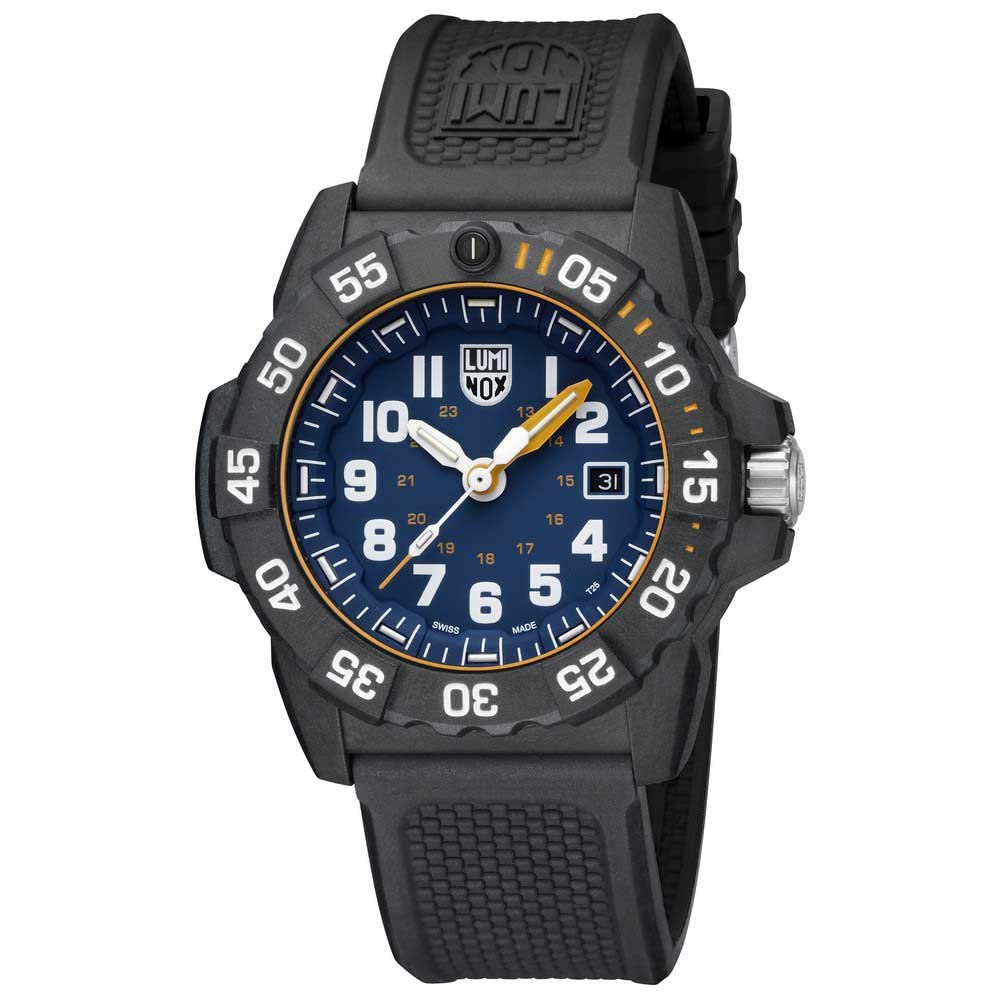
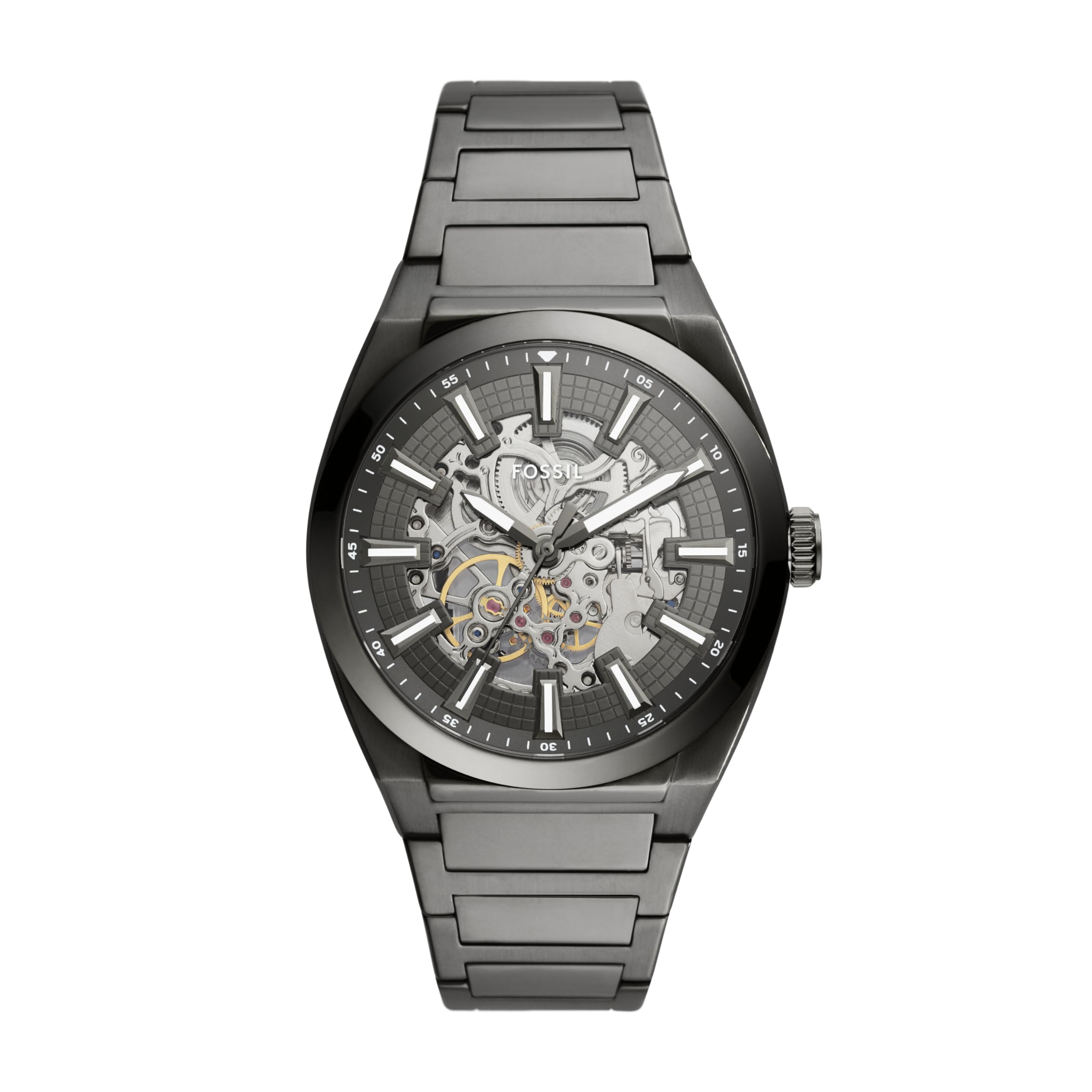

Three Budget Tiers at a Glance
Rather than naming single models, it helps to know what each slice of this budget normally delivers. Judge any watch in the product table above against the tier it sits in.
Balanced Tier
The middle tier, around $300 to $500, is where most buyers should land. Expect a sapphire crystal, a well finished stainless steel case, and a choice of accurate quartz or a respected automatic movement. Bracelets use solid links and a milled clasp, and water resistance often reaches 100 m or even 200 m on sport styles.
This tier balances daily comfort, long service life, and looks that hold up at dinners as well as desks. If you plan to own one main watch for years, spend here and buy the fit you love.
Value Tier
The value tier, around $150 to $300, keeps the essentials and trims the polish. You still get steel cases, mineral or sometimes sapphire crystals, and movements with strong track records. What you give up is bracelet refinement, dial depth, and brand prestige.
Straps may be simple, and finishing under bright light shows more machine marks. For a wearer who values timekeeping and toughness over fine detail, this tier leaves money aside for a spare strap or two. That trade often makes daily wear more fun, not less.
Premium Tier
Near the top of the budget, around $400 to $500, small details improve. Dial text is crisper, hands align beautifully with markers, and lume lasts longer into the night. Automatic movements may add smoother rates and longer power reserves, so the watch runs about 40 to 70 hours off your wrist.
Cases feel denser and clasps close with a firm, quiet click. None of this changes the time the watch shows. It changes how the watch feels every hour you wear it, which for many buyers is exactly the point.
How to Choose the Best Casual Watches: Buying Guide
Six checks below turn a wide field into a short list. Work through them in order and most wrong choices eliminate themselves.
What You Can Realistically Get Under $500
At this level, treat sapphire crystal and a steel case as your baseline, not a luxury. The best casual watches under 500 often add 100 m water resistance, solid link bracelets, and movements you can service in most cities. Around $200 to $350 you pay for strong basics. Above that, money buys finishing, brand support, and small comforts like a quick release strap system.
What stays out of reach is precious metal and high end hand decoration. Do not stretch for a famous logo and accept a poor fit. Fit is the feature you feel all day.
Movement Type (Quartz, Automatic, Solar, Smart)
Quartz at this price means slim cases, superb accuracy, and sometimes solar charging that ends battery swaps for years. An automatic movement is the emotional favorite in this band, with a sweeping second hand and engineering you can view through a clear case back. Expect drift of a few seconds per day and a service every 5 to 7 years.
Smart models compete here too, offering GPS and rich fitness data, but their useful life is shorter. Choose the movement whose upkeep rhythm matches yours, because that rhythm repeats for the whole life of the watch.
Legibility and Style
A fine watch you cannot read quickly fails its main job. Look for hands that reach the markers, strong contrast between dial and hands, and lume that covers the hour markers, not just the hands. Brushed dials reduce glare outdoors, while sunray finishes play with light indoors and can hide the time at bad angles.
Style wise, a 38 mm to 42 mm case in black, blue, or white covers the most outfits. If your wardrobe leans warm, a cream dial and leather strap add softness without losing the casual feel.
Brand Reputation, Warranty, and Value
In this band, the brand buys you service as much as status. Look for warranties of 2 to 5 years, US service centers, and spare parts support that lasts a decade. Established makers tend to hold resale value better, which matters if you trade up later.
Read the fine print on water damage and bracelet wear, since cover varies. Buyers comparing the wider market can see our overview of the best watches under 500 for how brands in this band differ in support and style.
Case Size and Wrist Fit
Measure your wrist, then match both case diameter and lug to lug length. Slim wrists suit 36 mm to 39 mm, mid size wrists suit 39 mm to 42 mm, and broad wrists carry 42 mm to 44 mm well. The lug span should stay within your wrist width, or the watch will perch and slide.
Thickness runs about 10 mm to 13 mm here, with automatics at the thicker end. Try the paper cutout test for any size you are unsure about. It takes a minute and prevents the most common return in watch buying.
Crystal and Case Materials
Sapphire crystal should be your default at this price, since it resists the scratches that cloud cheaper glass within a year. Some makers use sapphire coatings over mineral glass, which help but do not match solid sapphire. For cases, 316L stainless steel remains the standard for strength and shine.
Titanium appears on sportier pieces and cuts weight by about a third, which large wrists may not miss but slim wrists love. Bronze cases exist for character, though they tarnish by design. Know that before you buy, not after your first month.
Types of Casual Watches
Dive and Field Watches
Dive styles bring 200 m ratings, rotating bezels, and the brightest lume in this band, while field watches offer simple bold dials built for fast reads outdoors. Both wear tough and shrug off knocks that would mark a dressier piece. They run thicker, so check cuff clearance. Men who like this rugged direction can compare fits in our guide to the best men's casual watches under 500.
Smartwatches
Premium smartwatches add GPS mapping, detailed training data, contactless payments, and bright screens you can read at noon. They suit runners, cyclists, and anyone who lives by notifications. The costs are daily charging and a lifespan set by software support, often 4 to 6 years.
Health readings are estimates for trends, not medical tools. If your training drives the purchase, a smart model earns its price. If style and longevity drive it, spend the same money on a classic movement.
Quartz Watches
Quartz remains the quiet achiever of this band. Slim cases, exact time, and low running costs make it ideal for a watch you grab on rushed mornings. Solar quartz adds freedom from battery changes and suits bright, active routines.
Resale value trails automatics, but daily satisfaction often leads. Readers who want a traditional look with zero fuss can also review the best male watches under 500 for more classic styling directions.
Care and Maintenance Tips
- Service automatic watches every 5 to 7 years at a qualified watchmaker, since fresh oils protect the movement and keep the rate steady.
- Rinse after saltwater exposure with fresh water, then dry fully, because salt works into bezels and crowns and dulls finishes over time.
- Store away from magnets such as tablet covers and handbag clasps, which can magnetize a mechanical movement and make it run fast.
- Rotate straps to reduce wear, resting leather for a day between wears and rinsing silicone after workouts to stop odor building up.
- Have water resistance seals checked every 2 to 3 years if you swim often, since gaskets age even when the watch looks perfect.
- Wipe the crystal and case with a soft cloth weekly, a small habit that keeps grit from scratching sapphire edges and polished steel.
If a mechanical movement is your priority, our guide to the best watches under 500 automatic explains power reserve, beat rates, and servicing in more detail.
Casual Watches: Your Questions Answered
Can you get a good casual watch under $500?
Yes, this is one of the strongest budgets in watch buying. Sapphire glass, steel cases, solid bracelets, and trusted movements are all normal here. The jump from $200 to $500 buys finishing and durability you can feel daily.
Past this point, gains get smaller and prices climb faster. A good plan is to fix your movement and size first, then let the remaining budget choose the dial you enjoy most.
How long does a watch battery last?
A quartz battery in this band lasts about 2 to 4 years, depending on features such as alarms and lights. Many movements signal a low battery by moving the second hand in jumps of several seconds. Book a battery change promptly and ask for a seal check at the same visit, since opening the case disturbs the gasket.
Solar models skip this cycle. Their cells recharge in light and often serve for a decade before capacity dips.
Quartz or automatic: which is better?
Better depends on what you enjoy. Quartz gives you accuracy within seconds per month, slim cases, and tiny running costs. An automatic gives you craft, a smooth sweep, and a watch that can run for decades with servicing.
Its rate drifts a little daily and it stops after a day or two unworn. If you wear one watch every day, the automatic stays alive and charming. If you rotate watches, quartz waits patiently and stays ready.
How water resistant should a watch be?
For mixed daily life with occasional swims, 100 m is the sweet spot at this price. It covers showers, pools, and beach days with the crown closed. Diver ratings of 200 m add margin for serious water time.
Remember that ratings assume new seals. Soap, heat, and age all reduce real protection, so a seal check every few years is cheap insurance for a watch you plan to keep.
What case size fits my wrist?
Start with your wrist size and test lug to lug length, not diameter alone. Wrists under about 6.5 inches look balanced in 36 mm to 39 mm cases. Mid size wrists carry 39 mm to 42 mm, and large wrists handle 44 mm with ease.
Bracelet drape matters too, since a stiff bracelet makes a watch wear larger than a soft strap in the same size. When torn between two sizes, the smaller one usually wears better after a full week.
Our Verdict
At this budget, insist on sapphire glass and the right fit, then choose quartz ease or automatic charm with open eyes. Those decisions matter more than dial color or brand fame. Chosen with care, the best casual watches under 500 can serve you faithfully for a decade or more. Compare your finalists in the product table above, try your size at home, and enjoy a watch that finally feels like yours.


