
Best Casual Sport Watches in 2026: Which Type Is Right for You?
Disclosure: We may earn a commission when you buy through links on this page, at no extra cost to you. As an Amazon Associate I earn from qualifying purchases. Learn more

Compare quartz, smartwatch, field, and solar types side by side to pick the best casual sport watches for your routine, wrist size, and budget.
A casual sport watch sits between a dress watch and a full training tool. It should handle a morning run, a swim, and a workday without looking out of place. The hard part is that the best casual sport watches come in four very different types, and each type makes a different trade between accuracy, upkeep, battery life, and smart features.
This guide compares those types side by side so you can match one to your routine and budget. You will find plain explanations of quartz, smartwatch, dive and field, and solar designs. By the end you will know which questions about case size, crystal, and water resistance actually decide your choice.


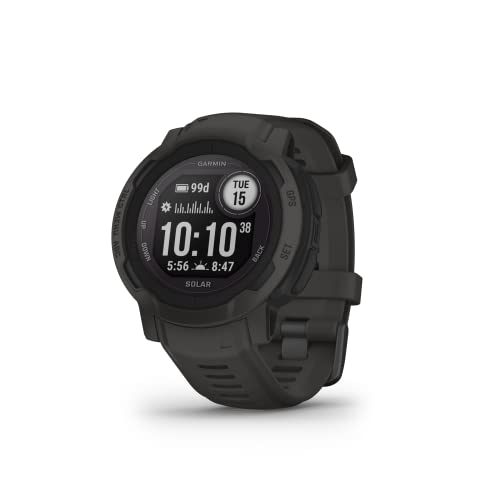


Types of Casual Sport Watches Compared
Think of the four types as four answers to one question: how do you want the watch powered, and how much help do you want from it each day. Quartz models run on a small battery and value simplicity. Smartwatches run on rechargeable cells and value data.
Dive and field styles value toughness and legibility above all. Solar models value freedom from battery changes. Price follows features, so a simple quartz watch may sit around $50 to $150, a solar or field watch around $100 to $300, and a full smartwatch around $200 to $450 or more.
Quartz Watches
A quartz watch uses a battery powered crystal that vibrates at a steady rate to keep time. That design is accurate to within a few seconds a month and needs almost no attention from you. Most quartz sport watches are slim, light, and affordable, and the battery usually lasts about two to three years.
Choose quartz if you want a watch you can grab and trust without charging or setting routines. The trade is that it offers no fitness tracking and no notifications. If you like the idea of a broader everyday rotation, see our guide to the best casual watches for styles that lean less sporty.
Smartwatches
A smartwatch pairs with your phone and adds GPS, heart rate tracking, step counts, sleep data, and notifications to a sport ready case. It is the only type here that records workouts in detail and shows pace, distance, and maps after a run or ride. Battery life is the main cost, with most models needing a charge every one to seven days depending on screen and GPS use.
Choose a smartwatch if training data and phone alerts matter more to you than a classic dial. If your training includes long rides, our guide to the best sport watches for cycling explains the GPS and display features cyclists use most. Casual buyers should confirm phone compatibility before buying, since some features only work within one phone system.
Dive and Field Watches
Dive watches are built for water, with strong water resistance ratings, rotating bezels for timing, and bright lume for low light reading. Field watches come from a military tradition, with simple high contrast dials, tough cases, and straps that shrug off dirt and sweat. Both styles favor durability and clarity over smart features.
Choose this group if your weekends involve trails, water, yard work, or travel where a knock against rock or a door frame is likely. For rougher outdoor use, see our guide to the best outdoor sport watches for features built around weather and terrain. Expect a slightly thicker case than a basic quartz model, which is the price of the extra sealing and protection.
Solar Watches
A solar watch charges a rechargeable cell from daylight and indoor light, so it can run for months on a full charge without a battery swap. Many solar models borrow their looks from dive and field watches, with bold markers, strong lume, and water resistance suited to swimming. Accuracy matches standard quartz because the timekeeping itself is quartz based.
Choose solar if you dislike battery changes and want a watch that is ready after sitting in a drawer, as long as it gets some light now and then. The trade is a higher starting price than basic quartz and a cell that may need professional replacement after many years. Store it where light reaches the dial rather than in a closed dark box.
Quartz Watches vs Smartwatches: Which Should You Choose?
On accuracy, quartz wins for pure timekeeping, holding a few seconds a month with no signal needed, while a smartwatch corrects itself through your phone. On features, the smartwatch wins easily, adding GPS, heart rate, and notifications that a quartz watch cannot offer. On battery, quartz wins again, lasting years instead of days. On cost, basic quartz starts lower, while smartwatches cost more upfront and may need a new battery or a new model sooner.
Your routine decides it. If you already carry your phone for music and maps and you love workout data, a smartwatch earns its charging habit. If you want one less screen and a watch that simply works every morning, quartz is the calmer choice. Many buyers who race also compare dedicated tools, and our guide to the best sports watches for triathletes shows where multisport features go beyond casual needs.
How to Choose the Right Casual Sport Watch
Once you pick a type, four details separate a watch you love from one that sits in a drawer. Work through crystal and case materials, movement, size, and legibility in that order. Each one affects daily comfort or long term cost, and none of them requires expert knowledge to judge in a store or a listing.
Crystal and Case Materials
Sapphire crystal resists scratches better than any other common watch glass, and it is worth paying for if you wear your watch during active work. Mineral glass costs less and handles daily knocks well, though it can pick up marks over time. Acrylic is light and cheap but scratches most easily.
For cases, stainless steel in the 316L grade is the reliable standard, balancing weight, strength, and corrosion resistance. Titanium feels much lighter on the wrist and suits larger cases, usually at a higher price. Resin cases are the lightest and toughest for hard use, but they look more sporty than refined.
Movement Type (Quartz, Automatic, Solar, Smart)
The movement is the engine, and it sets your upkeep routine. Quartz is the most accurate and the cheapest to own, needing only a battery change every few years. Automatic movement winds itself from your wrist motion and appeals to buyers who enjoy mechanical craft, but it needs servicing about every five to seven years and can drift by several seconds a day.
Solar removes battery changes while keeping quartz accuracy, as long as the watch sees light regularly. Smart movements add the most features but demand the most charging and software updates. Match the movement to your patience: the less upkeep you want, the more quartz and solar stand out. For a wider look at sport focused designs, see our guide to the best watches sport buyers compare across categories.
Case Size and Wrist Fit
Case diameter for casual sport watches usually runs about 38 to 44 mm. Slimmer wrists often look and feel best around 38 to 40 mm, while larger wrists can carry 42 to 44 mm comfortably. Thickness matters too, since a thick case catches on shirt cuffs and feels top heavy during workouts.
The lug to lug distance, the full length across the strap attachments, decides whether the case overhangs your wrist. Measure your wrist, then compare that span before you buy. A quick release strap system helps here, since you can swap between a sport strap and a cleaner strap for work without tools, which makes one watch cover more of your week.
Legibility and Style
Legibility is how fast you can read the time at a glance. Look for strong contrast between hands and dial, clear markers at each hour, and lume that glows after light exposure for evening use. A busy dial with small subdials may look technical but can slow a quick glance during a run.
Style decides whether the watch works beyond sport. A clean dial in black, blue, or white with a steel or simple strap passes at most offices. Bright colors and oversized cases read as pure sport. If you split time between training and meetings, choose the calmer dial and change the strap when the setting changes.
Tips to Get the Most From Your Casual Sport Watch
Service an automatic watch about every five to seven years so the movement stays accurate and seals stay sound. Rinse any watch in fresh water after saltwater exposure, and let it dry fully before storing it. Keep quartz and automatic watches away from strong magnets, which can disturb accuracy, and charge solar models near a window each week. For smartwatches, turn off the always on display during long trips to stretch battery life, and check strap fit before swims since water can loosen some bands.
Casual Sport Watches: Your Questions Answered
What case size fits my wrist?
Measure around your wrist with a soft tape, then match the lug to lug length so the case does not hang past your wrist edges. Wrists under about 6.5 inches usually suit 38 to 40 mm cases, while larger wrists suit 42 to 44 mm. If you are between sizes, choose the smaller case for all day comfort, since weight and thickness grow quickly with diameter.
How long does a watch battery last?
A standard quartz battery lasts about two to three years, while some low power models stretch to five years or more. Features such as alarms, backlights, and chronographs shorten that span because they draw extra power. When the second hand starts jumping in steps of several seconds, the watch is signaling a low battery on many models, so plan a replacement soon to avoid a flat watch on a trip.
Quartz or automatic: which is better?
Quartz is better for accuracy, low cost, and minimal upkeep, while automatic is better if you value mechanical craft and a sweeping second hand. An automatic can drift several seconds per day and needs periodic servicing, which adds long term cost. For a casual sport watch worn during workouts and travel, most buyers find quartz simpler. Choose automatic when the watch is also a hobby piece you enjoy winding and wearing daily.
How water resistant should a watch be?
Look for at least 50 meters of water resistance if you plan to swim, and 100 to 200 meters if you dive or do water sports with impact. A 30 meter rating only covers splashes and rain, despite the number sounding deep, because ratings are measured under still pressure. Also check that the crown is pushed in or screwed down before any swim, since an open crown is the most common path for water entry.
Is a smartwatch worth it over a classic watch?
A smartwatch is worth it if you will actually use GPS tracking, heart rate data, and notifications most days. If those features sound nice but optional, a classic quartz or solar watch gives you years of use with almost no charging or setup. Consider your phone habits too: buyers who want less screen time often prefer the classic route, while runners and cyclists who log every session get real value from the smart option.
Wrapping Up
Start with the type that fits your routine, then confirm case size on your wrist and pick a crystal you will not worry about scratching. Those three choices matter more than any single extra feature. Use the product table above to compare current options side by side, and you will land on the best casual sport watches choice for your budget and your week with confidence.


