
Best Casual Sandals with Arch Support for 2026: Budget, Midrange, and Premium Guidance
Disclosure: We may earn a commission when you buy through links on this page, at no extra cost to you. As an Amazon Associate I earn from qualifying purchases. Learn more

Compare the best casual sandals with arch support by fit, cushioning and price tier in this buying guide with checklists for daily comfort and use.
Prices for casual sandals range from under $40 to well over $150, and the difference is not always obvious from a photo. This guide helps you see where extra money actually improves support, fit, and durability, and where it only pays for styling. If you want best casual sandals with arch support for daily errands, travel days, and relaxed weekends, start with your foot shape and walking time, not with a price tag.
The comparison table below gives you a quick view of current options and price tiers. The sections that follow explain how to read those listings, what each tier usually delivers, and which features matter most for your feet.
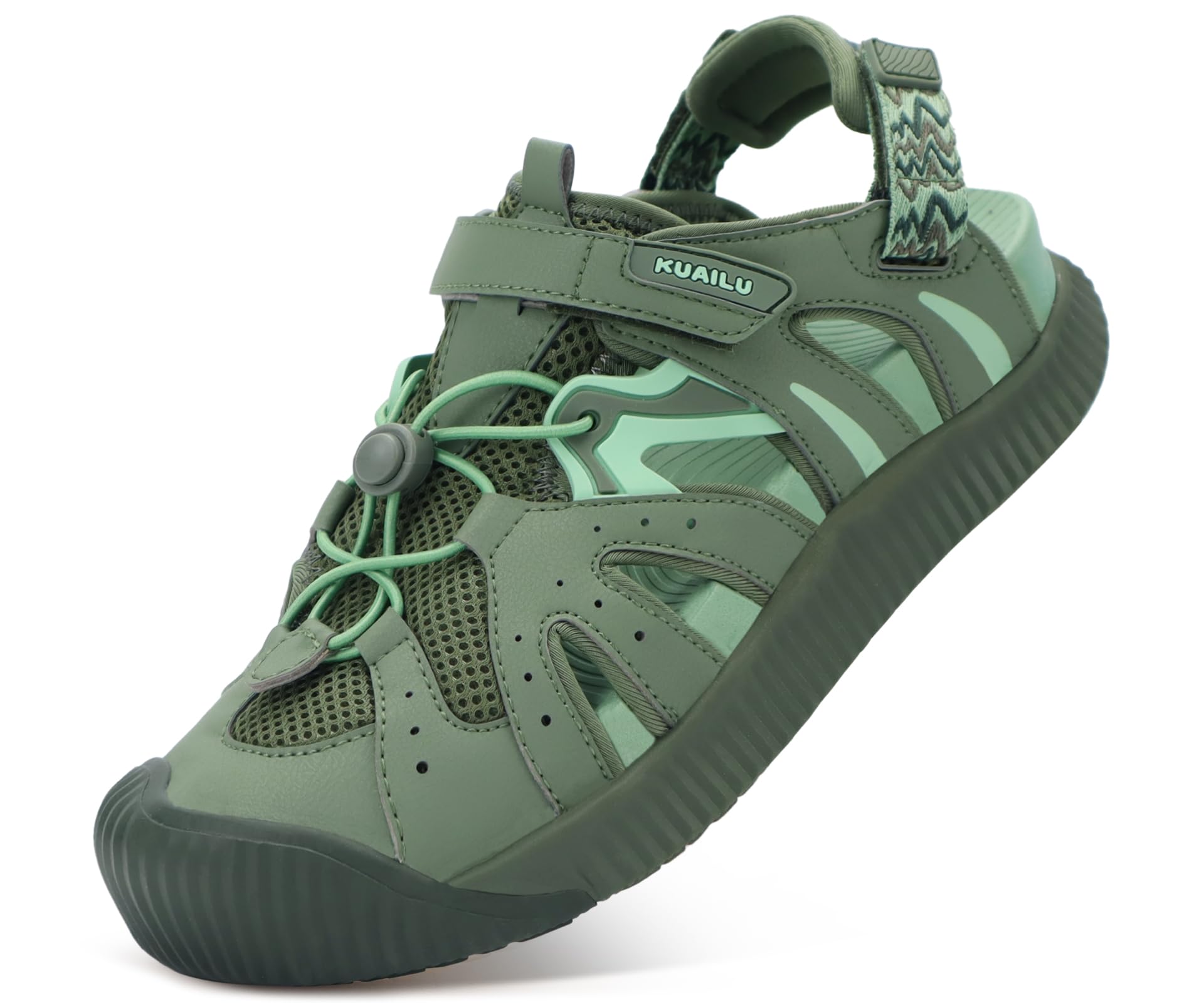


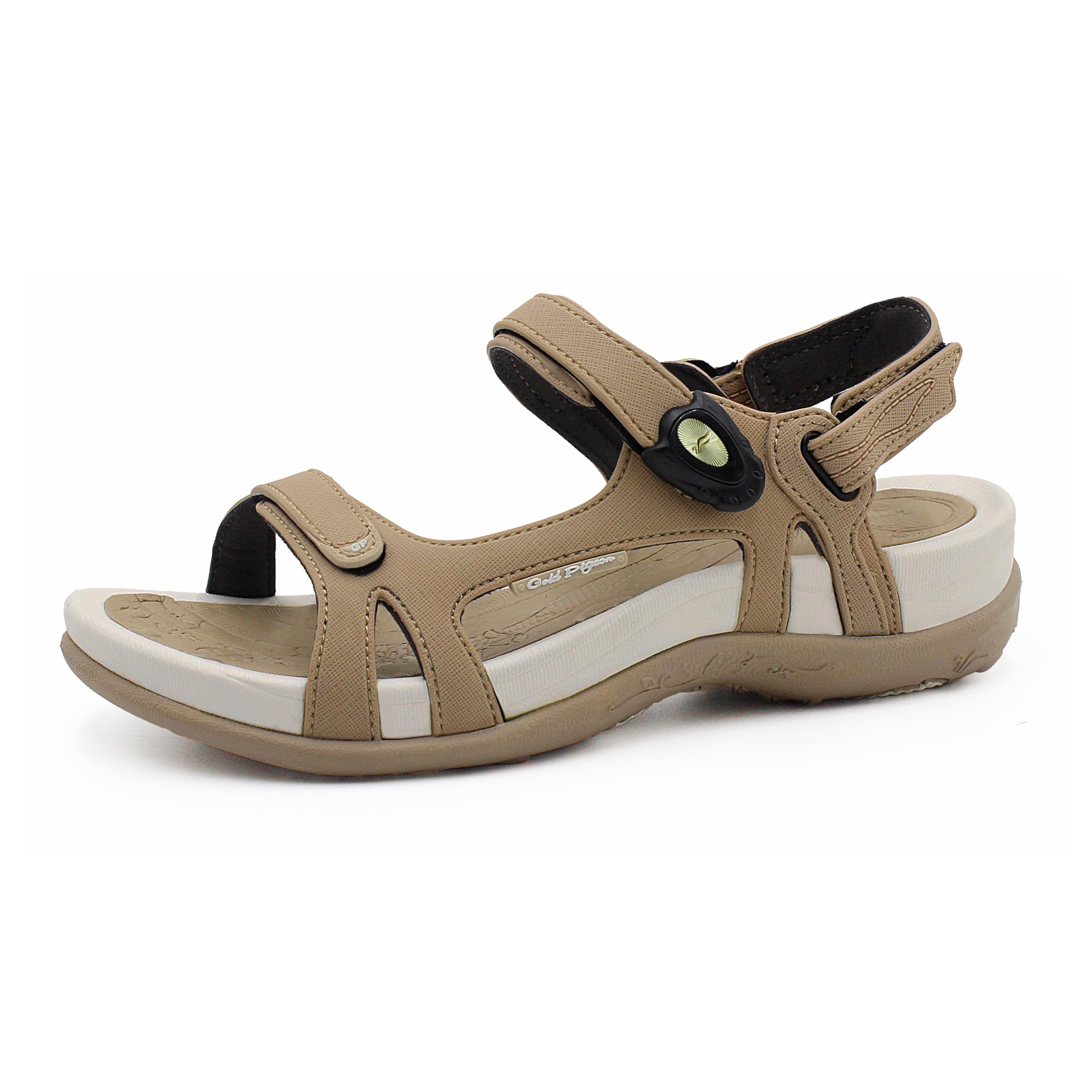

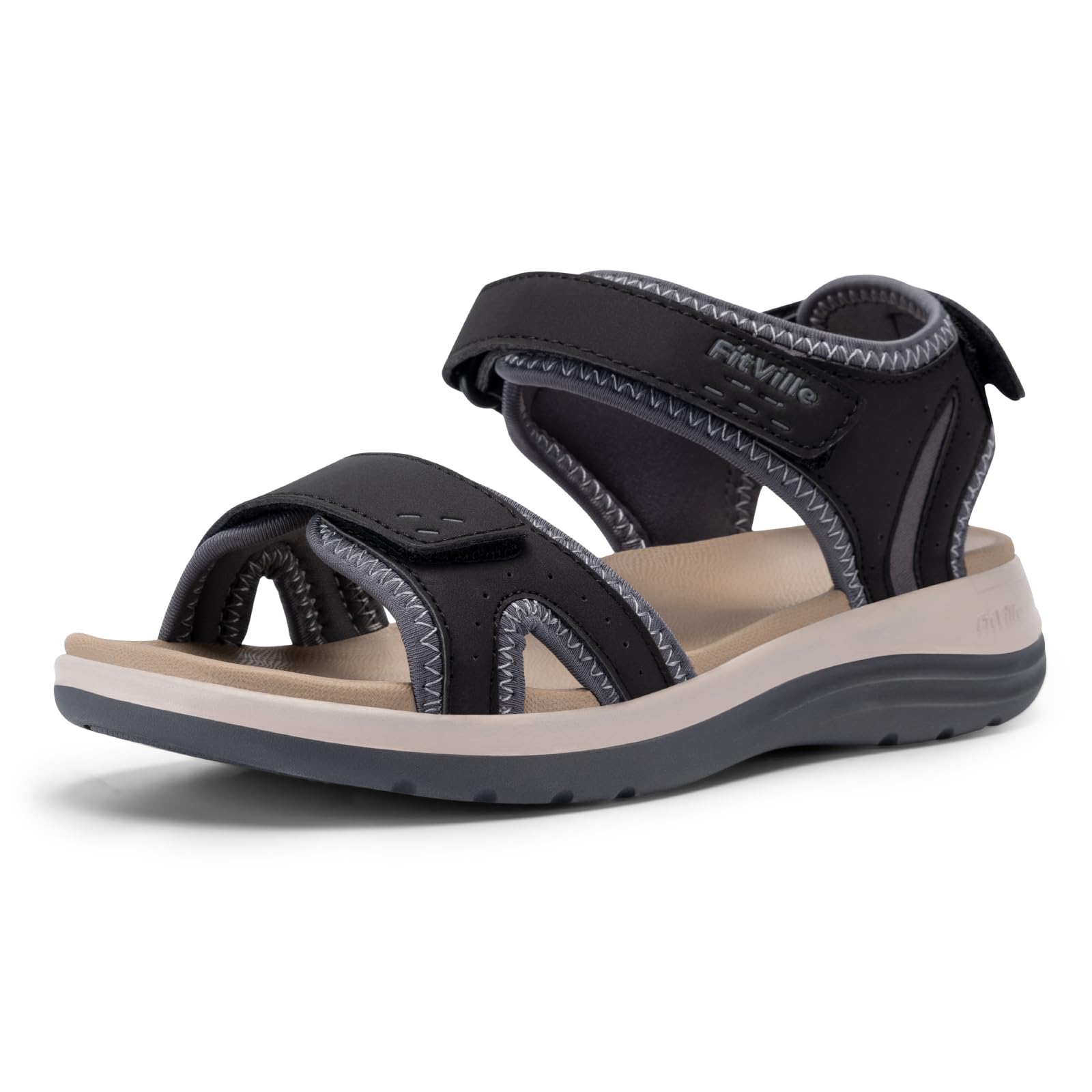
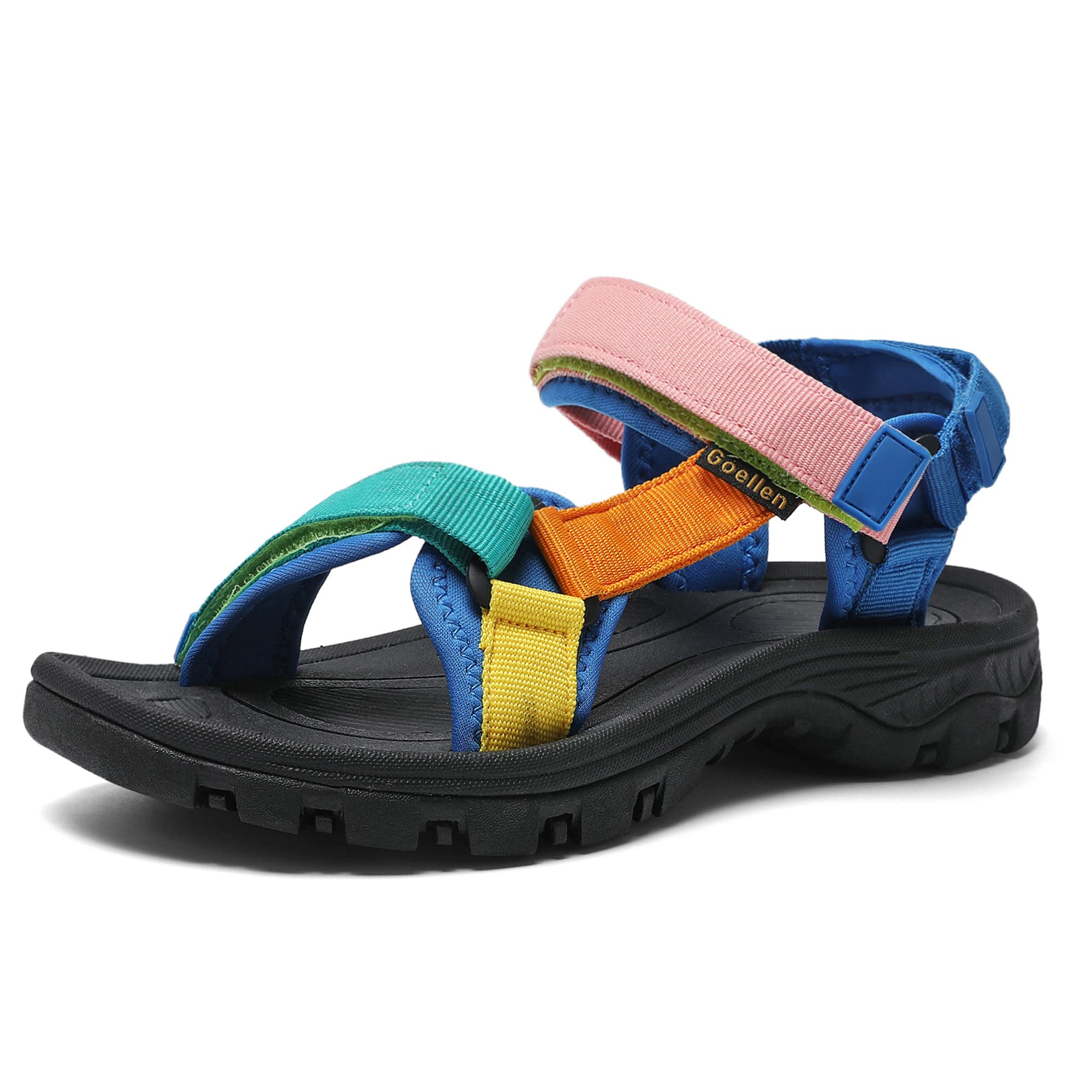

Choosing by Budget: What Each Tier Should Give You
Budget is a useful starting point because it sets realistic expectations for materials and adjustability. Use this section as a checklist for the product table above, then read the detailed tier notes before you decide.
Budget Tier Checklist
A budget pair, usually around $30 to $60, should still give you a shaped footbed, a firm heel cup, and at least one adjustable strap. Look for molded foam or cork blend footbeds rather than flat foam that compresses within weeks. The main trade off is durability, since thinner outsoles and basic strap hardware wear sooner. This tier suits short walks, home use, and seeing whether firm arch support feels right for you.
Midrange Tier Checklist
Midrange sandals, usually around $60 to $110, are the sweet spot for most daily wearers. You should expect better contoured support, softer cushioning over a stable base, and straps that adjust at two or more points for a secure fit. Outsoles in this tier tend to grip better on wet pavement and resist flattening for a full season or more. Choose this tier if you walk several thousand steps a day in sandals.
Premium Tier Checklist
Premium sandals, usually around $110 to $180, should justify the price with durable leather or high quality synthetic uppers, replaceable or long lasting footbed materials, and refined fit options such as wide widths. Support should feel structured rather than spongy, and hardware should move smoothly without sharp edges. This tier makes sense if sandals are your main summer footwear and you want one pair to last several seasons. If a premium listing cannot explain its materials clearly, skip it.
What Your Money Gets You at Each Price Tier
Budget Tier: What to Expect
At the budget level, you are paying for basic shaping and light cushioning. Arch support is often a fixed mold, which works well if its height happens to match your foot and feels harsh if it does not. Straps may stretch, and footbeds can absorb odor faster, so airing the pair out matters. For occasional wear this can be enough, but daily walkers will usually notice the limits by midsummer.
Midrange Tier: The Sweet Spot for Most Buyers
Midrange pairs balance support, comfort, and cost in a way budget pairs rarely manage. The footbed usually combines a supportive base with a cushioning layer, so your arch feels held without a hard ridge underfoot. You also gain better sizing, including half sizes or wide options in some styles, which reduces heel slip and toe gripping. For most people, spending into this tier once beats buying two cheap pairs in one season.
If you are comparing support levels across styles, our guide to the best sandals with good arch support explains how support height and footbed shape differ in plain terms.
Premium Tier: When Spending More Pays Off
Spending more pays off when it buys fit precision and materials that hold their shape. Premium footbeds resist packing down, leather straps soften without stretching out, and outsoles keep traction longer on smooth floors and city sidewalks. You may also get more neutral colors and cleaner styling that works with more outfits. The gain is smaller if you only wear sandals at home, where a midrange pair already covers your needs.
Features Worth Paying For and Ones to Skip
Fit, Sizing, and Toe Box
Measure your feet in the afternoon, when they are at their largest, and compare the length with the brand size chart rather than guessing your usual shoe size. Your heel should sit fully inside the heel cup, and your toes should not spill over the front edge or hang off the sides. A roomy toe box lets your toes spread naturally, which improves balance and reduces rubbing. If you fall between sizes, choose the size that keeps the arch contour aligned under your arch, not in front of it.
Weight and Flexibility
Lighter sandals feel easy on short outings, but very light foam models often flex too much through the middle, which lets your arch work harder. A good casual sandal bends at the forefoot where your foot bends, yet stays fairly stiff when you twist it by hand. That balance protects your feet on longer walks without feeling clunky. If a sandal folds in half with little effort, treat it as a home or pool style rather than a walking style.
Arch Support and Foot Type
Flat feet usually do well with moderate, firm support and a stable heel, while high arches often need support paired with more cushioning so pressure spreads evenly. If your feet roll inward as you walk, look for a deeper heel cup and a footbed that feels wider and steadier under the midfoot. Support should feel like a gentle lift after a few minutes, not a lump. If you have ongoing foot pain, diabetes related foot concerns, or a diagnosed condition, ask a podiatrist which support height suits you before buying.
Men who need a narrower heel and larger sizes can also check our guide to the best men's sandals with arch support for fit notes specific to those proportions.
Cushioning and Support
Cushioning absorbs impact, while support controls how your foot moves, and you need both in balance. Very thick, soft soles can feel pleasant in the store yet leave your ankles working harder on uneven ground. A moderate heel to toe drop, a stable base layer, and a contoured top layer usually give the most dependable all day feel. Press your thumb into the footbed, and favor models that push back rather than collapsing fully.
For longer distances on your feet, our guide to the best walking sandals with arch support covers traction, strap security, and pacing your wear time.
Why Choose a Casual Sandal With Arch Support
A casual sandal with real arch support helps spread pressure across the whole foot instead of loading only the heel and forefoot. That can reduce end of day fatigue during shopping, travel, and light sightseeing, especially on hard floors. The limits matter too, since no sandal matches the control of a closed shoe, and open straps cannot hold the heel as firmly. Choose this style when you want breathable comfort with structure, and choose shoes when you need maximum stability.
If you prefer closed footwear on cooler days, our guide to the best casual shoes with arch support applies the same support ideas to everyday shoes.
Long Term Costs to Factor In
The purchase price is only part of what a pair costs you. Foam footbeds compress over time, straps loosen, and outsole tread smooths down, so most daily wearers replace casual sandals every one to two seasons. Factor in footbed cleaners, replacement insoles where the design allows them, and the cost of a second pair if you rotate footwear to let foam recover between wears. A midrange or premium pair that lasts twice as long as a budget pair often costs less per month of use, even though the first payment is higher.
People with very high arches need a different support profile, and our guide to the best sandals with high arch support explains what to look for in that case.
Frequently Asked Questions
How long is the break in period for casual sandals with arch support?
Most people adjust within three to seven days of short wear sessions. Start with one to two hours at home so your arches and calves adapt to the new contour gradually. Mild awareness under the arch is normal at first, but sharp pain, numbness, or new heel pain is a sign to stop and reassess the fit or support height.
How should casual sandals with arch support fit?
They should fit so the arch contour sits directly under your arch and the heel cup cradles your heel without lifting out as you walk. Leave a small gap, about the width of your thumbnail, in front of your longest toe. Straps should feel snug enough to prevent sliding but never leave deep marks after ten minutes of wear.
Can I wear casual sandals with arch support all day?
You can wear them all day once your feet have adapted and the fit is right. Alternate with closed shoes on days that involve very long distances, ladders, or rough ground, since sandals leave toes exposed and offer less lateral control. Sit breaks and a short barefoot stretch in the evening help if your calves feel tired.
How often should I replace my casual sandals with arch support?
Replace them when the footbed stays compressed, the tread looks smooth, or the straps no longer hold adjustment. For daily wear that is often after one to two summers, while occasional wearers may get three seasons. A simple check is standing in the pair on a hard floor, since support that once felt clear will feel flat and vague when it is worn out.
Do I need waterproof sandals for casual wear?
You only need waterproof construction if you regularly walk through rain, sprinklers, or beach shallows. Water friendly synthetic straps and footbeds dry fast and resist odor, but they can feel less soft than leather at first. Leather styles suit dry daily wear and look dressier, yet they stain and stiffen if soaked often, so match the material to your climate.
Are expensive casual sandals with arch support worth it?
They are worth it when the higher price buys durable materials, better sizing, and support that keeps its shape for multiple seasons. They are not worth it if the extra cost only covers branding or fashion details you do not need. Compare cost per season, since a pair that lasts three summers can be better value than a cheap pair replaced every year.
Our Verdict
Start with fit and support shape, then choose the price tier that matches how many steps you actually walk in sandals. Midrange pairs suit most buyers, budget pairs suit light use, and premium pairs reward daily wearers who want longevity. Whichever tier you choose, the best casual sandals with arch support for you will feel stable, breathable, and easy to wear from the first short outing. Check the product table above to compare current tiers side by side.


