
Best Casual Sandals: Everything to Know Before Your First Purchase for 2026
Disclosure: We may earn a commission when you buy through links on this page, at no extra cost to you. As an Amazon Associate I earn from qualifying purchases. Learn more

Shopping for the best casual sandals for the first time? Learn the key terms, compare your options, and avoid common mistakes with this easy guide.
Buying your first pair of warm weather sandals sounds simple until the listings start talking about drops, toe boxes, and stability. This guide explains the best casual sandals in plain language, starting with the basics and ending with a confident choice. No jargon goes unexplained, and no prior footwear knowledge is assumed.
You will learn how fit, cushioning, and support actually feel on your feet, and how your daily plans should shape the pair you pick. Work through the comparison table below as you read, and by the end you will know which features matter for your feet and which ones you can safely ignore.


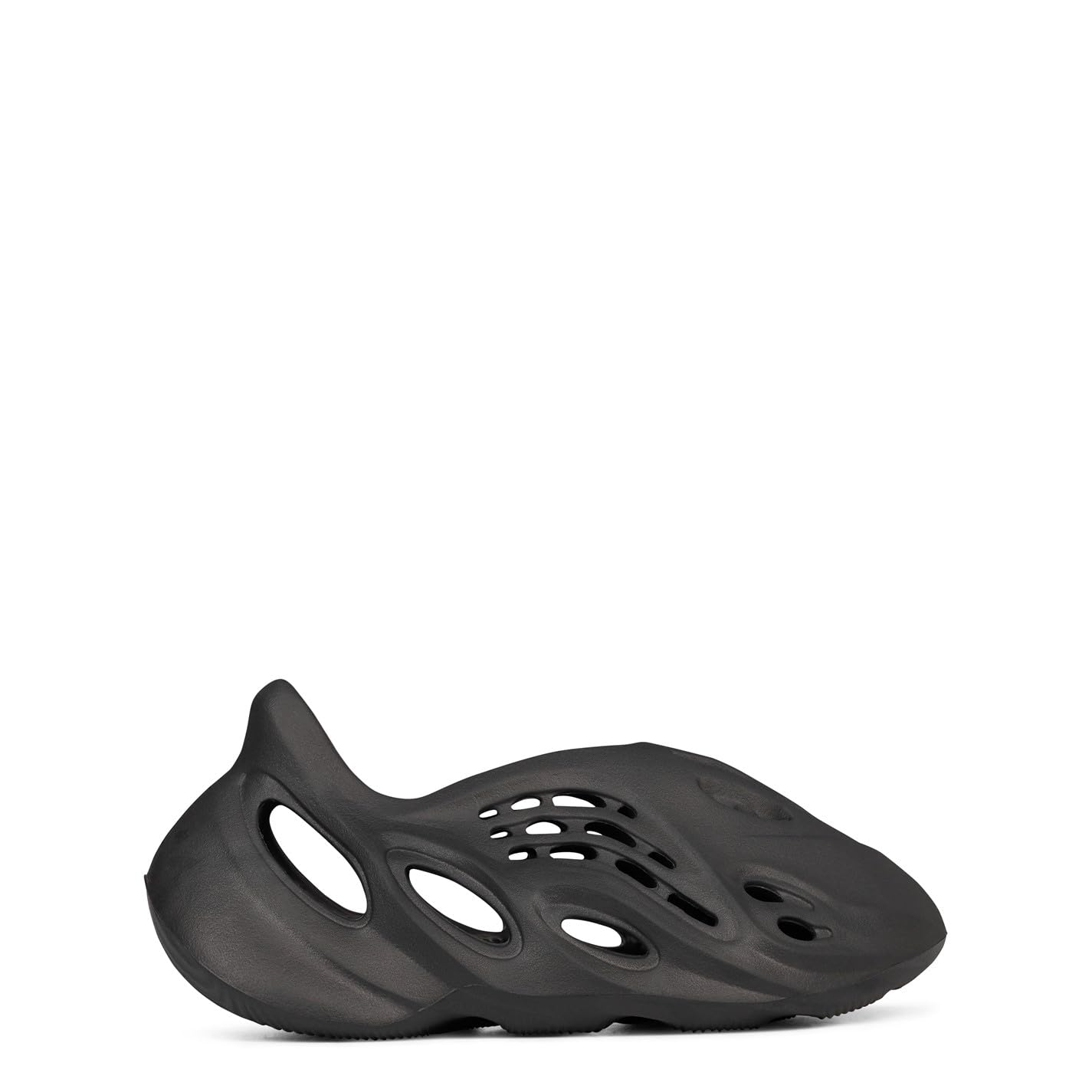
Casual Sandals 101: The Basics
A casual sandal is open footwear built for everyday warm weather wear: errands, walks, travel days, and relaxed social plans. Unlike a flip flop, a good casual sandal holds the foot with shaped straps and a contoured footbed, so your toes do not have to grip with every step. Unlike a hiking sandal, it favors comfort and looks over deep lugs and heavy protection.
The main parts are easy to learn. The upper is the strap system that holds your foot. The footbed is the surface your foot rests on, often shaped for the arch.
The midsole provides cushioning, and the outsole is the rubber layer that grips the ground. When a listing mentions support or stability, it is describing how the footbed and midsole guide your foot as you walk. With those four parts clear, every spec below will make sense.
Key Specs Explained in Plain English
Fit, Sizing, and Toe Box
Fit is the single biggest factor in sandal comfort. Measure your feet in the late afternoon, when they are at their largest after a day of use, and measure both feet because one is usually slightly longer. Your toes should sit fully on the footbed with a small margin at the front, never hanging over the edge.
The toe box is the space around your toes. A wider toe box lets toes spread naturally, which helps balance and reduces rubbing on long walks. If you fall between sizes, most people do better sizing up in sandals, because straps can snug down but a short footbed cannot grow. Wear the socks or bare feet you plan to use when you try a pair on.
Break In Period and Comfort Out of the Box
Some sandals feel perfect immediately, while others need a short break in period as straps soften and the footbed molds to your foot. Leather straps and cork footbeds are classic examples: a little firm at first, then noticeably better after several short wears. Foam footbeds usually feel soft from the first step.
Quick tip: break in a new pair around the house and on short errands for the first week. Save the long day out for week two. If a strap rubs in the same spot every time, a small piece of moleskin or a different strap adjustment usually solves it. Pain that sharpens rather than fades is a sign the shape is wrong for your foot.
Cushioning and Support
Cushioning is the softness under your heel and forefoot. More cushioning feels kind on hard floors and long standing days, while a firmer footbed can feel more stable and controlled. Heel to toe drop describes how much higher the heel sits than the toes; most casual sandals keep this low, which feels natural for relaxed walking.
Support comes from arch support and overall stability. A shaped footbed with a clear arch rise helps spread pressure and can ease tired feet. Neutral designs suit feet that roll neither inward nor outward much, while stability designs add firmer material on the inner side. If foot pain is part of your decision, our guide to the best casual sandals with arch support goes deeper on footbed shapes.
Weight and Flexibility
Light sandals feel effortless on travel days and in a tote bag, but the lightest pairs often give up footbed shaping and outsole grip. Slightly heavier sandals usually protect your feet better on uneven ground and last longer. Neither is wrong; the right balance depends on how far you actually walk in them.
Flexibility matters at the forefoot, where your foot bends with each step. A sandal should bend near the toes, not fold in the middle under the arch. Try the twist test in a store: gentle resistance is good, while a pair that wrings like a towel will likely feel sloppy and wear out fast.
Waterproofing and Water Friendly Materials
Most casual sandals are not waterproof in the boot sense, and they do not need to be. The real question is whether the materials tolerate getting wet. Synthetic straps and rubber footbeds shrug off pool decks, rain, and beach days, then dry quickly. Leather and cork dislike soaking and need slow air drying away from direct heat.
Breathability is the other side of this coin. Open designs dry fast and feel cool, while closed or heavily padded straps can hold moisture and rub. If your summers include sudden rain or waterfront plans, choose water friendly materials and accept a slightly less dressy look. Breathable comfort usually matters more than full weather sealing in a sandal.
Choosing Casual Sandals for Your Situation
Best Business Casual Sandals
When you look for best business casual sandals, the goal is polish without stiffness. Choose clean leather or leather look straps in a neutral color, a closed or partly covered toe area if your workplace is conservative, and a low profile sole without visible sport styling. A shaped footbed still matters, because office days involve plenty of standing.
Skip loud colors, thick athletic soles, and noisy flip flop styling. A simple two strap or slide design in brown, black, or tan pairs with chinos and casual dresses alike. Check your workplace dress code first, since some offices still treat any open toe as too casual.
Best Casual Sandals for Summer
For best casual sandals for summer, heat and sweat management lead the list. Open strap designs with quick drying materials keep feet cooler, and lighter colors reflect sun on long outdoor days. A textured footbed helps when feet get damp, because smooth damp surfaces can feel slippery.
Think about your real summer pattern. Market days and park walks call for more cushioning and grip, while patio evenings need only light support and a nicer finish. Shoppers focused on the season itself may enjoy our guide to the best casual summer sandals for warm weather specific notes.
Best Women's Casual Sandals: Tips for First Time Buyers
Searches for best womens casual sandals often return fashion first results, so check function before style. Women shopping for a first versatile pair should look at strap adjustability, because feet swell in heat and a fixed strap can go from fine to painful by evening. A slight heel rise can suit dresses, but keep it modest for walking comfort.
Pay attention to strap placement over the bunion area and the ankle, two common rub points. Many women also find that sizing differs between fashion brands and comfort brands, so rely on measured foot length rather than your usual shoe size. A pair that works with shorts, skirts, and casual trousers will earn its place fastest.
Rookie Mistakes to Avoid
- Buying by shoe size alone. Sandal sizing varies widely, and a short footbed leaves toes unprotected at the edge.
- Choosing looks over footbed shape. A flat, hard footbed punishes you on the first long day, however pretty the straps are.
- Wearing a new pair all day immediately. Skipping a break in period is the fastest route to blisters and sore arches.
- Ignoring outsole grip. Smooth soles on wet tile or pool decks are a genuine slip risk.
- Forgetting your real use case. A patio pair will disappoint on a sightseeing day, and a sporty pair may clash with your wardrobe.
Getting Started: Setup and First Use
When your sandals arrive, adjust every strap while standing, because your foot spreads under your weight and settings change. Walk on carpet first and check that your heel stays centered on the footbed and your toes clear the front edge. Keep the packaging until you have done a full indoor trial, since most sellers accept unworn returns only.
For the first week, alternate days with another pair of shoes so your feet and the footbed both adapt. If the sandals get wet, air dry them away from direct heat, which can crack leather and warp foam. A quick wipe of the footbed each week keeps odor down and helps straps last. Treat them well early and they will repay you all season.
Casual Sandals: Your Questions Answered
How often should I replace my casual sandals?
Replace casual sandals when the footbed feels flat and hard, the outsole tread is smooth, or straps stretch so much they no longer hold your foot. For daily wearers that is often after one to two summers. One extra signal: if your feet feel more tired in an old pair than in newer shoes on the same route, the cushioning has likely given up.
Are expensive casual sandals worth it?
Expensive casual sandals are worth it when the extra cost buys a shaped footbed, adjustable straps, and a durable outsole rather than decoration alone. Around $60 to $120 is where comfort features usually become consistent. Above that, you mostly pay for premium leather and finish. If you walk long distances daily, the comfort gap is real; for occasional wear, a modest pair can serve well.
How should casual sandals fit?
Casual sandals should fit with your whole foot resting on the footbed, toes clear of the front edge, and straps snug without pinching. Your heel should not slide side to side as you walk. A useful check is the stairs test: going downstairs, your toes should not jam forward. If they do, adjust the front strap tighter or try the next size up.
How long is the break in period for casual sandals?
The break in period for casual sandals is usually three to seven short wears over about a week. Foam footbeds may need no break in at all, while leather and cork often take the full week to soften and mold. Wear them a little longer each day. If discomfort is still growing after a week, the shape probably does not suit your foot and a return is wiser than persistence.
Can I wear casual sandals all day?
Yes, you can wear casual sandals all day if the pair has real arch support, cushioning, and secure straps. Flat fashion sandals are a different story and often cause aching feet by afternoon. Build up wear time gradually, and keep a backup pair of closed shoes on days that mix long walks with formal stops.
Persistent heel or arch pain deserves attention from a foot specialist rather than tougher sandals alone. Readers with that concern can start with our guide to the best casual sandals for plantar fasciitis.
Do I need waterproof casual sandals?
You need water friendly casual sandals only if your routine includes pools, boats, beaches, or frequent rain. For dry city and social wear, standard materials are fine and often look better. Note that water friendly pairs trade some softness and style for durability, and even they should be rinsed after saltwater use, because salt stiffens straps and dulls hardware over a season.
Wrapping Up
Fit first, footbed shape second, and materials matched to your weather third: those three checks will steer almost every first purchase well. Use the product table above to compare the best casual sandals against that short list, and remember that a short break in period is normal. If you are also shopping for a partner, our guide to the best casual sandals for men covers wider fits and larger sizes.


