
Best Casual Summer Sandals: Matching the Right Model to Your Routine for 2026
Disclosure: We may earn a commission when you buy through links on this page, at no extra cost to you. As an Amazon Associate I earn from qualifying purchases. Learn more

Choose the best casual summer sandals by routine: errands, travel, water days, or daily walking, with fit and arch support checks that avoid overpaying.
There is no single sandal that suits every summer routine. A pair that feels great for short errands can leave your arches aching after a full day of sightseeing, and a rugged water ready pair can feel like overkill for patio dinners. The best casual summer sandals for you depend on how far you walk, what surfaces you cross, and how your feet are shaped.
This guide matches sandal types to real routines first, then explains the features that matter for each one. Read the routine that sounds most like your summer, note its priority features, and use those features as your shopping filter.


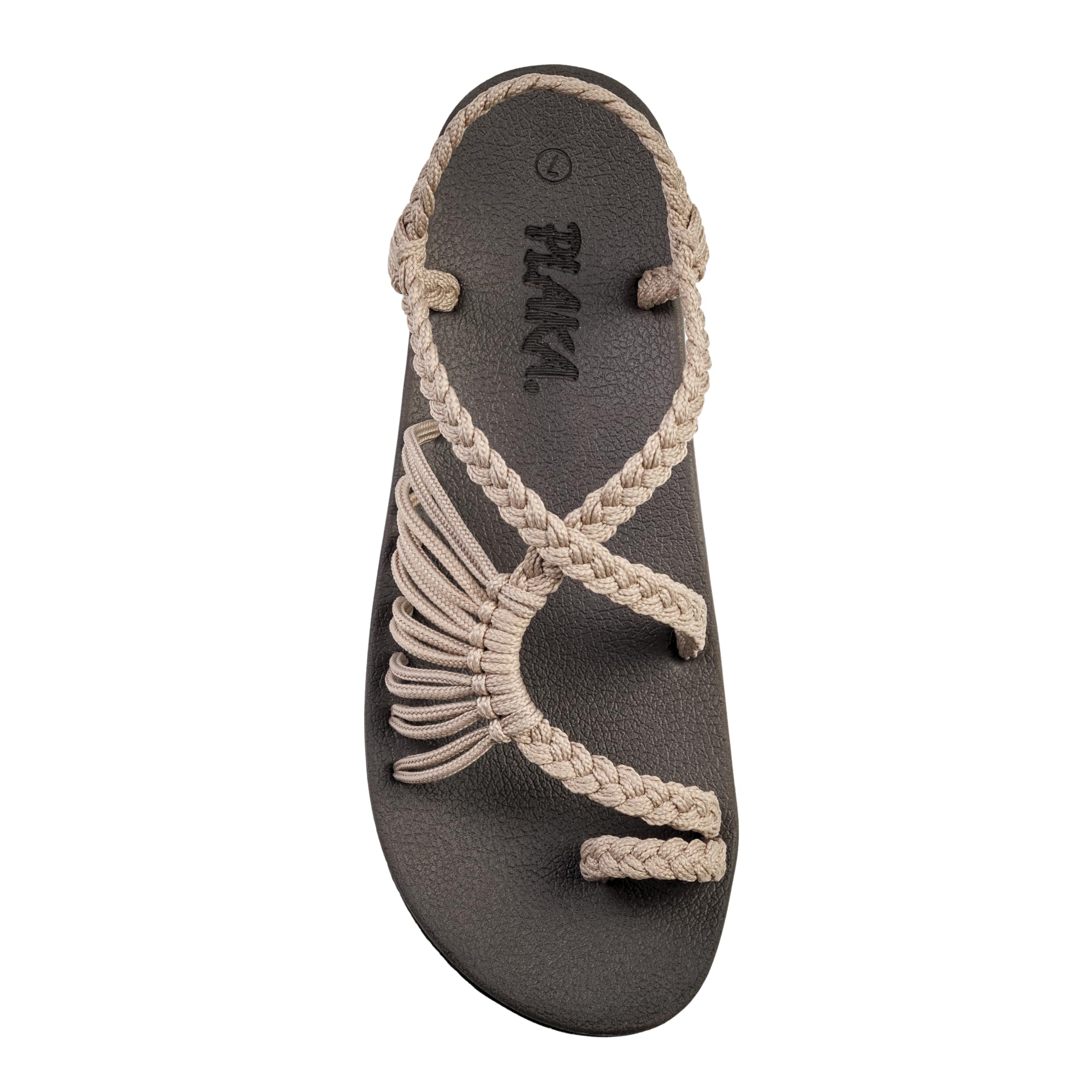


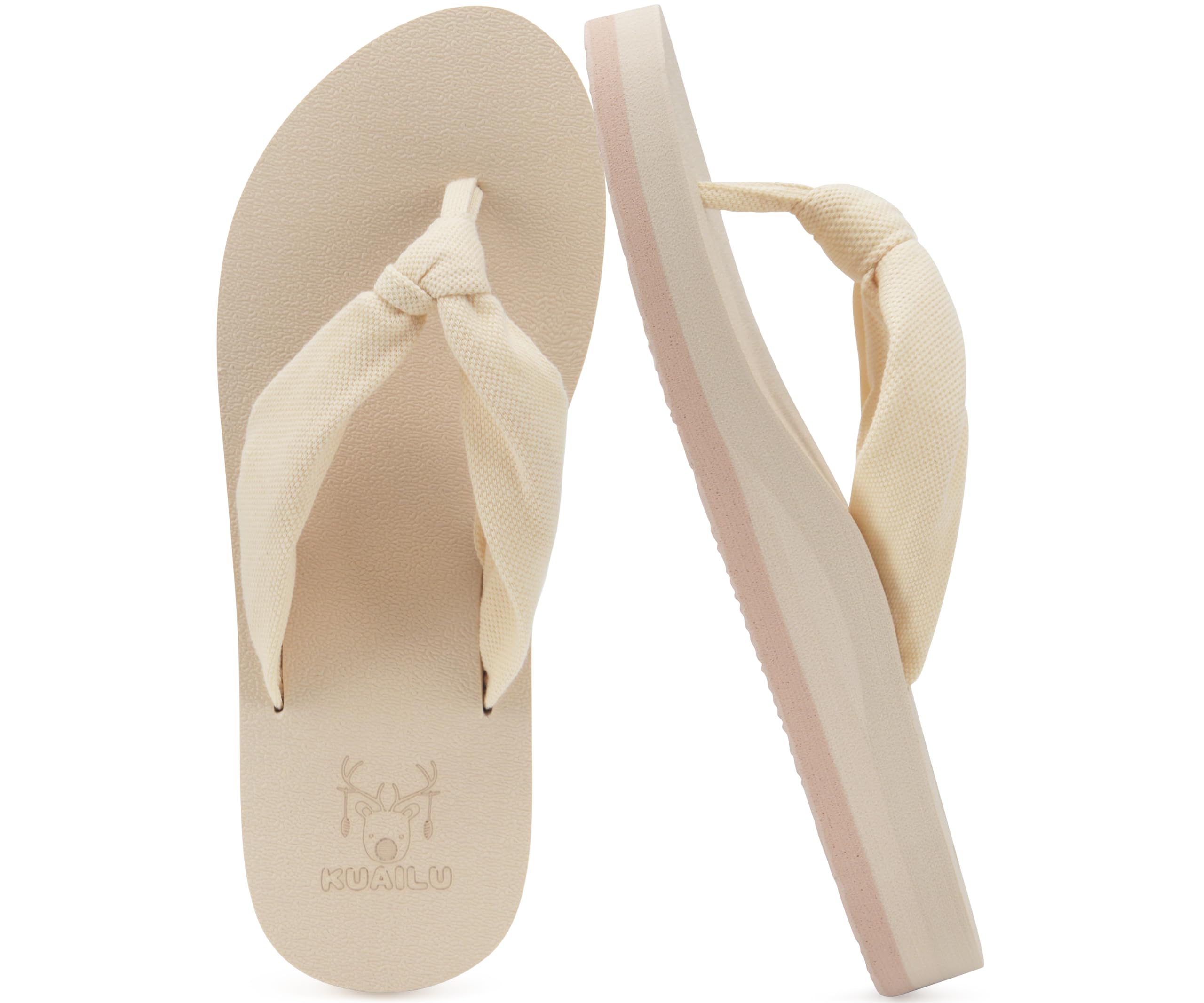
Who Should Buy Which Casual Summer Sandals?
Start with your most common summer day, not your most ambitious one. Most people wear one pair for eighty percent of the season, so that pair should fit the daily pattern. The groups below cover the four routines we hear about most, and each one points to a different balance of weight, grip, support, and price.
For Travel and Light Packing
If you pack light or keep a spare pair in a gym bag or car, choose slim sandals with flexible soles that lie flat. Thin straps and a low profile sole take up little room and add almost no weight to a suitcase. Look for pairs that bend gently without folding in half, since a sole with no structure at all will tire your feet on longer walks.
Packable pairs work best for short outings, beach days, and travel days where you change footwear often. If your trip includes long walking tours, treat these as your second pair rather than your main one. Our guide to the best summer sandals covers more warm weather styles for mixed itineraries.
For Bad Weather and Tough Conditions
Summer storms, lake days, and muddy garden paths call for sandals built from materials that ignore water. Synthetic straps, rubber outsoles with deep grooves, and closed designs that shed debris will serve you better than leather or fabric. A secure heel strap matters here, because a loose sandal can slip off in mud or current.
Check that the footbed has texture so your foot does not slide when wet, and rinse sandals after saltwater or chlorine exposure to protect the straps and buckles. These tougher pairs cost a bit more and look more rugged, but they are the right call if your summer is spent near water. If rain is rare for you, a lighter everyday pair will feel better most days.
For Weekend Beginners
If you are buying your first supportive sandal after years of flat flip flops, keep it simple. Choose a contoured footbed with mild arch support, adjustable straps, and a sole with enough cushion for a few hours of walking. You do not need the most technical design, and a moderate price around $40 to $80 usually covers this level well.
Wear the new pair on short outings first so your feet can adjust to the arch shape. Mild awareness in the arch is normal at first, but sharp pain is a sign to try a different footbed shape. Our guide to the best casual sandals explains the main strap and footbed styles if you want a broader view before deciding.
For Frequent or Serious Users
If you walk daily, travel often, or stand for long stretches in summer, invest in durability and support. Look for a firm contoured footbed, a rubber outsole that wraps slightly up the sides, and straps with padding where they cross the foot. Strong stitching and a clear warranty matter more at this level because you will put real miles on the pair.
Serious users often do best with two pairs in rotation, which lets each pair dry fully between wears and slows odor and foam breakdown. Men shopping for daily drivers can also see our guide to the best men's summer sandals for fit notes specific to larger sizes. Expect to pay around $80 to $140 for this tier, with better materials justifying the step up.
Key Features to Compare
Features only matter when they connect to your feet and your routes. The four checks below translate common sandal specs into plain decisions. Run through them in order, because fit and arch shape will affect your comfort more than any strap color or brand story.
Arch Support and Foot Type
Arch support works when it matches your arch shape. Flat feet often feel best with a gentle, broad arch contour and a stable heel cup that limits inward rolling, often called overpronation. High arches usually need more cushion under the heel and forefoot, since the foot absorbs less shock on its own. Neutral feet can wear the widest range of footbeds.
A simple home check helps: wet your foot and step on paper to see your print. A full print suggests flat arches, while a thin curved print suggests high arches. If you have ongoing foot, knee, or back pain, talk with a clinician or a qualified shoe fitter about personal needs rather than relying on a general guide.
Cushioning and Support
Cushioning is the softness you feel at first step, while support is how well the sandal holds its shape after hours of wear. Very soft foam feels lovely in the store but can pack down and leave your feet tired on long days. A slightly firmer footbed with a shaped arch usually wins for walking, because it spreads pressure instead of letting your foot sink in one spot.
Heel to toe drop in sandals is small, but a modest heel lift can ease strain for some walkers. If you plan long city days, our guide to the best summer sandals for walking goes deeper on sole thickness and stability. Test support by wearing a candidate pair around the house for an hour, not just for a minute in the aisle.
Fit, Sizing, and Toe Box
Measure your feet in the afternoon, when they are at their largest, and shop by length rather than by your usual shoe size alone. Your heel should sit fully inside the heel cup with no overhang, and your toes should not spill past the front edge or grip the edge to stay in place. A roomy toe box lets toes spread naturally, which helps balance and reduces rubbing on warm days when feet swell slightly.
Adjustable straps are the easiest way to fine tune fit, especially if one foot is slightly larger. If you fall between sizes, most walkers do better sizing up in sandals, provided the heel stays secure. Walk on a hard floor during your home trial, since carpet hides heel slip and pressure points.
Durability and Expected Lifespan
A casual summer sandal worn daily will usually serve well for one to three seasons, depending on mileage and materials. Rubber outsoles outlast soft foam soles, and stitched strap anchors outlast glued ones. Watch the tread under the heel and ball of the foot, since smooth patches there are the first sign that grip and support are fading.
Leather straps can last for years with basic care, while synthetic straps resist water but may stiffen with heavy sun exposure. Treat lifespan as part of the price: a pair that lasts three summers at around $90 can cost less per wear than a $40 pair replaced every year. Men comparing longer lasting options may also find our guide to the best casual sandals for men useful for strap and sizing notes.
Common Mistakes to Avoid When Buying Casual Summer Sandals
- Shopping by price alone and ending up with a flat sole that tires your feet within an hour.
- Ignoring your arch type, then blaming the sandal when a mismatched footbed causes new aches.
- Buying too small, so toes hang near the edge, or too large, so the foot slides and straps rub.
- Skipping the return and warranty terms, even though sandal fit is hard to judge from photos alone.
- Wearing a brand new pair on the longest walk of your trip instead of breaking it in at home first.
Care and Maintenance Tips
Air dry wet sandals away from direct heat, since strong heat can crack leather and warp some foams. Brush dirt from footbeds weekly and wash synthetic pairs with mild soap and water to limit odor. Rotate two pairs if you wear sandals daily, giving each pair a full day to dry and recover its shape. Store leather pairs out of harsh sun, and check strap stitching and buckle function at the start of each season so a small repair does not become a mid trip failure.
FAQs
Are expensive casual summer sandals worth it?
They can be, when the higher price buys a shaped footbed, a durable rubber outsole, and adjustable padded straps. Those features matter most if you walk or stand for hours. If your sandals only cover short trips from car to cafe, a simpler pair around $40 to $70 will likely feel just as good. Judge value by cost per wear across the seasons the pair will realistically last.
Do I need waterproof shoes?
You need water friendly sandals, not fully waterproof shoes, for most summer use. Sandals drain and dry by design, so synthetic straps and rubber soles handle rain, pools, and beach days well. Leather and fabric straps absorb water and dry slowly, which can cause rubbing. If your plans involve boats, lake shores, or daily storms, choose the synthetic route and a textured footbed for grip on wet skin.
Can I wear them all day?
Yes, if the pair has real arch support, a secure heel strap, and enough sole underfoot for hard ground. Flat fashion sandals are rarely comfortable past a few hours, no matter how soft they feel at first. Build up wear time over several days, and carry a backup pair on travel days until you trust the fit. Sore arches that grow worse each day mean the footbed shape does not suit your feet.
How should casual summer sandals fit?
Your heel should sit inside the cup, your toes should stay clear of the front edge, and straps should hold the foot without pinching. A thumb width of space beyond your longest toe is a good guide for walking pairs. The foot should not slide forward when you walk downhill or on wet ground. Try pairs late in the day and walk on hard flooring during your trial for the truest read.
How often should I replace my casual summer sandals?
Replace them when the tread smooths out, the footbed no longer rebounds, or straps loosen and cannot be adjusted back to a secure fit. For daily wear that is often every one to two summers, while occasional pairs can last three seasons or more. Do not wait for a strap to fail on a trip. If your arches feel more tired than they did last season in the same pair, the support has likely faded.
How long is the break in period?
Most supportive sandals need about three to seven days of short wears before the footbed feels like yours. Leather straps may need a week or two to soften at contact points. Start with an hour at home, then add time each day. Blisters or sharp rubbing are not a normal break in stage, so adjust straps or exchange sizes early rather than pushing through pain that signals a poor fit.
The Bottom Line
Match the sandal to your routine, confirm arch shape and fit on hard floors, and you will avoid most summer footwear regrets. Start with the product table above, keeping your priority features in mind. Chosen well, the best casual summer sandals disappear on your feet and let the season itself hold your attention.


