
Best Casual Dress Shoes 2026: Buying Guide
Disclosure: We may earn a commission when you buy through links on this page, at no extra cost to you. As an Amazon Associate I earn from qualifying purchases. Learn more

Compare casual dress shoes by leather, sole, fit and price tier, then choose a pair that works for office days, dinners and smart weekends alike.
best casual dress shoes bridge the gap between formal shoes and sneakers, giving you a polished look without stiff formal wear. The comparison table below shows the main styles side by side so you can see where each one fits your wardrobe.
Before you choose, think about where you will wear them most, whether you walk far in them, and which trousers and outfits they must match. A shoe that looks great with jeans may look too relaxed for an office, so match the style to your real week.


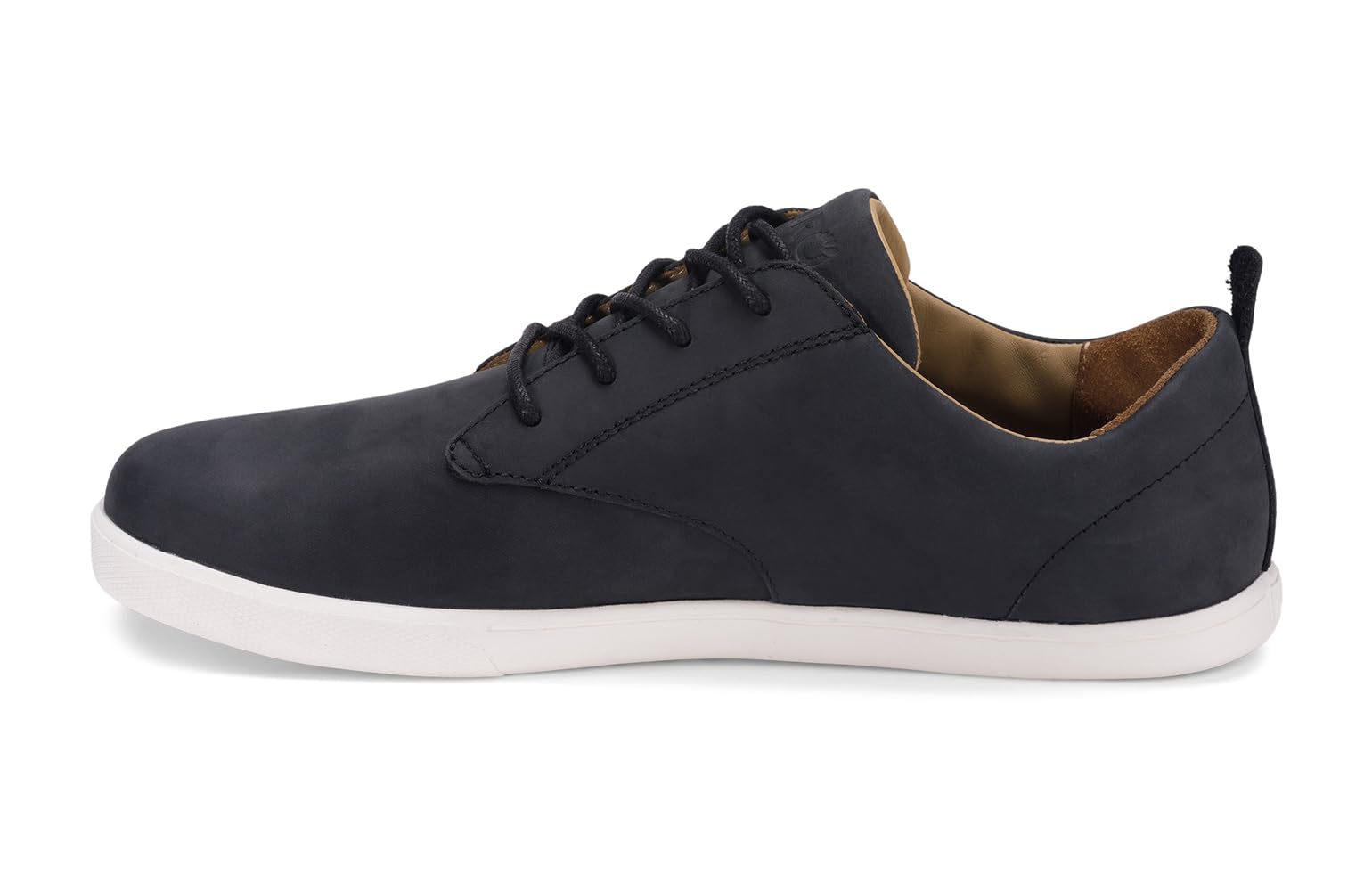
Who Should Buy This Style
Casual dress shoes suit office workers, teachers, sales staff and anyone who wants to look smart without wearing a suit every day. They also suit weekend wear with chinos, dark jeans or smart trousers, where a full dress shoe would feel too formal.
They suit less well for long walks on rough ground, sports or very wet weather. For those days a walking shoe or a weather resistant boot will protect your feet better, and you can change into dress shoes when you arrive.
Key Features to Compare
Leather and Material
Full grain leather ages well and can be polished, while corrected leather looks neat at first but may crack sooner. Suede looks soft and relaxed, yet it stains more easily in rain. Match the material to your weather and your willingness to clean and polish.
Sole and Comfort
Leather soles look smart and slim, but they can slip on wet floors and wear faster outdoors. Rubber soles grip better and cushion more, which helps if you walk or stand a lot. Look for a cushioned insole and a sole that flexes near the toes rather than feeling stiff all over.
Fit and Last Shape
Fit matters more than brand, because a narrow last will pinch wide feet all day. Measure both feet in the afternoon, check toe room and heel slip, and break shoes in with short wears at home. A shoe that pinches on day one rarely becomes comfortable later.
Style and Versatility
Oxfords look most formal, derbies feel slightly relaxed, loafers slip on easily, and monk straps add detail without formality. Dark brown pairs with the most outfits, while black suits darker trousers and evening wear. Choose one versatile pair before you add a second colour.
Types Compared
Oxford Shoes
Oxfords have a closed lacing system and a slim profile, which makes them the most formal casual dress option. They suit office days and smarter dinners. They take longer to put on and may feel tight across a high instep.
Derby Shoes
Derbies have open lacing, which gives more room across the foot and suits wider feet or a higher instep. They look smart yet relaxed, so they pair well with chinos and dark jeans. They are often the easiest dress shoe to fit well.
Loafers
Loafers slip on without laces and suit warm days and quick changes. They range from penny loafers to suede styles, and they work best with cropped trousers or no show socks. They offer less ankle support, so they suit shorter walks rather than long days on foot.
Budget and Value
Budget casual dress shoes usually cost about $60 to $120 and use corrected leather or synthetic linings. Mid range pairs at about $120 to $250 offer better leather, stitched soles and more comfortable insoles. Premium pairs above that range focus on full grain leather, hand finishing and resoleable construction.
Pay for fit and sole construction first. A mid range pair that fits well and can be resoled often costs less over time than a cheap pair that wears out quickly. Keep a second pair to rotate, because resting leather between wears extends its life.
Setup, Care and Everyday Use
Break new shoes in gradually, use shoe trees to hold their shape, and polish leather regularly. Rotate pairs, let them dry at room temperature after rain, and avoid wearing the same pair two days in a row if you can. Check heel tips and sole edges before they wear through.
If you feel sharp pain, numbness, blisters that keep returning or swelling after wearing a pair, stop and check the fit. Persistent foot pain deserves a clinician visit, because comfort should improve with wear, not worsen. Fit and comfort advice here is general, so talk with your clinician about ongoing pain.
Before You Buy Checklist
Measure your space, check the running costs, read the care instructions, and confirm the return window before you order. A short pause at this stage prevents most regrets, because the right choice fits your routine and not just your wish list. Keep the box and receipt until you have used the item for a full week in normal conditions.
Related Guides Worth Reading
For a closer look at a related option, read our guide to best casual dress shoes for men and compare it with the style described above.
For a closer look at a related option, read our guide to best dress shoes and compare it with the style described above.
For a closer look at a related option, read our guide to best casual shoes and compare it with the style described above.
For a closer look at a related option, read our guide to best shoes for dresses and compare it with the style described above.
For a closer look at a related option, read our guide to best casual shoes for men and compare it with the style described above.
Common Mistakes to Avoid
One common mistake is buying dress shoes a half size too small because they look sleek, which leads to pinched toes and blisters by midday. Another mistake is wearing a new pair for a full day straight away, without short break in wears at home. Walk indoors first, try them with your usual socks, and return a pair that pinches.
Do not wear the same leather pair every day without rest, because damp leather needs time to dry and recover its shape. Rotate two pairs, use shoe trees, and polish regularly. Rest days extend leather life far more than expensive creams alone.
Long Term Value
Long term value comes from resoleable construction and leather that improves with care. A mid range pair with stitched soles can be resoled when the heel wears, while a glued cheap pair often needs full replacement. Ask about resoling before you buy, especially if you walk a lot.
Keep a neutral brown pair for most outfits before you add black or suede, because versatility saves money and wardrobe decisions. A single well chosen pair worn often beats a cupboard of pairs that only suit one outfit each.
Frequently Asked Questions
How should casual dress shoes fit?
Casual dress shoes should hold your heel without slipping, give your toes room to wiggle, and feel snug across the midfoot without pinching. Measure both feet in the afternoon, because feet swell during the day. Walk indoors on a clean floor before you remove tags, and return a pair that pinches.
Are leather soles better than rubber soles?
Leather soles look slimmer and more formal, while rubber soles grip better and cushion more on hard floors. Many casual dress shoes now use a rubber sole with a leather look, which blends both benefits. Choose rubber if you walk far, and leather if you mostly sit and want the smartest profile.
Can I wear casual dress shoes with jeans?
Yes, dark slim jeans pair well with derbies, loafers and clean oxfords, especially in brown or tan. Avoid very light jeans with black formal shoes, because the contrast can look mismatched. Keep the jeans free of heavy fading or rips for a smart casual look.
How do I care for suede dress shoes?
Brush suede after each wear, protect it with a suede spray before first use, and avoid heavy rain where possible. For marks, use a suede eraser gently and let the shoe dry fully before brushing. Suede needs more care than smooth leather, so keep a smooth pair for wet days.
How long should casual dress shoes last?
A well made pair can last several years with rotation, shoe trees and regular polishing. Cheap pairs may wear out within a year of daily use, especially at the heel and sole edge. Resoleable shoes cost more at first, but they often offer better long term value.
Should I wear socks with loafers?
You can wear no show socks with loafers for comfort and hygiene, while visible socks change the look toward a more casual style. No show socks protect against blisters and odour without showing above the shoe. Choose a pair that stays put, because a sock that slips inside the shoe will annoy you all day.
Final Thoughts
Start with fit, then choose a versatile colour and a sole that matches how much you walk. One good pair that suits most of your week beats three pairs that pinch or clash with your clothes.
The product table above summarises the main dress shoe styles, and the best casual dress shoes for you are the ones that feel comfortable from morning to evening and match your wardrobe.
Fit first, versatile colour second, and sole quality third. A pair that feels good all day and matches most of your clothes will serve you far better than a stylish pair that hurts.


