
Best Casual Cowboy Boots: Every Type Explained Side by Side for 2026
Disclosure: We may earn a commission when you buy through links on this page, at no extra cost to you. As an Amazon Associate I earn from qualifying purchases. Learn more

Compare types of the best casual cowboy boots by toe shape, heel, leather, and sole, with fit and sizing guidance to help you choose with confidence.
Casual cowboy boots look simple from a distance, yet the choices change everything about how a pair feels and how you wear it. Toe shape, heel height, shaft height, and sole material can make one pair right for daily jeans and another better for a dressier dinner. This guide explains the main types of best casual cowboy boots side by side so the differences are clear.
Use the comparison table below to scan the types at a glance, then read on for fit, leather, and care details. If you are still deciding between western styling and a plainer everyday boot, see our guide to the best casual boots for a broader look at casual footwear shapes.




Types of Casual Cowboy Boots Compared
The product table above groups boots by style, but labels alone do not tell you how each type behaves on your feet. The four types below cover most of the best casual cowboy boots sold today. They differ mainly in toe shape, heel, and shaft, and those details decide walking comfort, how the boot looks with trousers, and how formal it feels.
Classic Western Boots
The classic western boot has a tall shaft, usually around 11 to 12 inches, a pointed or slightly rounded toe, and an angled heel around 1.5 inches. Stitching on the shaft is common and shows above the hem of straight leg jeans.
Choose this type if you want the most recognizably western look for weekends, concerts, and casual Fridays. The trade off is walking comfort. The angled heel and narrower toe leave less room for long days on concrete, and the tall shaft feels warm in summer.
Roper Boots
Roper boots keep the western shape but soften it for walking. The heel is shorter and more squared, usually around 1 inch, the toe is rounded, and the shaft is often a little shorter. Many ropers also use a rubber outsole with more grip than smooth leather.
That mix makes ropers the easiest entry point if you plan to wear your boots often and for hours at a time. They pair well with jeans and chinos and look less costume like than a tall, heavily stitched pair.
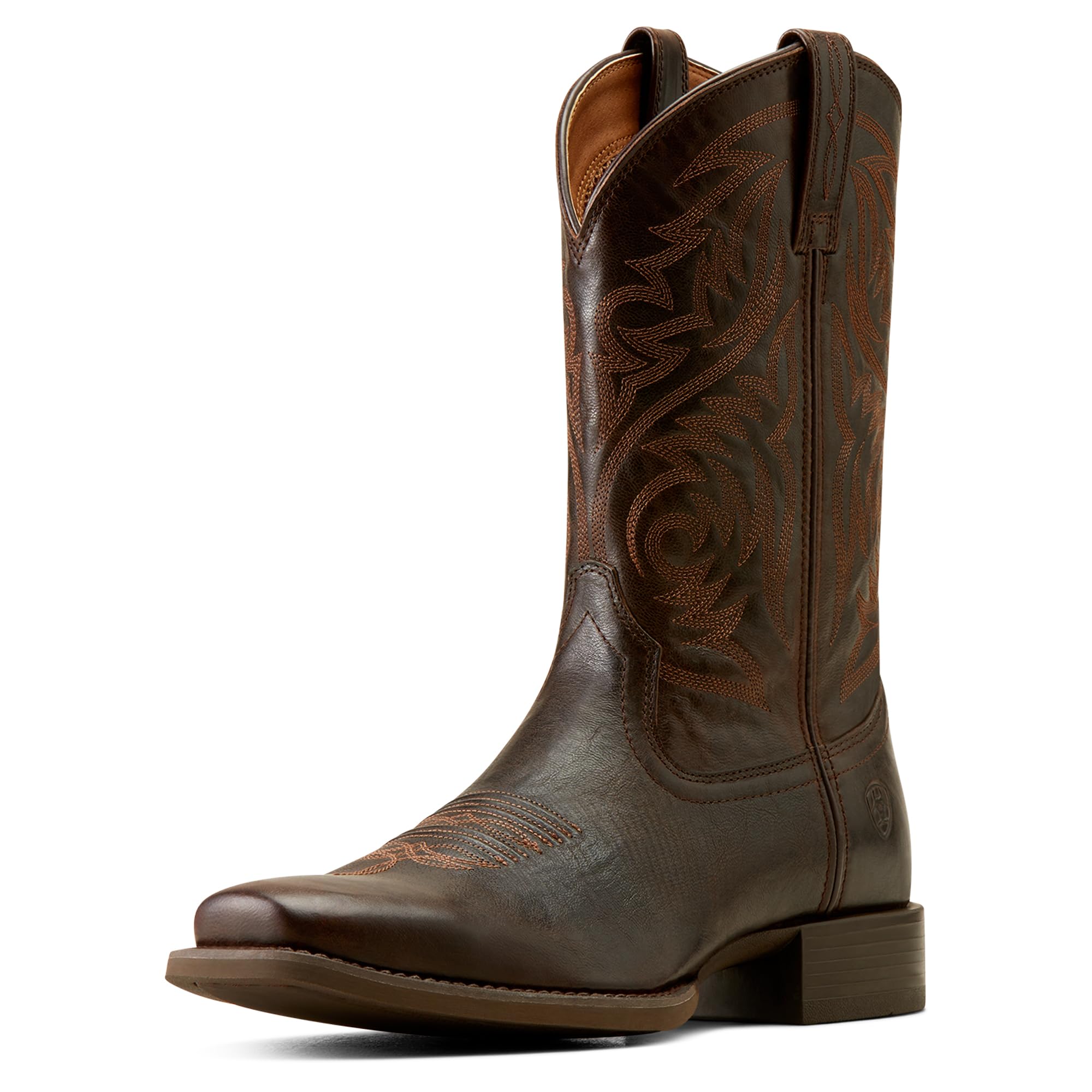
Square Toe Boots
A square toe boot widens the front of the boot into a flat, broad shape. Your toes get more room to spread, which many people find more comfortable than a pointed toe, especially in a wider foot. The shaft and heel can match either a classic or a roper design, so read those details separately.
The look is modern and a little work inspired rather than traditional. Square toes suit casual wear with jeans, and they are a sensible first try if pointed toes have pinched you before. The wider front can look bulky under slim trousers, so check the pairing before a dressier event.
Short and Ankle Cowboy Boots
Short cowboy boots, often called booties in womens lines and shorty boots in mens lines, stop around the ankle or just above it. They keep western touches such as a pointed toe and angled heel, but they are easier to put on and cooler to wear. They also work under tapered jeans that will not fit over a tall shaft.
Women comparing shorter styles can also see our guide to the best ladies cowboy boots for sizing notes aimed at womens feet. Short boots give less ankle coverage, and low openings can rub the ankle bone until the leather softens.
Roper Boots vs Classic Western Boots: Which Should You Choose?
For most casual buyers the real contest is roper against classic. Start with walking. A roper has a lower, squared heel and often a rubber sole, so it feels steadier on pavement. A classic heel is taller and more angled, which looks sharper but asks more of your calves over a long day.
Next, think about looks. Classic boots make a clear statement, while ropers read as quieter and blend into ordinary casual outfits. If the boots are mainly for evenings and events, classic styling wins for many people. If they are for daily wear, travel, and lots of steps, the roper is usually the safer bet.
How to Choose the Right Casual Cowboy Boot
Once you have a type in mind, the details below decide whether a specific pair fits your feet, your climate, and your budget.
Fit, Sizing, and Toe Box
Cowboy boots should slip a little in the heel when new, feel snug across the instep, and leave your toes free to move without touching the end. That small heel slip is normal and lessens as the sole flexes and the insole settles to your foot. If the instep feels loose enough that your foot slides forward, the size or width is wrong.
Try boots late in the day, when feet are at their largest, and wear the socks you plan to use. Sizes vary between brands more than with lace up shoes, because there are no laces to adjust. Men can also see our guide to the best cowboy boots for men for mens lasts and widths in more depth.
Heel Height and Arch Support
Heel height changes your posture in a boot. A heel around 1 inch keeps your weight fairly even and suits longer walking. A taller angled heel shifts weight toward the ball of the foot and shortens your stride a little. The taller heel rewards shorter wear at first while your feet and calves adjust.
Arch support in cowboy boots comes from the shank and the insole rather than from a thick cushioned midsole. Some pairs include a removable cushioned insole, which helps if you use your own insert. If you have ongoing foot pain or numbness, talk with your clinician about personal needs before relying on any boot for all day support.
Leather, Lining, and Breathability
Most casual cowboy boots use cowhide, which balances cost, durability, and a break in period most people can manage. Full grain leather keeps the natural surface of the hide and resists scuffs better over time. Suede finishes look softer and more casual but mark more easily and need more care around water.
Lining matters on warm days. A leather lining feels smooth but can feel warm, while a fabric lining is often cooler and more breathable for summer. If construction quality is your top concern, see our guide to the best quality cowboy boots for how stitching and leather grades separate lasting pairs from flimsy ones.
Sole Material and the Outsole
A traditional leather outsole looks clean and slides easily on a dance floor, but it is slippery on wet pavement and wears faster on rough concrete. A rubber outsole adds grip, cushions each step a little, and handles rain and gravel better, which suits daily casual use. Many modern casual boots blend the two ideas with rubber inserts in a leather look sole.
Check the welt as well. A stitched welt generally allows resoling and signals stronger construction than a purely glued sole. For mostly indoor and dry weather wear, leather soles are fine. For commuting and mixed surfaces, rubber is the practical choice.
Durability and Expected Lifespan
A casual cowboy boot worn a few times a week can last for years, because leather uppers and stitched soles can be repaired rather than replaced. The first parts to show wear are usually the heel cap, the toe of the outsole, and the lining at the heel.
Price plays a role here, but not a simple one. Boots around $200 often bring stitched construction and better leather than pairs under $100, yet fit still matters more than price.
Break In Period and Comfort Out of the Box
Expect a break in period of several wears. Stiff leather around the ankle and instep softens as it warms and flexes, and the insole compresses to the shape of your foot. Start with short outings rather than a full day out, and add time as hot spots fade.
Some softness is normal progress, but sharp pain, numb toes, or blisters that return in the same spot point to a fit problem rather than a boot that needs more time. Ropers and short boots with softer leather usually settle fastest, while stiff classic boots take the longest.
Care Tips for Casual Cowboy Boots
Leather care for this boot type is simple and specific. Wipe dust and dried mud off with a soft brush after wear, because grit left in the creases works into the leather as it flexes. Apply conditioner when the surface looks dry, using a thin coat and letting it absorb before buffing.
Let wet boots air dry at room temperature, away from direct heat, with newspaper or boot trees inside to hold the shape. Heat can crack leather and warp the sole. Store boots upright with the shafts supported so they do not fold and crease. For suede pairs, use a suede brush and a protector spray made for suede rather than conditioner.
Styling matters too, since the right trousers protect the shaft and show the boot well. Boot cut and straight leg jeans are the standard pairing, and you can see our guide to the best jeans for cowboy boots for hem lengths that sit cleanly over different shaft heights.
FAQs
Can you wear casual cowboy boots all day?
Yes, many people wear casual cowboy boots all day once the boots are broken in and the fit is right. Start with shorter days, and choose a roper or a lower heel for lots of walking. A rubber outsole and a cushioned insole make long days on concrete noticeably easier than a smooth leather sole.
How should casual cowboy boots fit when new?
Casual cowboy boots should feel snug across the instep, allow a small amount of heel slip, and give your toes room without pressure at the tip. Your foot should not slide forward when you walk downhill or down stairs. The leather at the widest part of the boot should feel firm, not painfully tight.
How long does the break in period for casual cowboy boots take?
The break in period for casual cowboy boots usually takes about three to five wears for softer leather and up to two weeks of regular use for stiff classic pairs. Wearing thick socks during the first short outings reduces friction at the ankle. If pain stays sharp after that period, have the fit checked rather than pushing through it.
Do casual cowboy boots need to be waterproof?
Casual cowboy boots do not need to be fully waterproof for most wearers, because few casual pairs are built like rain boots. A water resistant treatment and a rubber outsole handle light rain well enough for daily use. If you regularly walk through deep puddles or mud, choose a pair sold as waterproof and expect a warmer, less breathable feel inside.
Are expensive casual cowboy boots worth the money?
Expensive casual cowboy boots can be worth it when the extra cost buys stitched construction, better leather, and a shape that fits your foot well. Those details support resoling and longer use, which spreads the cost over more years. Price alone guarantees nothing, though. A mid priced pair that fits will serve you better than a costly pair bought mainly for its name.
How often should you replace casual cowboy boots?
You should replace casual cowboy boots when the upper cracks through, the insole no longer supports your foot, or a cobbler says the structure cannot be rebuilt. That point often arrives much later than with sneakers, because heels and soles can be replaced on their own.
Final Thoughts
Choosing well comes down to three things. Pick the type that matches how much walking you really do, get the instep and toe fit right at the start, and match the sole to your usual surfaces. The product table above can help you compare those points across the pairs you are considering.
When those basics line up, the best casual cowboy boots become an easy reach in your closet, ready for jeans, casual dinners, and long weekends alike. Take your time with sizing and break them in gradually.


