
Best Cast Iron Tea Kettle: Lining, Weight and Stove Fit (2026)
Disclosure: We may earn a commission when you buy through links on this page, at no extra cost to you. As an Amazon Associate I earn from qualifying purchases. Learn more

The best cast iron tea kettle guide: lining, filled weight, stove fit and care for a kettle you will use every day.
Picture a weekday morning in a busy kitchen. One person needs hot water for tea, another wants oatmeal, and the kettle has to earn its counter space every single day. That is the real test for the best cast iron tea kettle in your home. It should heat steadily, pour without drama, and still look good sitting on the stove between uses.
This guide helps you choose by the things that matter at home, including your stove type, your household size, your storage space, and your budget. You will learn how enamel lined and unlined iron differ, what the weight means for daily lifting, and which care habits keep rust away. Start with the product table below, then use the checklist that follows to narrow your choice with confidence.


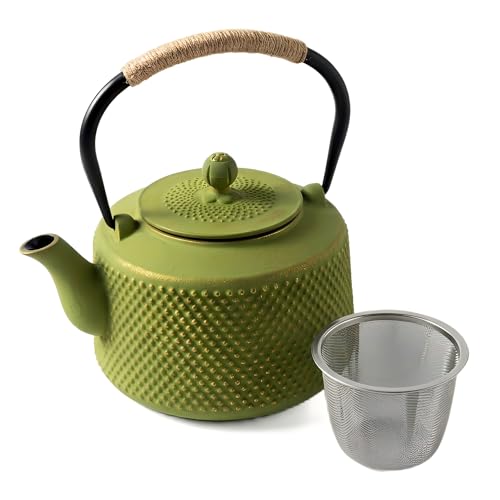


Quick Answer: How to Choose in 30 Seconds
For most homes, an enamel lined cast iron kettle in a mid size range is the easiest place to start when you shop for the best cast iron tea kettle. The enamel interior resists rust better than bare iron, the body holds heat well, and the kettle can handle daily boiling without much fuss. If you want a broader view of every material before you commit, our guide to the best tea kettle compares the main options side by side.
- Choose enamel lined iron if you want simpler care and a kettle that forgives a busy routine.
- Choose unlined iron only if you enjoy regular upkeep and plan to dry the kettle after every use.
- Check the filled weight before you buy, because iron plus water gets heavy fast.
- Confirm the base works with your stove.
- Pick a capacity that matches your household.
Before You Buy: A Quick Checklist for Choosing a Tea Kettle
Cast iron rewards a careful buyer. Designs vary a lot in lining, base shape, handle comfort, and intended use, and some models sold as kettles are really teapots meant for steeping, not for boiling water on a burner. If capacity is your first question, the guide on what size tea kettle do i need walks through the math for different household sizes.
Which Type Fits Your Routine
Start with how you actually make tea. A whistling kettle suits you if you leave the kitchen while water heats, because the sound tells you when it boils. A quiet kettle suits an early riser who does not want to wake the house. Readers comparing materials often look at the best stainless steel tea kettle for a lighter daily driver or the best glass tea kettle for watching the water come to a boil.
Is the Material Safe for Daily Use
Cast iron itself contains no PFAS or PTFE style coatings, which is one reason many buyers move toward it. Most modern kettles add an enamel layer inside, and that layer becomes the surface your water touches. Look for a smooth, intact enamel finish with no chips around the rim or spout base. Avoid decorative iron teapots with no clear statement about food contact use. If the enamel chips deeply and bare metal shows through, retire the kettle from boiling duty, because exposed iron will rust in standing water.
Induction, Gas, and Glass Top Compatibility
Iron works naturally on induction, since the metal responds to the magnetic field, and it sits happily on gas grates. The main caution is a smooth glass top, where a heavy kettle with a rough base can scratch the surface if you slide it. Lift the kettle to move it instead of dragging it. A flat, wide base heats more evenly than a small round one. If gas is your main burner, the advice in our guide to the best tea kettle for gas stove covers flame size and base width in more depth.
Heat Limits and Handles
Enamel can crack if a hot kettle meets cold water, so let the kettle cool a little before you rinse or refill it. Handles vary more than buyers expect. Fixed iron handles get hot and call for a mitt, while folding or wrapped handles stay cooler and store more easily in a small cabinet. The lid should lift off without tipping the kettle, and the spout should start low on the body so the last cup pours out cleanly.
Realistic Budget Ranges
Expect to pay about $30 to $50 for a small enamel lined kettle aimed at one or two people, often with a simple handle and a modest finish. The middle band, about $50 to $100, brings larger capacity, smoother enamel, better lids, and handles that feel secure with a full kettle. Above about $100, you are paying for finer casting and richer colors. For cast iron, spending into the middle band usually buys easier daily use rather than faster boiling.
Types Compared: Three Styles Worth Your Money
Instead of chasing a single winner, match the style of kettle to your home. The three types below each trade care effort, weight, and serving size in a different way. Think about who lifts the kettle most often in your house, because that person should have the final say on size and handle style.
Enamel Lined Stovetop Kettles for Most Homes
This is the practical default for families and daily tea drinkers. The enamel interior slows rust, wipes clean easily, and does not need seasoning. Sizes in this group usually run from about 1.5 to 2 quarts, enough for four generous mugs with a little left over. The trade off is weight and a slower boil than thin steel. Choose this type if your kettle will boil water several times a day and sit out on the stove.
Unlined Traditional Iron Kettles for Owners Who Enjoy Upkeep
Unlined iron is the traditional route, and it asks more of you. Water contacts the bare metal, and the kettle needs prompt drying after each use to keep rust from forming. In return, you get a very sturdy body with no enamel to chip and a feel that many tea lovers prefer. This style suits a calm routine, perhaps one person brewing a pot in the morning and putting the kettle away dry. Skip it if your household tends to leave water sitting in the kettle overnight, because that habit defeats the whole design.
Small Cast Iron Teapot Style Models for Serving
Many small iron pots with an infuser basket are teapots, not true kettles, and the difference matters. A teapot is built for steeping leaves and serving at the table, and many are not rated for direct heat on a burner. Used as intended, these compact models suit one or two people and small apartments where a big kettle feels clumsy. Check the product details for an explicit stovetop rating before you heat one. If you mostly boil water, choose a full size kettle instead.
Our Selection Process for Cast Iron Tea Kettles
Our comparison weighs the factors that shape daily ownership rather than looks alone. We look at heat distribution across the base, the durability of the enamel and casting, and how safely the kettle pours when full. We also weigh stovetop fit, handle comfort, lid design, and weekly care demands. Our notes draw on manufacturer specifications and patterns in verified buyer feedback, including repeated comments about rust, chipping, and handle heat.
What We Like and What We Do Not About Cast Iron Versus Other Tea Kettles
Cast iron wins on presence and heat retention. A preheated iron kettle keeps water hot longer between pours, and the solid build feels steady on a grate. For a household that brews several pots across a morning, that steady heat is a genuine comfort.
The costs are weight, speed, and care. Iron boils more slowly than thin steel or glass, and a full kettle can strain a wrist, which matters for older family members or anyone with grip trouble. If your home values fast boiling and easy lifting above all else, steel will serve you better. If you value a calm ritual and a kettle that stays warm at the table, iron earns its place.
Common Buying Mistakes to Avoid
- Buying a steeping teapot for burner duty, which can damage the finish and void the maker's guidance.
- Choosing the largest size for a small household, which adds lifting weight and wastes energy on extra water.
- Ignoring the filled weight, so the kettle becomes a two handed chore that nobody wants to use.
- Sliding a rough iron base across a glass top, which can leave scratches that never come out.
- Picking a color before checking the lining, so style wins over the surface your water actually touches.
- Forgetting storage space, since a wide kettle with a tall handle may not fit a low cabinet shelf.
Cost of Ownership and Care
Running a stovetop kettle costs only the gas or electricity your burner already uses, and cast iron adds no filters or parts that wear out on a schedule. Your real costs are care time and the occasional accessory, such as a trivet to protect counters. Dry the kettle after use, store it with the lid ajar so moisture escapes, and keep the enamel away from metal scouring pads. For mineral buildup and deeper cleaning steps, follow the methods in our guide on how to clean a tea kettle.
Your Questions, Answered
Are cast iron tea kettles worth it?
They are worth it if you brew tea often and enjoy a slower, steadier routine. The clearest payoff shows up on weekends or shared mornings, when one boil covers several cups poured over half an hour. If you only heat a single mug before rushing out, the extra weight and slower boil may feel like a poor trade. Think of the purchase as buying heat retention and durability, not speed, and the value question answers itself.
How do you clean a cast iron tea kettle without damaging it?
Never put an iron kettle in the dishwasher, and never leave it soaking overnight, because long water contact invites rust at any weak spot in the finish. Wash it soon after use with warm water and a soft sponge, then dry it on a warm burner for a minute. If a small rust spot appears on unlined iron, scrub it gently with a baking soda paste, rinse, dry fully, and boil plain water once before brewing again.
How long does a cast iron tea kettle last?
The iron body itself can serve for decades, so the finish usually decides the lifespan. Enamel that stays intact protects the metal and keeps the kettle pleasant to use, while deep chips mark the beginning of the end for boiling duty. Many makers back their casting with a limited warranty, and the length of that coverage is a useful clue about expected life. A kettle that still pours cleanly, with sound enamel and a tight lid after years of use, has plenty of life left.
Can you leave water sitting in a cast iron tea kettle overnight?
It is best not to, even with an enamel lined model. Standing water finds tiny flaws in any finish, and a damp, closed kettle can develop stale odors that taint the next brew. Empty leftover water into a plant or the sink, leave the lid off while the kettle cools, and refill with fresh water in the morning. Fresh water also tastes brighter, since water that sits loses the lively quality that makes tea taste clean.
What size cast iron tea kettle suits a family of four?
A kettle of about 2 quarts suits most families of four, filling four standard mugs with a small margin for a top up. Keep the fill line in mind, because a kettle filled to the very brim can spit through the spout as it boils. If your family drinks large mugs or adds a French press for coffee, size up slightly rather than boiling twice. If two of the four are small children drinking warm water mixes, the mid size still covers the morning comfortably.
Final Thoughts
The right kettle is the one your household reaches for without thinking. Match the lining to your care habits, the size to your people, and the base to your stove, and the best cast iron tea kettle for your home becomes an easy call. Look back at the product table above and choose the style that fits your kitchen rhythm. Prices and availability can change, so check the product page before ordering.


