
Best Casper Mattresses of 2026: Which Model Should You Buy?
Disclosure: We may earn a commission when you buy through links on this page, at no extra cost to you. As an Amazon Associate I earn from qualifying purchases. Learn more
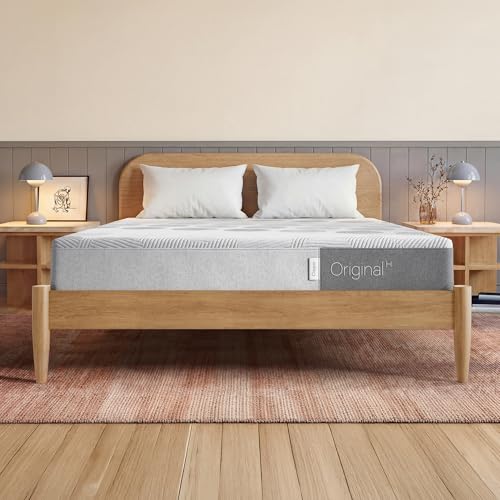
Which Casper mattress should you buy? Compare the lineup by construction, firmness, cooling and price to match your sleep position and budget.
Casper keeps its lineup small, yet choosing between an all foam model, a hybrid, and a cooling version can still feel confusing when every product page uses similar comfort language. This guide explains how the lines differ, so you can match one to your sleep position, body weight, and budget. If you want to find the best casper mattress for your bedroom, start with the comparison table below, then read the sections on feel, support, and temperature control.
Compare the lineup by construction and firmness rather than by marketing names. By the end, you will know which type suits a side sleeper, which suits a heavier back sleeper, and where the extra money for cooling features actually goes.

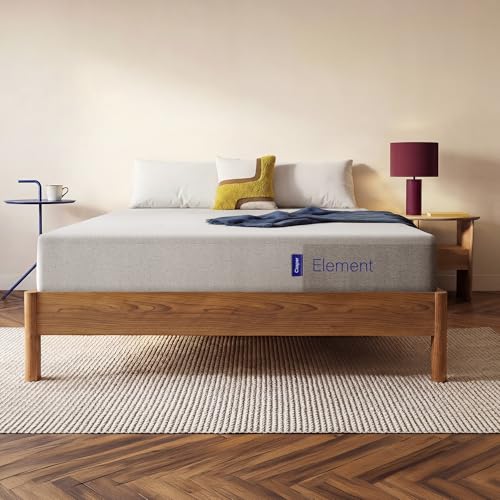


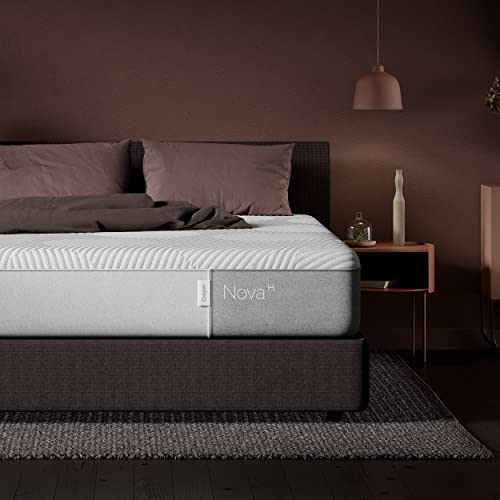
Casper Mattress Types at a Glance
Casper sells three broad types, and nearly every model in the range fits one of them. The all foam type uses stacked foam layers over a firm foam base, and it gives the closest, most cushioned feel. The hybrid type swaps the foam base for pocketed coils, which adds bounce, airflow, and stronger edges. The cooling hybrid type builds on the hybrid design and adds heat drawing cover fabrics and foam treatments aimed at warm sleepers.
Within each type, you will usually find a standard version and a taller, more supportive version with extra layers. The taller versions cost more and suit heavier bodies or people who want a deeper, more lifted feel. If you are still deciding between constructions in general, our overview of hybrid vs memory foam explains how coil and foam bases differ in motion control and durability.
- All foam type: quiet, close contouring, and the lowest prices in the range.
- Hybrid type: more responsive, easier to move on, and better edge support.
- Cooling hybrid type: the same coil support with fabrics and foams chosen to pull heat away from the surface.
- Taller support versions: thicker layers and firmer zoning for heavier sleepers and combination sleepers.
How to Compare Casper Mattresses
Compare each Casper line against the same five criteria, using manufacturer specifications and patterns in buyer feedback. Start with comfort and support, because a mattress that sags under your hips fails no matter what else it offers. Next come materials and certifications, then temperature regulation, then durability signals such as coil counts and foam density where brands publish them.
Finally, weigh trial terms and warranty coverage, because a generous home trial lowers the risk of a blind online purchase. The best casper mattress overall is the one whose type and firmness match the sleeper, not the one with the longest feature list.
How to Choose the Right Casper Mattress
Size and Form Factor
Casper models come in the standard sizes, twin, twin XL, full, queen, king, and California king, and most bedrooms are best served by a queen. Measure your room and leave walking space on both sides before you size up, because a king in a tight room makes bed making and sheet changes awkward. Twin XL pairs let partners form a split king on adjustable bases, so each side can raise the head independently. Guest rooms and kids rooms usually do fine with a full or twin, which keeps the cost down.
Type and Construction
Construction shapes almost everything about how a mattress feels. Foam layers contour closely and absorb movement, so a restless partner disturbs you less, but the surface can feel slow to respond when you change position. Hybrid models add pocketed coils that push back as you move, and that spring makes turning over and getting out of bed easier. Innerspring designs from other brands feel bouncier still, while latex feels springy without coils. Casper focuses on foam and hybrid builds, so choose foam for quiet contouring and hybrid for lift and airflow.
Features Worth Paying For
Some upgrades earn their price and some do not. Strong edge support matters if you sit on the side of the bed to dress or share the full surface with a partner, and coils deliver it better than foam alone. A cooling cover is worth funding if you already sleep warm, while a pillow top style comfort layer suits sleepers who want softness on top of firm support. Zoned support, where the center of the bed feels firmer than the ends, helps keep hips level. Decorative stitching and extra marketing layers add cost without changing your sleep.
Sleep Position and Body Type
Your sleep position decides where the mattress must give and where it must hold. Side sleepers need cushioning at the shoulder and hip, so the softer end of the range usually suits them, a point we expand in our guide to the best mattress for side sleepers. Back sleepers need the opposite balance, with firm support under the lower back, and stomach sleepers need the firmest surface of all to stop the hips sinking. Heavier sleepers compress foam more, so they usually do better on hybrid builds and taller models.
Persistent aches deserve care rather than guesswork. If you wake with numb arms, new hip pain, or back pain that eases once you are up and moving, the fit of the mattress is worth reviewing, and our guide to the best mattress for back pain covers alignment in more depth. See a doctor or physical therapist if pain is sharp, follows an injury, comes with weakness or numbness in a leg, or does not settle, because no mattress can treat a medical problem.
Materials and Certifications
Casper builds its beds mainly from polyurethane foams, with coils added in the hybrid lines. Look for the CertiPUR US label, which means the foam was checked for certain emissions and content standards and made without ozone depleters. Some covers and textiles in the wider market carry OEKO TEX certification, which screens fabrics for harmful substances. Certifications do not tell you how a bed feels, but they give you a baseline of material safety while you compare comfort. If a listing omits certification details, check the manufacturer site before ordering.
Cooling and Breathability
Foam holds heat more than coils do, simply because air moves slowly through dense layers. Hybrid models run cooler for most people because the coil unit lets air circulate under the comfort layers. The cooling versions go further with cover fabrics that feel cool on contact and foams designed to move heat away from the body. Room temperature, bedding, and your mattress protector still matter as much as the bed itself, so pair any warm sleeping setup with breathable cotton or moisture wicking sheets before you blame the mattress.
Trial Period and Warranty
Online mattress brands compete on home trials, and Casper built its name on this model. Read the trial terms before you buy, including how many nights you must keep the bed before a return is allowed, since most bodies need two to four weeks to adjust to a new surface. Check who arranges pickup on a return and whether fees apply. Warranty length sounds generous across the industry, but the details matter more, such as how deep a body impression must be before it counts as a defect.
How Much Should You Spend?
Queen prices for Casper roughly fall into bands. Around $450 to $900 usually buys the entry foam model, which suits guest rooms and lighter sleepers. About $1,200 to $1,500 covers the Original foam and hybrid models, the range most couples end up considering. Above about $1,700, you are paying for cooling fabrics, taller builds, and firmer zoning rather than basic support. Sales run often, so treat list prices as a ceiling and time your purchase around holiday promotions when you can.
The Casper Mattress Lineup Explained
Think of the lineup as a ladder. The entry rung is the all foam line, aimed at buyers who want the classic Casper feel at the lowest price, and it works well for single sleepers and guest rooms. The middle rungs are the standard hybrids, which add coils for support and airflow and suit the widest range of couples. The cooling hybrids sit above them for hot sleepers who have already tried breathable bedding without success.
At the top sit the taller versions, with more foam, stronger zoning, and firmer support for heavier bodies. Moving up the ladder adds support and features, not automatic comfort, so a lightweight side sleeper may genuinely sleep better on a mid range model than on the flagship. If you want to compare Casper against the wider market before deciding, start with our roundup of the best mattress options across brands and constructions.
FAQ
What is the best casper mattress for couples?
Most couples do best on a hybrid model in a queen or king size. The coil base limits the dip each person feels when a partner rolls over, and stronger edges let both of you use the full width of the bed. If one partner runs hot and the other does not, a cooling hybrid usually keeps both comfortable without separate bedding layers. Split king setups solve the remaining disagreements, since each side can pair with its own adjustable base settings.
Is Casper a good mattress brand?
Casper is one of the brands that made buying a mattress online normal, and its range is built around simple choices rather than dozens of near identical models. Buyers generally praise the easy delivery and trial process, while complaints tend to focus on firmness surprises, which is common for every online brand. Treat any casper mattress review you read with care, and weight recent buyer feedback for the exact model and size you plan to order.
How long does a Casper mattress last?
Expect about seven to ten years of comfortable use, with hybrid models often outlasting entry foam ones because coils resist deep body impressions. Rotating the bed head to foot every few months spreads wear across the surface. When the time finally comes to move on, our guide on how to get rid of a mattress walks through donation, recycling, and retailer haul away options so the old bed does not end up as a curbside problem.
How do you clean a Casper mattress?
Blot spills quickly with a clean cloth and a small amount of mild detergent, then let the spot dry fully before you remake the bed, since trapped moisture invites odors. Vacuum the surface with an upholstery attachment each time you change sheets to lift dust and skin cells. For a full routine, including stain types and protector advice, follow our step by step guide on how to clean a mattress. Never soak foam layers or use harsh bleach, which breaks foam down.
Can you flip a Casper mattress?
No, Casper mattresses are built to sleep on one side only, with comfort layers on top and the support core underneath. Flipping one would put the firm base against your body and the soft layers where they cannot support you. Rotation is the right substitute, a half turn every three to six months, and it evens out the impressions left by two sleepers of different weights. Check the label on your model if you are unsure which end is the head.
Final Thoughts
The right choice comes down to type, firmness, and budget rather than the longest feature list. Foam suits quiet contouring, hybrids suit support and airflow, and cooling hybrids suit warm sleepers who need more help. Whichever rung of the ladder you pick, use the trial period honestly and judge the bed after a few weeks, not the first night. Check the product table above once more, and you will be close to the best casper mattress for the way you actually sleep.


