
Best Carpet Tiles in 2026: Which Type Is Right for You?
Disclosure: We may earn a commission when you buy through links on this page, at no extra cost to you. As an Amazon Associate I earn from qualifying purchases. Learn more
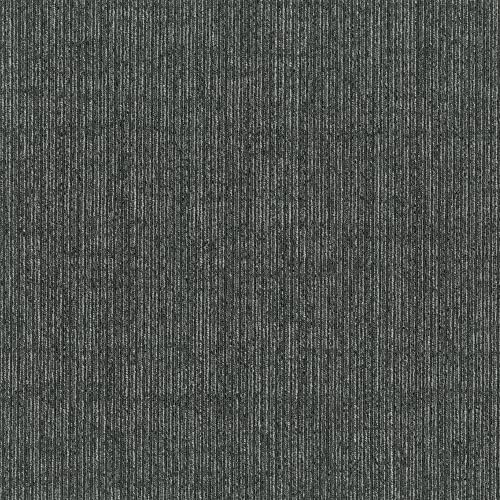
The best carpet tiles depend on traffic, moisture and cleaning habits; compare premium, mid range, budget and compact types before you measure.
Carpet tiles look simple, but the choice between a plush bedroom tile, a tough office tile and a soft play area tile changes comfort, cleaning and durability in a big way. The best carpet tiles for your room depend on foot traffic, moisture, cleaning habits and how the tiles will be fitted around edges and doorways. The table in the first section sets out the main types side by side, so you can compare them before you measure a single room.
This guide explains each type in plain terms, compares premium and budget options directly, and walks through size, backing, safety and care. It also covers measuring, fitting and replacement, which matter more for tiles than for a single roll of carpet. By the end, you should know which type fits your room and your budget, and you can check the product table above to confirm your shortlist.



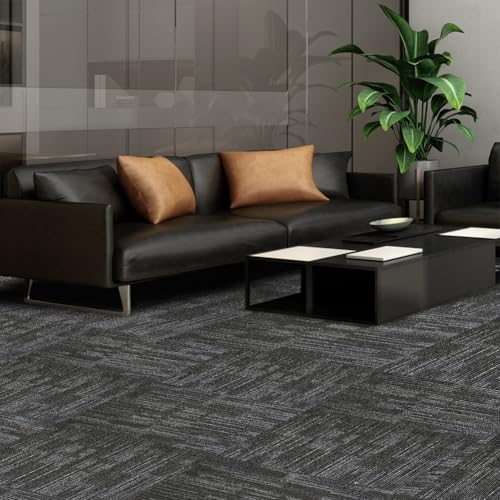

Types of Carpet Tiles Compared
The table below gives a quick view of the main types. Read it as a starting point, then use the sections that follow to check the details that matter for your room.
| Type | Best For | Pros | Cons | Typical Price |
|---|---|---|---|---|
| Premium options | Busy living areas and offices | Dense pile, strong backing, better wear | Higher cost, heavier to move | around $4 per tile |
| Budget options | Spare rooms and short term use | Low cost, easy to replace | Thinner pile, faster wear | around $2 per tile |
| Mid range options | Bedrooms and family rooms | Good comfort and fair durability | Not ideal for very heavy traffic | around $3 per tile |
| Compact options | Small rooms and play areas | Easy to fit, light to handle | More seams in large rooms | around $3 per tile |
Premium Options
Premium carpet tiles use a denser pile and a sturdier backing, which helps them hold shape under chairs, foot traffic and frequent cleaning. They often feel softer underfoot and resist matting better than thinner tiles, which matters in hallways and living areas that see daily use. The higher price makes sense when the floor will stay in place for years and replacement would be disruptive. Check the backing type, pile height and cleaning guidance before you buy, since a premium tile still needs the right care to last.
Budget Options
Budget carpet tiles suit spare rooms, rental spaces and short term projects where low cost and easy replacement matter most. They are lighter to carry and simpler to fit, which helps first time installers. The trade off is a thinner pile that may show wear sooner in busy areas, so avoid budget tiles for main walkways if you can. Buy a few spare tiles at the start, because matching a discontinued color later can be difficult.
Mid Range Options
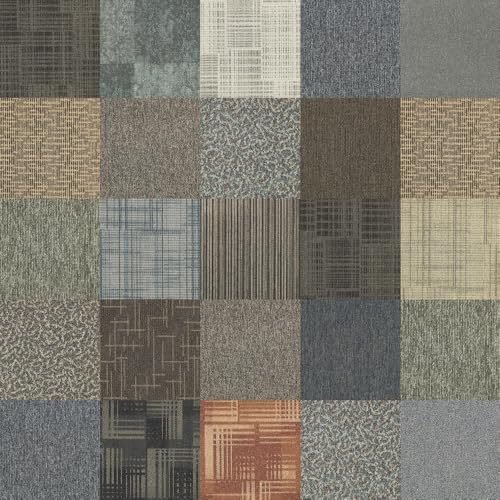
Mid range carpet tiles give a useful middle ground: decent comfort, fair durability and a price that suits most bedrooms and family rooms. They handle everyday traffic well, and many offer a good range of colors and textures for a lived in look. They may not match premium tiles for crush resistance in a busy office, but they hold up well under normal home use. For most buyers, this range is the safest starting point.
Compact Options
Compact carpet tiles are smaller or lighter tiles that suit small rooms, awkward corners and play areas where full size tiles would need many cuts. They are easier to lift, move and replace, which helps when a single tile gets stained or damaged. In a large room, however, more seams can make the floor look busier and take longer to fit. Use compact tiles where flexibility matters more than a seamless look.
Premium Options vs Budget Options: Which Should You Choose?
Compare the two on five points: pile density, backing strength, comfort, wear in traffic and cost over time. Premium tiles win on density, backing and wear, and they usually feel better underfoot. Budget tiles win on upfront cost and easy replacement, which matters when the room use may change soon.
For a main living area or a home office, premium or mid range tiles usually give better value over several years. For a spare room, a short term rental or a trial layout, budget tiles make more sense.
How to Choose the Right Carpet Tile
Use the factors below as a checklist. Measure first, then match the tile to the room, not the other way around.
Size, Weight, and Fit for Your Space
Measure the room in both directions, note doorways, vents and fixed furniture, and add spare tiles for cuts and future replacement. Standard square tiles fit most rooms well, but a small room with many corners may need extra cutting. Heavier tiles stay flatter under chairs, while lighter tiles are easier to lift and move.
If you plan to cut tiles around edges, see our guide to best tile cutters for the tools and care that make clean, safe cuts. Always check the tile size against your room plan before ordering.
Intended Use and Who It Is For
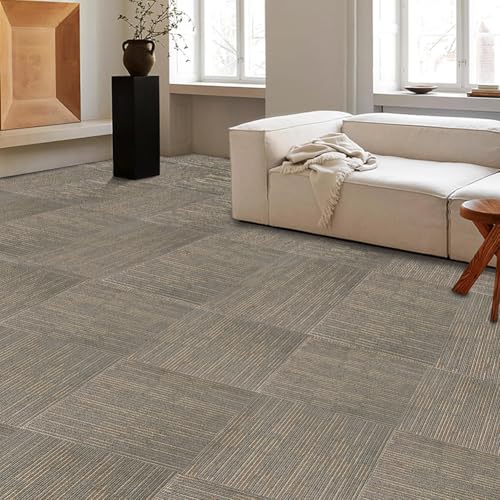
A bedroom tile should feel soft and quiet, while an office tile should resist chair wheels and frequent cleaning. Play areas need a forgiving surface that is easy to spot clean and replace tile by tile. Renters may prefer tiles that lift without damage, while homeowners may accept a more permanent fit.
If the room serves as a bedroom, see our guide to best bedroom carpet to compare tiles with broader carpet choices for comfort and warmth. Match the tile to the main use of the room, not to a single feature.
Safety and Certifications
Check the maker guidance on backing, slip resistance and low pile height near doorways, where a raised edge can catch a foot. Look for clear notes on fire ratings and indoor air guidance where the maker provides them, and follow local rules for commercial or rental spaces. Keep transitions flat between rooms, and use the maker recommended adhesive or grip system rather than improvised tape. If anyone in the home has dust sensitivity, check the cleaning guidance and vacuum advice before you commit.
Build Quality and Materials
Pile fiber, backing and edge finish decide how a tile wears, cleans and stays flat. Nylon and similar fibers often resist crushing better, while softer fibers may feel nicer but show traffic sooner. A firm backing helps the tile lie flat and resist curling at the corners.
Check the edge finish too, since frayed or uneven edges make seams more visible and harder to clean. Ask for a sample when possible, and try it under a chair leg and a vacuum before ordering a full room.
Ease of Use and Setup
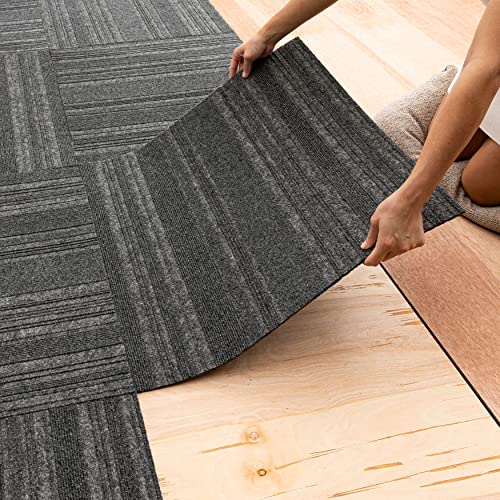
Most carpet tiles suit a careful do it yourself fit, but the method matters. Loose lay tiles with a grip backing are easiest to move and replace, while adhesive backed tiles give a firmer hold in busy areas. Plan the layout from the center of the room outward, so cut tiles at the edges stay balanced. Leave spare tiles from the same batch for later repairs, and keep the room dry during fitting so adhesive and backing bond as the maker intends.
How to Make Your Carpet Tile Last Longer
Read the maker manual before first use, and follow its cleaning and care notes for your tile type. Vacuum regularly with a setting suited to the pile height, and clean spills promptly before they set into the fibers. For routine cleaning, see our guide to best vacuums for tile and carpet to match suction and brush settings to your tiles.
Rotate loose tiles from busy paths to quieter spots when the layout allows it, and replace a worn tile early rather than letting damage spread. Store spare tiles flat in a dry place, away from heat and moisture, so they stay ready for repairs.
For ongoing freshness, a carpet freshener can help between deep cleans, but use it as the maker directs and try it in a hidden spot first; see our guide to best carpet freshener for the types that suit tile floors. Avoid soaking tiles, since excess water can reach the backing and subfloor. Check edges and seams every few months, press down any lifting corner, and keep heavy furniture on pads to spread the load.
Carpet Tiles: Your Questions Answered
How long does a carpet tile last?
A carpet tile usually lasts about five to ten years in a home, depending on traffic, cleaning and tile quality. Busy hallways and offices wear faster than spare bedrooms, and a single damaged tile can be replaced without redoing the whole floor. Regular vacuuming, prompt spill cleaning and rotation of loose tiles all extend the life of the floor. Keep spare tiles from the same batch, since color matching later can be difficult.
What features matter most when buying carpet tiles?
Pile density, backing strength, size and ease of replacement matter most, because they decide comfort, wear and repair cost. A dense pile resists matting, a firm backing keeps the tile flat, and a standard size makes future replacement simple. Also check cleaning guidance, edge finish and whether the tile suits your room type. A tile that scores well on those points will usually outlast a cheaper tile with a nicer color.
How much should I spend on a carpet tile?
Most buyers spend about $2 to $4 per tile, depending on type and quality, plus adhesive or grip materials where needed. Budget tiles suit short term rooms, mid range tiles suit most bedrooms and family rooms, and premium tiles suit busy areas that need longer life. Measure the room carefully, add spares for cuts and repairs, and compare the total room cost rather than the single tile price alone.
Are expensive carpet tiles worth it?
Expensive tiles are worth it when the room sees heavy traffic and the floor must last for years without frequent replacement. The denser pile and stronger backing show their value in hallways, offices and living areas. For a spare room or a short term layout, a budget tile gives a similar look at lower cost. Spend more only when durability and long term appearance clearly matter for that room.
How do I maintain a carpet tile?
Vacuum regularly, clean spills promptly, and follow the maker guidance for your pile type and backing. Use a gentle cleaner suited to carpet fibers, try it in a hidden spot first, and avoid soaking the tile. Replace a stained or worn tile early, and keep spares flat in a dry place for future repairs. Check seams and edges every few months, and press down any corner that starts to lift.
Final Thoughts
Start with the room: traffic, moisture and cleaning habits should decide the type, and price should follow from there. Mid range tiles suit most homes, premium tiles suit busy areas, and budget tiles suit short term rooms. Measure carefully, keep spares, and fit from the center outward for a balanced result. The best carpet tiles are the ones that stay flat, clean well and can be replaced tile by tile, so check the product table above before you order.


