Best Carpet for Bedrooms and Hallway: A Room-by-Room Buying Guide
Disclosure: We may earn a commission when you buy through links on this page, at no extra cost to you. As an Amazon Associate we earn from qualifying purchases. Learn more
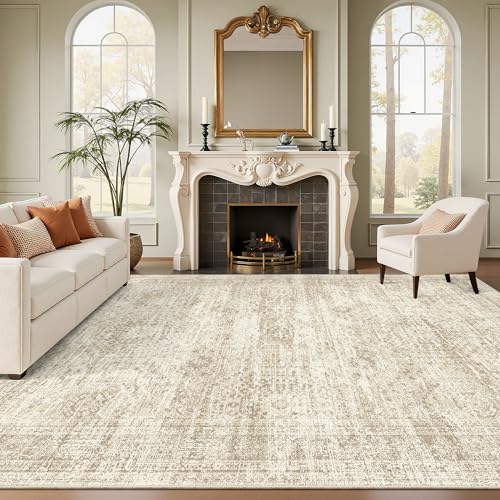
Bedrooms and hallways ask a carpet to do two almost opposite jobs. A bedroom carpet mostly needs to feel good underfoot, muffle sound, and hold warmth on a cold morning. A hallway carpet gets stepped on dozens of times a day and has to shrug off dirt, grit, and constant foot traffic without flattening or staining. Picking the best carpet for bedrooms and hallway spaces at the same time means understanding where those two needs overlap and where they pull in different directions. This guide breaks down fiber choices, pile styles, padding, and whether you really need matching carpet throughout, so you can make a decision that holds up in both rooms.
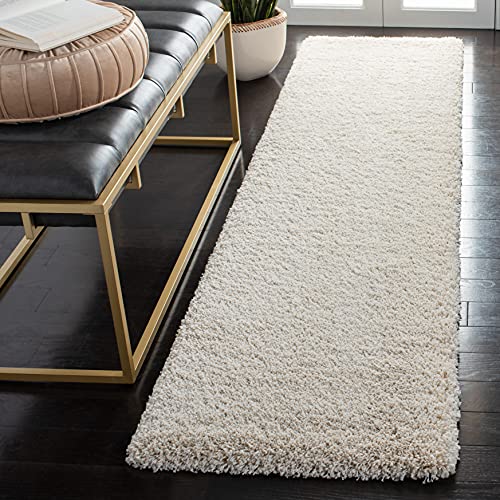


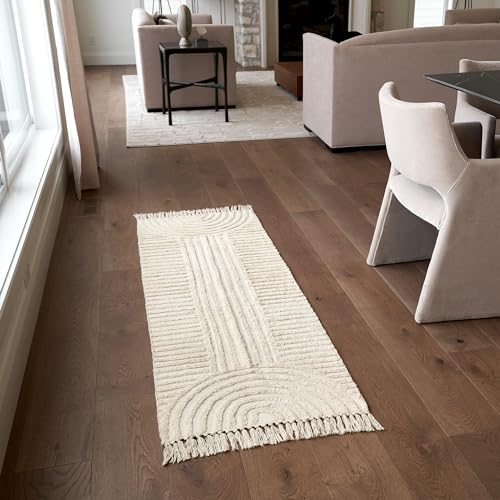
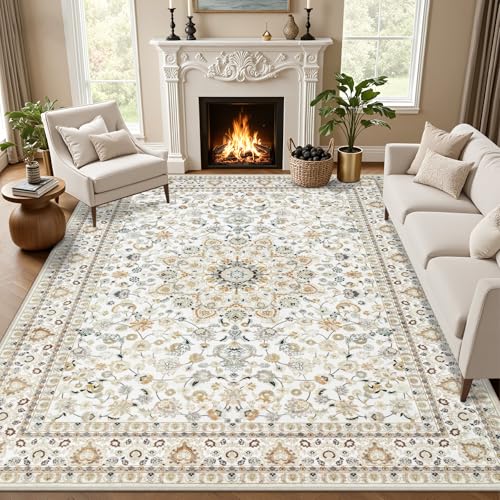
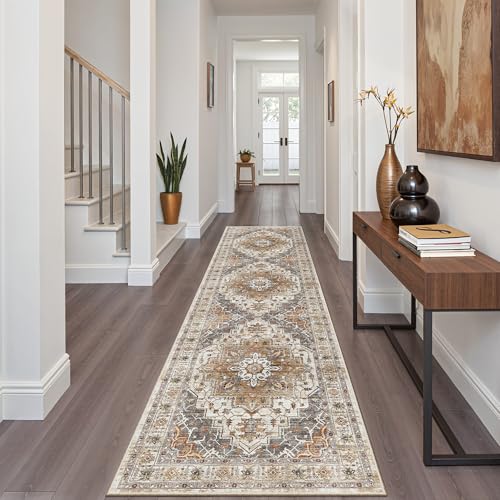
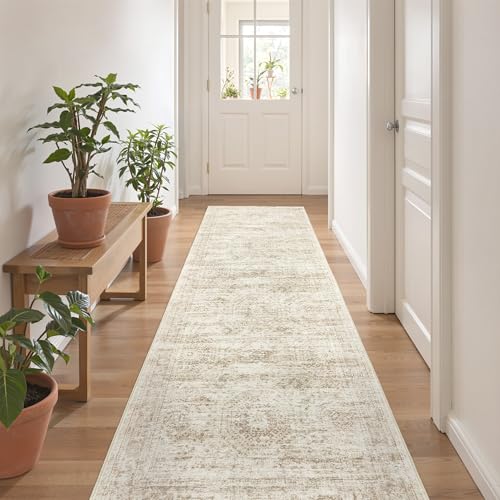

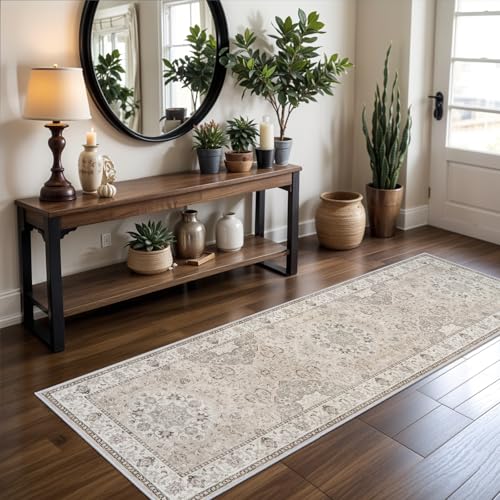
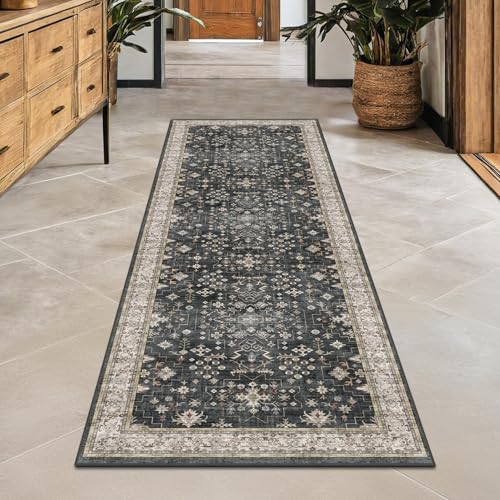
What Makes a Bedroom Carpet Comfortable and Quiet
A bedroom is usually the lowest-traffic room in the house, which gives you room to prioritize comfort over sheer toughness. Bedroom carpet options with a longer, denser pile, like plush or Saxony styles, feel soft and cushioned underfoot because the fibers are cut evenly and packed closely together. A pile weight in the 45 to 55 ounce range is a reasonable comfort benchmark for a primary bedroom, since anything lighter can feel thin and anything much heavier is overkill for a room you mostly walk across barefoot.
Fiber matters here too. Wool has a natural softness and warmth that synthetic fibers struggle to match, though it usually costs more. Polyester has closed the gap significantly and is now one of the most popular fiber choices for bedrooms because it feels soft, resists fading, and costs less than wool.
Sound and temperature are worth thinking about as well. A thicker carpet does a genuinely good job of absorbing footsteps and muffling noise between floors, which matters if the bedroom sits above a living space or shares a wall with a home office. It also adds a layer of insulation that keeps floors warmer in winter, something hard flooring simply cannot offer in a room you walk across barefoot first thing in the morning.
What a Hallway Carpet Needs to Survive Daily Traffic
A hallway carpet lives a much harder life. It gets crossed dozens of times a day by shoes, pets, and dropped bags, so durability and stain resistance matter more than plushness. Low pile, twist, and looped Berber styles hold up best here because the shorter, tightly packed fibers resist crushing and keep their texture instead of matting down into visible traffic paths.
Fiber choice shifts too. Nylon is generally considered the most durable synthetic fiber for high-traffic spots and keeps its shape and color well over years of use. Triexta, a newer fiber built from a blend of materials, resists stains exceptionally well and holds up to heavy foot traffic almost as reliably as nylon. Wool also performs surprisingly well in hallways since its natural fibers resist crushing, though it comes at a higher price point than most synthetics.
Color and pattern choices help hide wear too. A subtle fleck, tweed, or mid-tone color hides dirt, pet hair, and the occasional stain far better than a flat, solid light color, which tends to show every mark within months in a space this busy. If your hallway connects to an entryway, treat that stretch as the toughest test of the whole carpet and choose accordingly.
Fiber and Pile Style: Matching the Carpet to the Room
Once you understand what each room demands, it helps to see the main options side by side.
- Plush or Saxony (cut pile): Smooth, dense, and soft underfoot. Excellent for bedrooms, but shows footprints and vacuum marks, and it flattens faster under heavy hallway traffic.
- Frieze (twist pile): Fibers are twisted tightly so they curl in different directions, which hides footprints and vacuum lines. Works well in either room, especially if you want one carpet style for both.
- Berber or level loop: Looped rather than cut fibers create a dense, low-profile surface that resists crushing. A strong pick for hallways, though a snag from a pet claw can pull a loop.
- Carpet tiles or squares: Individual sections can be lifted and swapped when one spot wears out or stains, which is genuinely useful in a hallway that takes the brunt of daily traffic. Our guide to choosing carpet squares covers sizing and installation if this route interests you.
For carpet fiber choices, nylon and triexta suit hallways best because of their resilience, while wool and polyester suit bedrooms best because of their softness and warmth. If you want a single fiber for the whole floor, nylon is the most forgiving compromise. It is not as plush as polyester in a bedroom, but it is far more durable than polyester in a hallway, so it splits the difference reasonably well.
Padding Choices for Each Space
Carpet padding, more than most homeowners expect, changes how a carpet feels and how long it lasts. Bedrooms can handle thicker, softer padding, generally up to about 7/16 inch, because light foot traffic will not compress it out of shape. A 6 to 8 pound density pad adds a cushioned, hotel-like feel that suits a room where comfort is the priority.
Hallways need the opposite. A thinner pad, closer to 3/8 inch, paired with a firmer, denser rating keeps the carpet stable underfoot and prevents the wrinkling and premature wear that comes from too much give in a high-traffic zone. Padding that is too thick and soft in a hallway lets the carpet flex with every step, which stretches the backing and shortens its lifespan considerably.
This is one area where it rarely makes sense to use the exact same product throughout the house, even if the carpet on top matches. Our carpet padding buying guide goes deeper into pad thickness and density ratings by room if you want to fine-tune this further.
Should the Bedroom and Hallway Carpet Match?
Plenty of homeowners assume hallway and bedroom carpet should match for a unified look, but flooring pros generally agree it is not necessary, which is really the central question behind choosing the best carpet for bedrooms and hallway spaces at once. Stairs and hallways wear out first because they absorb the most foot traffic, while bedroom carpet can last years longer under much lighter use. Installing a tougher, more expensive carpet in the hallway and a softer, more budget-friendly option in each bedroom often makes more practical sense than paying for hallway-grade durability in a room that barely sees foot traffic.
That said, matching colors or staying within the same tone family across adjoining spaces still creates a cohesive look, even when the pile style or fiber differs. A frieze or twist pile in a neutral shade, for example, can visually connect a hallway and bedroom while letting each carpet use a construction suited to its own traffic level.
If cost is the deciding factor rather than room-specific performance, it is worth comparing options through a value lens first. Our budget carpet buying guide breaks down where you can save without giving up much durability.
Frequently Asked Questions
What pile height is best for a bedroom carpet?
Most bedrooms do well with a medium to high pile, roughly half an inch to three quarters of an inch. That range feels soft underfoot without becoming so deep that furniture legs sink in or vacuuming becomes difficult.
Is Berber carpet good for a hallway?
Yes. Berber's tight loop construction resists crushing and holds up well under repeated foot traffic, making it one of the more popular choices for hallways, though it can snag if a pet claw catches a loop.
Do bedroom and hallway carpet need to match?
No. Many homes use a tougher carpet in the hallway and a softer one in bedrooms since traffic levels differ so much. Matching the color family is enough to keep the look cohesive without matching the exact product.
How thick should carpet padding be in a hallway?
Around 3/8 inch with a firm, dense rating works best. Thinner, firmer padding keeps the carpet stable under heavy traffic, while thicker padding can cause premature wrinkling in a busy hallway.
Is nylon or wool better for a high-traffic hallway?
Both perform well. Nylon is the more affordable, widely available option with excellent durability, while wool offers similar resilience with added softness but usually costs more.
Does bedroom carpet help with noise and warmth?
Yes. A thicker pile absorbs footsteps and muffles sound between floors, and it adds a layer of insulation that keeps the floor warmer than hard flooring, especially in colder months.
How often does hallway carpet need to be replaced compared to bedroom carpet?
Hallway carpet typically wears out noticeably faster because of constant foot traffic, sometimes needing replacement years before bedroom carpet in the same house shows similar wear.
Making the Right Choice for Your Home
There is no single carpet that is automatically right for both spaces. Bedrooms reward comfort, warmth, and quiet, so a plush or Saxony pile in wool or polyester tends to feel best. Hallways reward toughness and stain resistance, so a low pile, Berber, or nylon and triexta blend tends to last longer. Choosing the best carpet for bedrooms and hallway areas usually means accepting that one product will not perfectly serve both jobs, and that is fine. Match the pad and fiber to how each room is actually used, keep colors in the same family if a unified look matters to you, and prioritize durability wherever the traffic is heaviest.