
Best Card Sets for Cards Against Humanity for 2026: Types Compared and How to Choose
Disclosure: We may earn a commission when you buy through links on this page, at no extra cost to you. As an Amazon Associate I earn from qualifying purchases. Learn more

Compare expansion card sets for this party game by type, group size, and budget, with clear buying tips on content, card quality, and lasting value.
Shopping for expansion and companion card sets for this party game gets confusing fast. Boxes differ in size, theme, tone, and how well they blend with the base game you already own. Some add a few dozen cards, others add hundreds, and the humor ranges from mild to very much adults only. This guide compares the main types side by side so you can pick the best card sets for cards against humanity for your group, your sense of humor, and your budget, without buying a box your friends will groan at.
The product table lists current expansions. As you read, think about who actually sits at your table, because the best sets of cards against humanity for one group can flop with another.


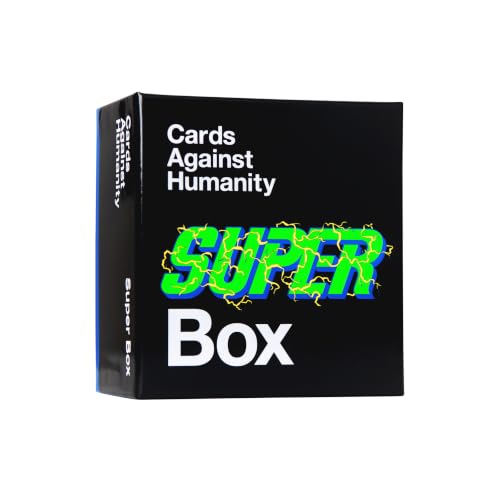


Types of Card Sets Compared
Three broad types cover most of the market. Compact options are small themed packs that slip into a bag and refresh a tired base game. Budget options deliver a large card count for a low price, often from third party makers. Mid range options are the bigger official style expansions with hundreds of cards and the closest match in tone and card stock. Prices run from under $10 for a small pack to around $25 to $40 for a large expansion, so the real question is fit, not just cost.
Compact Options
Compact packs usually hold about 30 to 100 cards built around one theme, such as a holiday, a decade, or a fandom style topic. They work by mixing straight into your existing deck, where a small number of fresh prompts and answers can revive a game night because players have not memorized them yet. The strength is portability and focus. A themed pack lets you match the night, and it travels easily to a cabin or a friends apartment.
The limit is lifespan. A small pack gets memorized quickly if your group plays often, and a narrow theme can feel repetitive in a single long session. Compact options suit casual groups, gift buyers, and anyone who plays a few times a year and wants novelty without a big spend. Rotate two or three small packs and each one stays fresher far longer than one pack played every week.
Budget Options
Budget sets compete on count, often promising several hundred cards for under $15. Many come from independent makers rather than the original publisher, and they aim to copy the format: black prompt cards with blanks and white answer cards with short punchy text. The upside is obvious value per card and a fast way to bulk up a deck for a large party.
The trade offs are consistency and polish. Print quality, card thickness, and editing vary, and the jokes can swing between sharp and flat within one box. Humor is also less tested, so a budget box carries more risk of cards that land badly with your group. Budget options suit big gatherings, college style parties, and hosts who want volume for a one night event. Read recent buyer comments about print errors and duplicate cards before you commit, because quality control is where cheap sets most often cut corners.
Mid Range Options
Mid range expansions are the large curated boxes, typically 300 cards or more, designed to blend seamlessly with the base game in card size, stock, and comedic voice. They work as a true deck expansion: shuffle them in and the game feels bigger rather than patched together. This is the type most repeat players end up happiest with, because the hit rate of funny cards is higher and the mix of prompts to answers is balanced by people who know the game well.
The downside is price and commitment. A mid range box costs about as much as some full games, and if your group rarely plays, it may sit on a shelf. This type suits regular game night hosts and groups who have played the base game enough to repeat cards from memory. If that sounds like your table, one strong mid range expansion beats three forgettable cheap ones.
Compact Options vs Budget Options: Which Should You Choose?
Compare these two on five points. For freshness per dollar, compact packs win early because every card is new and themed, while budget boxes include more filler. For total content, budget sets win by a wide margin. For quality control, compact official style packs are more consistent, while budget quality swings from box to box. For portability, compact wins easily. For group size, budget sets serve a crowd better, since more answer cards keep large games from cycling too fast.
Choose compact if your group is small, your play is occasional, and you want a specific theme. Choose budget if you host many players and need card volume more than polish. Many hosts end up with both: a budget box for the big annual party and compact packs for regular nights. If you collect other card games as well, our guide to best card sets covers how to judge print quality and value across types.
How to Choose the Right Card Set
Features That Matter for Cards Against Humanity
This game lives or dies on card text, so content fit is the first feature. Check the age rating and take it seriously: the humor is adult, and a set that suits a bachelor party will not suit a family gathering with teens present. Look at the ratio of prompt cards to answer cards, because a set heavy on answers but light on prompts runs dry in a long game. Card dimensions should match your base deck so shuffling feels even. Themed sets should also say whether they need the base game, since nearly all of them do, and a gift buyer who misses that detail gives a box that cannot be played alone.
Key Performance Specs
For a paper card game, the specs are card count, card size, stock, and finish. A standard card size that matches the base game matters most, because mixed sizes shuffle badly and give away which cards came from which set. Thicker stock with a smooth finish survives drinks, snacks, and repeated shuffling better than thin matte cards. Print contrast matters too: white text on black prompt cards must stay readable in dim party lighting. Count blank cards as a small bonus, since a few writable cards let your group add inside jokes, which often become the most loved cards in the deck.
Intended Use and Who It Is For
Match the set to your actual players. A tight group of close friends can handle the sharpest humor and will love themed packs built on shared references. A mixed group of coworkers or new partners needs a milder set, and some groups do better with a family oriented alternative game entirely. Consider group size as well. Games with three or four players burn through prompt cards slowly, so a compact pack stretches further, while parties of eight or more need the answer card volume of a large box. Think about the host too: if you always host, your deck is the groups deck, and buying for your regulars beats buying for a crowd you see once a year.
Price vs Value
Judge value by cost per play, not cost per card. A compact pack at under $10 that enlivens four game nights is excellent value. A large budget box at about $15 looks cheap per card, but if half the cards fall flat and get culled, the real value halves too. Mid range boxes at about $25 to $40 earn their price when your group plays monthly or more. Watch for sales around holidays, when card games are discounted often. One more value tip: a set your group quotes at brunch the next day is worth more than a bigger set nobody remembers. Novelty fades, but a few legendary cards carry a deck for years.
Choosing Card Sets for Your Situation
Card Sets for Cards Against Humanity Online
For online play, the physical box matters less than digital access and clear card text. Online versions of the game use digital decks, so look for sets whose content appears in the digital edition you and your friends use, and favor sets with short, readable card text that works on a phone screen. Themed compact content often shines online because a focused deck keeps remote games tight. Confirm every player can join the same platform and version before you plan a night around a specific set.
Card Sets With Digital Access Codes
Sets sold with digital access codes add a redemption step, so judge them on code clarity and support. The code should be printed inside the box or on a card, with plain instructions and no expiry surprise. Buy from sellers who state whether a code is included and unused, because a resold box may carry a redeemed code. If digital play is your main goal, a set with a working code beats a slightly larger box without one. Keep the code card with the box so it does not get lost between game nights.
How to Make Your Card Set Last Longer
Cards wear out from shuffling, spills, and bent corners, so a few habits add years to a deck. Keep drinks in closed containers near the play area and ask players to set cups away from the card piles. Store the box in a dry place, upright, out of direct sun, since humidity warps cards and sunlight fades print. Shuffle gently with a riffle on a soft surface rather than forcing stiff new cards. If your group plays often and eats while playing, card sleeves are a cheap upgrade that makes sticky cards a non issue. Finally, cull cards your group dislikes into a separate envelope instead of throwing them away, because tastes change and a retired card sometimes returns as a favorite.
FAQs
What features matter most in card sets for cards against humanity?
Content fit matters most: the humor level, theme, and prompt to answer ratio must suit your group. After that, check that card size and stock match your base deck so shuffling stays fair and smooth. Among the best sets of cards against humanity, the ones groups keep are rarely the biggest; they are the ones whose jokes match the table.
How do I maintain a card set?
Store cards dry, flat, and out of sunlight, and keep food and open drinks away during play. Sleeve a favorite deck if your group plays weekly. Sort cards back into prompts and answers after each game so the next session starts fast. If a card gets damaged, pull it from the deck, because one bent card becomes a marked card everyone can spot.
What features matter most when buying card sets in general?
Count, compatibility, and print quality lead the list. Confirm the set works with the base game you own, that the card size matches, and that recent buyers report clean printing without duplicates or miscuts. Our guide to best magic card sets shows how collectors weigh the same print quality questions in a very different game, and the checklist habits transfer well.
How much should I spend on a card set?
Most buyers land between about $10 and $40. Under $10 buys a compact themed pack, about $15 buys a large budget box, and about $25 to $40 buys a major curated expansion. Spend according to play frequency. Monthly players get real value from the top of that range, while twice a year players should stay near the bottom and rotate small packs instead.
How long does a card set last?
A card set lasts for years of normal play, and its real lifespan is set by freshness more than wear. Physically, decent stock survives hundreds of shuffles. Socially, a set feels used up when your group can predict every card, which is why rotating expansions keeps an old base game alive. Players who also follow trading card games can compare collecting habits in our guide to best pokemon card sets, though party game sets need far less protective care.
Our Verdict
Put group fit first, card match second, and price third. Regular hosts should invest in one strong mid range expansion, occasional players should rotate compact packs, and big party hosts can add a budget box for volume. Compare the finalists in the product table, then choose the best card sets for cards against humanity that your actual friends will still be quoting next month.


