
Best Cards Against Humanity Sets for 2026: The Buyer Checklist We Use
Disclosure: We may earn a commission when you buy through links on this page, at no extra cost to you. As an Amazon Associate I earn from qualifying purchases. Learn more

Use this buyer checklist to compare the best cards against humanity sets by card count, player range, expansion fit, print quality, and total price.
Party card games live or die on variety. Once a group has heard the same prompts and answers a few times, the laughs fade and the box gathers dust. That is why the size of the card pool, the player range, and how well expansions fit matter more than the box art.
Rather than chase every new release, this guide gives you the checklist we use to judge the best cards against humanity sets before buying. You will see the thresholds that separate a set your group plays for years from one that feels thin after two game nights, and the product table below shows how the main options stack up.


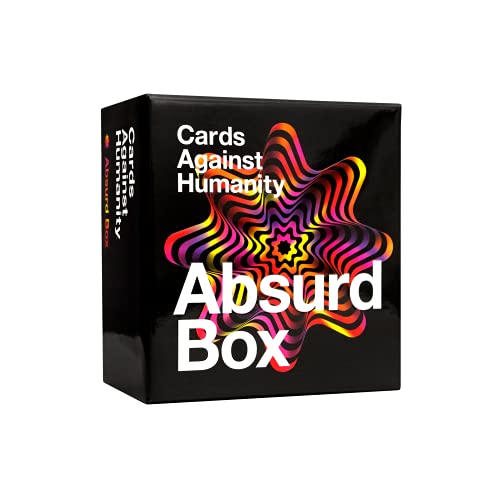
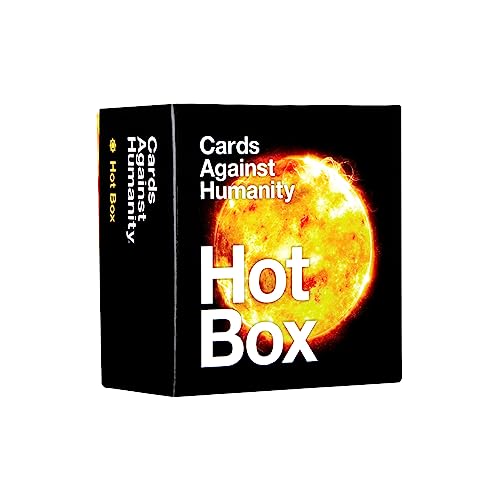


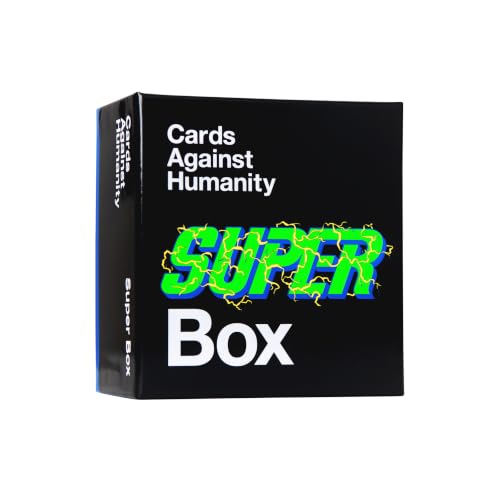
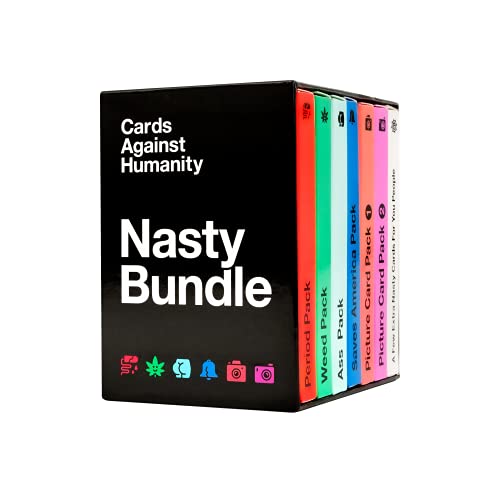
How We Evaluate Cards Against Humanity Sets
Every set gets judged on the same six criteria below. A set does not need to ace all six, but it should never fail the first three, because those decide whether game night actually works.
Intended Use and Who It Is For
Start by naming your group honestly. This is an adult party game built on edgy humor, so it suits grown up game nights, college friends, and bachelor or bachelorette style parties, not family gatherings with kids or grandparents who dislike crude jokes. Group size matters too: the game plays best with about 4 to 10 people, works with more, and feels flat with only 3. Buy for the group you actually host, not the party you imagine hosting once a year.
Maintenance and Long Term Costs
Cards are cheap to maintain, but the long term cost hides in expansions and replacements. A base set can feel fresh for about 10 to 20 sessions before strong cards get memorized, so most owners add an expansion within the first year. Budget for that when comparing prices. Worn or bent cards are hard to replace one by one, so a set printed on sturdy stock saves money later. Sleeves cost a little upfront and protect the cards you use most.
Ease of Use and Setup
A good set should take under two minutes to set up: shuffle, deal ten white cards to each player, pick a starting judge, and play. Rules should fit on a couple of cards or one small sheet, because party games die when someone reads instructions aloud for ten minutes. Clear print, large readable type, and obvious differences between black prompt cards and white answer cards all speed things up. If a set needs an app, a timer, or sorting before play, that friction counts against it.
Key Performance Specs
The specs that matter are card count, card stock, and card size. A healthy base set offers around 500 or more total cards, with enough black prompt cards that rounds do not repeat within one night. Card stock around standard playing card weight with a smooth finish shuffles well and resists bending. Standard poker size cards fit common sleeves and storage boxes. Also check the ratio of prompt to answer cards, since a set heavy on prompts but light on answers runs dry fast.
Price vs Value
Budget options under about $20 usually mean a smaller card pool or a themed mini set, fine as a trial or a travel copy. Mid range sets around $25 to $40 are the sweet spot for a full base game with a deep card pool. Premium bundles around $50 to $90 combine a base set with several expansions and storage, which can beat buying pieces one by one. Judge value by cost per card and by how many sessions the pool can support before repeats pile up.
Warranty and Customer Support
Card games rarely carry long warranties, so support quality shows in smaller ways. Look for a publisher that replaces misprinted or missing cards without a fight, publishes clear contact details, and keeps expansions in print so your set can grow. A missing cards policy matters more than a formal warranty here. Avoid sellers who cannot say who printed the set or where to ask for help, because counterfeit copies with thin stock and blurry print are common in this category.
Three Profiles That Pass Our Checklist
The three profiles below describe what a passing set looks like at each level, without naming specific products. Use them to judge whatever appears in the product table above and in stores.
The Full Size Profile
The full size profile is a full size base set with around 550 to 600 cards, a strong share of prompt cards, and sturdy stock that shuffles smoothly night after night. It supports large groups, mixes well with official style expansions, and holds up to years of play with sleeves. Expect to pay around $25 to $35. The one limitation is content: the humor is firmly adult, so it stays on the shelf when younger or more reserved guests visit.
The Lower Cost Profile
The lower cost profile trades a little depth for a lower price, usually around $15 to $25. You still get a complete, playable game with a few hundred cards, decent stock, and the same two minute setup. It suits smaller groups of 4 to 6 who play a few times a year. The limitation is replay life: repeats show up sooner, so plan on an expansion earlier than with a full size set. For occasional hosts, that trade is often the smart one.
The Compact Profile
The compact profile is a travel or mini edition with around 150 to 300 cards in a small box that fits a tote bag or glove box. It shines on trips, at bars, and as a low cost way to test whether your group enjoys this style of humor before buying big. Expect to pay around $10 to $20. The limitation is session length, since a small pool repeats within a long night, and the card mix may cover fewer topics than a full set.
Quick Buyer Checklist
Run through these yes or no questions before you pay. Mostly yes answers mean the set fits your group.
- Does the card count reach about 500 for a base set, or match the smaller size you actually want?
- Does the player range cover your usual group, ideally about 4 to 10 or more?
- Is the humor level right for the adults you actually invite?
- Do prompt and answer cards come in a balanced ratio, with enough prompts for a full night?
- Will the set accept expansions later, so you can refresh it instead of replacing it?
- Is the card stock thick enough to shuffle well and survive drinks, snacks, and travel?
- Does the seller or publisher offer help for missing or misprinted cards?
- Does the price per card beat buying a smaller set plus an expansion separately?
Red Flags to Watch For
A few warning signs predict disappointment better than any rating badge. Watch for them while you compare listings, including broad roundups like our guide to the best card sets for other game styles.
- Vague card counts, such as "hundreds of cards" with no exact number for prompts and answers.
- No publisher name, no contact route, and no policy for missing or misprinted cards.
- Card stock described only as "premium" with no weight or finish details, a common sign of thin counterfeit print runs.
- A flood of short, similar sounding reviews posted in a tight window, which suggests paid praise rather than real game nights.
- A price far below every comparable set, which usually means fewer cards, weak stock, or a partial set missing its prompt deck.
Tips to Get the Most From Your Cards Against Humanity Set
A few habits keep the game fresh and the cards intact. Read the rules card before the first game so the judge rotation and scoring stay clear when guests arrive. Inspect and wipe cards after game nights where drinks were on the table, and let any damp cards dry flat before boxing them. Store the box upright in a dry place away from sun, since heat and humidity warp card stock. Rotating in one small expansion each season refreshes the pool for less than the cost of a new base set.
Frequently Asked Questions
What features matter most when buying cards against humanity sets?
Card count, prompt to answer ratio, and card stock matter most. Together they decide how many sessions pass before jokes repeat and how well the set survives regular play. Player range comes next, because a set that tops out below your group size leaves people watching. Expansion fit is the final check, since fresh cards are the cheapest way to extend the life of a set your group already enjoys.
How much should I spend on a cards against humanity set?
Most buyers should spend around $25 to $40 for a full base set. That range buys a deep card pool and solid stock. Spend less, around $10 to $20, only for a travel size trial or a spare copy. Spend more only on bundles that add real expansions you will use. Compare cost per card across listings, because a cheap small set plus a later expansion often costs more than one full set bought once.
How long does a cards against humanity set last?
The physical cards can last many years, while the jokes stay fresh for roughly 10 to 20 sessions with the same group. Freshness, not wear, is the usual limit, because players memorize the strongest answers. New players reset the clock, and one expansion can double the useful life of the pool. If your group plays monthly, expect to refresh the set about once a year to keep game night lively.
How do I maintain a cards against humanity set?
Keep cards dry, clean, and stored flat in their box. Wipe sticky cards with a barely damp cloth and dry them fully before stacking. Sleeves are the single best upgrade if your group plays often or near drinks. Count decks after parties with many guests, since stray cards hide under sofas. Collectors of other games use the same habits for sets like the best pokemon card sets, where condition protects value as well as play.
Are expensive cards against humanity sets worth it?
They are worth it only when the extra money buys more cards, better stock, or expansions you will actually play. A large bundle can be good value for a group that hosts often, especially compared with buying pieces later at full price. It is not worth paying extra for fancy boxes or novelty packaging alone. Trading card fans weigh the same question with the best magic card sets, where content, not packaging, decides value.
Wrapping Up
Judge every set by card count and ratio first, card stock second, and expansion fit third, and you will rarely go wrong. Match the humor and player range to the group you really host, and use the product table above to confirm the finalists before you buy. Chosen that way, the best cards against humanity sets keep game night funny long after the first box opening.


