
Best Card Sets: The Buyer Checklist We Use for 2026
Disclosure: We may earn a commission when you buy through links on this page, at no extra cost to you. As an Amazon Associate I earn from qualifying purchases. Learn more

Use this buyer checklist for the best card sets, covering print quality, set value, storage, authenticity and long term costs before you buy.
A sealed box or a starter bundle can look like a bargain and still disappoint once you open it, count the duplicates and price the storage you now need. This guide scores the best card sets with a simple checklist instead of hype. You will judge purpose, print quality, contents, authenticity and total ownership cost before any money changes hands.
Glance at the product table below to line up the main options by format and price tier. Then use the criteria that follow, because the right set for a player, a gift buyer and a long term collector are three different purchases wearing similar packaging.


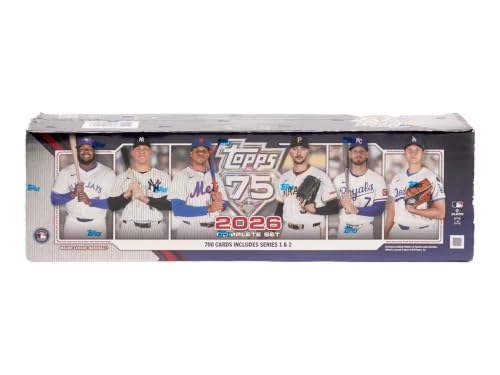
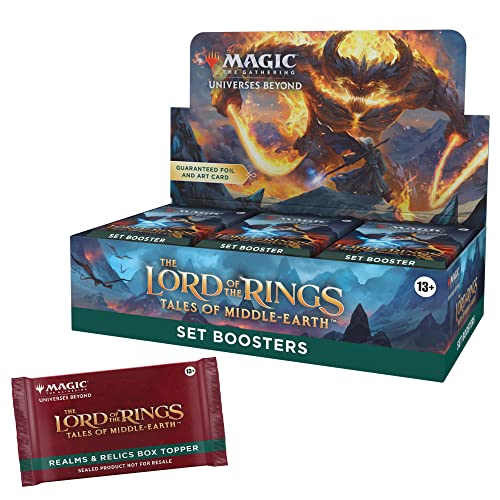

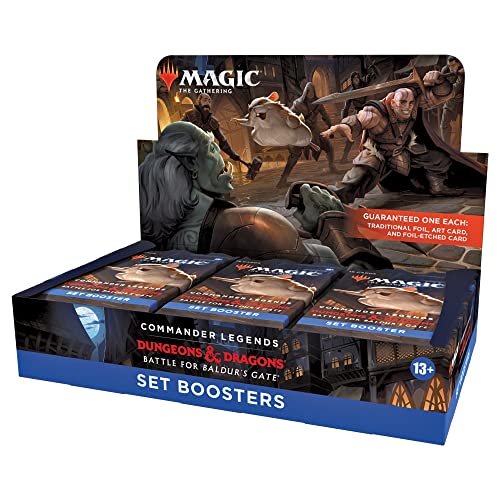
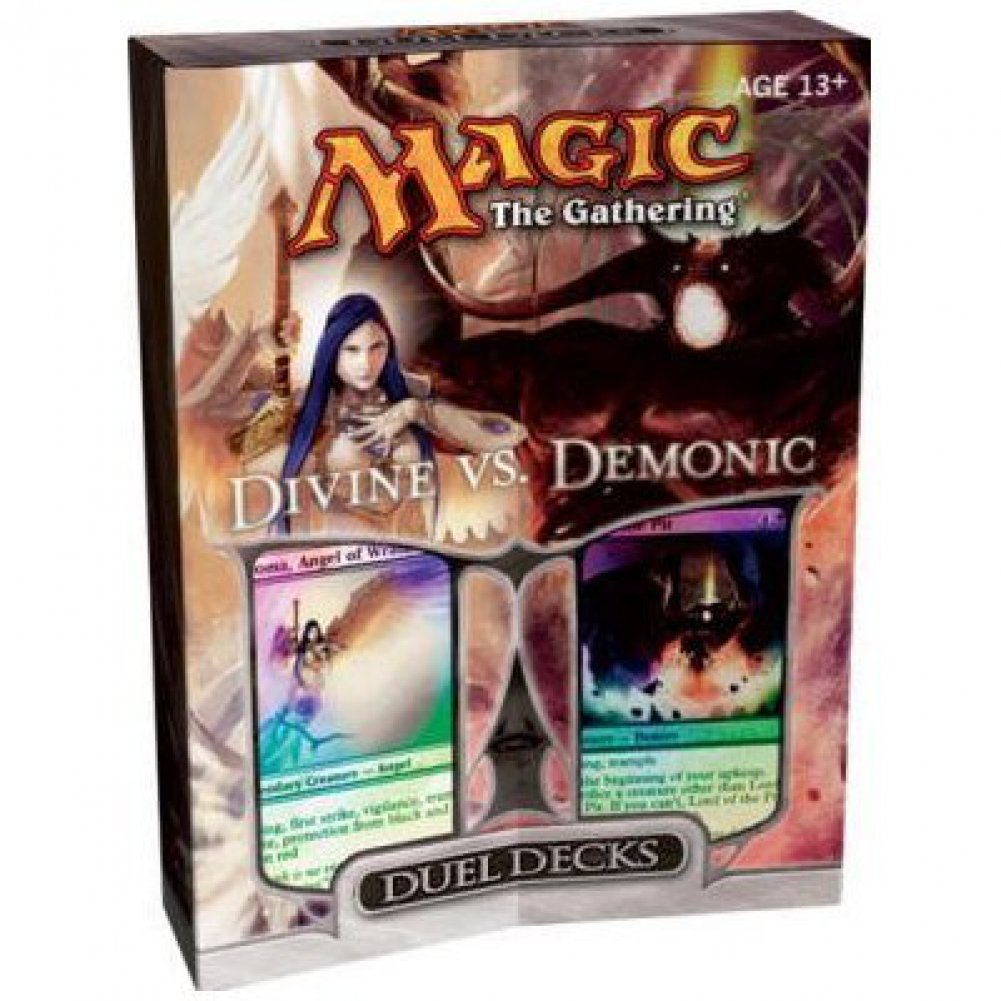


How We Evaluate Card Sets
Intended Use and Who It Is For
Decide whether the set is for playing, collecting, gifting or displaying, because each goal rewards different contents. Players need playable variety, sensible duplicate counts and rules support. Collectors care more about print quality, rarity structure and condition out of the box. Gift buyers should favor sets that work on their own, with no extra purchases needed for a first game. A set that tries to serve everyone often serves the player worst, so score this fit question before you look at price at all.
Warranty and Customer Support
Cards do not carry warranties in the way electronics do, so support means replacement policies for damaged or mispacked contents. Reputable publishers replace miscut, crimped or missing cards when you keep the packaging and a receipt, and good retailers handle sealed product problems without a fight. Before buying, check how the seller treats opened returns and who pays return shipping. Unknown sellers with no stated policy are a real risk, because a damaged premium set has little value and no easy remedy.
Key Performance Specs
For card sets, the specs that matter are card stock quality, print registration, cut consistency and the stated contents list. Cards should feel firm without being brittle, colors should sit inside the borders evenly, and corners should arrive clean. Read the exact breakdown of what is inside, including total card count, the number of rare slots and whether special cards are guaranteed or merely possible. If a listing will not state contents precisely, treat that vagueness as a failing score, not a mystery bonus.
Size, Weight, and Fit for Your Space
Sets grow faster than buyers expect. A single booster box can become several hundred cards that need sleeves, a binder or a storage box, plus shelf room for display pieces. Measure where the collection will live and budget for storage in the purchase decision. Large premium boxes with art books or oversize cards delight some collectors and annoy others who have small shelves. Choosing a compact format you can store neatly protects condition, and condition is where much of the long term value sits.
Safety and Certifications
Authenticity is the safety issue in this category. Buy sealed sets from authorized retailers or publishers whenever possible, and learn the look and feel of the genuine seal, box print and card stock for your game. Factory seals that look loose, print that looks washed out, and prices far below every other seller are classic counterfeit signals. For children, also check the stated age guidance on the box, since small accessories and complex themes are not suited to every age.
Maintenance and Long Term Costs
The purchase price is only the first cost. Sleeves for a full set, binder pages, storage boxes and, for players, the extra cards needed to complete a strategy all add up. Estimate the full first year cost before you buy, including protective supplies at roughly a few cents per card for basic sleeves and more for premium ones. Sets that demand constant expansion to stay usable cost far more over time than self contained sets, even when the starting box looks cheaper.
Three Price Tiers That Pass Our Checklist
Balanced Tier
The balanced tier, often around $40 to $100 depending on the game, usually combines a complete playable or collectible core with solid print quality and a few special cards. This is where most buyers should shop. You get enough contents to enjoy the set fully on day one, reasonable rarity to keep opening interesting, and packaging worth keeping. Collectors of a single universe can compare this tier against focused options such as the best marvel card sets when characters matter more than gameplay.
Value Tier
Value sets under about $40 include starter decks, small bundles and older sets still in wide supply. Their strength is a complete, honest experience at a low entry cost, which suits new players, families and gift buyers. Expect fewer rare cards and plainer packaging. The smart way to judge this tier is cost per usable card. A cheap box full of duplicates you will never play or display is not value, while a lean starter that plays well out of the box absolutely is.
Premium Tier
Premium sets above about $100 add collector boosters, alternate art treatments, numbered cards or elaborate display packaging. Buy at this level only when you value those extras for their own sake, because the playable contents rarely justify the jump. Sports collectors weighing this tier often cross shop the best baseball card sets to buy and the best football card sets, where premium pricing follows rookie classes and season timing. Set a firm ceiling before you start, since premium releases are designed to tempt upgrades.
Quick Buyer Checklist
- Can you name the main use, playing, collecting, gifting or display, in one sentence?
- Does the listing state the exact contents and any guaranteed special cards?
- Is the seller an authorized retailer or a well rated marketplace seller?
- Have you budgeted for sleeves, binder pages and storage boxes?
- Does the set play or display well without further purchases?
- Do you have shelf or drawer space measured for the box and the loose cards?
- Would you still be happy with the set if no rare card appears?
Red Flags to Watch For
Be wary of resealed packaging sold as new, listings that use stock photos only and refuse real images, and contents described with words like chance or possible where other sellers state guarantees. Prices dramatically below the going rate, sellers with a burst of recent negative comments about authenticity, and sets with no publisher information on the box are further warnings. Game specific buyers should apply the same caution with the best magic card sets and the best pokemon card sets, since popular games attract the most counterfeit product.
How to Make Your Card Set Last Longer
Sleeve cards you handle often before the first game, not after wear appears. Store sets upright in a cool, dry room away from direct sunlight, which fades inks over time, and keep food and drinks off the play surface. Handle cards by their edges, wash and dry your hands before sorting, and never force a full binder closed. A short inspection every few months catches humidity damage, bent corners and sleeve wear while they are still easy to fix.
FAQs
What features matter most when buying card sets?
Contents clarity and print quality matter most. A set that states exactly what is inside, with clean cuts and firm stock, beats a flashier box with vague promises. After that, judge fit for your purpose and the total cost with storage included. Those three checks predict satisfaction far better than the rarity advertised on the front of the box.
How do I maintain a card set?
Keep cards sleeved, stored upright and away from sun and damp. Sort on a clean, dry surface and replace worn sleeves, since gritty sleeves scratch card faces during play. For valuable singles, use a fresh sleeve plus a rigid holder. Good maintenance is mostly habit, and it costs far less than replacing a damaged centerpiece card.
How long does a card set last?
A well stored set lasts decades, because card stock and modern inks are stable in dry, dark conditions. Play wear is the real limit. Heavily played unsleeved cards show edge wear within months, while sleeved cards in regular use stay presentable for years. Display pieces fade fastest, so rotate them or use UV filtering frames for long displays.
Are expensive card sets worth it?
They are worth it when the extras themselves are the point, such as alternate art you want to display or a complete collector edition of a favorite game. They are not worth it as a shortcut to playable strength or as a guaranteed investment. Buy premium sets with entertainment money, enjoy them fully, and treat any future value as a bonus rather than the reason for the purchase.
How much should I spend on a card set?
First time buyers do well in the value to overall range, roughly $25 to $100, which buys a complete experience without premium pricing. Spend more only after you know the game or universe well enough to judge the extras yourself. A useful rule is to cap one set at what you would happily spend on a month of entertainment, storage included.
Final Thoughts
Score contents, condition and true total cost first, and let rarity excitement come last. A set that fits your purpose, arrives authentic and stores neatly will still make you happy long after opening day. Judged by that checklist, the best card sets are easy to spot, and the product table above will help you compare your final choices quickly.


