Best Car Speakers Under 200 2026: Everything to Know Before Your First Purchase
Disclosure: We may earn a commission when you buy through links on this page, at no extra cost to you. As an Amazon Associate I earn from qualifying purchases. Learn more

A $200 budget buys a real upgrade. This beginner guide explains how to spot the best car speakers under 200, from fit to sensitivity.
A budget of $200 buys a genuine upgrade over worn factory speakers, provided you spend it on the right things. First time buyers often feel lost between wattage claims and size charts, so this guide starts with the basics and builds up slowly. By the end, you will know how to spot the best car speakers under 200 for your car without paying for features you cannot use.
We will cover what this budget realistically delivers, the specs that matter, the mistakes that waste money, and the steps for your first installation. Keep the comparison table below open as you read, and treat each section as a filter that removes poor matches from your shortlist.


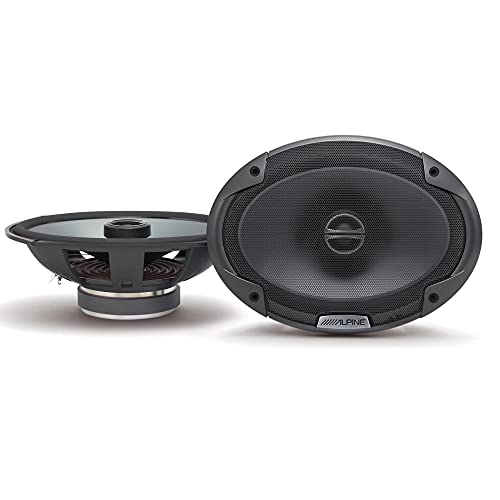


Car Speakers 101: The Basics
A car speaker converts the electrical signal from your radio into sound by moving a cone. Larger cones handle bass and voices, while small tweeters handle cymbals and detail. Factory speakers usually combine everything into one cheap unit with a paper cone, which is why they sound dull and wear out. Replacement speakers split the work better, use tougher materials, and play more efficiently.
Two layouts dominate this price range. Coaxial speakers mount a tweeter in front of the main cone, fit the factory opening, and install quickly. Component speakers separate the tweeter and woofer and add a crossover, which can improve clarity and imaging but takes more time and mounting decisions. Power ratings come in two forms: peak watts, a brief maximum that matters little, and RMS watts, the continuous level that should match your radio or amplifier. Learn those three ideas and most product pages become readable.
Key Specs Explained in Plain English
Under $200, every dollar should defend sound quality, fit, or durability. The sections below explain what this budget delivers, how to confirm compatibility, and which specs separate a smart buy from a shiny disappointment. Read them before comparing prices, because a cheaper speaker that fits poorly is not cheaper once adapters and returns enter the picture.
What You Can Realistically Get Under $200
For around $200 you can expect one strong pair of component speakers for the front, or two decent coaxial pairs for front and rear, but rarely both at premium quality. Prioritize the front pair, because that is where you sit and where voices and detail matter most. At this level you get rubber surrounds, moisture resistant cones, and honest sensitivity figures. What gets cut is usually refinement: simpler crossovers, fewer mounting options, and less deep bass. Do not skimp on harness adapters, which cost little and protect your factory wiring.
Vehicle Compatibility
Fit is the first spec. Confirm your year, make, model, and trim, then list the size and depth of each location you plan to upgrade. Doors commonly use 5.25 inch or 6.5 inch speakers, while rear decks often use oval sizes. Depth matters as much as diameter, because a deep magnet can block window glass. Check whether your factory system uses standard 4 ohm speakers or a premium package with unusual impedance. A seller fitment chart plus a photo of your current speaker settles most questions before money changes hands.
Build Quality and Weather Resistance
Door cavities collect moisture, and cabins swing from freezing to very hot, so materials decide lifespan. Polypropylene and treated woven cones resist humidity, rubber surrounds stay flexible for years, and sturdy baskets keep everything aligned. Foam surrounds and untreated paper cones are the weak points to avoid in this budget, since replacing speakers twice erases any savings. Tweeters should sit in solid housings with tidy wiring. If you live near the coast or in a humid climate, weight these material choices even more heavily than a small sensitivity advantage.
Warranty and Brand Support
A one year warranty is the sensible minimum under $200, and the claim process should be simple and documented. Established brands publish fitment guides, manuals, and real contact channels, which helps when a size question or a dead channel appears. Support quality also shows in the box: clear polarity markings, included mounting hardware, and adapter guidance all reduce installation errors. Keep the receipt and box until you have lived with the speakers for a few weeks. A responsive brand turns a rare defect into a replacement rather than a second purchase.
Safety Features
Speaker safety is mostly installation safety. Disconnect the battery before removing door panels, especially on cars with airbags in the doors or pillars. Use harness adapters and insulated connectors instead of twisted bare wire, which can short against the door frame and damage a radio. Route wires away from window mechanisms and latch rods. Correct polarity matters as well: a reversed speaker still plays, but bass thins out and imaging smears. Testing each side at low volume before refitting panels catches nearly every wiring mistake while it is still easy to fix.
Performance Specs
Three numbers deserve your attention. Sensitivity, ideally about 88 decibels or higher, tells you how loud the speaker plays on limited power, which matters if you keep the factory radio. The RMS range should overlap your source output; a speaker rated around 5 to 60 watts RMS suits most stock and modest aftermarket systems. Frequency response gives a rough map of coverage, but only trust it with a stated tolerance. Ignore giant peak watt figures on the box. They describe a split second burst, not the listening you do every day.
Best Car Speakers for Specific Needs
Within this budget, needs split cleanly. Front stage focused listeners should buy one good front pair. Families who carry rear passengers often may prefer two modest coaxial pairs so everyone hears clearly. Drivers keeping a factory radio need efficiency above all. Decide which camp you are in before chasing features.
Best Car Speakers for under 200: Tips for First Time Buyers
Shoppers hunting the best car speakers for under 200 dollars get the most from three habits. First, spend on the front pair and upgrade the rear later if money remains. Second, favor high sensitivity so your current radio drives the speakers without strain. Third, choose the layout you can actually install well: a carefully fitted coaxial pair beats a rushed component install with tweeters pointing at the floor. Neat work and correct fit deliver more clarity than any single spec at this price.
Rookie Mistakes to Avoid
- Covering every location with cheap speakers. Four weak pairs sound worse than one strong front pair. Upgrade in stages.
- Believing peak wattage. RMS range and sensitivity predict real performance. Peak numbers are marketing decoration.
- Guessing the size. Trim levels change speaker sizes and depths. Verify your exact car before ordering.
- Skipping adapters to save a few dollars. Cutting factory wires risks shorts and hurts resale value. Adapters are cheap insurance.
- Judging in the driveway at full volume. New speakers need fair tests: familiar music, moderate volume, tone controls flat.
Getting Started: Setup and First Use
Unbox everything and lay out screws, brackets, and adapters before touching the car. Read the speaker manual and check your vehicle manual for panel and airbag cautions. Disconnect the battery, then work on one side at a time so the untouched side remains a reference for wiring and mounting. Fit the adapter, mount the speaker with foam tape at the edge to calm rattles, and test with a familiar song before the panel goes back.
Once both sides play cleanly, set bass and treble near flat and listen for a few days before fine tuning. New surrounds loosen slightly with use, so bass often fills in a little during the first week. If something buzzes only on certain notes, suspect a loose clip or a wire resting against the cone area rather than a faulty speaker. Small fixes at this stage protect the whole investment.
Car Speakers: Your Questions Answered
Can you get a good car speaker under $200?
Yes, this budget buys clear, durable speakers that clearly beat factory units, especially as a front pair. What it does not buy is everything at once: concert level volume, very deep bass, and premium component refinement together exceed $200 in most cars. Spend the budget on fit, sensitivity, and materials, and the improvement in voices and detail will be obvious from the first drive.
How long do car speakers under $200 last?
Well chosen speakers in this range commonly last five to eight years, and longer in mild climates with moderate listening levels. Rubber surrounds and moisture resistant cones age far better than foam and paper. If clarity fades slowly and evenly, materials are aging. If one side drops out suddenly, check connections first, because a loose terminal is common and costs nothing to fix.
What specs matter most in car speakers under $200?
Sensitivity, RMS range, and exact fit matter most. Sensitivity decides how well a factory radio drives the speaker, RMS range confirms power compatibility, and fit decides whether the upgrade happens at all. One extra check is mounting depth in the front doors, the location you will upgrade first. A tape measure against your current speaker prevents the most common return at this budget.
Will car speakers under $200 fit my vehicle?
They will fit if you match diameter, depth, impedance, and connector type to your exact trim. Fitment tools online are helpful but not perfect, since mid year changes happen. Removing one panel and photographing the factory speaker gives certainty. If your car has a premium factory package, confirm impedance with particular care, because some of those systems use lower impedance speakers that change your options.
Do I need professional installation for car speakers under $200?
Usually not for coaxial speakers, which many owners install with adapters and basic tools in an afternoon. Consider a professional for component sets, cars with door airbags, or premium factory systems with separate amplifiers. Even then, ask the shop to use adapters and avoid cutting factory wires. A tidy, reversible install protects both sound quality and the value of the car.
Our Verdict on Car Speakers Under 200
Under $200, the winning formula is simple: one well fitted front pair, high sensitivity, honest RMS ratings, and durable materials. Buy in that order and resist spreading the budget thinly across every opening. Compare your finalists in the product table above, and the best car speakers under 200 for your car will be the pair that fits exactly, plays clearly on your radio, and still sounds good years from now. Compare the best car speakers under 200 in the table above one last time before you order.