Best Car Speakers Under 100 2026: Pick the Right One for How You Drive
Disclosure: We may earn a commission when you buy through links on this page, at no extra cost to you. As an Amazon Associate I earn from qualifying purchases. Learn more
A modest budget goes further when it follows how you drive. See what the best car speakers under 100 can deliver and what to skip.
There is no single speaker that suits every driver, because a commuter who lives on talk radio needs something different from a parent playing music for a full car. This guide matches the best car speakers under 100 to how you actually listen, so a modest budget goes to the features you will hear every day. You will see what this price can deliver honestly and where it makes sense to compromise.
Start with your routine, then use the comparison table below to check candidates against it. A speaker that fits your vehicle, your head unit, and your volume habits will sound better than a more impressive listing that fights your system on all three counts.




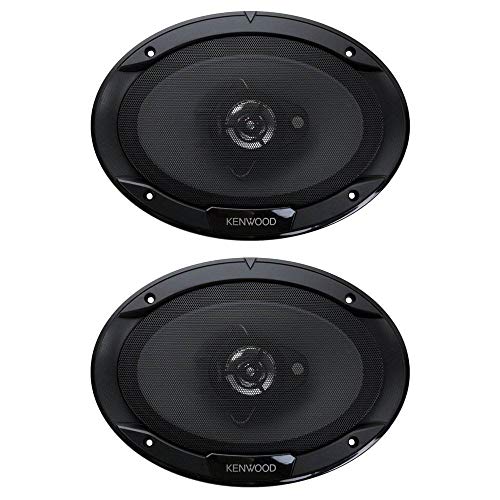
Who Should Buy Which Car Speakers?
Budget speakers reward buyers who know their priorities. The three profiles below cover the most common situations at this price, and each one points to a different balance of clarity, ease, and durability.
For People Who Want the Best Performance
If sound quality comes first, spend the full budget on one strong pair for the front doors instead of two weaker pairs for front and rear. Performance at this price means high sensitivity, a real tweeter rather than a tiny cone extension, and honest RMS ratings. You give up rear seat upgrades and premium materials, but the driver seat, where you spend your time, gets the clearest voices and the cleanest highs the budget allows. Add door deadening later if you want more midbass weight.
For Gift Shoppers
A speaker gift works best when it is easy to fit and easy to return if the size is wrong. Choose a common size such as 6.5 inch, confirm the vehicle fit with a guide before you buy, and favor brands with clear warranty support in the United States. Include the receipt and, if you can, a set of adapter harnesses so the recipient is not stuck hunting small parts. Avoid component sets as gifts unless you know the recipient enjoys install projects, because a simple coaxial swap is a far friendlier present.
For First Time Buyers
First time buyers should prize simplicity and forgiveness. A coaxial speaker that reuses factory mounts and connectors keeps the job short and reversible, and clear instructions matter more than exotic materials. Look for sensitivity at or above about 90 decibels so a factory head unit drives the speaker easily. Skip designs that need an amplifier to sound right, because that adds cost and wiring you did not plan for. A clean, simple upgrade you finish in an afternoon beats an ambitious one that stalls half done.
Key Features to Compare
With a firm budget, every feature competes with every other feature. The comparisons below show how each specification connects to a real listening situation, so you can decide what to fund and what to skip.
Performance Specs
Judge performance by RMS power handling and sensitivity, not by the peak number printed largest on the box. Around 25 to 50 watts RMS is a normal and healthy range at this price, and it matches most factory and entry level head units well. Sensitivity deserves equal attention: each extra decibel means more clean volume from the same power. Frequency response claims matter less, because small door speakers share similar physical limits, but a response that stays strong through the vocal range predicts pleasant everyday sound.
Build Quality and Weather Resistance
Doors are wet, hot, and cold places, so build quality decides how long a budget speaker stays pleasant. Polypropylene or treated cones handle moisture far better than untreated paper, and rubber surrounds outlast foam surrounds that crumble with age and heat. Check that terminals feel solid and that the frame does not flex when you press it. A speaker that survives five summers of door heat is a better value than a slightly clearer one that needs replacement in two years.
Ease of Installation
At this price, install ease is a feature worth paying for. Speakers that include mounting hardware, clear templates, and available vehicle harnesses save both time and extra purchases. Consider the true total cost: a speaker at under $100 that needs about $30 in adapters and a shop visit is not really a budget buy. If you plan to do the work yourself, favor designs with standard mounting patterns and modest magnet depth, because they fit more vehicles without trimming or spacers.
What You Can Realistically Get Under $100
Under $100 buys a genuine upgrade over worn factory speakers: clearer voices, cleaner highs, and less distortion at normal volume. It does not buy deep bass, premium crossover parts, or the refinement of costly component sets, and expecting those leads to disappointment. Do not save money on fit or sensitivity, because mistakes there cannot be fixed by settings. Do save money on decorative grilles, extreme power claims, and rear speakers, which contribute little for the driver. Spend on the front pair and on correct parts for your vehicle.
Vehicle Compatibility
Compatibility is the gate every other quality must pass through. Confirm the speaker size for each location, the mounting depth behind the panel, and the impedance your system expects, which is 4 ohms in most vehicles. Some cars use shallow doors or unusual factory sizes that limit your options sharply at any price. Use a fit guide for your exact year and trim, and measure the factory speaker if anything looks unusual. A perfectly chosen speaker that cannot be mounted is simply a return waiting to happen.
Common Mistakes to Avoid When Buying Car Speakers
Budget shopping has its own traps, and most of them are avoidable with ten minutes of checking.
- Shopping by price alone and ending up with low sensitivity speakers that sound quieter than the factory set.
- Trusting peak power claims while ignoring the RMS rating that describes real capability.
- Buying the wrong size or a magnet so deep it blocks the window mechanism.
- Forgetting adapters and harnesses, then cutting factory wires to force a fit.
- Ignoring warranty length, which matters more on budget models than on premium ones.
Setup and Care Tips
Check your vehicle manual for factory speaker sizes and any cautions about door airbags before you start. Work on one side at a time, test the new speaker before you refit the panel, and set tone controls to flat for your first listen so you hear the speaker itself rather than your old settings. After a week, retighten any screws you can reach and confirm no new rattles have appeared. Keep volume at clean levels, since budget voice coils tolerate distortion poorly, and your speakers will reward that restraint with a longer life.
FAQs
Can you get a good car speaker under $100?
Yes, you can get a genuinely good car speaker under $100 for everyday listening. Expect clear vocals, tidy highs, and a clear step up from worn factory speakers. What the budget will not buy is deep bass or luxury materials, so judge success by clarity at normal volume rather than by how hard the doors shake.
What specs matter most for car speakers under $100?
Sensitivity and RMS handling matter most at this price. High sensitivity makes a small factory head unit sound lively, while honest RMS ratings tell you the speaker will play cleanly without strain. After those two, check cone and surround materials, because durability decides whether the value lasts for years or only for a season.
How long do car speakers under $100 last?
Budget car speakers commonly last four to eight years in normal use. Rubber surrounds and moisture resistant cones sit at the long end of that range, while foam surrounds in hot climates age faster. Clean volume habits help a great deal, because distortion heat is the most common early killer of inexpensive voice coils.
Do I need professional installation for car speakers under $100?
Usually not, and paying for a shop install can double the real cost of a budget upgrade. A coaxial swap with the right harnesses is a manageable afternoon job for most owners. Consider professional help only if your vehicle has a complex factory amplifier or you are adding components beyond a simple speaker swap.
Will car speakers under $100 fit my vehicle?
They will fit if you match diameter, mounting depth, and impedance to your factory location before ordering. Budget listings sometimes omit depth figures, so treat a missing depth specification as a reason to choose a different model with complete data. A fit guide for your exact vehicle removes nearly all of the risk.
Wrapping Up on Car Speakers Under 100
Match the speaker to your routine, fund sensitivity and fit before extras, and keep expectations honest about bass and materials at this price. The product table above collects the candidates that meet those standards so you can compare them quickly. Chosen with care, the best car speakers under 100 can make every commute, call, and favorite album sound noticeably clearer without straining your budget. Compare the best car speakers under 100 in the table above one last time before you order.