
Best Car Shine Spray: A Buyer's Guide to Quick Detailers
Disclosure: We may earn a commission when you buy through links on this page, at no extra cost to you. As an Amazon Associate we earn from qualifying purchases. Learn more
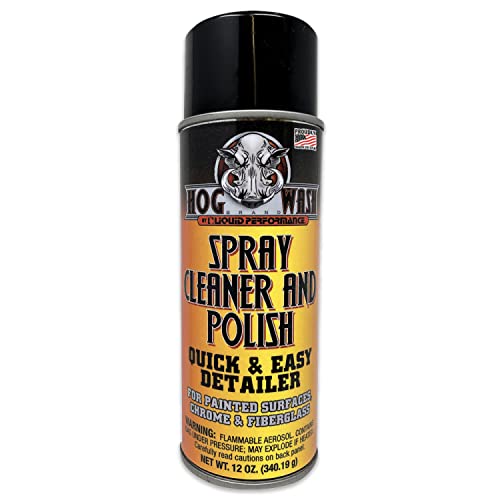
Your car looked great right after the last wash, and a week later it is already covered in dust, pollen, and faint water spots. A full wash and wax takes an hour you do not always have. This is exactly the gap a best car shine spray fills: a fast, spray-and-wipe product that knocks down dust and restores gloss in a few minutes, no hose or bucket required. Picking the right one means understanding what these sprays actually do, which formula suits your paint, and how to use one without introducing new scratches. This guide walks through all of it.
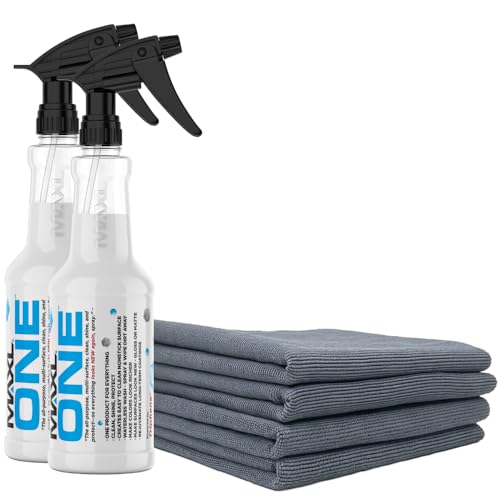
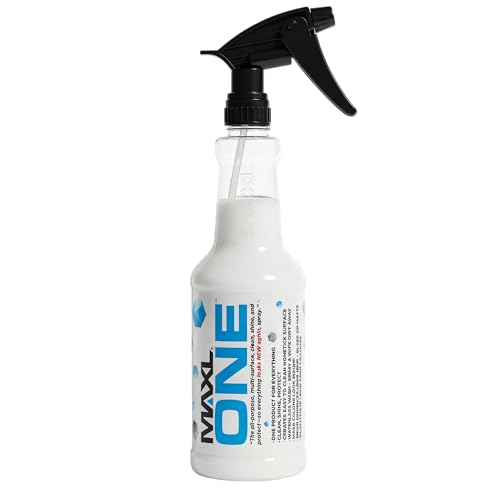
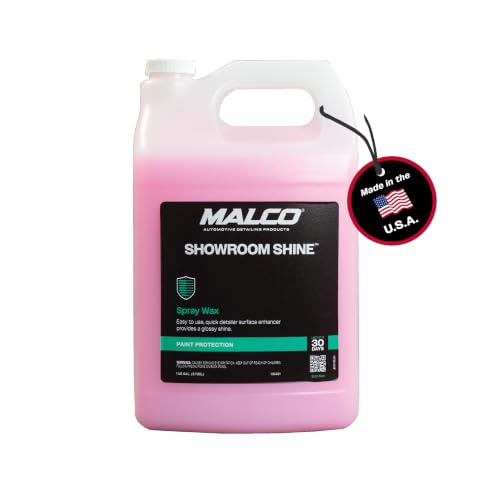
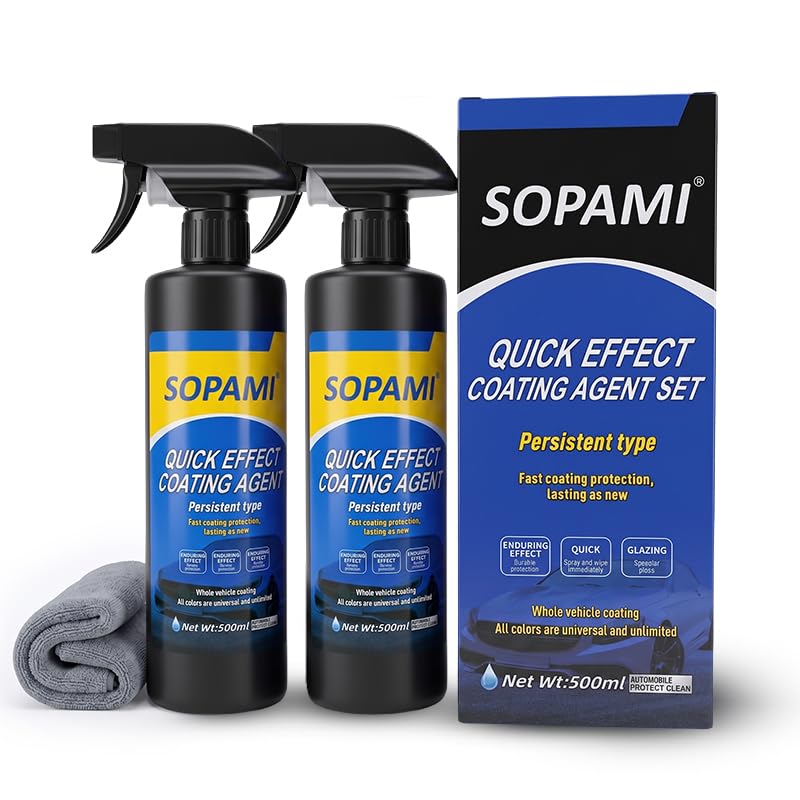
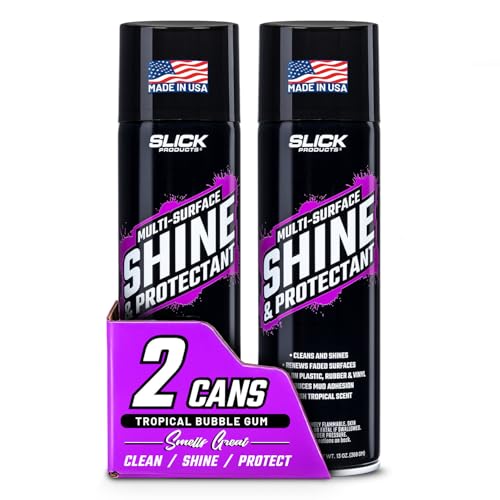
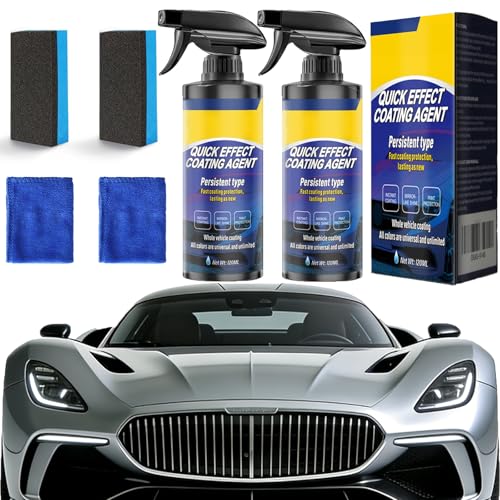
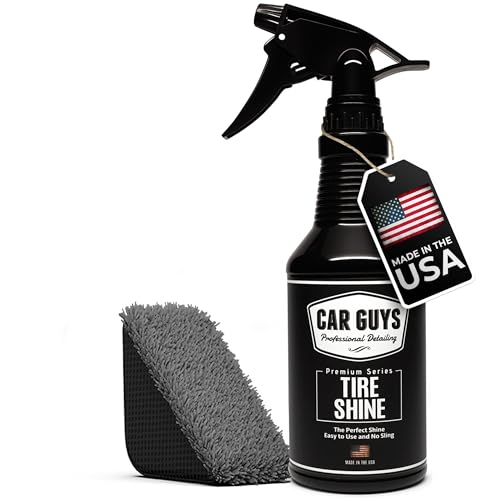
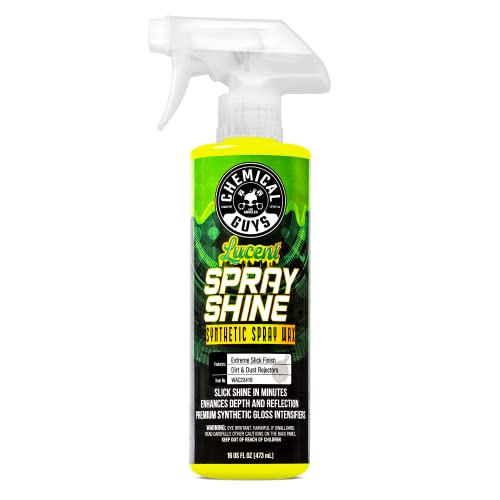
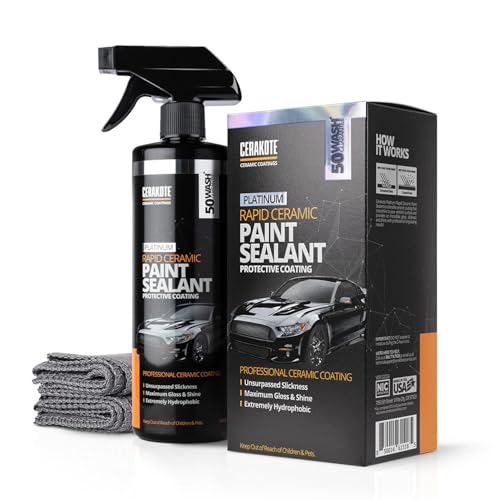
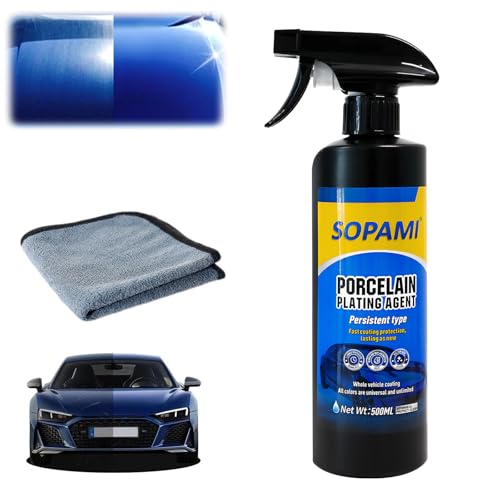
What a Car Shine Spray Actually Does
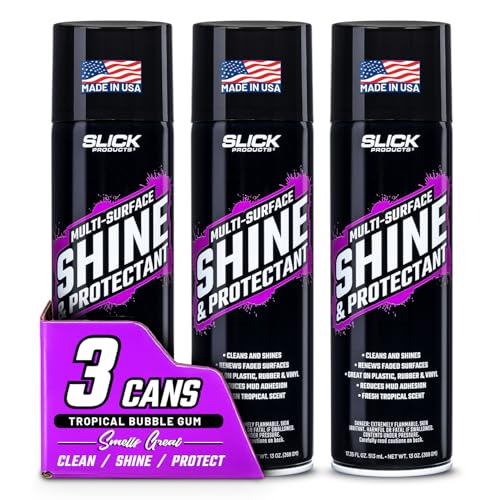
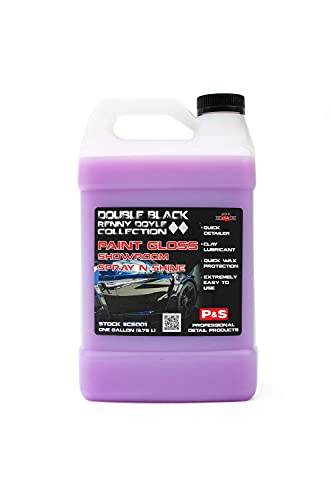
A car shine spray, often labeled a quick detailer or spray wax, is a light spray-on product you wipe off with a microfiber towel while the car is dry or slightly damp. It is built for speed and touch-ups, not for a full protective treatment. The goal is to lift light dust and fingerprints, add lubrication so the towel glides instead of drags, and leave behind a glossy or hydrophobic finish that lasts anywhere from a few days to a few weeks.
Quick Detailer vs. Spray Wax vs. Sealant
These terms get used interchangeably, but they are not identical products. A quick detailer is mostly about gloss and dust removal with minimal protective residue. A spray wax carries a small dose of wax or polymer, so it adds a thin protective layer along with the shine. A sealant is a separate category built for months of durability rather than a quick touch-up, and it is applied far less often. If you are searching for something to wipe over your car between washes, you want a quick detailer or spray wax, not a sealant.
When a Spray Is the Right Tool for the Job
These products shine between full washes, after a light rain, or before a weekend drive when your car needs to look presentable fast. They are not a replacement for washing away caked-on dirt, brake dust, or mud, and they are not meant to compete with a dedicated paint sealant for long-term protection. Think of a shine spray as maintenance, not restoration. Since a quick wipe-down only takes a few minutes, it is also a natural moment to check smaller details inside the cabin, like swapping out worn car air fresheners, while the car is already out and getting attention.
Silicone-Based or Ceramic-Infused: Picking the Right Formula
Once you understand what the category does, the next decision is which chemistry to buy. For most drivers, the best car shine spray comes down to formula base, since it changes how long the shine lasts, how easily the product wipes off, and how it feels on the paint.
Silicone and Polymer Formulas
Traditional shine sprays rely on silicone oils and synthetic polymers. They wipe on smoothly, leave a slick, glossy look almost instantly, and are forgiving for beginners since streaking is rare. The trade-off is durability, most silicone-based sprays fade within a week or two, especially if the car sits outside or gets rained on.
Ceramic-Infused Formulas
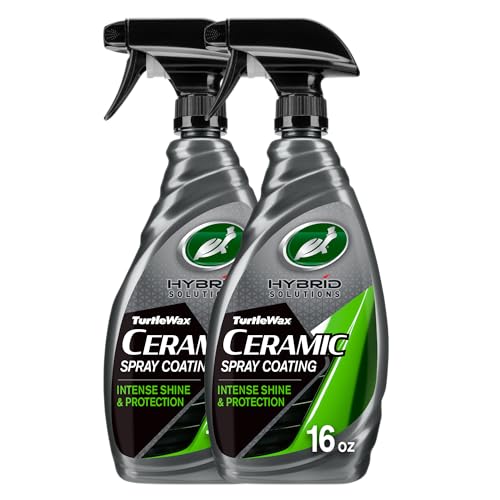
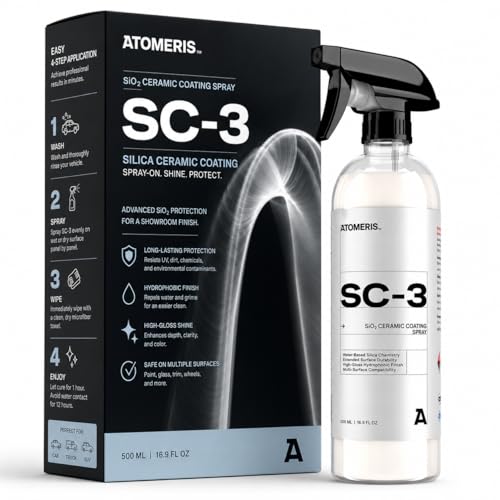
Newer sprays add silicon dioxide, often shortened to SiO2, into the mix. These bond more tightly to the clear coat, hold up longer against sun and light rain, and tend to produce stronger water beading. They usually cost a bit more per bottle and can require a slightly firmer wipe to level out evenly, but for someone who wants a spray to double as light protection rather than pure cosmetic gloss, a ceramic spray wax is worth the extra cost.
Applying It Without Scratching Your Paint
This is the part most buyers underestimate, and it matters more than which bottle you choose. Used incorrectly, any shine spray can introduce fine scratches known as swirl marks.
Why Dry-Wiping Causes Swirl Marks
The spray itself rarely causes damage. The real risk is trapped dust, grit, or brake dust dragged across the paint by a dry or overloaded towel. Wiping a genuinely dirty panel with a light mist of product is asking for scratches, because the spray does not fully suspend and lift heavier contamination the way a full wash does.
The Lubricated Wipe Technique
Spray a generous, even coat, more than feels necessary, so the towel floats over the surface instead of scraping it. Fold a clean microfiber towel into quarters and flip to a fresh side often, since a towel packed with dust becomes an abrasive itself. Work in straight lines rather than circles, and start with the lightly soiled roof and hood before moving to lower panels, which usually carry more road grime. If your car is genuinely dirty rather than dusty, wash it first and save the spray for maintenance between those washes.
Matching the Finish to Your Paint
Not every shine spray is safe on every surface, and this is one of the more common mistakes buyers make when shopping for the best car shine spray for their vehicle.
Glossy Clear Coats
Most cars have a standard glossy clear coat, and the vast majority of shine sprays are formulated for exactly this. Look for language like "high gloss" or "wet look" on the label, and expect visible water beading as a sign the product is working.
Matte, Satin, and Wrapped Surfaces
If your car has a matte or satin factory finish, or a vinyl wrap, a standard glossy spray can leave the surface looking patchy or streaked, since it is designed to add shine that a matte finish is specifically built to avoid. Manufacturers sell dedicated matte-safe detailers formulated to clean and refresh without adding any gloss. Always check the label for matte or satin compatibility before spraying a wrapped or factory-matte vehicle, and when in doubt, test a small, hidden panel first.
How Often to Use It Between Washes
A car shine spray is meant for frequent, light use rather than a one-time application. Most owners reach for one every one to two weeks between full washes, or after the car picks up light dust from being parked outside. If you are also keeping the wheels and lower panels clean, some owners find a low profile floor jack useful for getting better access underneath during a more thorough detail session, though that is only worth the extra step if you are doing a deeper clean rather than a quick wipe-down. For a fast refresh, a light, even coat and a clean towel every time is really all it takes. Reapplying too often will not damage the paint, but it will not extend the life of the finish either, since each new layer mostly replaces the last rather than stacking on top of it.
Getting the Most Out of Every Bottle
The best car shine spray works best as a quick-turnaround tool between real washes, not as a substitute for one. Match the formula, silicone for an instant glossy pop or ceramic for a bit more staying power, to how often you plan to use it and how your car sits day to day. Above all, treat the towel technique as seriously as the product itself, since that single habit determines whether you end up with a mirror finish or a set of fine scratches.
Frequently Asked Questions
What's the difference between a quick detailer and a spray wax?
A quick detailer focuses on removing light dust and adding gloss with minimal residue, while a spray wax includes a small amount of wax or polymer for a bit of added protection. Both are applied the same way, but a spray wax typically lasts a little longer, so it is often the better starting point when comparing options for the best car shine spray.
Is car shine spray bad for your paint?
Used correctly, it is not. Damage comes from wiping a dirty or dry towel over grit, not from the product itself. A generous spray and a clean microfiber towel keep the process paint-safe.
Can you use car shine spray on a dirty car?
It is not recommended for heavily soiled panels. These sprays are built for light dust and fingerprints, not caked-on dirt or mud, which should be washed off first to avoid scratching.
Can you use car shine spray on plastic trim and wheels?
Many formulas are labeled safe for trim and glass, but check the bottle first. Wheels usually pick up brake dust and heavier grime, so they generally need a dedicated wheel cleaner rather than a paint-focused shine spray.
Is ceramic spray wax better than regular spray wax?
It depends on your priorities. Ceramic formulas tend to last longer and bead water more strongly, while traditional silicone sprays are easier for beginners and give an instant glossy look. Neither is objectively better across the board.
How long does a spray wax finish last?
Most last anywhere from a few days to a couple of weeks, depending on weather exposure and how often the car is washed. Ceramic-infused formulas tend to hold up closer to the longer end of that range.