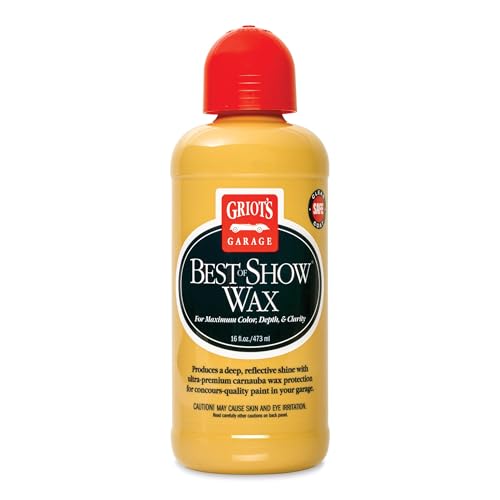
Best Car Polishes: Compounds, Glazes and Waxes for a Deeper Shine (2026)
Disclosure: We may earn a commission when you buy through links on this page, at no extra cost to you. As an Amazon Associate I earn from qualifying purchases. Learn more

Learn how the best car polishes differ, from cutting compounds that remove swirls to finishing glazes and ceramic wax that add gloss and protection.
Paint loses clarity long before it fails. Fine swirl marks from washing, a hazy surface from sun and light scratches from daily life scatter light and make a clean car look dull. Polish brings the gloss back by smoothing the surface, and the best car polishes do it without stripping too much paint or leaving a greasy residue. The product table above includes cutting compounds, finishing polishes and polish-and-wax blends, so the real question is which job you need done.
Below you will find the product types explained, how to match them to the condition of your paint and a simple routine for applying them by hand.


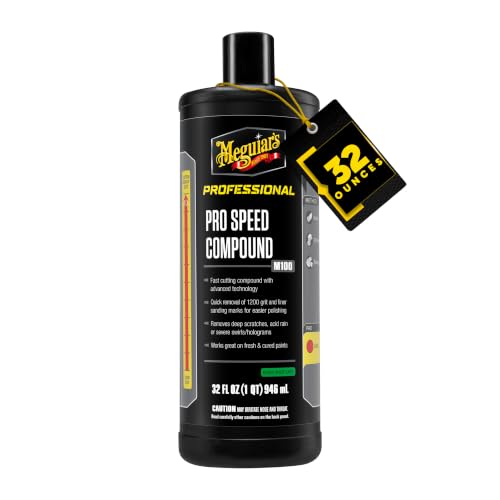
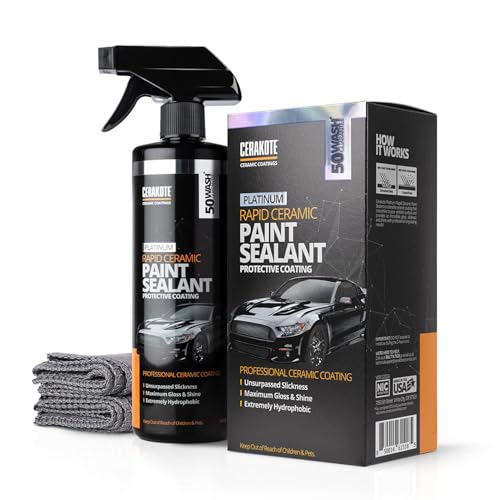
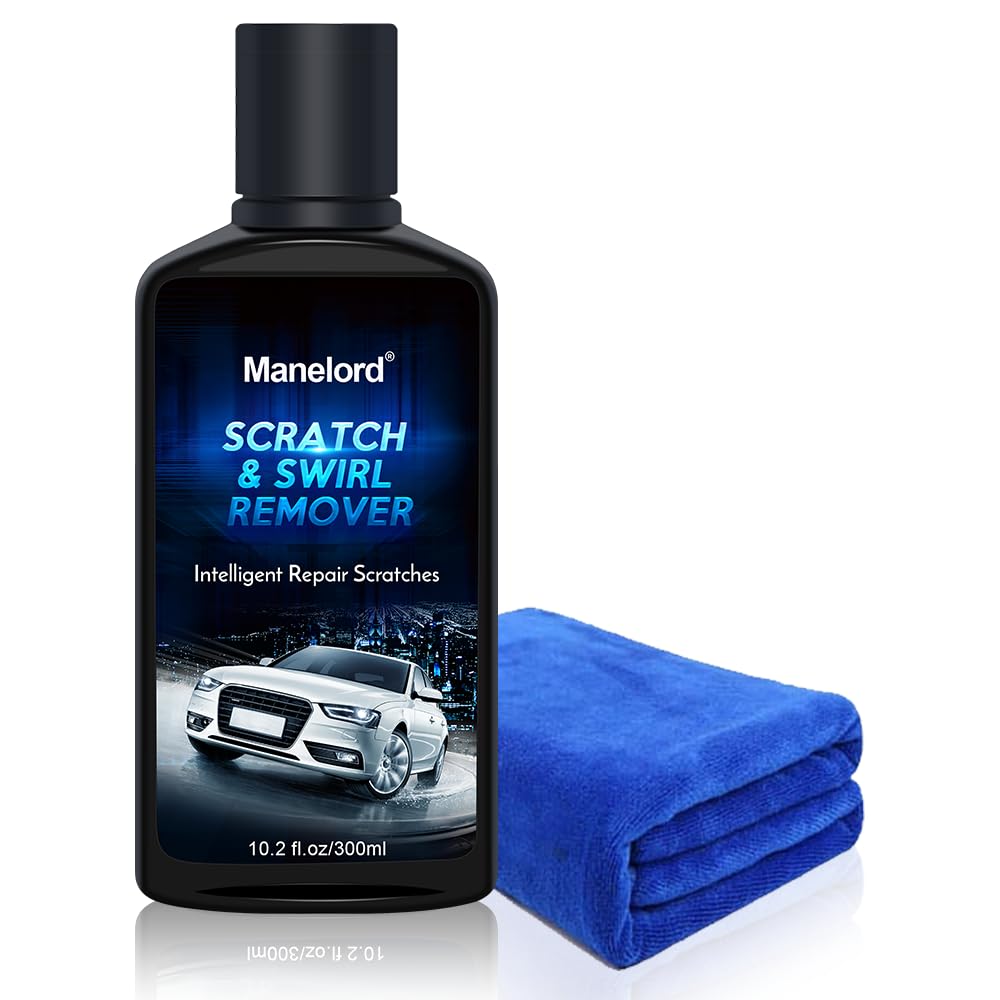
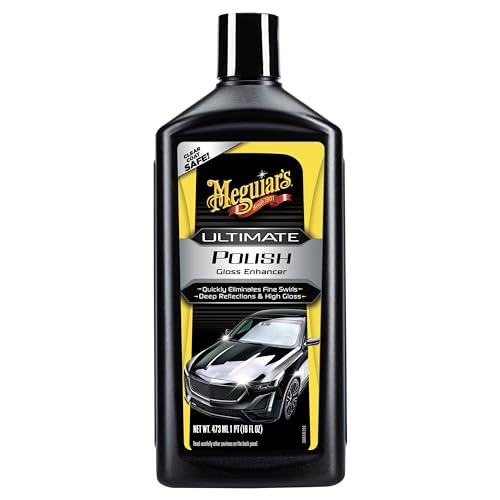
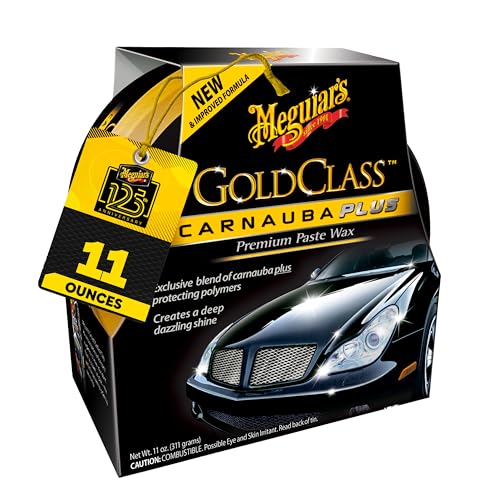
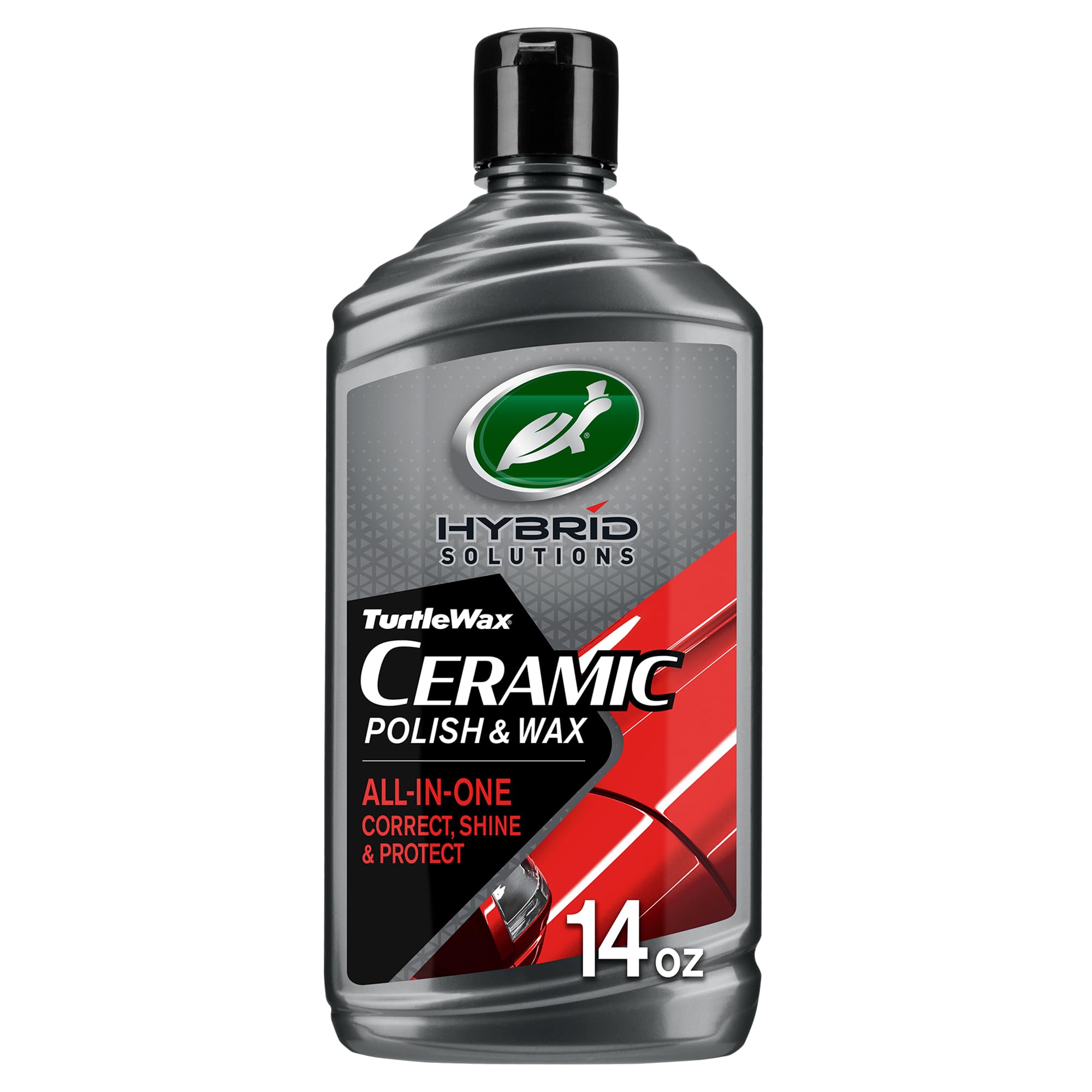
Polish, Compound, Wax and Sealant Are Not the Same
These words get used loosely, but each product has a different role.
- Compound: the most aggressive option. It cuts away a thin layer to level scratches and heavy swirls.
- Polish: finer than a compound. It removes light defects and refines the surface to a high gloss.
- Glaze: adds depth and shine with oils or fillers, mostly cosmetic and temporary.
- Wax: a protective layer that adds warmth and makes water bead. Natural carnauba gives a deep look but wears faster.
- Sealant or ceramic coating spray: a synthetic protective layer that lasts longer than most waxes.
Many products blend two steps, such as a polish with wax. These save time but do each job less thoroughly than separate products.
Match the Product to Your Paint
Run a fingertip over clean paint. If you feel scratches that catch your nail, a compound may be needed, and very deep ones may need a body shop. If the surface feels smooth but looks hazy or swirled, a polish will usually be enough. If the paint looks good but lacks pop, a glaze or wax is the finishing touch.
Dark colors show swirls much more than white or silver, so owners of black cars tend to polish more often. Older single-stage paint behaves differently from modern clear coat, so read the label for compatibility.
Hand Application or Machine?
Most people start with hand application, and for light polishing it works fine. Machine polishing is faster and gives better results on larger defects, but it has a learning curve and can burn paint if used carelessly. If you prefer hand work, choose a product with a longer working time, because dry polish is hard to buff off.
A Simple Routine
- Wash the car thoroughly and dry it. Polishing on dirt grinds grit into the finish.
- Work in the shade on a cool panel. Heat makes products dry too fast.
- Apply a small amount to a foam applicator and work a small area in overlapping passes.
- Buff off with a clean microfiber cloth before the product dries hard.
- Check the result in different light, then follow with wax or sealant for protection.
Work one section at a time, and use a fresh towel side as it picks up residue.
What to Avoid
Never polish over bird droppings, tar or old wax without cleaning first, as the contamination will scratch the surface. Keep polish away from rubber trim, plastic and unpainted surfaces, which can stain. Do not press hard on edges and body lines, where the clear coat is thinnest.
Avoid using a heavy compound when a mild polish would do. Taking off more paint than necessary shortens the life of the finish.
Choosing the Best Car Polishes
Think about your car's condition and how much effort you want to spend. A weekend refresh for a daily driver is well served by a one-step polish that cleans and shines. A project car with years of neglect may need a compound followed by a finishing polish and a sealant. Read the label for the types of paint it suits and whether it contains fillers that hide scratches temporarily.
- Light swirls: a fine polish or a polish and glaze combination.
- Moderate scratches: a compound followed by polish.
- Maintenance shine: a polish and wax blend or a spray sealant.
- Long-term protection: a ceramic-infused wax or sealant over polished paint.
How Often to Polish
Polishing removes a small amount of clear coat each time, so do it only when the finish needs it, perhaps once or twice a year for a daily driver. Wax or sealant can be applied more often, depending on the product and weather. A car kept in a garage and washed with a gentle method will need much less correction than one parked outdoors under trees.
Reading the Label
Product labels reveal a lot if you know what to look for. Words like "cut" or "abrasive" suggest the product removes paint, while "finishing" or "one-step" points toward a gentler action. Some polishes use diminishing abrasives, which start by cutting and break down as you work, so you can refine the surface with one product.
Fillers hide fine scratches for a few washes and then disappear, which looks good in the short term but does not fix the paint. If you want a permanent correction, choose a polish that says it removes defects rather than only filling them.
Check for statements about clear-coat safety and for warnings about use on matte finishes. Matte and satin paints should not be polished with ordinary products, because polish adds gloss and ruins the effect.
Tools and Cloths
You do not need an expensive kit. A few foam applicator pads, a stack of clean microfiber towels and painter's tape for masking trim are enough for hand work. Keep separate towels for compound, polish and wax so that coarse residue does not scratch the finished surface. Wash used towels without fabric softener, which clogs the fibers and reduces their absorbency.
Common Mistakes to Avoid
- Using too much product: a thick layer is harder to remove and does not polish better.
- Polishing in direct sun: products flash dry and leave streaks.
- Skipping the wash: grit trapped under the pad causes new scratches.
- Working too large an area: polish a small section at a time so you can buff it before it dries.
- Forgetting protection: polished paint without wax or sealant is exposed to sun and rain.
Frequently Asked Questions
Does polish remove scratches?
It removes light surface marks. Scratches deep enough to catch a fingernail may need compound or a repaint.
Do I need wax after polishing?
Yes. Polish refines the paint but leaves it with little protection, so finish with wax or sealant.
Can I polish a new car?
New paint usually needs only a wash and protection, but dealer prep can leave swirls that a mild polish clears.
Is machine polishing better than hand polishing?
Machines work faster on larger defects. Hand polishing is safer for beginners and fine for light work.
The Bottom Line
The best car polishes are matched to the condition of your paint and your patience: a compound for heavy defects, a polish for refinement and a wax or sealant for protection. Prepare the surface, work in small sections and finish with a protective layer. The result is a glossier car that is easier to keep clean.