Best Canvas Horse Rugs of 2026: Complete Buying Guide
Disclosure: We may earn a commission when you buy through links on this page, at no extra cost to you. As an Amazon Associate I earn from qualifying purchases. Learn more
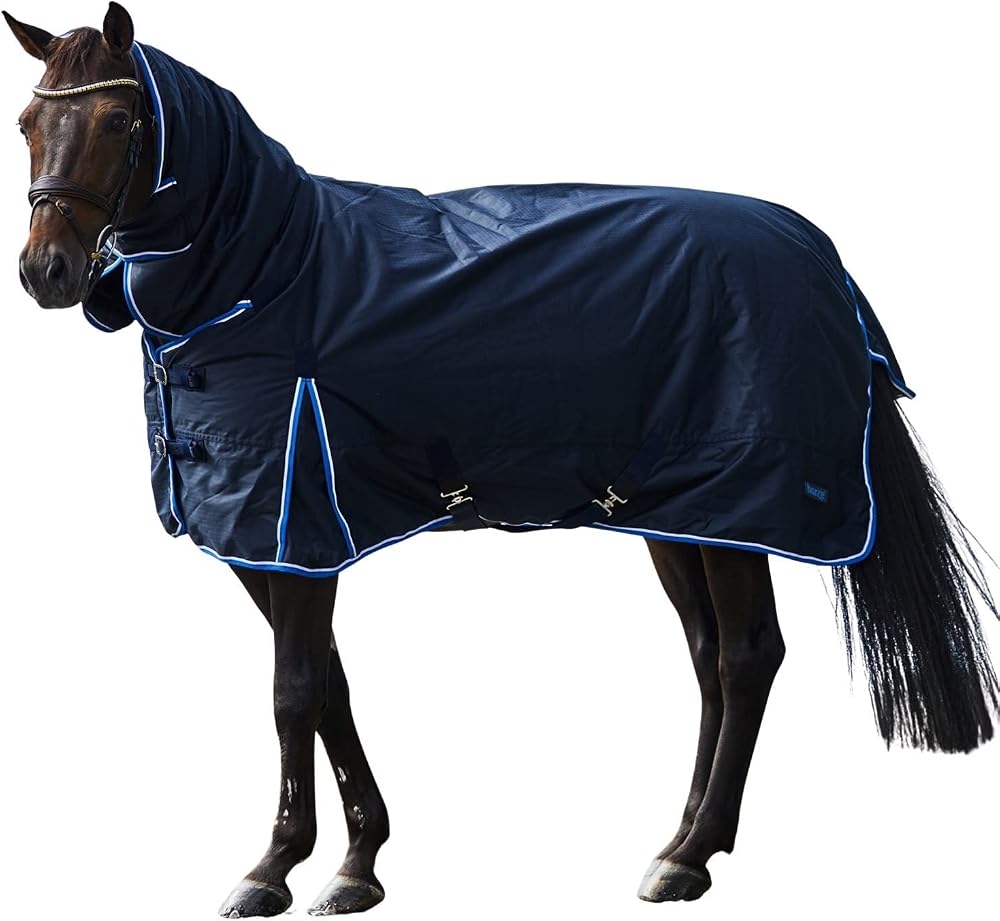
Canvas weight, fill, fit and care: how to choose the best canvas horse rugs for stable, paddock and winter turnout.
Canvas has protected horses through wet winters for generations, and it still earns its place because it breathes, shrugs off rough paddock wear, and can be reproofed instead of replaced. Choosing the best canvas horse rugs comes down to canvas weight, fill, and a fit that stays put without rubbing. This guide walks you through measuring, the main rug types, and the care habits that make a canvas rug last for seasons.
Start with your climate and your horse, not with a brand. A clipped horse in a cold, wet region needs a different rug from an unclipped native pony in a mild one, and the sections below help you match the rug to both.
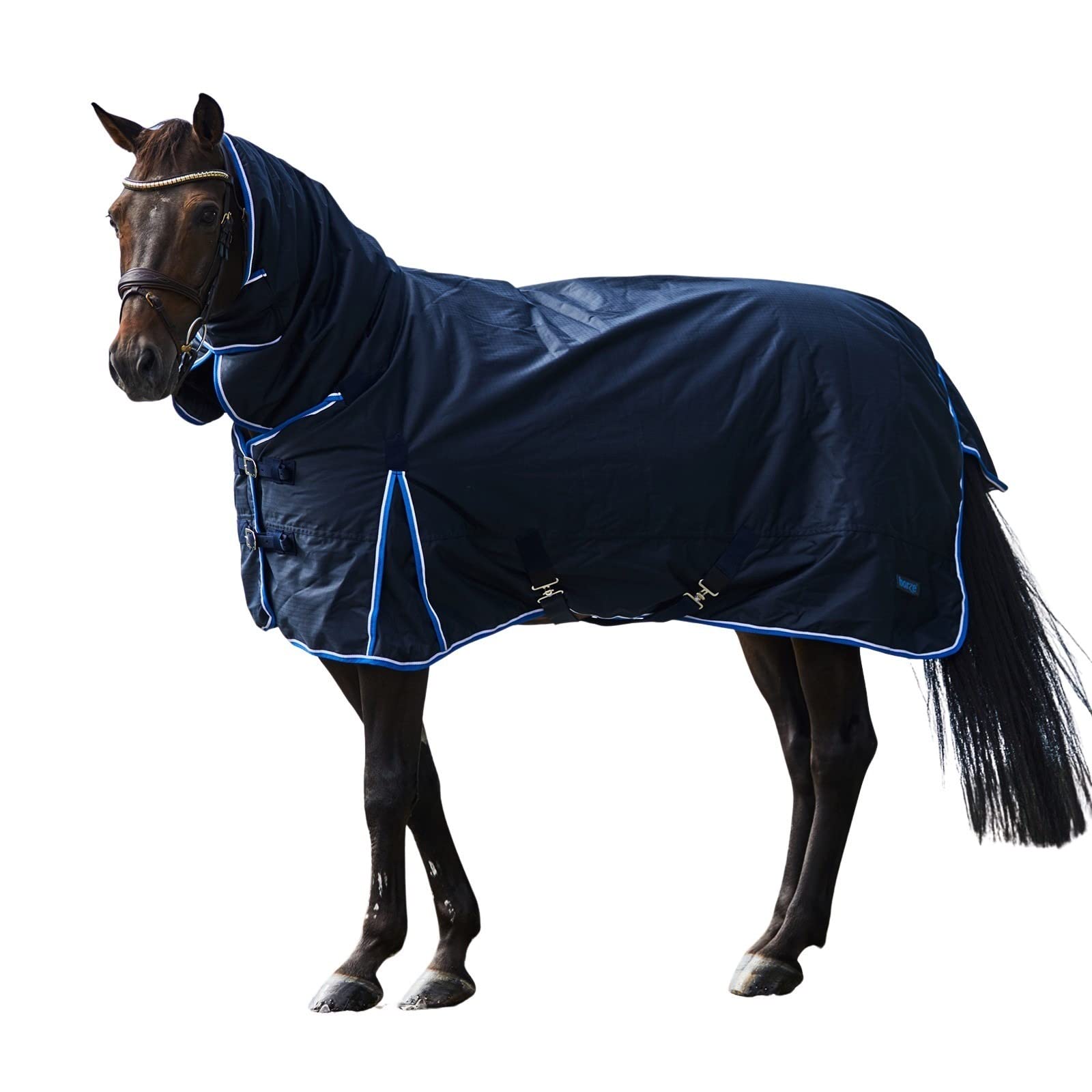
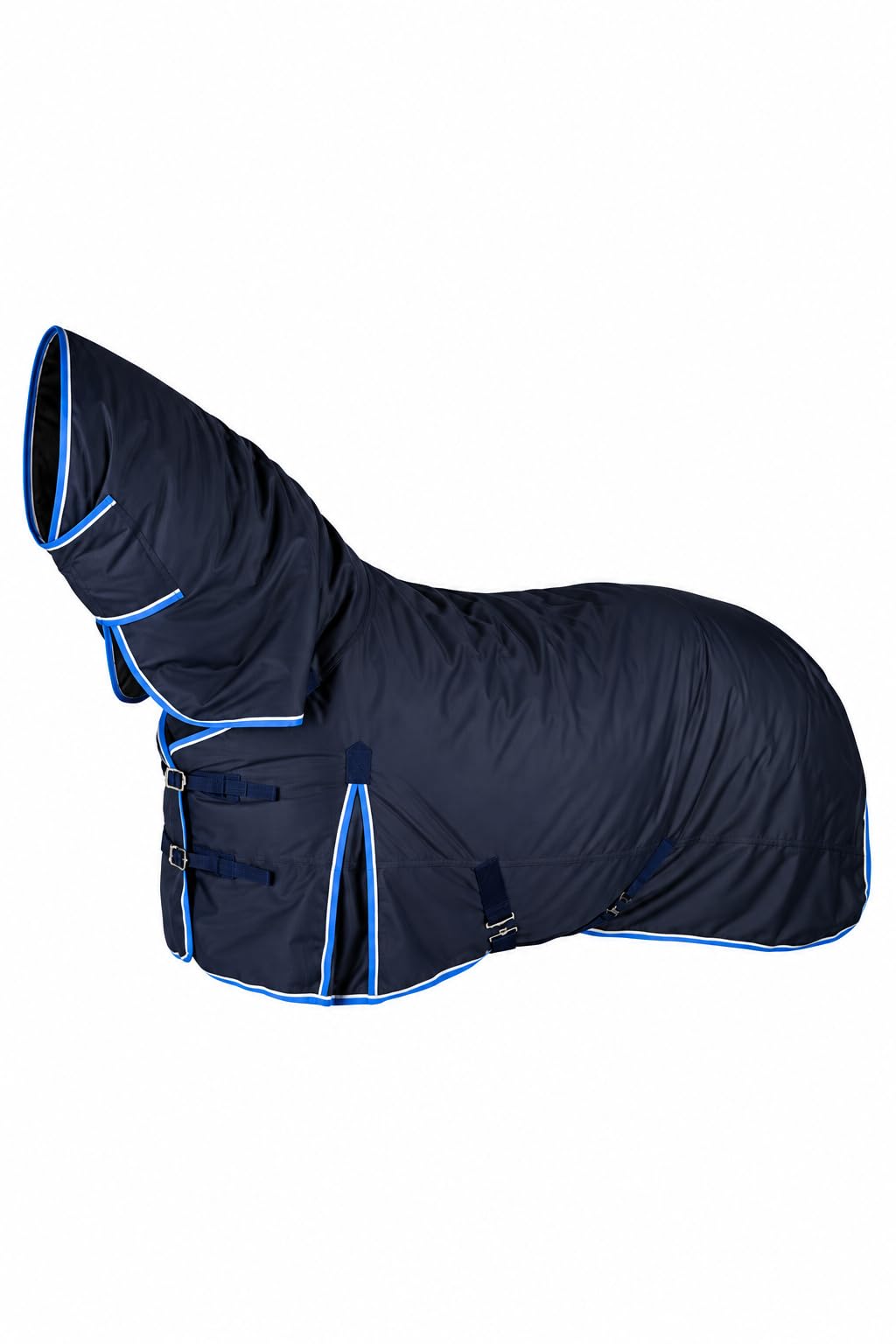
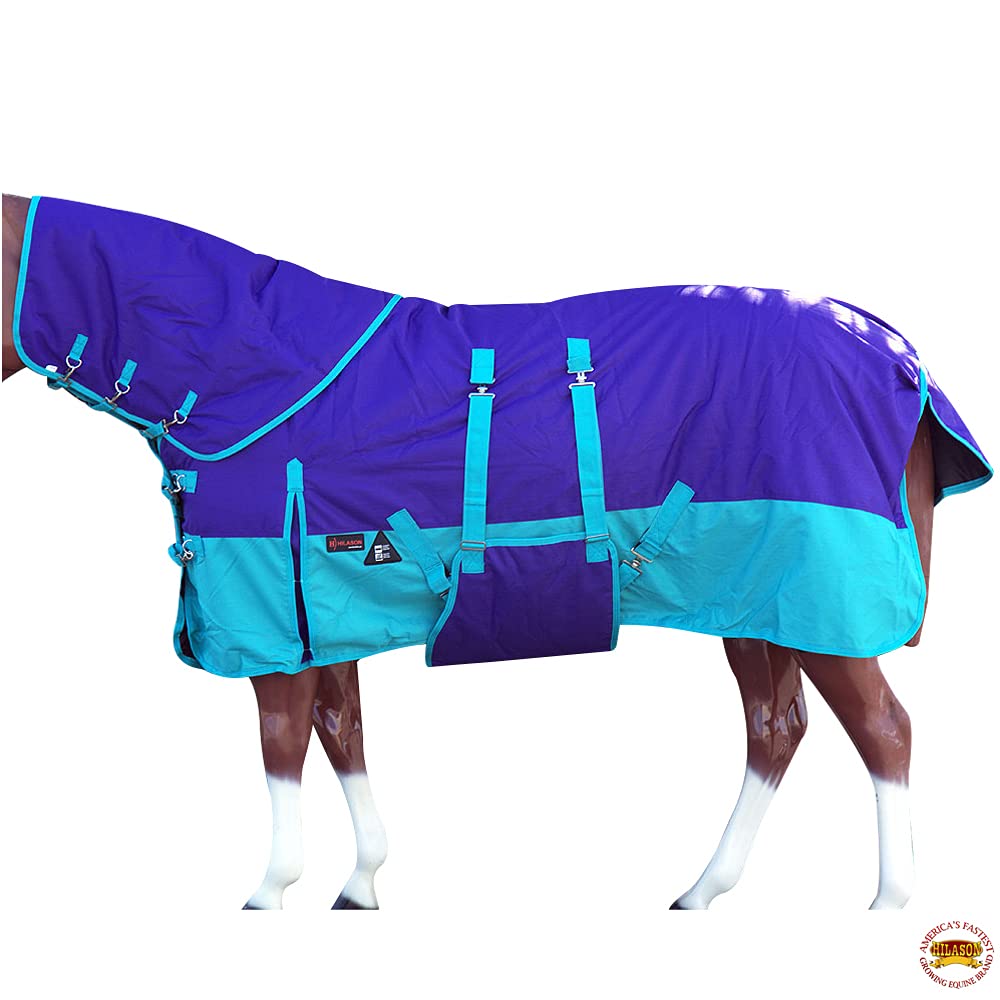
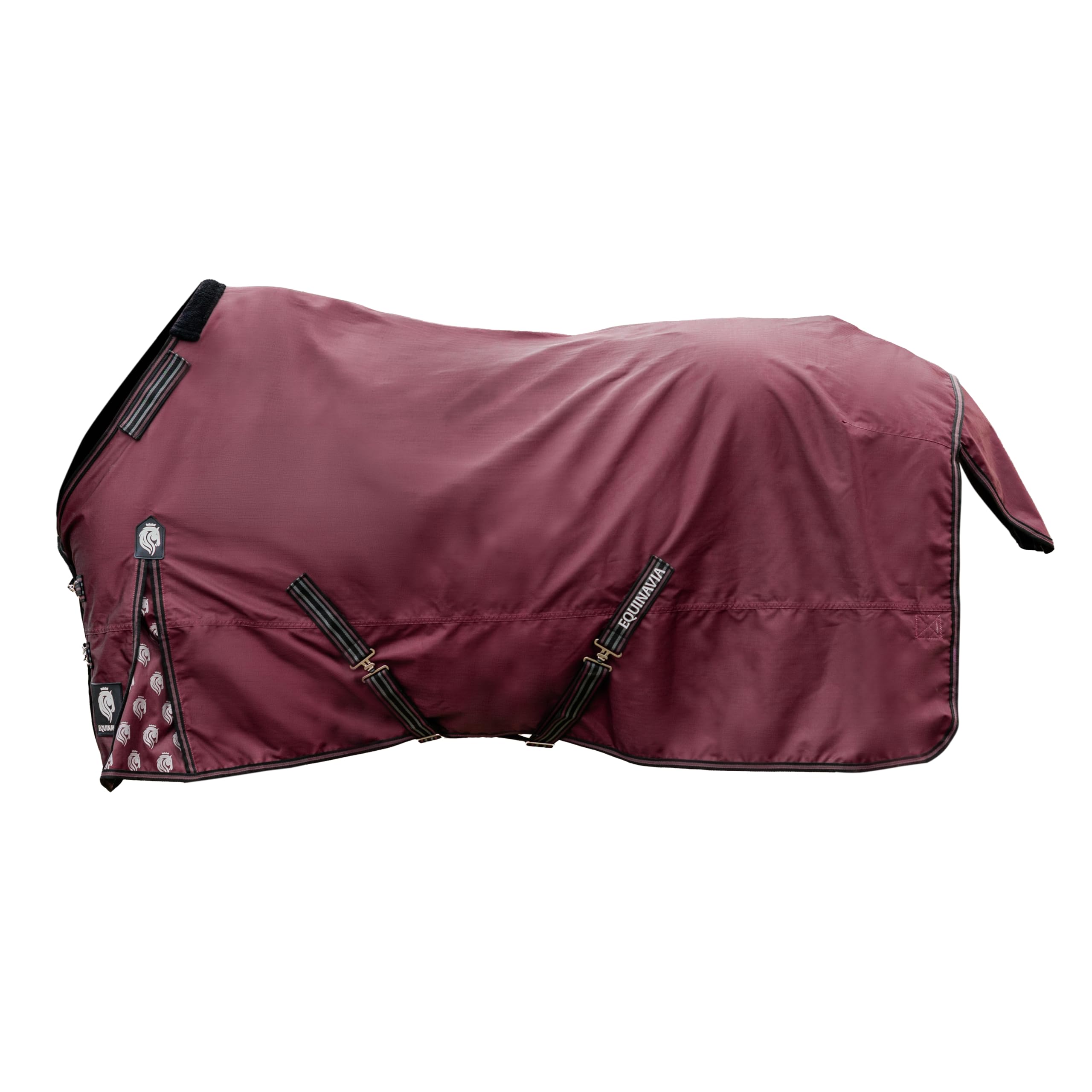


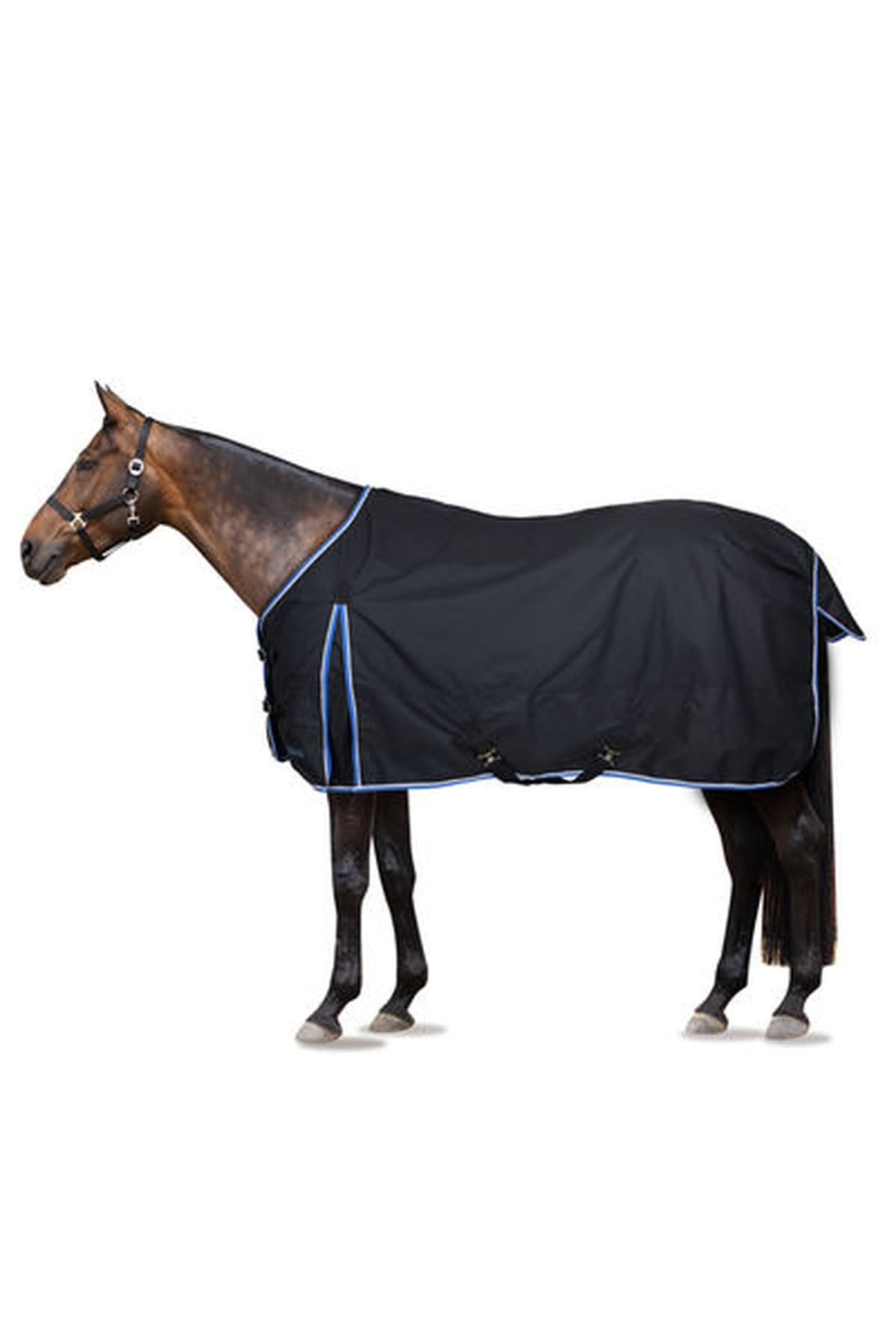
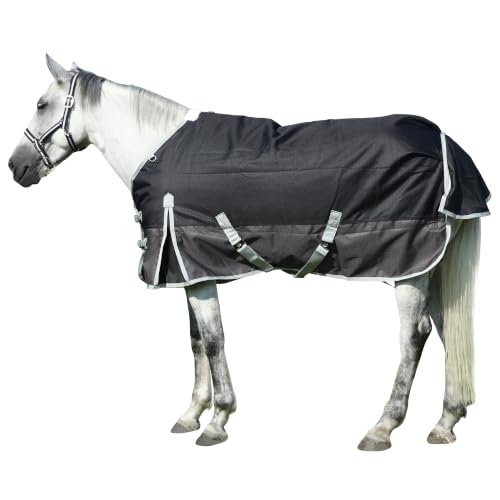
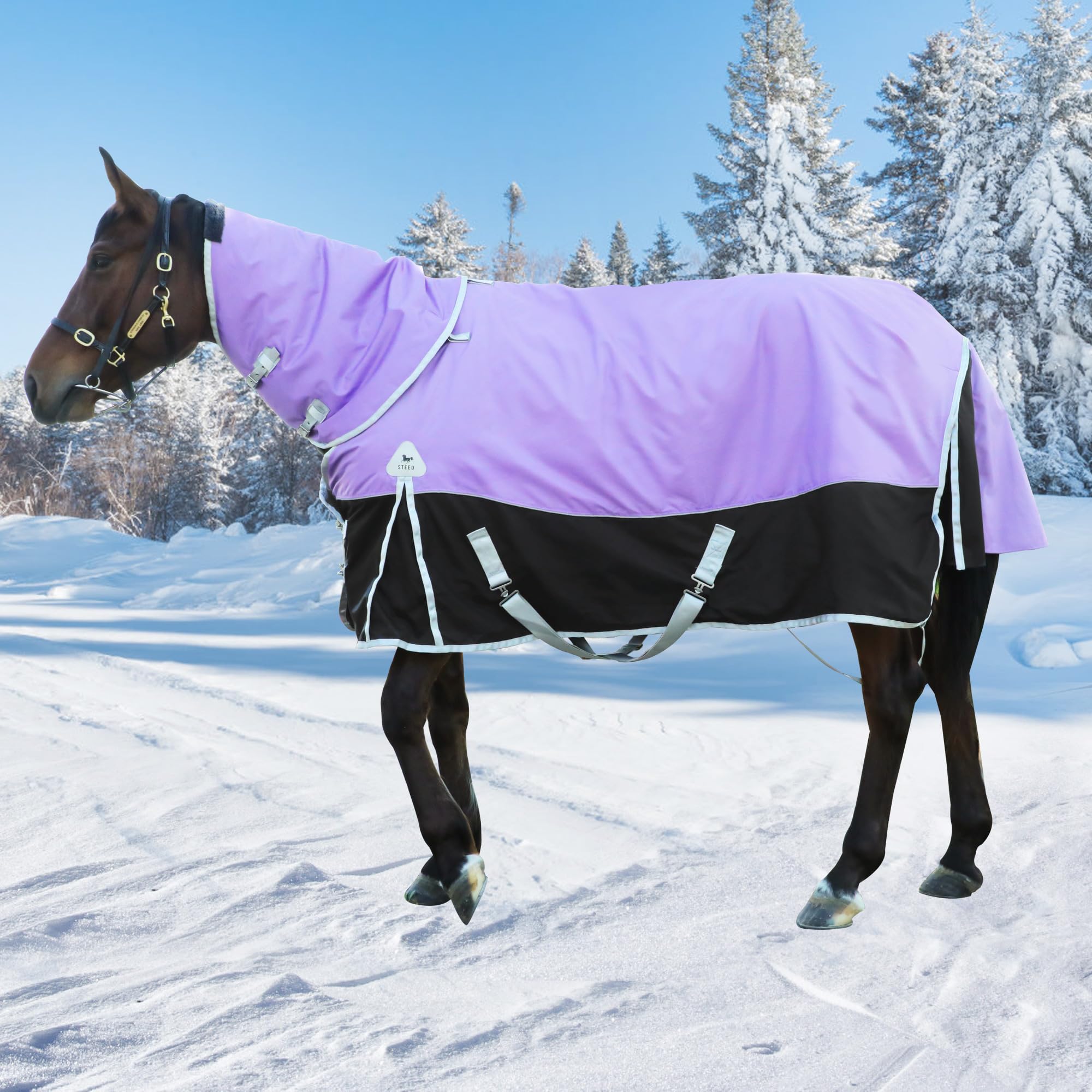
Three Rug Profiles Worth Your Money
The profiles below describe the three setups most owners actually need. Use them as tier guidance, then check the product table above for current models that match the profile you choose.
Balanced Profile
For most horses, a midweight canvas turnout with about 200 grams of fill and a cotton or polycotton lining covers the widest range of weather. Canvas around 18 ounces gives the toughness canvas is known for while the lining reduces rubbing on the shoulders and coat. Expect to pay around $150 to $250 for this level of build. Look for a fleece wither pad, twin chest straps with quick fasteners, and leg straps or a tail flap that keep the rug centered in wind. This profile suits horses that live out most of the time in temperate climates.
Value Profile
A lighter canvas rug with little or no fill, often around $80 to $140, works as a rain sheet and wind barrier for unclipped horses or mild winters. You give up warmth, not weather protection, provided the canvas is well proofed. This is a smart first canvas rug if you are checking whether canvas suits your routine. Check that the seams are taped or double stitched and that replacement leg straps are easy to find. Owners comparing the wider market can see how canvas sits within the full range in our guide to the best horse rugs.
Beginner Profile
New owners should choose a simple, forgiving rug: medium canvas weight, a standard neck, clear size labeling, and straps that adjust over a wide range. A rug that tolerates small measuring errors saves money while you learn your horse shape. Around $120 to $180 buys this in most markets. Avoid starting with a heavy winter rug, because an overheated horse is harder to manage than a slightly cool one. Buy one rug first, live with it for a month, and let that experience guide any second purchase.
How to Choose the Best Canvas Horse Rugs: Buying Guide
This is the core of the decision. Work through each factor with your own horse in mind, because the right answer changes with breed, workload, and how your horse is kept.
Material and Fill
Traditional canvas rugs use cotton canvas, often quoted by weight, with heavier canvas resisting tears and lasting longer at the cost of stiffness when new. Fill is measured in grams: 0 grams is a sheet, about 100 to 200 grams suits cool weather, and 300 grams or more is for hard winter or clipped horses. A smooth lining helps the rug glide over the coat and cuts down on shoulder rubs. Synthetic canvas blends dry faster and weigh less, but many owners still prefer cotton canvas for breathability in changeable weather. Match fill to your coldest typical night, not the single worst night of the year.
Size and Fit
Measure from the center of the chest, around the shoulder and barrel, to the back of the hindquarters, and buy the rug size closest to that length. A rug that is too small pulls at the chest and rubs the shoulders, while one that is too large slips sideways and can tangle a leg strap. The front should close without gaping, and the rug should cover the hindquarters without hanging past the tail head by much. Check fit again after the first week, because new canvas relaxes as it molds to the horse. When in doubt between two sizes for turnout, the slightly larger size with good straps is usually safer.
Breathability and Weather Protection
Canvas protects because the fibers swell when wet and shed water, especially with a proofing treatment on the surface. That same structure lets body moisture escape, which is why canvas stays popular for horses that run warm. No canvas rug is a plastic sheet, so during days of driving rain some moisture can work through, and a spare rug for drying time is wise. For owners who want to extend water resistance, our guide to the best waterproofing for horse rugs explains how reproofing works. In muggy climates, breathability often matters more than absolute waterproof ratings.
Fastenings, Safety, and Build Quality
Judge a rug by its hardware. Chest straps should be strong, simple to use with gloves, and backed by fabric that spreads the load. Cross surcingles under the belly keep the rug centered, and leg straps should be adjustable and replaceable, because they are the first parts to wear out. Reflective strips are a small but real plus for horses near roads at dusk. Breakaway style fittings can be a sensible choice for horses that catch rugs on fences. Whatever the design, inspect straps weekly and repair small damage before it becomes a torn rug or a frightened horse.
Shoulder Comfort and Freedom to Move
A rug must let the horse graze, roll, and lie down without binding. Shoulder gussets or a darted shoulder give the front legs room, and a smooth lining reduces friction where the rug moves most. Watch your horse walk in a new rug: short, choppy steps at the front mean the rug is restricting movement. Rubbed hair on the shoulders or withers after a few days tells you the fit or the lining needs attention. A wither pad of fleece or foam helps horses with high withers, a common rub point.
Warmth and Your Horse Workload
Warmth needs depend on clipping, condition, shelter, and feed as much as on the rug itself. A horse in hard work and fully clipped needs real fill on cold nights, while a retired, unclipped pony with a good coat and a field shelter may need only a rain sheet. Feel the base of the ears and the chest under the rug to judge comfort rather than guessing from the weather alone. Over rugging is a genuine welfare issue, linked with sweating, skin irritation, and weight gain. If you are unsure, choose the lighter rug and check the horse twice a day.
Stability in Wind and Turnout Behavior
A rug that shifts is a rug that rubs. Correct size, straps done at the right tension, and a tail flap or fillet string all help a rug stay centered when horses gallop and roll. Horses that play hard with companions test stitching and hardware, so stronger canvas pays off in group turnout. For horses that are rugged mainly at night in a stable, a lighter and simpler design is fine. Our overview of the best turnout rugs for horses compares how different rug styles handle rough outdoor use.
Types of Canvas Horse Rugs
Canvas rugs fall into a few clear families. Knowing the families keeps you from buying warmth you do not need or skipping protection you do.
Unlined Rain Sheets
An unlined canvas sheet blocks wind and rain while adding almost no warmth. It suits unclipped horses, mild climates, and spring or autumn weather when a filled rug would cause sweating. Because it is light, it dries quickly and is easy to handle. The downside is zero insulation on a sudden cold night, so keep a filled rug in reserve if your weather turns fast.
Lightly Lined Rugs
A cotton or polycotton lining with little fill gives mild warmth and excellent coat care, making this the most versatile family for many regions. The lining reduces friction and helps the rug settle into shape. These rugs handle cool nights and chilly days well. They are a poor match for clipped horses in severe cold, where real fill weight is needed.
Heavy Fill Winter Rugs
With 300 grams of fill or more under heavy canvas, this family is built for clipped horses and cold, wet winters. The warmth is genuine, and so is the weight, which can reach a level that smaller handlers find awkward when the rug is wet. Use it when temperatures and workload demand it, and step down as soon as the season softens. Keeping a horse too warm for too long invites skin problems and restlessness.
Canvas Rugs with Neck Covers
A fixed or detachable neck cover adds protection for clipped necks and keeps rain from running under the front of the rug. Detachable covers give you options across a changeable week. Watch for rubs along the mane, and keep the mane clean and flat under the cover. For horses that live out in exposed fields, this extra coverage is often the difference between a dry horse and a soaked one.
How to Make Your Canvas Horse Rug Last Longer
- Brush mud off once it dries instead of washing often, because every wash strips a little proofing from the canvas.
- Hang the rug to dry fully between uses, since stored damp canvas mildews and weakens at the folds.
- Reproof the canvas each season or whenever water stops beading on the surface.
- Repair small tears and loose straps right away, before a paddock incident turns them into a ruined rug.
- Rotate two rugs if your horse lives out, giving each one rest and drying time.
- Store the clean, dry rug flat or on a wide rack in summer, away from rodents and direct sun.
Canvas Horse Rugs: Your Questions Answered
How do I measure my horse for a canvas rug?
Measure from the center of the chest around the widest part of the body to the back of the hindquarters, keeping the tape level and snug. Buy the rug size nearest that measurement, then confirm the chest closes without pulling and the rug covers the hindquarters fully. Horses between sizes with broad shoulders usually do better in the larger size. Always recheck the fit after a week of wear, since new canvas settles.
What fill weight does my horse need in a canvas rug?
Most unclipped horses in mild winters do well with 0 to 100 grams, while clipped horses or cold regions call for 200 to 300 grams. Judge by the horse, not the calendar: check the chest and the base of the ears, and watch for sweating or a tucked up stance. Shelter, feed, and coat condition shift the answer a full step either way. When in doubt, rug lighter and check more often.
How often should I replace my canvas horse rug?
A quality canvas rug often lasts four to eight seasons with reproofing and prompt repairs. Replace it when the canvas tears repeatedly, the proofing no longer restores water resistance, or straps and fittings fail faster than you can mend them. Fit changes matter too: a young or aging horse may outgrow a sound rug. A rug that slips despite correct strapping is a safety risk and should be retired.
Are canvas horse rugs breathable enough for warm horses?
Yes, breathability is the classic strength of canvas. The woven cotton lets moisture vapor escape far better than fully synthetic shells, which helps horses that run warm or live where days swing from cold mornings to mild afternoons. Choose an unlined or lightly lined version for such horses. Even so, remove or change the rug on unexpectedly warm days, because no rug breathes well enough to fix over rugging.
How do I wash a canvas horse rug safely?
Brush off dried mud, then wash in a large machine or by hand with a cleaner made for rugs, using cool water. Avoid household detergents with strong additives, which strip proofing and can irritate skin. Rinse thoroughly, hang the rug to dry in moving air, and reproof it once dry. Small rugs fit in an oversized home machine, but heavy winter rugs usually need a commercial washer or a professional rug service.
The Bottom Line
Canvas weight, correct size, and fill matched to your horse and climate decide almost everything about how a rug performs. Buy the simplest rug that covers your real weather, check the fit daily, and keep up with reproofing and small repairs. The best canvas horse rugs for your yard are the ones that keep your horse dry and comfortable without fuss, so compare your shortlist against the product table above and choose with confidence.