
Best Canvas Shoes for Walking: Comfort, Grip and Fit for 2026
Disclosure: We may earn a commission when you buy through links on this page, at no extra cost to you. As an Amazon Associate I earn from qualifying purchases. Learn more

The best canvas shoes for walking balance breathability with cushioning and grip. Learn what to check for daily miles on pavement and park paths.
Canvas is light, breathable, and kind to feet on warm days, which is why many people reach for it on city streets and park paths. The best canvas shoes for walking add what plain fashion canvas often lacks: a cushioned insole, a grippy rubber outsole, and enough room for the toes to spread. This guide explains how to judge those features so a pair feels good after the first mile and the hundredth.
Canvas has limits. It offers less support than a structured walking shoe and soaks through in heavy rain, so it suits dry weather, moderate distances, and relaxed outfits. Knowing that up front helps you choose a pair that matches the walking you actually do. The product table above lets you compare current models once you know your priorities.


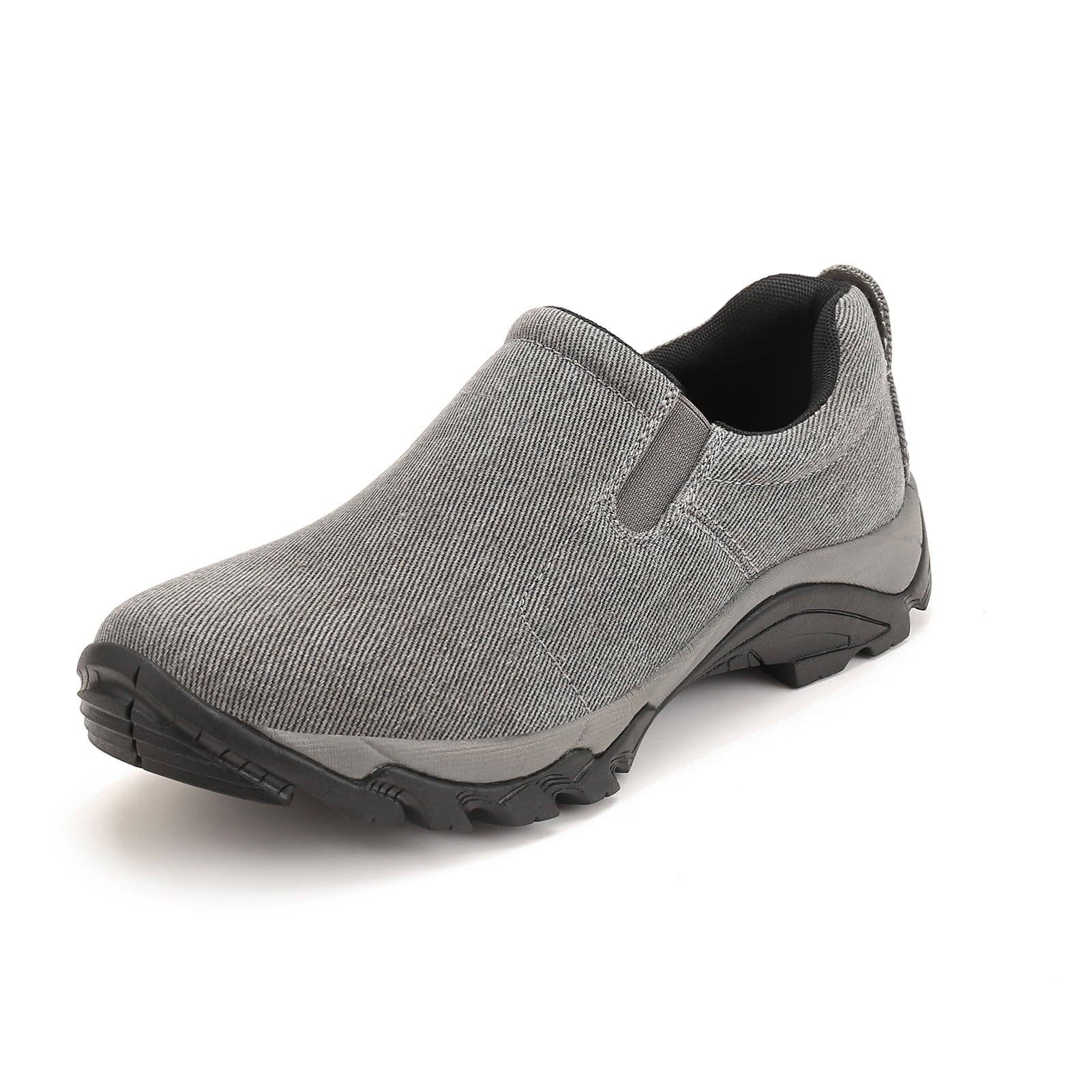
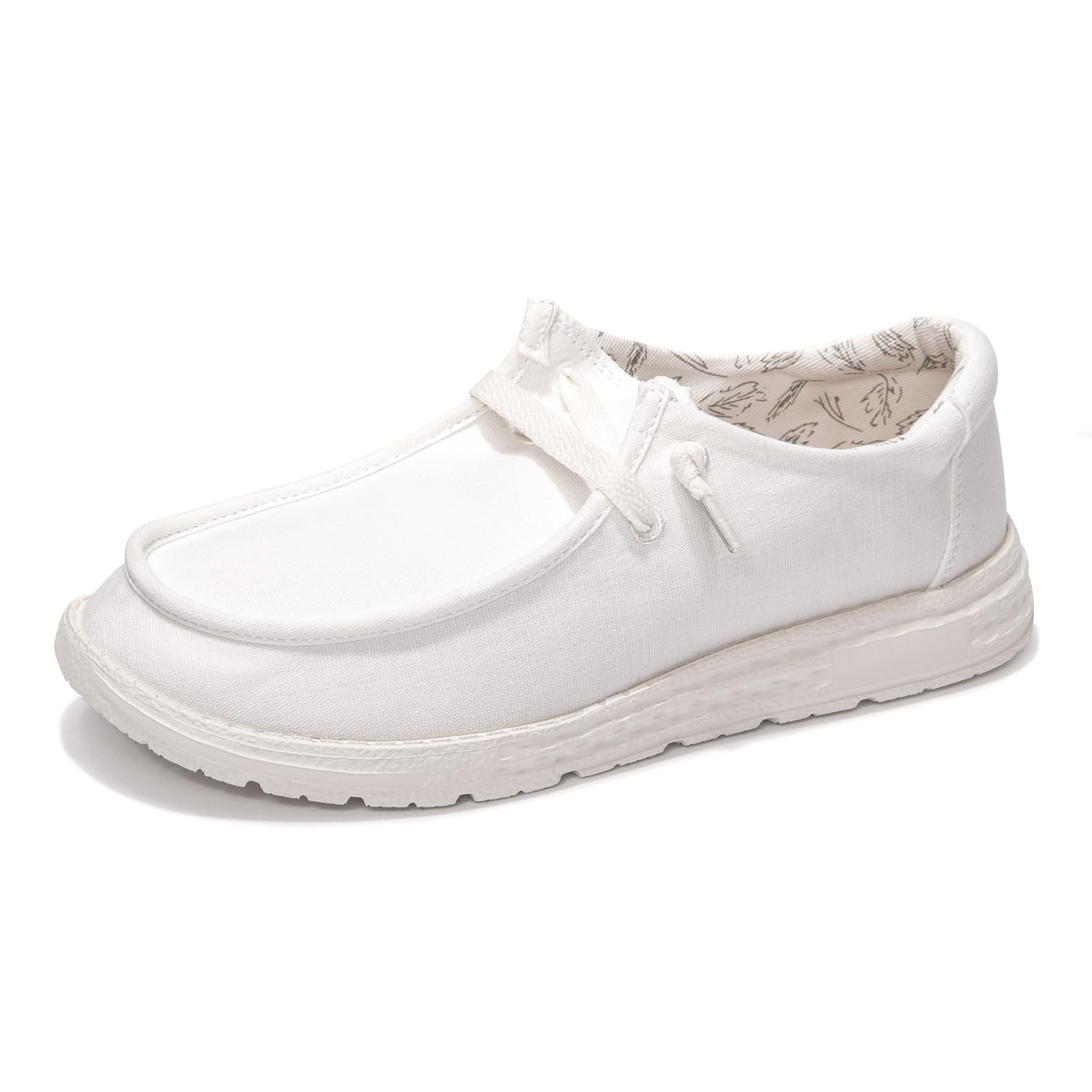


Who Canvas Walking Shoes Suit
Canvas works well for commuters, travelers, and anyone who walks a few miles a day on pavement or park paths in mild or warm weather. It also suits people who want a shoe that dries quickly, packs flat in a suitcase, and goes with jeans or shorts. If you walk many miles on hard surfaces every day, or stand all day at work, a cushioned athletic walking shoe is usually kinder to your feet. For that need, see our guide to the best walking shoes.
What to Look For in Canvas Walking Shoes
Cushioning and Insole
Many canvas shoes have a thin flat insole, which feels fine for errands and tiring over long distances. Look for a padded or removable insole, ideally with some arch contour. A removable insole lets you swap in your own supportive one if you need it. Foam under the heel is especially useful, because the heel takes the first hit on every step.
Sole Grip and Flexibility
A rubber outsole with a visible tread grips wet pavement and polished floors better than a smooth flat sole. Vulcanized soles, where rubber is bonded to the upper, tend to last longer than glued ones. Bend the shoe at the ball of the foot: it should flex there, not in the middle of the arch.
Fit and Toe Room
Canvas stretches slightly with wear, so a snug fit at first is fine, but the heel should not slip. Leave about a thumb width ahead of the longest toe, and choose a wider toe box if your feet spread when you walk. Feet swell through the day, so try shoes on in the afternoon with the socks you will wear.
Breathability and Weight
Canvas breathes better than leather or most synthetics, which keeps feet cooler on long summer walks. Lighter shoes reduce fatigue over distance, but very thin canvas wears out faster at the toe and around the eyelets. Check for reinforced stitching and a toe cap if you walk a lot.
Ankle Support and Style
Low tops are lightest and coolest, while high tops give a little more ankle coverage and a retro look. Slip-on styles are easy for travel, but make sure the heel holds. For a closer look at styles, read our best canvas shoes guide.
Canvas Compared With Other Walking Shoes
Canvas trades support for lightness and breathability. A mesh athletic walking shoe usually adds a thicker midsole, a heel counter that holds the foot steady, and better shock absorption, which matters on long days over concrete. Leather walking shoes last longer and resist light rain, but they run hotter and take longer to break in. Canvas sits between a flip-flop and a trainer: more protection and grip than open footwear, less cushioning than a dedicated walking shoe.
That trade-off is fine when the walks are short or the surface is forgiving. A twenty minute stroll, a day of city sightseeing in summer, or a commute with a few blocks on foot all suit canvas well. If you notice sore heels, tired arches, or aching knees after a walk, treat it as a sign that your route has outgrown the shoe rather than something to push through.
Price tells you less than construction. A well stitched canvas shoe with a vulcanized rubber sole and a padded insole can outlast a cheaper pair many times over. Look closely at where the sole meets the upper, because gaps and peeling glue there are the first sign of a shoe that will not last a season of regular walking.
Comfort Tips for Longer Walks
- Wear new shoes for short walks first, then build up distance over a week or two.
- Use cushioned socks to add comfort, since canvas shoes offer little padding on their own.
- Swap in a supportive insole if your arches ache after a mile or two.
- Rotate two pairs so each one dries out fully between wears.
- Replace the shoes when the tread is smooth or the midsole feels flat.
Cleaning and Care
Brush off dry dirt first, then clean with mild soap, cool water, and a soft brush. Remove the laces and insoles for a deeper clean, and rinse well so soap does not leave marks. Let the shoes air dry stuffed with paper, away from radiators and direct sun, because heat can shrink canvas and loosen the sole. A fabric protector spray helps against light rain and stains, though canvas will never be fully waterproof.
Canvas Walking Shoe Questions
Are canvas shoes good for walking all day?
They suit short to moderate walks well. For all day walking, choose a pair with a cushioned insole and a stable sole, or switch to a dedicated walking shoe on your longest days.
Do canvas shoes give enough arch support?
Most do not, because they are built light and flat. If you need more support, pick a model with a removable insole and add a supportive one. Ask a podiatrist if foot pain keeps coming back.
Can I walk in canvas shoes in the rain?
Light showers are manageable, but canvas absorbs water and dries slowly. Keep a water resistant pair for wet days and let canvas shoes dry naturally afterward.
How should canvas walking shoes fit?
Snug through the midfoot with no heel slip, and about a thumb width of room ahead of the toes. Check the fit with your usual walking socks, in the afternoon when feet are slightly larger.
How long do canvas walking shoes last?
With regular walking, many pairs last six months to a year before the sole wears smooth or the insole flattens. Rotating pairs and cleaning gently extends their life.
Final Thoughts
Choose for cushioning, grip, and a roomy toe box first, and style second. The best canvas shoes for walking are the ones that feel comfortable on your real daily route, so compare your shortlist in the product table above and try the fit at home before you commit. If foot pain persists, talk with a podiatrist.


